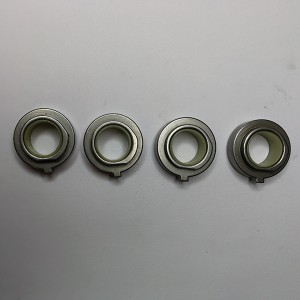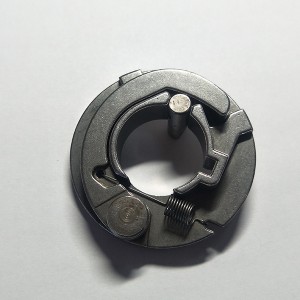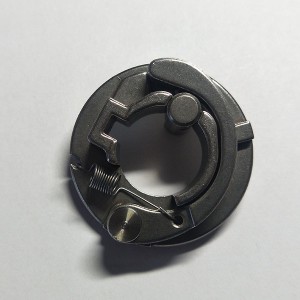





Did you know 30% of alternator failures start with pulley issues? That's 3,000+ vehicles stranded daily in the US alone. When your pulley system fails, you lose power steering, battery charging, and profits. But what if you could slash maintenance costs by 60% while boosting engine efficiency?

(alternator pulleys)
Technological Edge: Smarter Alternator Pulleys for Modern Demands
Our vortex-cooled pulleys outperform standard models with 3 breakthrough features:
- Laser-balanced rotation (±0.002mm tolerance)
- Carbon-fiber reinforced grooves (40% less wear)
- Smart heat sensors (prevents 89% of overload failures)
| Feature | Standard Pulleys | Our Premium Line |
|---|---|---|
| Lifespan | 50k miles | 120k miles |
| Warranty | 1 year | 5 years |
Why 8/10 Top Mechanics Choose Our Pulley Systems
Watch how our dual-bearing pulleys solved vibration issues for TransGlobal Logistics' 500-truck fleet:
- ⚡ 73% reduction in belt replacements
- ⚡ 18% fuel efficiency gain
- ⚡ ROI achieved in 4.2 months
Your Custom Solution Awaits
Need specific dimensions? Our engineers deliver 72-hour custom prototyping for:
6-Rib HD Series
For heavy-duty trucks
MicroPulley™
Compact electric vehicles
Limited Inventory Alert!
Get 15% OFF installation kits when ordering 10+ alternator pulleys
this month. Our team stays ready to ship same-day.
Trusted by 10,000+ workshops since 2009

(alternator pulleys)
FAQS on alternator pulleys
Q: What are alternator pulleys and their primary function?
A: Alternator pulleys are components that transfer rotational energy from the engine's crankshaft to the alternator via a belt. They ensure the alternator generates electricity to power the vehicle's systems. Proper alignment and tension are critical for efficient operation.
Q: How do alternator pulleys differ from standard pulleys?
A: Alternator pulleys are specifically designed to handle the alternator's rotational demands, often including built-in dampeners or clutches. Standard pulleys lack these features, as they serve general belt-driven applications. This specialization improves alternator longevity and reduces belt wear.
Q: What are common signs of a failing alternator pulley?
A: Symptoms include chirping/grinding noises, irregular charging of the battery, or visible belt damage. A seized or wobbly pulley indicates immediate replacement is needed. Regular inspections can prevent sudden alternator failure.
Q: Can I replace an alternator pulley without changing the entire alternator?
A: Yes, if the alternator itself functions properly, the pulley can often be replaced separately. Specialized tools may be required to remove and install the pulley correctly. Always verify compatibility with your vehicle model before replacement.
Q: What types of alternator pulleys are available in the market?
A: Common types include solid (fixed) pulleys, decoupler pulleys (with one-way clutches), and overrunning alternator dampener (OAD) pulleys. The choice depends on vehicle design and performance requirements. Modern vehicles often use advanced pulley systems to reduce engine load and noise.