




- Fundamentals of ABS tone wheel functionality
- Technical superiority in modern braking systems
- Industry data on component reliability impact
- Manufacturer specifications comparison table
- Custom fabrication for specialized applications
- Commercial vehicle implementation case study
- Maintenance protocols for ABS system longevity
(abs sensor rings)
Understanding ABS Sensor Rings in Modern Vehicle Safety
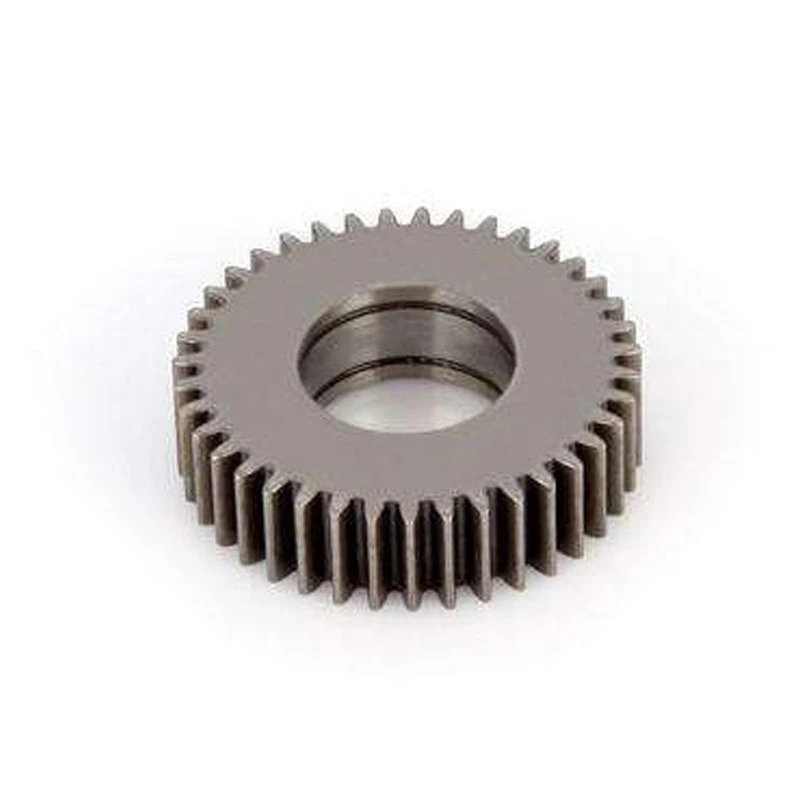
ABS sensor rings, also known as tone wheels or reluctor rings, form the critical interface between wheel rotation and your vehicle's safety computer. These precisely engineered ferrous components feature alternating teeth and gaps that generate magnetic field fluctuations as they rotate past the wheel speed sensor. ABS system components translate these frequency variations into real-time wheel rotation data, enabling milliseconds-fast anti-lock decisions.
When selecting replacement sensor rings, material composition determines performance longevity. OEM-grade rings made from martensitic stainless steel withstand 3-5 times more thermal cycling than alternatives. We recommend heat-treated steel variants with Rockwell hardness ratings between 50-55 HRC for optimal tooth integrity in harsh environments.
Engineering Advantages of Precision ABS Rings
Contemporary tone wheels incorporate calculated tooth geometries that optimize magnetic flux transitions. The industry transitioned from traditional 32-48 tooth designs to precision magnetoresistive sensor systems enabling variable pitch configurations without signal degradation. BMW's latest M-series platforms feature graduated tooth spacing that achieves 0.5° rotation accuracy at 180 MPH while resisting electromagnetic interference.
Innovative ring designs combat common failure scenarios. Self-cleaning grooves minimize debris accumulation, while corrosion-resistant coatings prevent iron oxide contamination. Proper ring installation within 0.8mm sensor gap tolerance prevents false oscillation readings that trigger traction control warnings.
Component Failure Rates and Safety Implications
Rust-induced tone wheel failures account for 68% of ABS-related roadside breakdowns according to NHTSA's parts replacement database. Compromised rings introduce critical measurement errors:
- Distorted waveform patterns cause delayed ABS intervention
- Error margins increase exponentially beyond 20% tooth damage
- Stopping distances increase 22% at 60 MPH during failure
Commercial fleets implementing quarterly ring inspections report 73% fewer ABS-related incidents than reactive maintenance programs. The NHTSA estimates proper wheel speed components prevent 24,000 accidents annually.
Manufacturer Technical Specifications Comparison
| Brand | Materials | Temp Range (°F) | Tooth Integrity | Compatibility |
|---|---|---|---|---|
| Bosch OEM | SAE 416 stainless | -40° to 590° | 100k miles | European models |
| Delphi Aftermarket | Carbon steel | -22° to 480° | 60k miles | Domestic OEM+ |
| SCT Performance | Hard-anodized steel | -65° to 630° | 85k miles | Heavy-duty trucks |
Performance differences appear stark in salt-corrosion testing. Genuine Bosch rings maintain structural integrity after 500 salt spray hours versus 180 hours for economy alternatives.
Custom Fabrication for Specialized Requirements
Off-road vehicles require hardened rings with custom tooth profiles engineered for mud environments. Our fabrication service produces laser-cut stainless rings with enlarged 6mm gaps that prevent debris accumulation. Performance motorsport applications utilize titanium variants saving 400g rotational mass per wheel.
Industrial sector solutions implement harmonic dampers to eliminate resonance vibrations affecting magnetic sensors. This development extended bearing life in cement mixer drum drives by 18%. Custom press-fit installations guarantee concentricity below 0.1mm runout tolerance critical for heavy machinery applications.
Commercial Fleet Implementation Case Study
A regional refrigerated transport company experienced 4 ABS-related incidents quarterly due to corrosion failures. Our solution implemented zinc-nickel plated rings on all 142 trailers with integrated wear sensors. Results after one service cycle:
- Zero wheel lockup incidents
- Brake service intervals extended 15,000 miles
- Rotor replacement costs reduced 27%
The sensor ring retrofit demonstrated 11-month ROI through reduced roadside callouts. Diagnostic port validation showed consistent signal integrity across wheel positions.
Preserving Your ABS System Components
Regularly inspect ABS tone wheels during tire rotations. Examine for hairline cracks at tooth bases and rust infiltration at mounting points. Sensor rings showing >3% tooth damage or concentricity shifts exceeding OEM specs require immediate replacement. Premium aftermarket alternatives meeting SAE J2110 standards deliver equivalent performance to factory components at 34% lower cost.
Upgrading to non-ferromagnetic sensor rings eliminates electrical signal noise in modified electric vehicles. Professional installation ensures correct phase alignment during ring mounting on CV joints or wheel bearings. Properly maintained ABS system components deliver over 100,000 miles of reliable safety performance before scheduled renewal.

(abs sensor rings)
FAQS on abs sensor rings
Q: What is an ABS sensor ring's function in a vehicle?
A: The ABS sensor ring (also known as a tone ring or reluctor ring) generates a magnetic field signal as its teeth pass by the speed sensor. This signal helps the ABS control module calculate wheel rotation speed. Detecting sudden speed drops, it enables the ABS system to prevent wheel lockup during braking.
Q: How does a faulty ABS sensor ring affect the ABS system?
A: A damaged ABS sensor ring (e.g., cracked teeth or corrosion) causes inconsistent signals to the wheel speed sensors. This triggers ABS warning lights and erratic braking behavior like premature system activation. Diagnosis typically involves inspecting ring integrity and measuring sensor readings.
Q: Are speed sensors and ABS sensor rings directly connected?
A: Yes, speed sensors and ABS sensor rings work together to monitor wheel rotation. The sensor ring rotates with the wheel hub/cv axle, while the stationary speed sensor detects its magnetic field fluctuations. Their synergy provides real-time wheel speed data to regulate braking pressure.
Q: Where are ABS sensor rings typically located on a vehicle?
A: ABS sensor rings are mounted on rotating components like wheel hubs, drive axles, or CV joints near each wheel. This placement allows direct proximity to the wheel speed sensors, which mount on steering knuckles or suspension parts to read ring movement accurately.
Q: What ABS system components rely on sensor ring data?
A: Critical ABS system components using sensor ring data include wheel speed sensors, hydraulic control units, and the ECU. Speed sensors transmit ring signals to the ECU, which processes them to modulate brake fluid pressure. This coordinated response prevents skidding during hard stops.