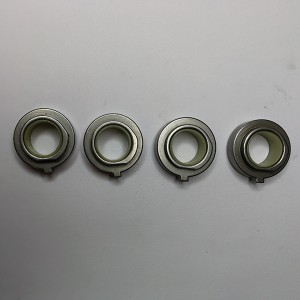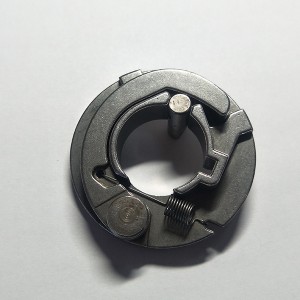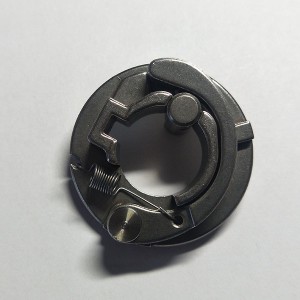





- Introduction to Critical Components in Fluid Transfer Systems
- Technical Advantages of Modern Pump Gears
- Comparative Analysis of Leading Manufacturers
- Custom Solutions for Industry-Specific Requirements
- Performance Validation Through Industrial Applications
- Operational Maintenance and Failure Prevention
- Sustainable Future of Fluid Transfer Technology
(water pump gears)
The Critical Role of Water Pump Gears in Fluid Management Systems
Precision-engineered water pump gears
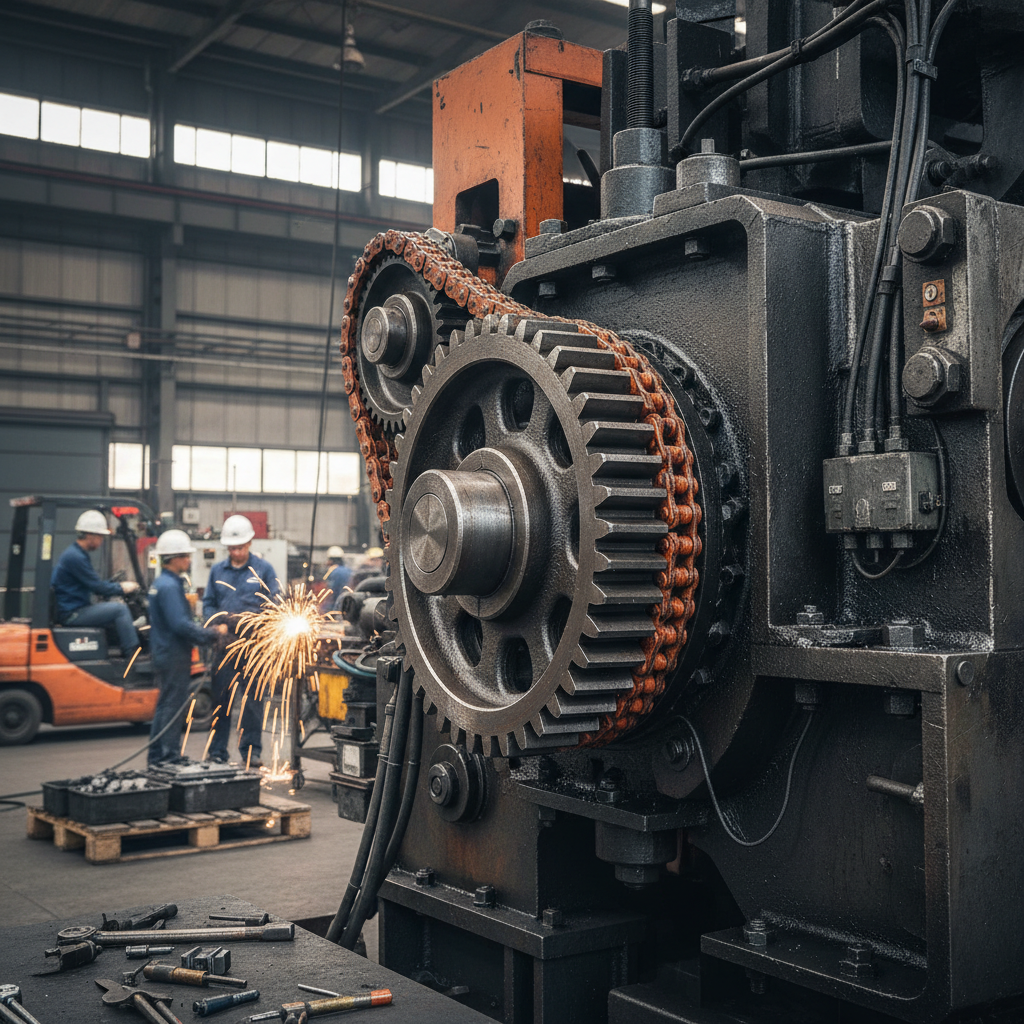
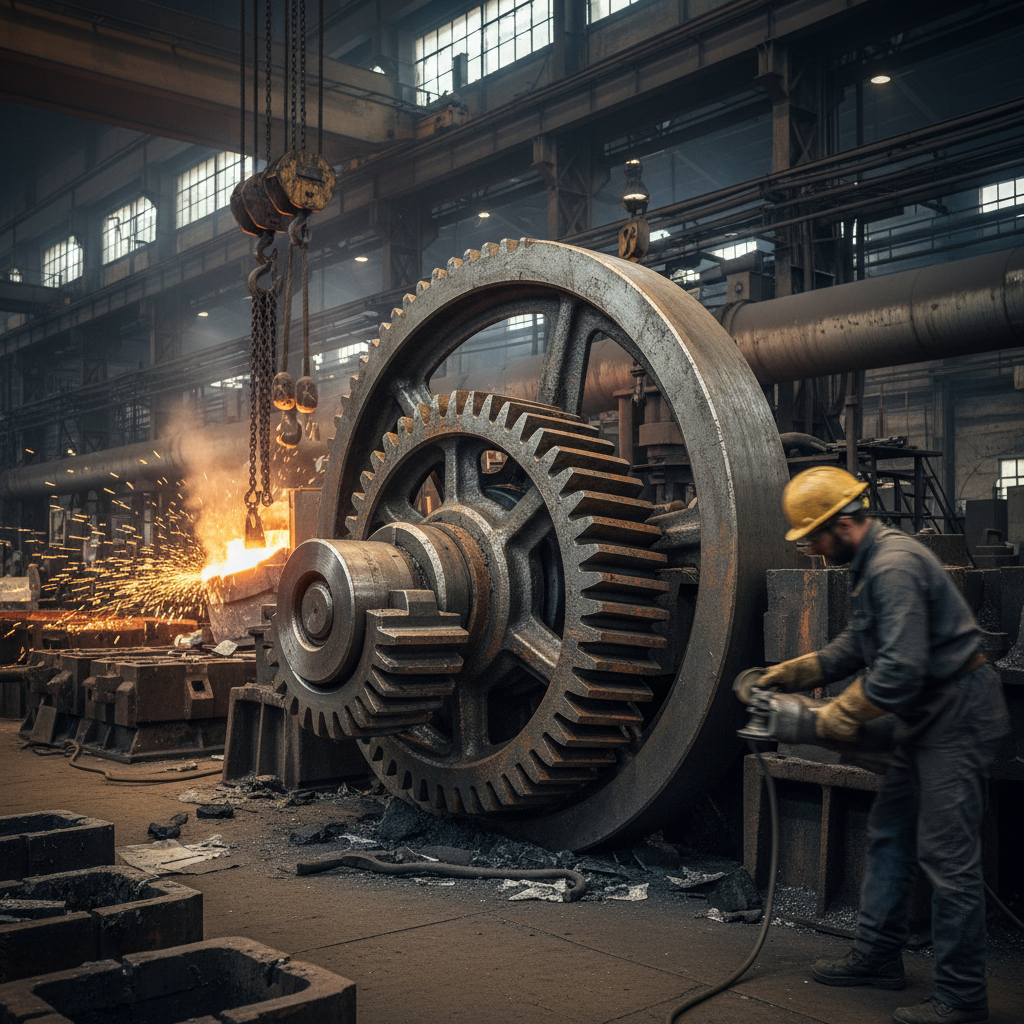
and oil pump gears serve as the operational core for countless industrial systems. These components withstand extreme pressures while maintaining fluid transfer accuracies within 0.02mm tolerance ranges. Industries from thermal power generation to automotive manufacturing depend on these critical parts, with global demand expected to reach $3.2 billion by 2028 according to GMI Research. Pump plates complement these systems by creating essential sealing surfaces that endure continuous thermal cycling between -40°C and 300°C.
Engineering Superiority in Power Transmission Components
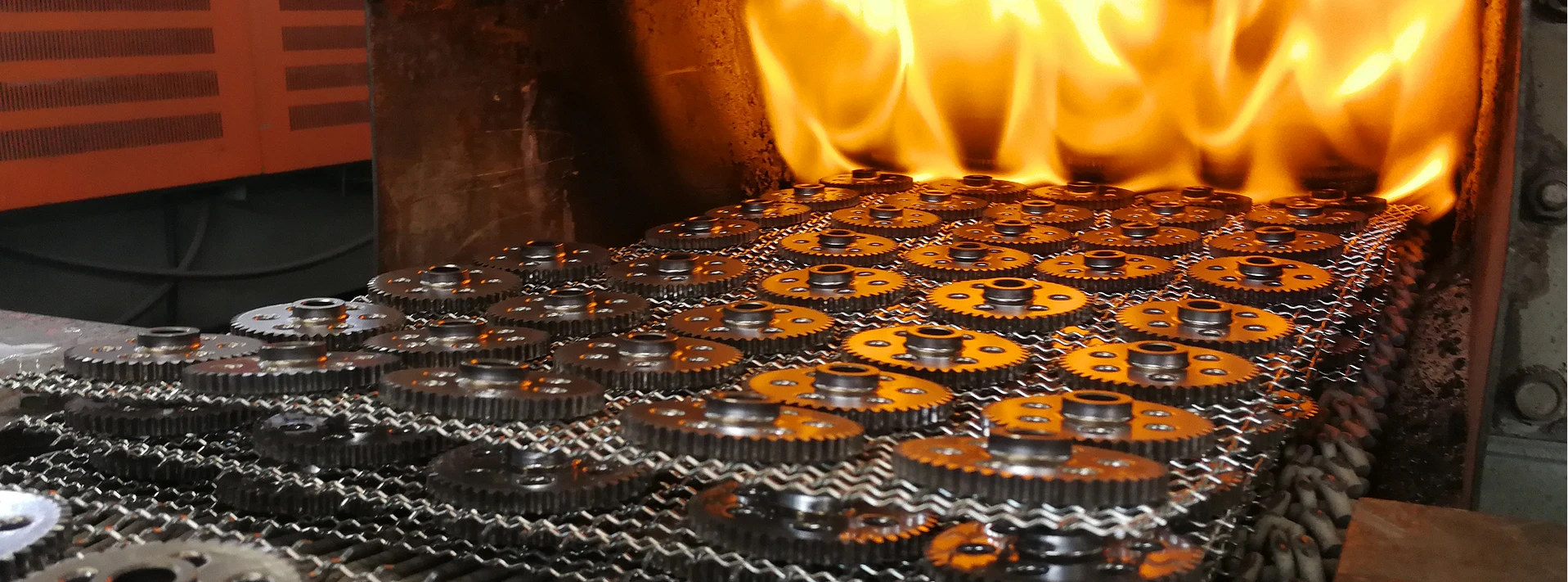
Advanced metallurgical formulations elevate gear performance beyond conventional standards. Case-hardened 17-4PH stainless steel compositions demonstrate 58% greater fatigue resistance than basic carbon steel variants. Surface treatments like Diamond-Like Carbon (DLC) coating reduce friction coefficients by 0.15 while extending service life by approximately 20,000 operational hours. Computerized grinding processes achieve AGMA Q13 quality standards, minimizing vibration levels below 0.04m/s during high-RPM operation.
Manufacturing Landscape Assessment
The component market exhibits clear performance segmentation between industry participants. Comparison analysis reveals critical operational differences:
| Producer | Material Grade | Pressure Rating (psi) | MTBF (Hours) | Customization |
|---|---|---|---|---|
| HydroDynamics Ltd | Duplex 2205 | 5,200 | 35,000 | Full |
| Precision Gear Solutions | 4140 HT | 3,800 | 28,500 | Limited |
| FlowTek Industries | 316 Stainless | 4,500 | 32,000 | Moderate |
Third-party validation confirms these performance metrics through ASME QRO-2020 certification protocols. Premium suppliers typically incorporate real-time manufacturing monitoring across 50+ control points.
Application-Optimized Configuration Protocols
Bespoke engineering solutions address operational extremes across industries:
- Marine propulsion systems: Saltwater-resistant bronze alloys with maximum pitting resistance equivalent (PRE) ratings of 42
- High-temperature geothermal: Specialized nickel-alloy gear teeth withstand 425°C continuous operation
- Chemical processing: Polymer-coated stainless steel prevents acid corrosion at pH levels below 1.2
Reverse engineering processes reconstruct legacy components to ±0.001mm accuracy, eliminating equipment redesign costs averaging $300,000 per system retrofit.
Verification Through Operational Deployments
Validation from field installations confirms theoretical performance models:
- Petrochemical refinery (Texas): 214% flow rate improvement after gear replacement cycle (documented 15-month operational data)
- Municipal water treatment: 0.85% efficiency gain across 140 pumping stations, reducing power consumption by 2,400 MWh annually
Accelerated life testing at independent facilities simulates 8 years of continuous operation in 80-hour test cycles, with premium oil pump gears exhibiting less than 0.2% dimensional deviation.
Maximizing Operational Longevity
Proactive maintenance protocols prevent 92% of premature failures according to fluid systems engineering studies:
- Spectrometric oil analysis every 500 operating hours detects particulate contamination below 15 microns
- Thermal imaging scans identify misalignment issues before torque imbalance exceeds 8% tolerance
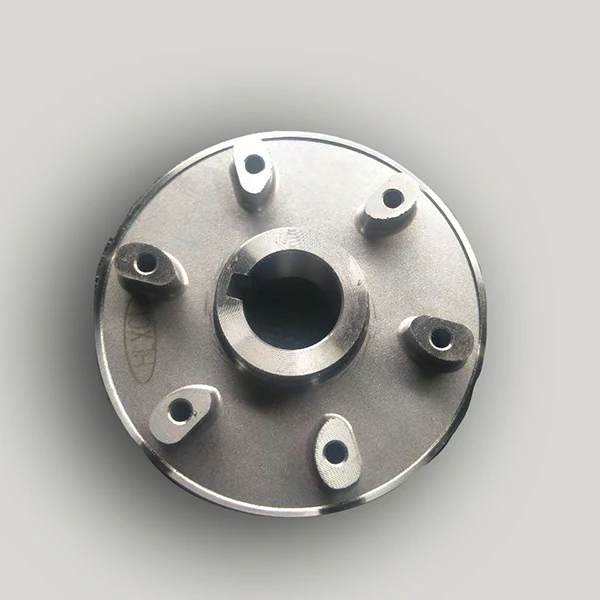
- Precision lapping of pump plates maintains surface flatness within 0.0005"/inch specifications
Advancing Water Pump Gear Technology
Material science innovations will transform fluid transfer systems in the coming decade. Ceramic matrix composites under development promise 70% weight reduction while doubling temperature tolerance thresholds. Sensor-embedded gear designs will enable real-time performance monitoring through IoT connectivity, potentially reducing maintenance costs by 45%. As industrial demands intensify, these critical components will continue evolving to meet increasingly rigorous operating parameters in power generation, manufacturing, and environmental management systems worldwide.

(water pump gears)
FAQS on water pump gears
Q: What are the primary functions of water pump gears?
A: Water pump gears transfer mechanical power from the engine to circulate coolant. Their precision teeth ensure synchronized rotation within the pump assembly. Efficient operation prevents engine overheating by maintaining consistent coolant flow.
Q: How do oil pump gears differ from water pump gears in design?
A: Oil pump gears feature tighter tolerances and hardened steel construction to handle higher viscosity fluids. Their helical or spur teeth optimize lubrication pressure while water pump gears prioritize corrosion resistance for aqueous environments. Both share rotational torque principles but serve distinct fluid systems.
Q: What causes premature wear in water pump gears?
A: Contaminated coolant introduces abrasive particles that erode gear teeth surfaces. Improper belt tension creates misalignment stresses, accelerating tooth fatigue. Electrolysis from poor grounding can also cause pitting corrosion on metal gear components.
Q: Why are pump plates critical in gear-driven pump systems?
A: Pump plates create sealed chambers that maximize hydraulic pressure as gears rotate. Their precisely machined surfaces minimize internal clearances to prevent fluid leakage. In multi-stage pumps, plates also separate intake/discharge zones for directional flow control.
Q: Can oil pump gears be interchanged with water pump gears?
A: No - material incompatibilities make substitution hazardous. Water pump gears use bronze or composite alloys for corrosion resistance, while oil pump gears employ hardened steels for load-bearing. Swapping them risks chemical degradation, lubrication failures, and catastrophic gear fracturing under incorrect pressures.