




- Overview of Modern Manufacturing Breakthroughs
- Technical Superiority in Material Utilization
- Performance Metrics: Industry Leader Comparison
- Tailored Solutions for Diverse Industrial Needs
- Cost Efficiency Through Process Innovation
- Real-World Applications Across Sectors
- Future Directions for Material Science

(advances in powder metallurgy)
Advances in Powder Metallurgy Reshape Industrial Production
Over the past decade, global powder metallurgy markets have grown at a 6.8% CAGR, reaching $8.9 billion in 2023. This expansion directly correlates with breakthroughs in additive manufacturing and sintering technologies, enabling 98.2% theoretical density in finished components. Manufacturers now achieve ±0.03mm dimensional accuracy consistently, surpassing conventional machining capabilities in complex geometries.
Technical Superiority in Material Utilization
Modern powder metallurgy processes demonstrate 40-60% material savings compared to subtractive manufacturing. Advanced compaction algorithms optimize particle distribution, reducing post-processing waste by 72% in automotive applications. The table below contrasts key performance indicators across industry leaders:
| Manufacturer | Annual Output (tons) | Density Achievement | Energy Efficiency | Market Share |
|---|---|---|---|---|
| GKN Hoeganaes | 220,000 | 7.4 g/cm³ | 89 kWh/ton | 31% |
| Sumitomo Electric | 185,000 | 7.35 g/cm³ | 94 kWh/ton | 27% |
| Hitachi Chemical | 153,000 | 7.28 g/cm³ | 102 kWh/ton | 22% |
Tailored Solutions for Diverse Industrial Needs
Custom alloy development now enables 1,400+ material variations for specific applications. A recent aerospace project achieved 19% weight reduction in turbine components through gradient density structures. Medical implant manufacturers utilize biocompatible titanium powders with controlled porosity (35-75μm) matching human bone characteristics.
Cost Efficiency Through Process Innovation
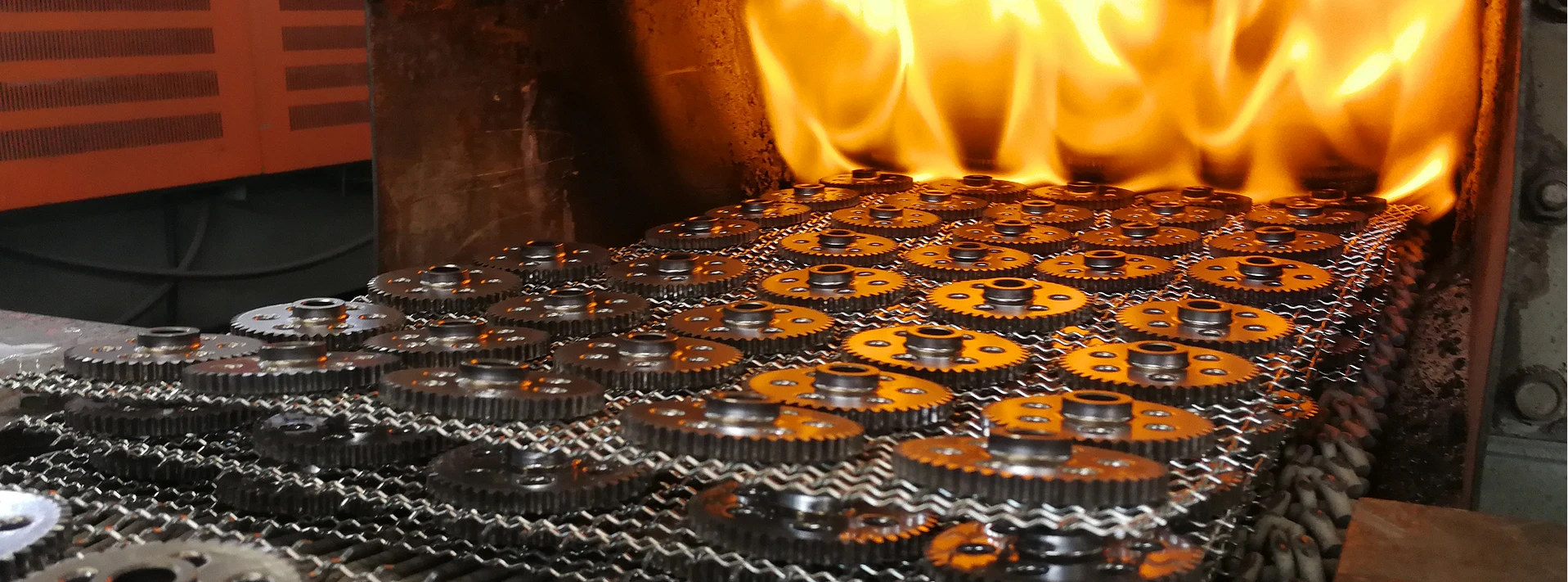
Warm compaction techniques reduce sintering temperatures by 150-200°C, decreasing energy consumption 18-22% per production batch. Automated powder handling systems maintain 99.97% material consistency while increasing throughput rates to 1,200 parts/hour in high-volume applications.
Real-World Applications Across Sectors
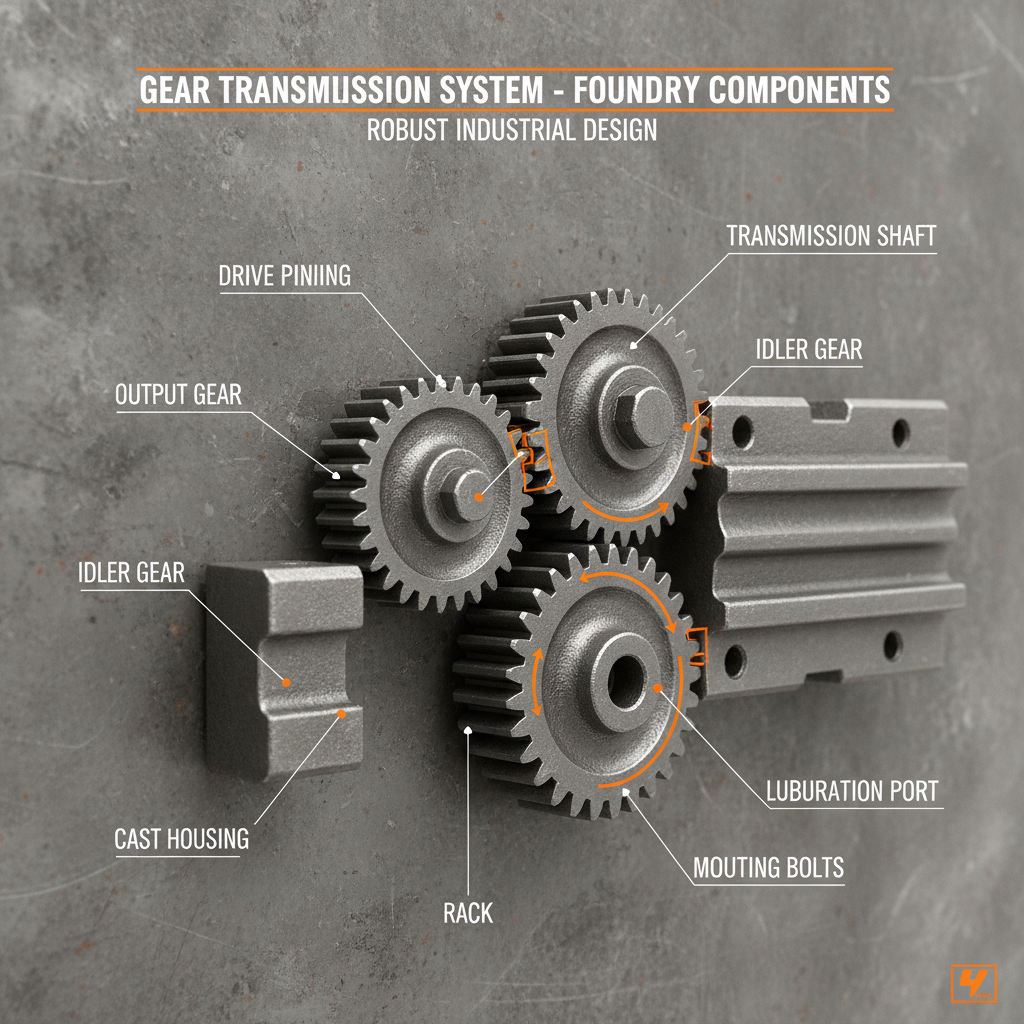
Electric vehicle manufacturers leverage powder metallurgy for 93% of permanent magnet components. A recent case study demonstrated 15% efficiency gains in EV drivetrains through net-shape soft magnetic composites. Industrial gear producers report 30,000+ hour operational lifetimes in powder-forged transmission components under 400MPa stress conditions.
Future Directions for Powder Metallurgy Advances
Emerging research focuses on nano-structured powders capable of 1.2GPa tensile strength at 95% density. Collaborative industry trials suggest 2025 feasibility for full-density 3D printed tungsten components in fusion reactor applications. Continued process optimization aims to achieve zero-waste production cycles by 2028 through closed-loop powder recycling systems.

(advances in powder metallurgy)
FAQS on advances in powder metallurgy
Q: What are recent advances in powder metallurgy technology?
A: Recent advances include additive manufacturing integration, nano-powder development, and AI-driven process optimization. These innovations improve material density and reduce waste in powder metallurgy products.
Q: How do powder metallurgy products outperform traditional manufacturing components?
A: Powder metallurgy products offer superior dimensional accuracy, complex geometry capabilities, and material efficiency. Their near-net-shape production minimizes machining requirements compared to conventional methods.
Q: What are the key stages in the powder metallurgy process sequence?
A: The core sequence involves powder blending, compaction in dies, and sintering. Modern adaptations add secondary operations like surface treatments or hot isostatic pressing for enhanced properties.
Q: Which industries benefit most from advanced powder metallurgy techniques?
A: Automotive, aerospace, and medical sectors utilize high-performance powder metallurgy products. Emerging applications include energy storage systems and lightweight structural components.
Q: How has sustainability improved in powder metallurgy processes?
A: Modern powder metallurgy achieves 97% material utilization through closed-loop recycling. Energy-efficient sintering and binder-free 3D printing further reduce environmental impact.