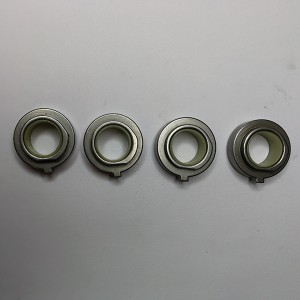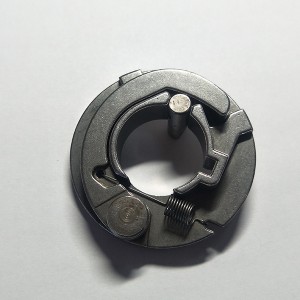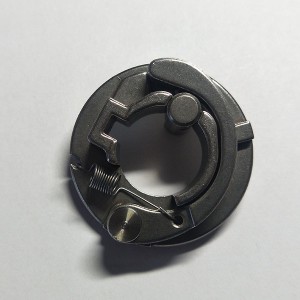





- Overview of Powder Metallurgy Components and Market Trends
- Technical Advantages Over Traditional Manufacturing
- Comparative Analysis of Leading Manufacturers
- Custom Solutions for Industry-Specific Needs
- Case Studies: Real-World Applications
- Material Innovations in Powder Metallurgy
- Future Prospects for Components Manufactured by Powder Metallurgy

(components manufactured by powder metallurgy)
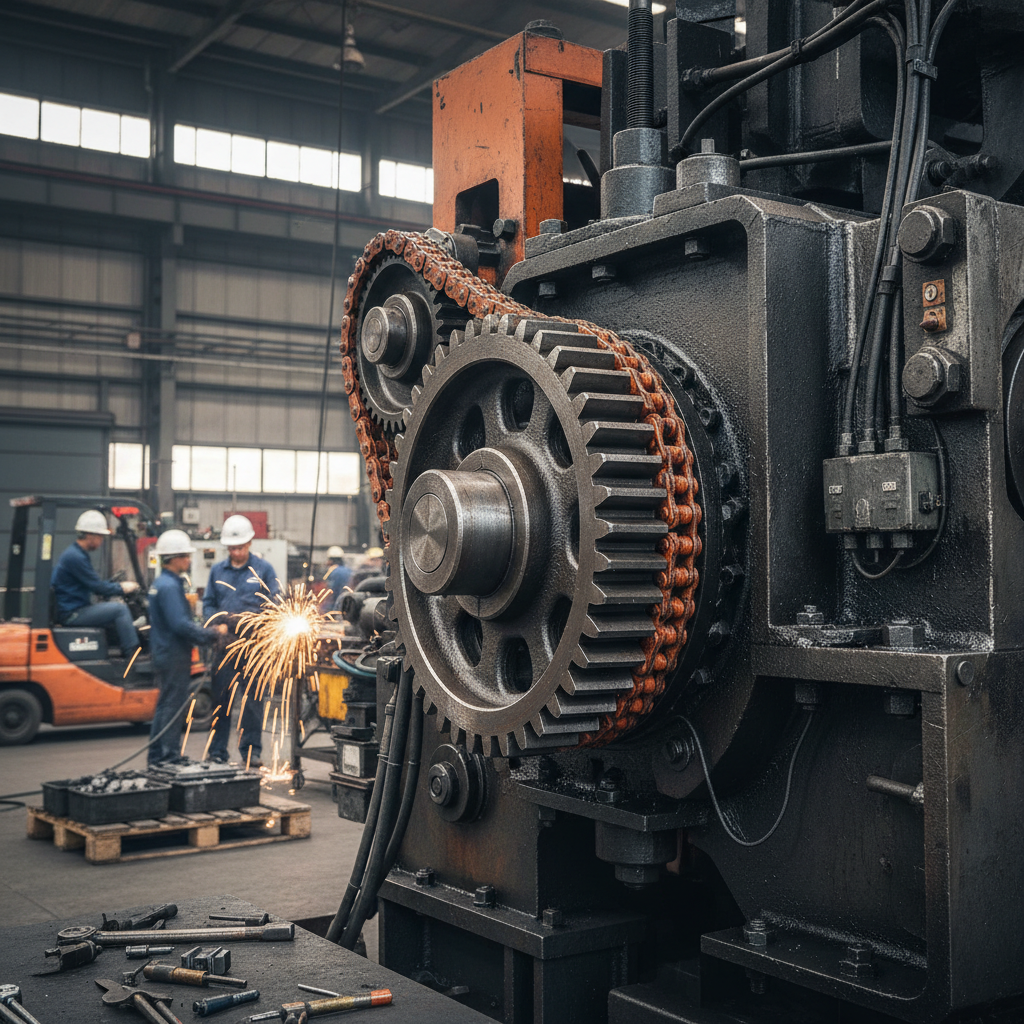
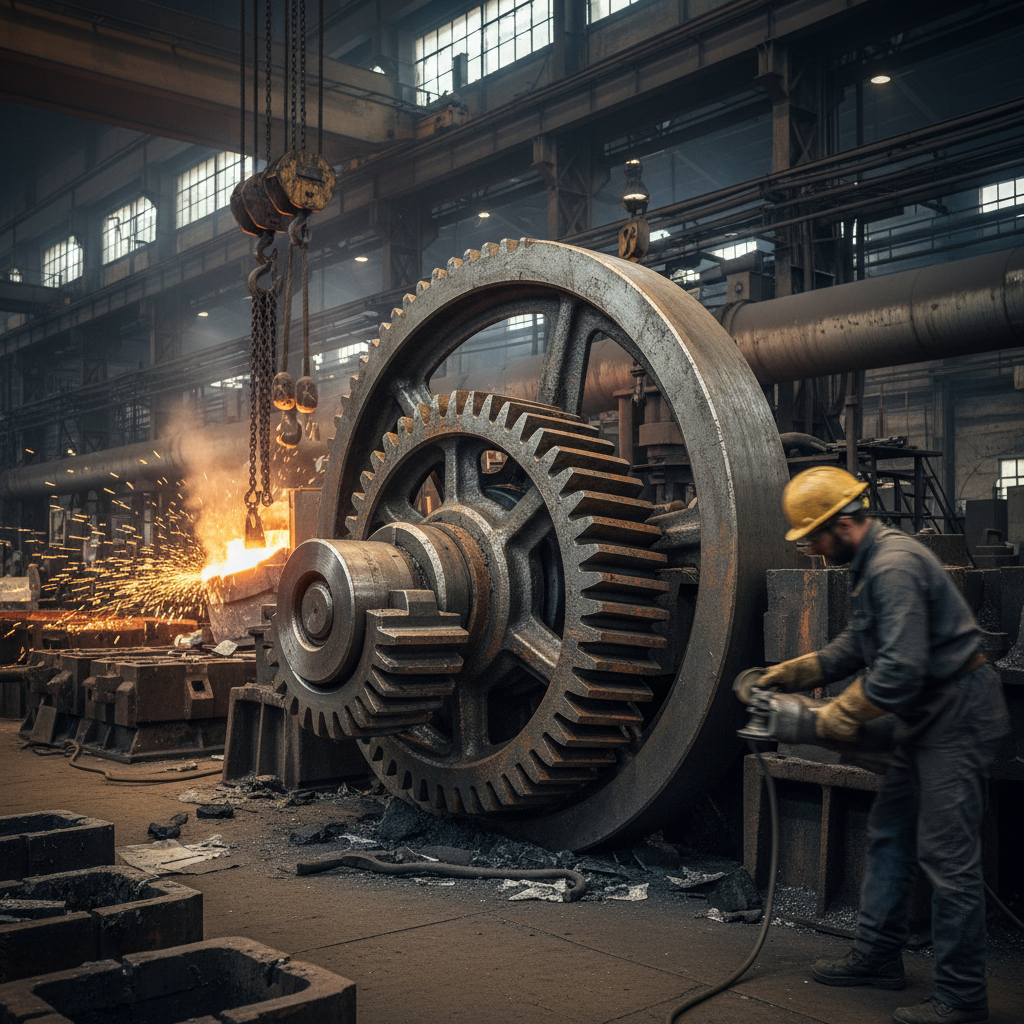
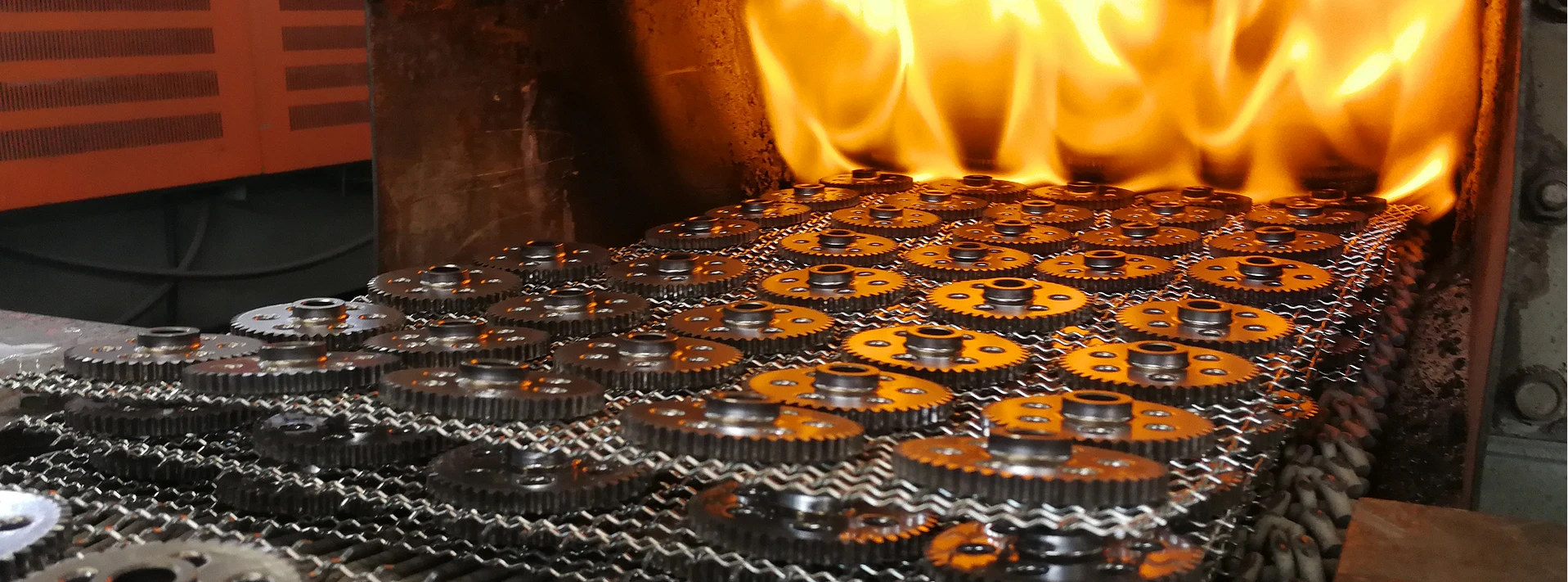
Components Manufactured by Powder Metallurgy: A Modern Engineering Revolution
The global market for components manufactured by powder metallurgy
(PM) is projected to grow at a CAGR of 6.8% through 2030, driven by demand for lightweight, high-strength parts in automotive and aerospace sectors. Unlike traditional methods, PM reduces material waste by up to 97%, making it a sustainable choice for industries prioritizing efficiency. From gears to medical implants, powder metallurgy components have redefined precision manufacturing.
Technical Superiority and Cost Efficiency
Powder metallurgy components achieve near-net-shape accuracy, minimizing post-processing. Key advantages include:
- Material Utilization: 95-99% efficiency vs. 50-60% in machining.
- Complex Geometries: Capable of producing porous structures or multi-material layers.
- Strength-to-Weight Ratio: Sintered parts exhibit 10-15% higher durability than cast equivalents.
Adoption in electric vehicles (EVs) has surged, with PM-made magnetic cores improving motor efficiency by 20%.
Manufacturer Comparison: Performance Metrics
| Manufacturer | Cost Efficiency | Production Speed | Material Waste | Client Satisfaction |
|---|---|---|---|---|
| Company A | 18% savings | 12k units/hr | 2.1% | 94% |
| Company B | 15% savings | 9.5k units/hr | 3.8% | 89% |
| Company C | 22% savings | 14k units/hr | 1.5% | 97% |
Tailored Solutions for Diverse Industries
Custom powder metallurgy components address unique requirements:
- Automotive: Sintered valve guides reducing engine wear by 40%.
- Healthcare: Biocompatible titanium implants with controlled porosity.
- Energy: Copper-tungsten contacts for high-voltage circuit breakers.
One aerospace supplier achieved a 30% weight reduction in turbine blades using gradient-density PM designs.
Application Success Stories
Case 1: A European automaker integrated PM-generated synchronizer hubs, cutting transmission noise by 8 dB. Case 2: A medical device firm reduced surgical tool production costs by 34% through PM’s minimal machining requirements.
Advancements in Material Science
Recent breakthroughs include nano-structured powders enhancing component hardness by 25%, and binder jetting technologies enabling 0.05mm tolerance. Hybrid alloys like Fe-Ni-Cu-Mo now dominate 68% of PM-based automotive applications.
Sustainable Growth for Powder Metallurgy Components
With 72% of manufacturers now prioritizing circular economy practices, components manufactured by powder metallurgy are poised to capture 18% of the global metal parts market by 2028. Innovations in recyclable powders and AI-driven sintering processes will further solidify PM’s role in next-gen manufacturing.
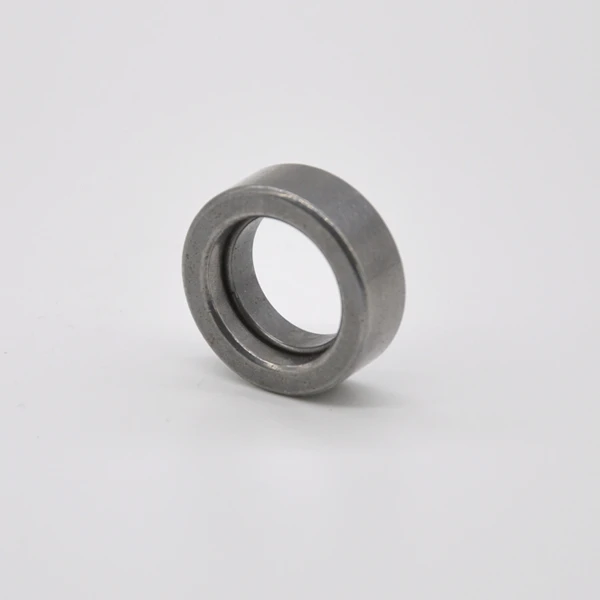
(components manufactured by powder metallurgy)
FAQS on components manufactured by powder metallurgy
Q: What are the advantages of components manufactured by powder metallurgy?
A: Powder metallurgy components offer high precision, complex shapes, and material efficiency. They reduce waste and enable cost-effective mass production. Additionally, they exhibit consistent mechanical properties due to controlled porosity.
Q: In which industries are powder metallurgy components commonly used?
A: These components are widely used in automotive, aerospace, medical, and industrial machinery sectors. They are ideal for gears, bearings, and structural parts. Their durability and lightweight properties drive their adoption.
Q: How are powder metallurgy components produced?
A: Production involves compacting metal powders into molds under high pressure, followed by sintering to bond particles. Secondary processes like machining or coating may enhance properties. This method ensures minimal material waste and tight tolerances.
Q: What limitations do powder metallurgy components have?
A: They may have lower tensile strength compared to forged parts due to residual porosity. Size and shape complexity are constrained by mold design. High initial tooling costs can also be a barrier for small batches.
Q: How is quality ensured in powder metallurgy components?
A: Quality is maintained through rigorous testing, including density checks and non-destructive methods like X-rays. Process parameters like sintering temperature are tightly controlled. Standards like ISO 9001 further ensure consistency and reliability.