




Aerospace Gear Manufacturers: Crafting the Backbone of Aviation and Beyond
When we talk about aerospace gear manufacturers, what comes to mind might be images of shiny jet engines or sleek airplanes. But in reality, these manufacturers are the unsung heroes crafting the gears and components that keep planes, spacecraft, and other critical aerospace machines running smoothly and safely. Globally, as the aerospace sector booms—driven by increasing air travel, space exploration, and defense needs—the role of dependable gear suppliers becomes all the more vital.
Why does this matter beyond the industry? Aerospace gears don’t only propel planes but also contribute to global connectivity, economic development, and even humanitarian missions such as aerial disaster relief. Understanding these manufacturers means appreciating the intersection of high-precision engineering, material science, and advanced manufacturing that impacts millions of lives worldwide.
Introduction: Navigating the Global Aerospace Gear Manufacturing Landscape
It’s no exaggeration to say that aerospace manufacturing is a pillar of modern industry. According to the Statista aerospace report, the global aerospace industry is projected to reach over $1 trillion by the mid-2020s. Within this vast ecosystem, gear manufacturers hold a crucial spot—they deliver specialized, precision-engineered components essential to aircraft functionality and safety.
However, the industry faces challenges: the demand for lighter, more durable components; increasing pressure for sustainable and cost-effective production methods; and the push for digital transformation amid supply chain complexities. Aerospace gear manufacturers must navigate regulatory hurdles, quality assurance, and global competition to meet ever-escalating standards.
What Are Aerospace Gear Manufacturers?
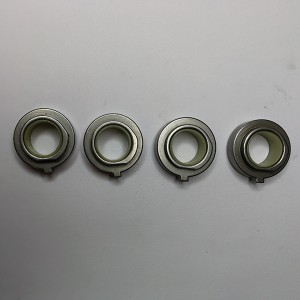
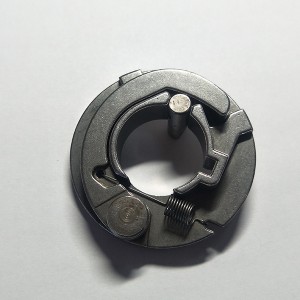
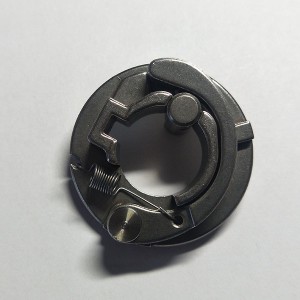
Simply put, aerospace gear manufacturers produce mechanical gears and transmission components specifically designed for aerospace applications. This isn’t about your everyday gearbox; aerospace gears must endure extreme temperatures, high stresses, and stringent reliability requirements. These components are found in aircraft engines, landing gears, helicopter rotors, aerospace vehicles, and spacecraft. They connect power sources to moving parts, ensuring smooth, efficient, and safe operations in some of the planet’s most demanding environments.
Their work is essential—not only for commercial jets and military planes but also for humanitarian logistics, such as transport to remote areas, and for advancing space exploration missions.
Key Aspects of Aerospace Gear Manufacturing
Precision Engineering and Durability
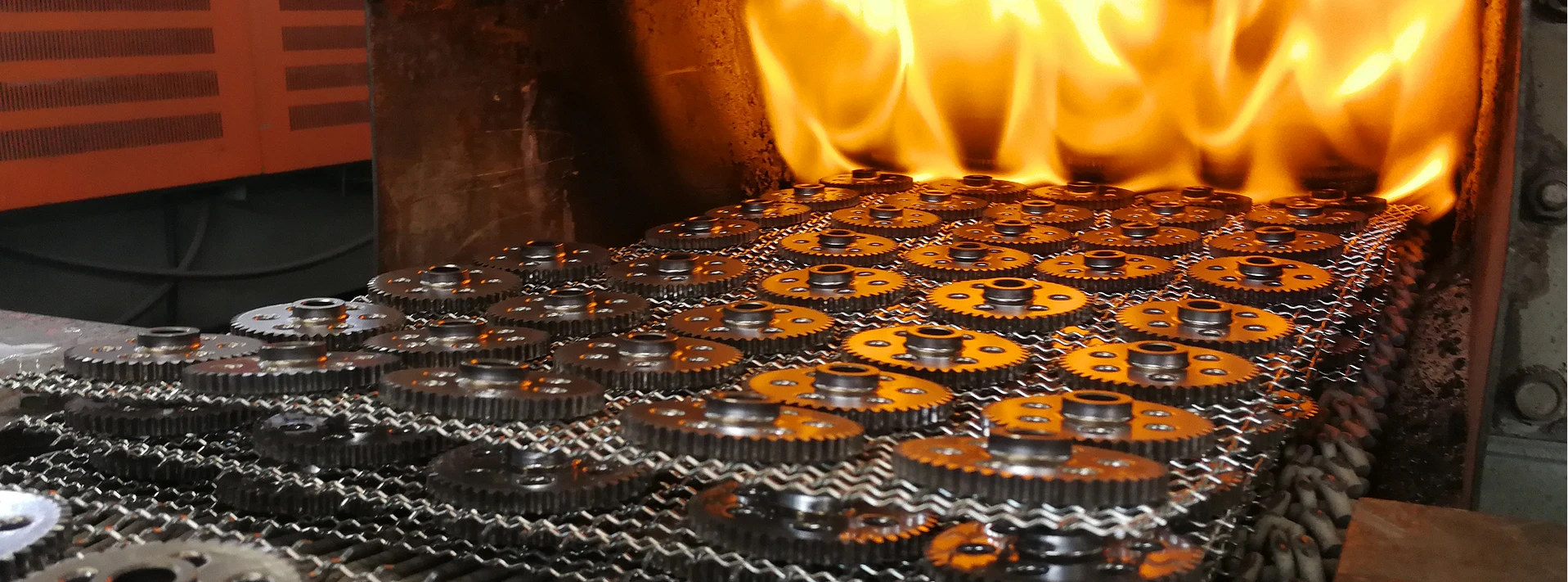
At the core, aerospace gears demand micrometer-level tolerances with exceptional strength to withstand fatigue and wear. Manufacturers often use advanced CNC machining coupled with heat treatments to enhance durability—making these gears reliable through thousands of flight hours.
Material Science and Innovation
Most aerospace components are crafted from titanium alloys, high-strength steels, or specialty composites. These materials balance strength, weight, and corrosion resistance—vital because every gram saved reduces fuel consumption and emissions.
Cost Efficiency and Scalability
Striking a balance between cost and quality is an ongoing dance. While aerospace gears require costly materials and processes, manufacturers constantly seek scalable production methods without compromising safety. Techniques like additive manufacturing (3D printing) are beginning to reshape how complex parts get made more affordably.
Quality Assurance and Compliance
Strict aviation regulations govern every gear produced. Compliance with standards like ISO 9001 and AS9100 ensures traceability, testing rigor, and batch consistency. This guarantees that gears not only perform well but also comply legally and ethically.
Customization for Diverse Applications
One size does not fit all in aerospace. Depending on the aircraft or mission profile, gearboxes and components need bespoke design adaptations. Manufacturers work closely with OEMs (original equipment manufacturers) to tailor parts, whether for drones, commercial airliners, or Mars rovers.
Product Specifications Snapshot: Typical Aerospace Gear Set
| Specification | Typical Value | Remark |
|---|---|---|
| Material | Titanium Alloy Ti-6Al-4V | High strength-to-weight ratio |
| Gear Type | Helical, Spur | For smooth and quiet operation |
| Hardness (HRC) | 60-65 | Heat-treated for wear resistance |
| Tolerance | ±0.005mm | High precision manufacturing |
| Operating Temp. | -55°C to 200°C | Wide environmental range |
Comparing Leading Aerospace Gear Manufacturers
| Manufacturer | Specialization | Advanced Tech Used | Certifications | Geographic Reach |
|---|---|---|---|---|
| Precision Aero Gears Ltd. | Turbine and rotor gears | Additive manufacturing, CNC | AS9100, ISO 9001 | North America, Europe |
| Global Aero Components | Landing gear and transmission | Smart machining, IoT-enabled QA | AS9110, NADCAP | Asia-Pacific, Middle East |
| Skyline Mechanicals | Custom aerospace transmissions | Laser hardening, precision grinding | ISO 9001, FAA approved | Global |
Global Applications and Real-World Use Cases
It’s fascinating how aerospace gear manufacturers impact a wide spectrum of ventures. In commercial aviation hubs like the United States and Europe, precise and reliable gears ensure safe air travel for millions daily. Meanwhile, in emerging markets such as India and Brazil, these components support growing air fleets and local aerospace industries.
Then there are specialty areas — for instance, aerospace gear manufacturers aiding defense contractors with helicopter transmission systems that operate in hostile environments. Oddly enough, their products even serve humanitarian missions, where aircraft deliver aid over challenging terrains after natural disasters.
A case I find compelling involves a South American NGO coordinating aerial supply drops in Amazon regions. The reliability of aerospace gears in their small transport planes was crucial to mission success, enabling safe and repeated flights in unpredictable conditions.
Advantages and Long-Term Value of Aerospace Gear Manufacturing
- Reliability: Aerospace gears undergo rigorous testing to guarantee safety and longevity, which translates into real-world trust.
- Cost-Effectiveness: Innovations in materials and manufacturing are steadily reducing lifecycle costs despite the premium nature of aerospace parts.
- Sustainability: Lightweight materials decrease fuel consumption, aligning aerospace pursuits with global green goals.
- Economic Impact: By supporting aerospace firms worldwide, these manufacturers play a role in job creation and high-tech industrial growth.
- Innovation Driver: Their collaborations help pioneer new technologies expanding beyond aerospace to automotive and robotics industries.
Ultimately, aerospace gear manufacturers not only build parts but build trust and progress. That's quite a legacy.
Emerging Trends and Innovations Transforming the Industry
The frontline of aerospace gear manufacturing is a fascinating blend of tradition and novelty. Additive manufacturing is making possible geometries once impossible to machine, saving weight and enhancing performance. Digitization—think AI-driven quality control and IoT-enabled production lines—is increasing precision and reducing errors.
Sustainability increasingly guides material choices. New composites and recycling initiatives are becoming common as aerospace gears seek carbon neutrality. Furthermore, manufacturers focus on modular, repairable gear systems, helping aircraft meet circular economy goals.
And don’t forget policy: stricter aerospace environmental regulations worldwide are pushing manufacturers toward cleaner, greener, and smarter production techniques. The landscape is as dynamic as the skies these gears power.
Facing Challenges Head-On: Solutions and Expert Insights
Despite the optimism, hurdles remain. Raw material availability can be scarce and costly. Meeting the exhaustive regulatory revisions sometimes slows innovation. The complexity of supply chains exposes manufacturers to logistical risks—especially evident during recent global disruptions.
Experts advise embracing flexible manufacturing systems, localizing supply where possible, and investing in R&D for alternative materials. Enhanced digital twins are also gaining traction to simulate gear lifecycle and reduce costly physical prototyping.
In short: being proactive rather than reactive will separate industry leaders from the rest.
FAQ: Your Top Questions About Aerospace Gear Manufacturers
- Q: What kinds of gears are most common in aerospace applications?
A: Helical and spur gears are predominant due to their smooth operation and high strength, but bevel and planetary gears are also used depending on the system’s complexity. - Q: How do aerospace gears differ from automotive gears?
A: Aerospace gears demand much tighter tolerances, higher strength-to-weight ratios, and better corrosion resistance due to extreme operating environments. - Q: Are aerospace gear manufacturers adopting green manufacturing techniques?
A: Yes, many are integrating recycled materials, energy-efficient processes, and waste reduction practices to align with global sustainability goals. - Q: Can small aerospace gear manufacturers compete internationally?
A: Absolutely. By specializing in niche technologies or custom solutions and obtaining certifications like AS9100, smaller firms carve valuable global niches. - Q: How critical is quality certification for aerospace gear suppliers?
A: It’s vital. Certifications guarantee compliance with safety and industry standards, which are mandatory in aerospace procurement.
Conclusion: Why Aerospace Gear Manufacturers Matter Today and Tomorrow
In real terms, aerospace gear manufacturers are foundational to the entire aerospace ecosystem. Their craftsmanship ensures safe flights, powers innovation, and supports industries across the globe. As the world shifts toward greener and more connected skies, these manufacturers are at the forefront, blending high-tech methods with tried-and-true engineering principles.
If you’re connected to aerospace supply chains or curious about partnering with reputable aerospace gear manufacturers, exploring the latest developments and vetted vendors is essential.
Visit our website to learn more about quality aerospace gear solutions tailored to modern requirements.
1. ISO Aerospace standards - iso.org
2. Aerospace Industry Statistics - statista.com
3. Aviation Safety and Certification - faa.gov