




Gear Makers: The Unsung Heroes of Modern Industry
The world whirs and clicks, often thanks to the humble gear - a simple device with teeth that transmit motion and force. Gear makers, the skilled artisans and engineers who design and produce these mechanical marvels, play a surprisingly vital role in countless industries worldwide. From automotive transmissions to wind turbines, the quality and precision of gears can make or break machines. Understanding gear makers is not just a matter of appreciating intricate metalwork; it’s recognizing a cornerstone of industrial progress and humanitarian applications.
Why Gear Makers Matter Globally
In 2023, the global industrial manufacturing market was estimated at several trillions of dollars, with gears constituting a critical subset of precision components driving this economy. The International Organization for Standardization (ISO) has strict standards for gears (ISO 1328 for accuracy, among others), underscoring their importance. Gear makers answer needs ranging from automotive efficiency to renewable energy solutions, such as wind turbine gearboxes that help combat climate change. Yet, despite their ubiquity, gear makers face challenges: rising raw material costs, intricate quality demands, and evolving digital manufacturing processes.
In fact, the rise of electric vehicles and Industry 4.0 demands gear makers to adapt quickly, balancing craftsmanship with automation. Oddly enough, while gears are ancient technology (dating back thousands of years), modern gear makers must remain at the cutting edge of metallurgy and CAD/CAM to meet contemporary needs.
What Exactly Are Gear Makers?
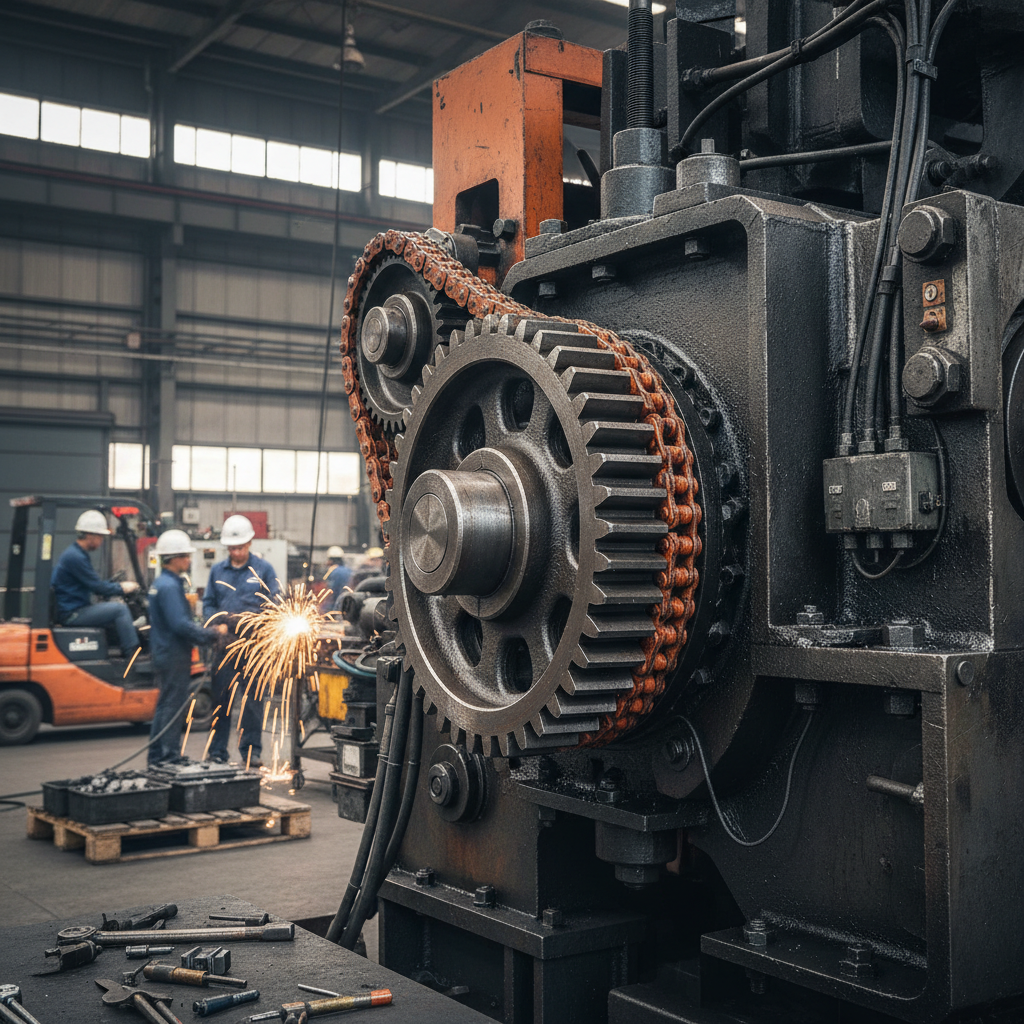
Simply put, gear makers are specialists—factories, engineers, and craftsmen—who produce gears used to transfer rotational motion and torque in machines. They range from small bespoke workshops crafting custom gears for vintage cars, to massive industrial operations manufacturing gears for helicopters or industrial robotics. Gear makers ensure these components fit tightly, last long, and operate smoothly.
Their work links raw materials like steel alloys with modern tools and processes. In humanitarian contexts, gear makers might supply gears for water pumps in remote villages or for emergency rescue equipment. It’s a fascinating blend of traditional metalworking skills with modern engineering demands.
Key Aspects of Gear Making
1. Precision and Durability
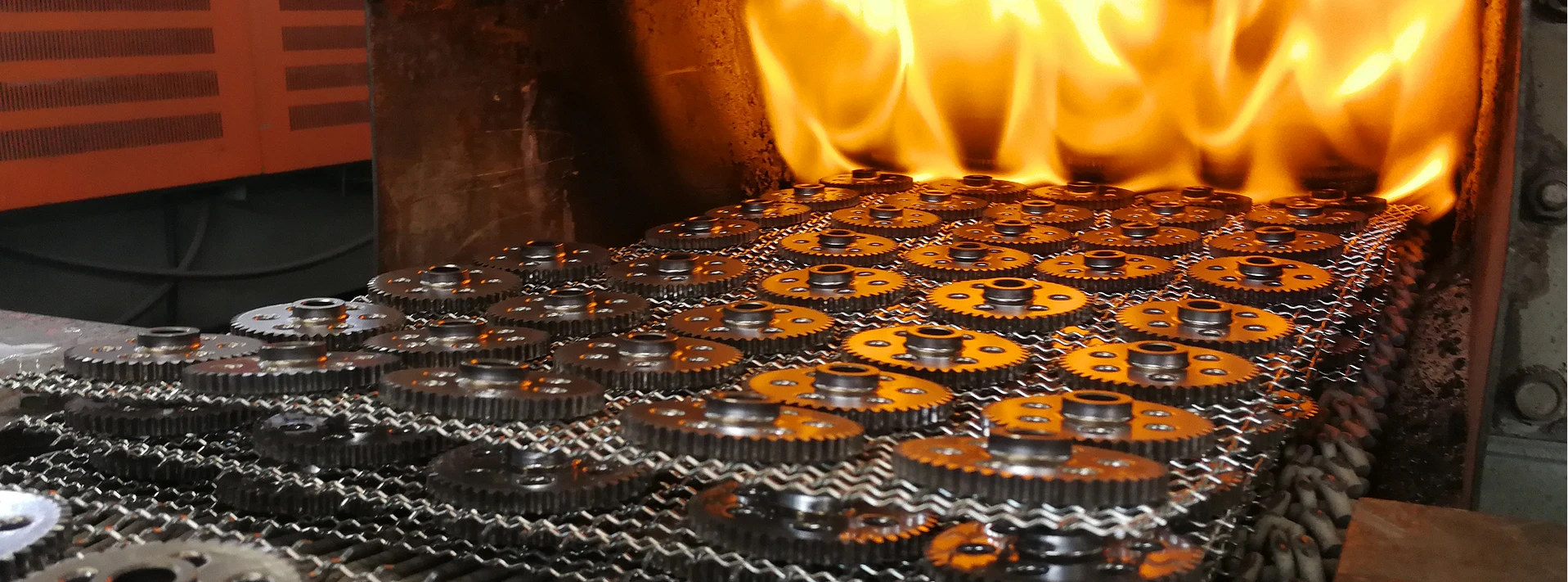
Gears must fit exactly to transmit motion without noise or wear. Achieving axial alignment and tooth geometry within microns is crucial. Materials are often hardened alloys, sometimes treated with coatings for corrosion resistance. Durability isn’t just about longevity—it’s about safety in high-stress applications.
2. Scalability of Production
Whether producing a few custom gears or thousands of identical parts, gear makers must balance tooling investment with flexibility. Automated CNC machines help scale production without sacrificing quality, but small batch jobs remain common for specialized fields.
3. Cost Efficiency
Raw materials like steel have fluctuating prices, and the precision required pushes labor and energy costs up. Efficient designs that minimize wasted material and streamline manufacturing steps help keep costs manageable.
4. Innovation in Materials and Design
Recent advances include polymer gears for light-load applications, surface treatments for wear resistance, and additive manufacturing for complex shapes. Gear makers often collaborate with material scientists to push boundaries.
5. Compliance and Standards
Meeting ISO standards or customer-specific requirements guarantees interoperability and reliability. This compliance can open or close doors in sensitive industries like aerospace or medical devices.
Real-World Applications of Gear Makers
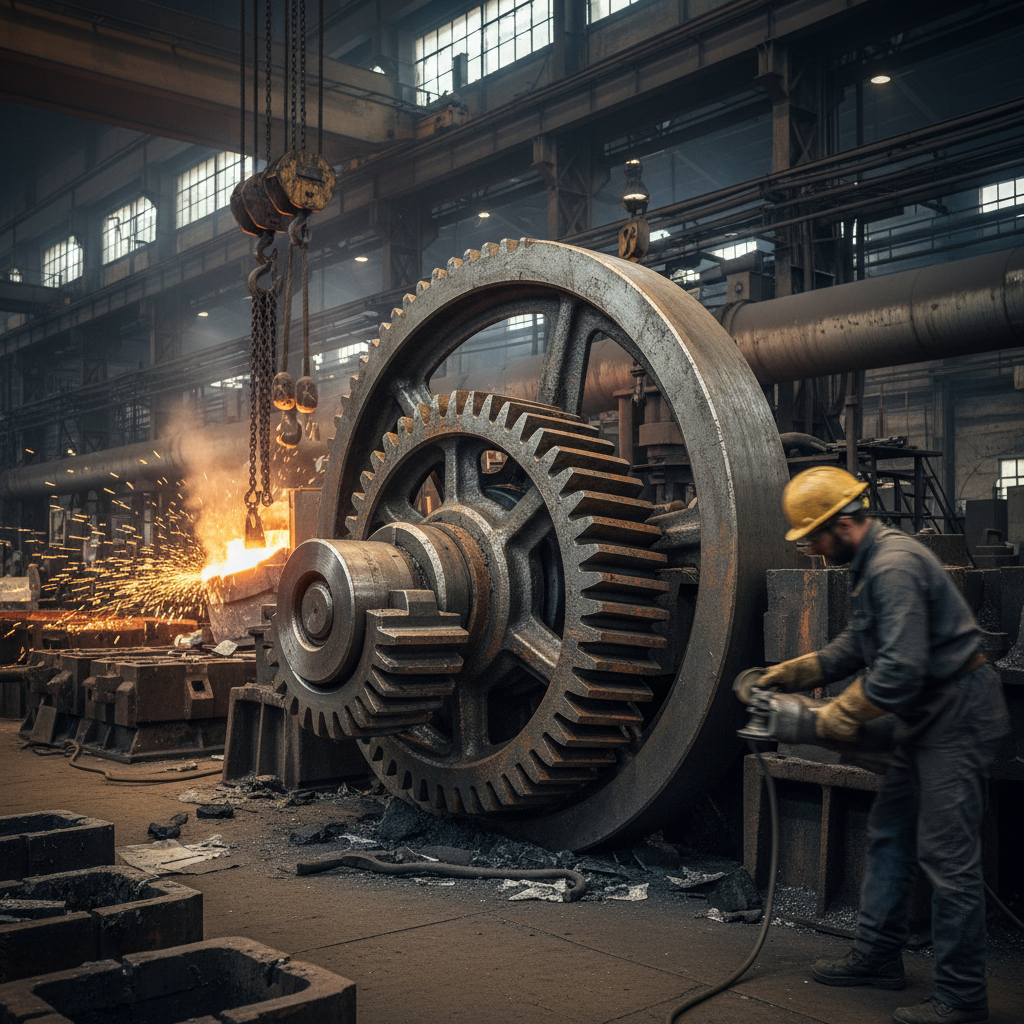
Industries rely on gear makers extensively. Automotive manufacturers demand gears for transmissions and engines globally, with major hubs in Germany, Japan, and the USA. In renewable energy, wind turbines feature massive gearbox assemblies engineered by leading gear makers in Europe and China.
In remote industrial zones—say, mining operations in Australia or oil rigs in the Gulf—a gear failure can halt costly operations, so quality from competent gear makers matters immensely. Humanitarian organizations also depend on rugged gears for water pumps and medical machinery in disaster zones.
For example, during the 2022 floods in Southeast Asia, rapid deployment of pumps with reliable gearbox assemblies helped restore water supply to millions swiftly.
Inline Product Specification Table: Typical Industrial Gear Parameters
| Specification | Range/Value | Notes |
|---|---|---|
| Material | Alloy Steel, Stainless Steel, Polymer | Depends on load & environment |
| Module (Gear Tooth Size) | 0.5 – 10 mm | Small to large scale gears |
| Hardening Process | Case Hardening, Induction Hardening | For wear resistance |
| Tolerance Level | ISO 1328 Grade 5 - 8 | Higher grades = higher precision |
| Batch Size | 1 — 100,000 units+ | Varies by application |
Vendor Comparison: Leading Gear Makers
| Manufacturer | Capabilities | Key Industries | Lead Time | Certifications |
|---|---|---|---|---|
| JSS Precision Gears | Custom CNC milling, heat treatment | Automotive, Aerospace, Industrial | 4-6 weeks | ISO 9001, ISO 1328 |
| Global Gearworks | Large-scale production, additive manufacturing | Wind Energy, Heavy Machinery | 6-8 weeks | ISO 14001, ISO 17296 |
| ProGear Innovations | Rapid prototyping, polymer gears | Medical Devices, Robotics | 2-4 weeks | ISO 13485, ISO 9001 |
Advantages & Long-Term Value of Quality Gear Makers
Choosing reliable gear makers delivers more than just parts—it confers reassurance and longevity. High-grade gears reduce the risk of unexpected downtime, saving costs and boosting safety. In humanitarian tech, durable gears maintain critical equipment operating in harsh conditions, affecting lives directly.
Besides technical reliability, trust in a gear maker’s processes—certifications, testing, and customer support—builds enduring partnerships. Innovation in eco-friendly materials also ties gear manufacturers to sustainability goals, reducing environmental impact even in intensive industries.
Emerging Trends & Innovations in Gear Technology
Manufacturers now embrace digital transformation: gear design increasingly uses AI-driven simulation to refine tooth profiles and durability predictions. Automation in production lines boosts throughput and lowers human error.
Green technologies are reshaping gear materials—from lightweight composites to recyclable polymers—especially for electric vehicles and clean energy equipment. Additive manufacturing (3D printing) offers customization potentials unheard of a decade ago, enabling complex geometries at minimal waste.
Challenges & How Gear Makers Are Overcoming Them
Raw material price volatility remains a thorn, complicating cost planning. Stricter environmental regulations demand greener production, pushing makers toward cleaner energy and less waste. Additionally, skilled labor shortages call for more automation and training programs.
Innovative approaches include collaboration between gear makers and material scientists to create alloys that perform better and last longer, while smart factories integrate sensors for real-time quality assurance. Some gear makers partner with gear makers specializing in sintered components to achieve optimal lightness and strength.
FAQ About Gear Makers
- Q: How do gear makers ensure durability in high-load applications?
A: They select high-grade alloy steels, apply heat treatments like case hardening, and adhere to ISO precision standards. Testing for wear and fatigue ensures long-lasting performance. - Q: Can gear makers provide custom gears for niche industries?
A: Yes, many specialize in low-volume, high-precision gears tailored to specific needs such as robotics, aerospace, or vintage vehicle restoration. - Q: Are polymer gears a viable alternative to metal ones?
A: For low-load or quieter applications, polymer gears reduce weight and cost. However, they typically can’t match metal gears’ load capacity or heat resistance. - Q: How has digitalization impacted gear manufacturing?
A: Digital tools enable precise 3D modeling, simulations, and automation, improving quality and reducing lead times. - Q: What role do certifications play in selecting a gear maker?
A: Certifications like ISO 9001 or ISO 1328 confirm adherence to quality and manufacturing standards, building trust especially for critical or regulated industries.
In Conclusion: The Vital Role of Gear Makers in Today’s World
Gear makers quietly power much of the machinery that drives our daily lives and global industries. Their expertise ensures machines run smoothly, reliably, and more sustainably. For businesses or organizations seeking precision gears, partnering with experienced gear makers is a long-term investment in quality and innovation. To learn more about customized gear solutions and cutting-edge manufacturing, visit gear makers and take your projects to the next level.
It’s remarkable how a small toothed wheel can symbolize so much human ingenuity and progress.
Reflection: Next time you hear a whirr or a tick in a machine, think of the gear makers behind that seamless motion. Their craft and dedication shape the future of tech and sustainability alike.