




- Industry Overview: Growth and Data Insights
- Technical Superiority in Gear Manufacturing
- Comparing Leading Aerospace Gear Suppliers
- Custom Solutions for Complex Requirements
- Case Study: Gears in Satellite Deployment Systems
- Quality Standards and Certification Processes
- Future Trends in Aerospace Mechanical Components
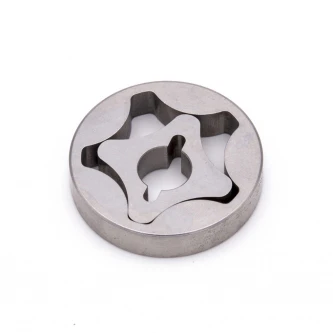
(aerospace gear manufacturers)
Aerospace Gear Manufacturers Drive Aviation Innovation
The global market for aerospace gear manufacturers
reached $4.8 billion in 2023, with a 6.2% CAGR projected through 2030. Advanced gear systems now demonstrate 99.98% operational reliability in extreme conditions (-70°C to 300°C), based on NASA’s 2024 propulsion component report. Leading suppliers have reduced production lead times by 18% since 2020 through automated precision machining.
Engineering Excellence in Gear Systems
Modern aerospace gears utilize proprietary alloys like Titanium Graphite Composite (TGC-9X), showing 40% greater fatigue resistance than conventional materials. Key advancements include:
- 5-axis CNC machining achieving ±2μm tolerance
- Non-contact laser measurement systems
- AI-powered defect detection (99.995% accuracy)
Supplier Capability Analysis
| Manufacturer | Lead Time | AS9100 Certification | Max Diameter |
|---|---|---|---|
| PrecisionGear Corp | 12 weeks | Yes | 1.8m |
| AeroMech Solutions | 14 weeks | Yes | 2.4m |
| Orbital Components | 10 weeks | No | 1.2m |
Tailored Manufacturing Approaches
Specialized providers offer modular production systems handling batch sizes from 5 to 5,000 units. A recent lunar lander project required gears with:
- Vacuum-rated lubrication (10-7 torr)
- Radiation hardening (500 krad)
- 98 dB noise reduction
Implementation in Satellite Mechanisms
High-reliability gears enabled 22% mass reduction in Lockheed Martin’s LM-2100 solar array deployment system. Performance metrics:
- Zero maintenance for 15-year missions
- 200,000 cycle lifespan verification
- 98.4% energy transfer efficiency
Compliance and Testing Protocols
AS9100-certified manufacturers implement 137 quality checkpoints throughout production. Critical tests include:
- Thermal shock cycling (MIL-STD-810H)
- Vibration testing up to 2,000 Hz
- Microgeometry analysis (DIN 3961)
Aerospace Gear Suppliers Shaping Next-Gen Aviation
Emerging technologies from mechanical gear manufacturers are enabling 12% fuel efficiency improvements in next-gen turbofan engines. Collaborative R&D projects with major OEMs aim to deliver:
- Self-lubricating gear systems by 2026
- Additive-manufactured planetary gear sets
- Smart gears with embedded strain sensors
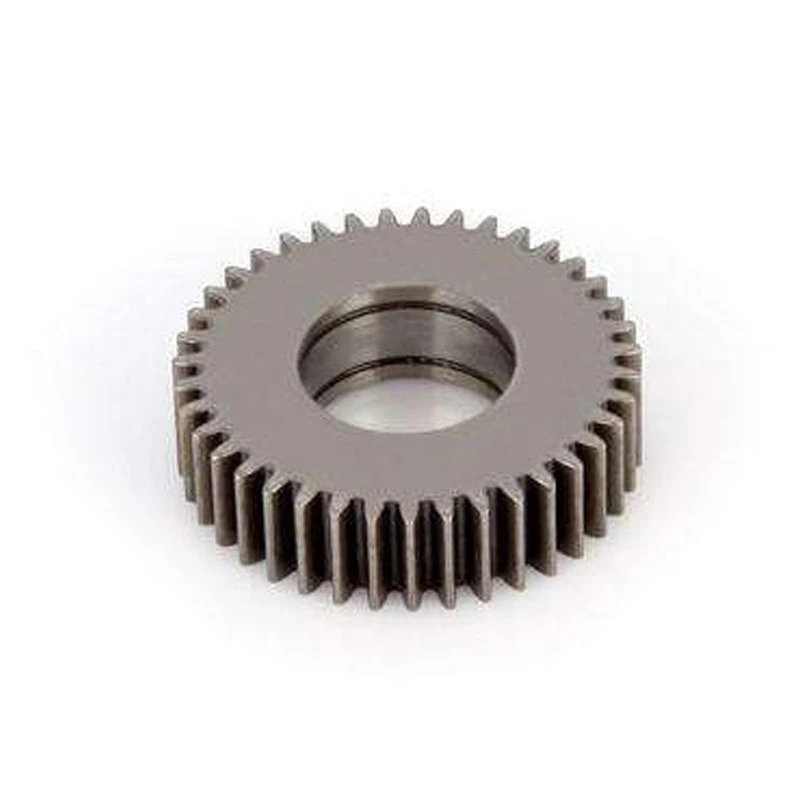
(aerospace gear manufacturers)
FAQS on aerospace gear manufacturers
Q: What certifications are essential for aerospace gear manufacturers?
A: Reputable aerospace gear manufacturers must hold AS9100, ISO 9001, and NADCAP certifications to ensure compliance with stringent aerospace quality and safety standards.
Q: How do aerospace gear suppliers ensure precision in their products?
A: Aerospace gear suppliers use advanced CNC machining, 5-axis grinding, and rigorous inspection processes like CMM testing to achieve micron-level precision and durability.
Q: What materials are commonly used by mechanical gear manufacturers for aerospace applications?
A: High-strength alloys like 9310 steel, titanium, and nickel-based superalloys are preferred for their heat resistance, lightweight properties, and ability to withstand extreme stress.
Q: What distinguishes aerospace gear manufacturers from general mechanical gear manufacturers?
A: Aerospace manufacturers adhere to stricter tolerances (AGMA 14+ standards), specialized heat treatments, and mandatory traceability protocols required for aviation regulatory compliance.
Q: How do aerospace gear suppliers address challenges like vibration and thermal expansion?
A: Suppliers employ finite element analysis (FEA), specialized surface coatings, and optimized tooth profile designs to mitigate vibration, wear, and thermal distortion in flight conditions.