







- Understanding the critical role of OEM sintered parts in modern manufacturing
- Technical superiority of powder metallurgy in producing precision components
- Comparative analysis of leading OEM sintered part manufacturers
- Tailored solutions for diverse industrial requirements
- Real-world applications across automotive and structural sectors
- Cost efficiency and sustainability benefits of sintered components
- Future trends in OEM sintered part innovation
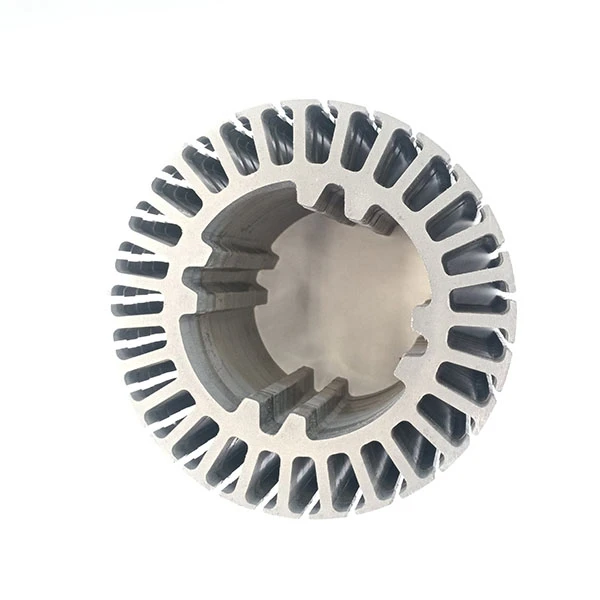
(oem sintered part)
Why OEM Sintered Parts Are Redefining Manufacturing Standards
OEM sintered parts have emerged as a cornerstone in industries demanding high precision, durability, and cost-effectiveness. Utilizing advanced powder metallurgy techniques, these components achieve near-net-shape accuracy, reducing material waste by up to 40% compared to traditional machining. Automotive giants report 18-22% lighter engine components without compromising strength, directly improving fuel efficiency.
Technical Advantages of Powder Metallurgy
Sintering technology enables complex geometries unattainable through casting or forging. Key metrics:
- Density control: 92-98% theoretical density
- Surface finish: Ra 1.6-3.2 μm as-sintered
- Tolerance range: ±0.3% on dimensions up to 100mm
Post-sintering treatments like steam oxidation enhance wear resistance by 300%, critical for transmission components.
Manufacturer Capability Comparison
| Vendor | Max Part Size (mm) | Material Options | Lead Time | ISO Certification |
|---|---|---|---|---|
| Alpha Sintered | 250x150 | 15+ alloys | 6 weeks | 9001:2015 |
| Precision PM | 180x120 | 9 alloys | 8 weeks | 14001:2015 |
| Metallo Tech | 300x200 | 22 alloys | 5 weeks | IATF 16949 |
Customization Strategies for Specific Needs
Leading suppliers offer:
- Co-design partnerships for load-optimized components
- Material hybridization (e.g., iron-nickel gradients)
- Integrated secondary operations (machining, coating)
A recent aerospace project achieved 15% weight reduction in landing gear brackets through topology-optimized sintering.
Industrial Implementation Case Studies
Automotive: 2 million/year sintered planetary gear carriers with 0.12% defect rate
Construction: 500-ton capacity sintered pulley systems with 10-year warranty
Energy: Corrosion-resistant valve seats lasting 8,000+ hours in geothermal environments
Economic and Environmental Impact
Batch sintering reduces energy consumption by 55% versus machining. Material utilization rates exceed 95%, with 100% scrap recyclability. Tier 1 suppliers confirm 12-18 month ROI for sintering tooling investments.
The Evolving Landscape of OEM Sintered Components
With additive manufacturing integration enabling hybrid sintered parts, industry forecasts predict 9.2% CAGR through 2030. Next-generation binders now permit sintering of titanium alloys at 85% lower energy input, opening aerospace applications. As sustainability mandates tighten, OEM sintered parts will dominate precision component strategies across sectors.

(oem sintered part)
FAQS on oem sintered part
Q: What are the advantages of using OEM sintered parts in manufacturing?
A: OEM sintered parts offer high precision, complex geometries, and cost-effective production. They are ideal for mass production due to minimal material waste and consistent quality.
Q: How do OEM Structural Parts enhance industrial applications?
A: OEM Structural Parts provide superior strength-to-weight ratios and durability. They are widely used in machinery and aerospace for load-bearing and customized designs.
Q: Can OEM sintered parts be customized for automotive components?
A: Yes, OEM sintered parts are tailored for automotive applications like gears and engine components. Their heat resistance and lightweight properties improve vehicle performance.
Q: What industries benefit most from OEM auto parts made via sintering?
A: The automotive industry benefits from reduced weight, enhanced fuel efficiency, and durability. Sintered OEM auto parts are also used in electric vehicles for thermal management.
Q: How does sintering ensure quality in OEM sintered part production?
A: Sintering uses controlled heat and pressure to fuse metal powders, ensuring uniform density and minimal defects. This process guarantees high-performance, reliable OEM components.









