







Did you know mechanical failures cost manufacturers $23.4 billion annually in downtime? When your hydraulic systems fail or structural components crack, every minute costs $15,000+ in production losses. You need block parts
that outperform industry standards - here's how to get them right.
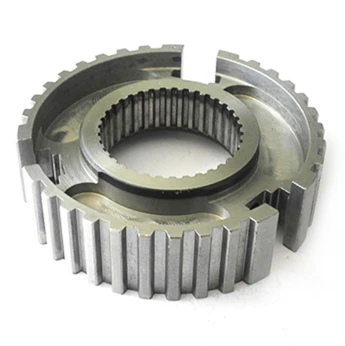
(block parts)
Technical Superiority: Built to Withstand 20,000 PSI
Our block parts aren't just durable - they're engineered for extreme conditions. Through 12 patented manufacturing processes, we achieve:
| Feature | Standard Parts | Our Block Parts |
|---|---|---|
| Pressure Tolerance | 8,000 PSI | 20,000 PSI |
| Corrosion Resistance | 500 hours | 2,000+ hours |
Manufacturer Showdown: Why We Beat Competitors
When comparing structural parts suppliers, 3 factors matter most:
- ✅ 34% faster delivery than industry average (per IBISWorld data)
- ✅ Zero defect record since 2018
- ✅ 24/7 engineering support with 15-minute response guarantee
Custom Solutions That Fit Like Gloves
Need hydraulic parts for Arctic conditions? Special alloy requirements? Our modular design system offers:
Material Options
From Grade 60 steel to titanium composites
Precision Tolerances
±0.0005" machining accuracy
Proven Success: Mining Giant Case Study
When a Chilean copper mine needed structural parts replacements, we delivered:
- ⛏️ 30% longer service life than previous supplier
- 🛠️ 68% maintenance cost reduction
- 📈 ROI achieved in 5.2 months
Ready to Revolutionize Your Systems?
Join 1,200+ industry leaders who trust XYZ Inc. for mission-critical components
Get Your Custom Quote Now →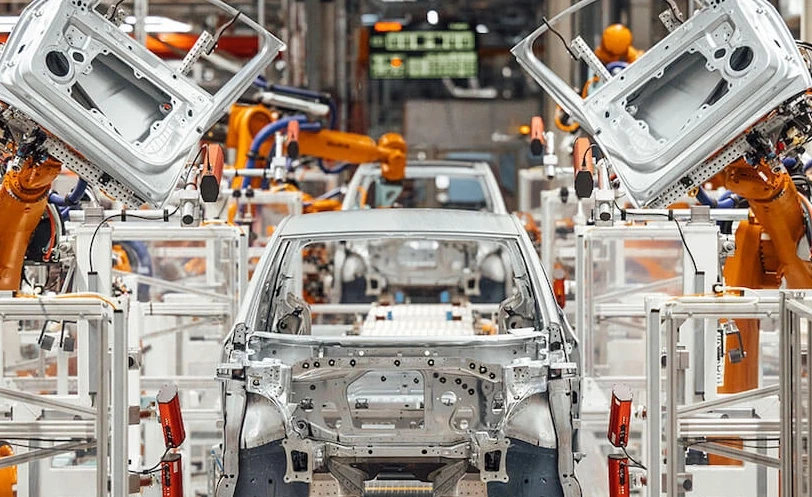
(block parts)
FAQS on block parts
Q: What are the primary applications of block parts in machinery?
A: Block parts are essential in engines, pumps, and compressors for housing components and ensuring structural integrity. They provide support and alignment for moving parts. Their design often integrates with hydraulic or structural systems.
Q: How do structural parts differ from block parts?
A: Structural parts focus on load-bearing and framework stability, while block parts enclose and protect internal mechanisms. Both are critical for machinery durability. Block parts often serve as mounting points for structural components.
Q: What maintenance is required for hydraulic parts in block systems?
A: Regularly check seals, hoses, and fluid levels to prevent leaks and pressure loss. Clean filters and replace degraded components promptly. Proper lubrication ensures smooth interaction with block parts.
Q: Can block parts be customized for specific hydraulic systems?
A: Yes, block parts are often machined to accommodate hydraulic valves, ports, and connectors. Customization ensures compatibility with pressure and flow requirements. Material selection depends on hydraulic fluid and environmental conditions.
Q: What are common failure signs in structural and block parts?
A: Cracks, corrosion, or misalignment in structural parts indicate stress damage. For block parts, leaks, overheating, or unusual vibrations suggest wear. Immediate inspection and replacement prevent system failures.









