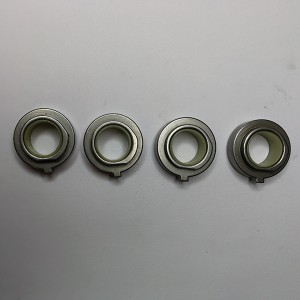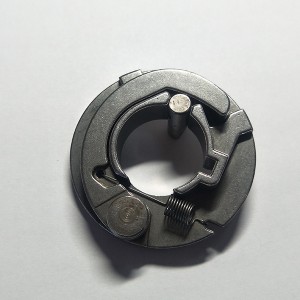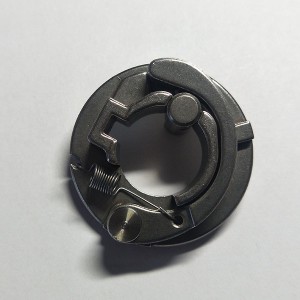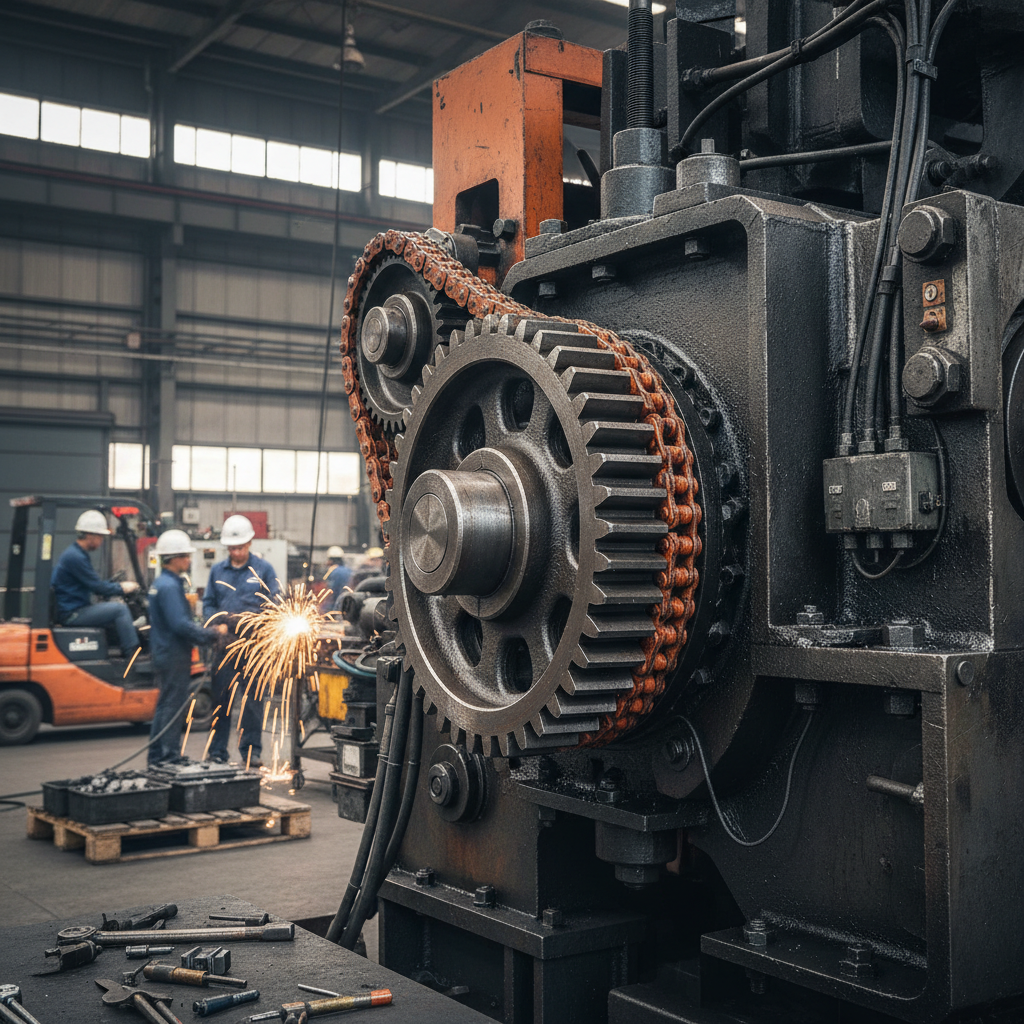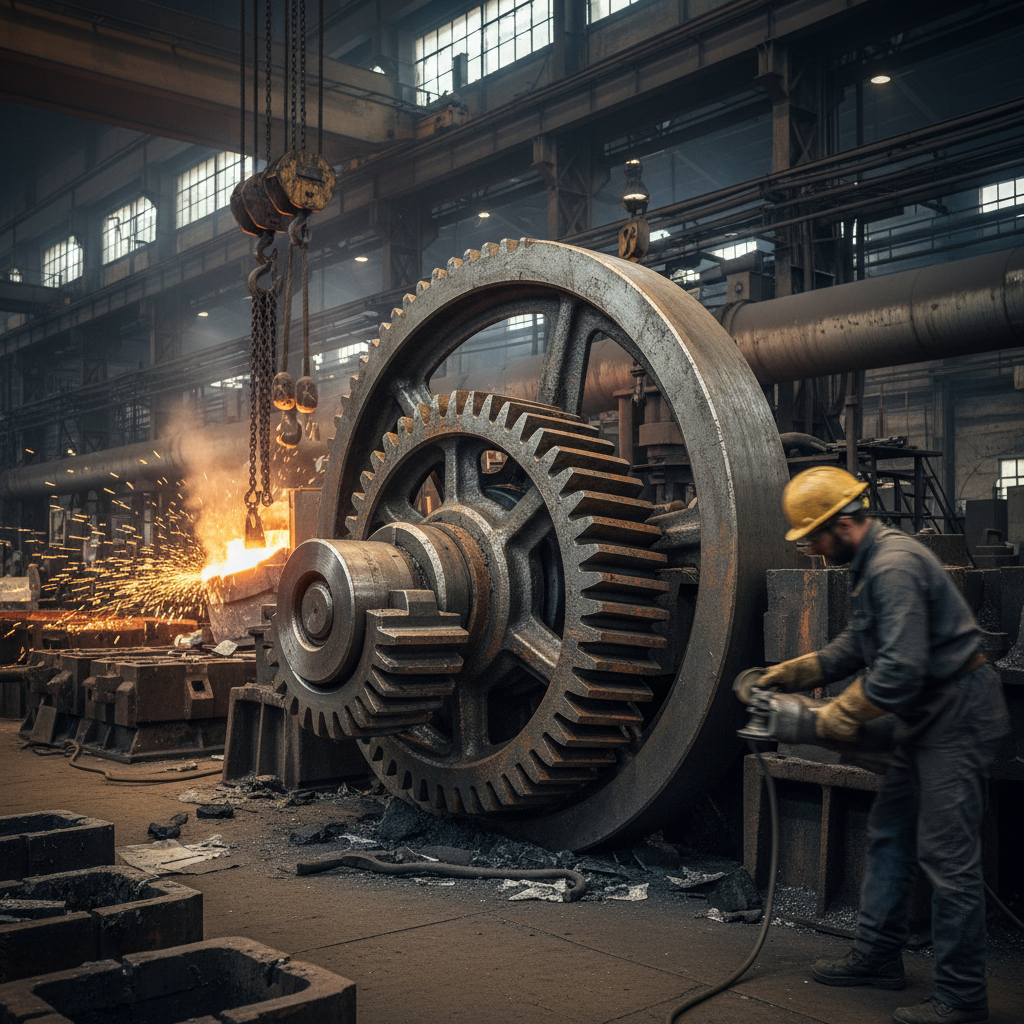





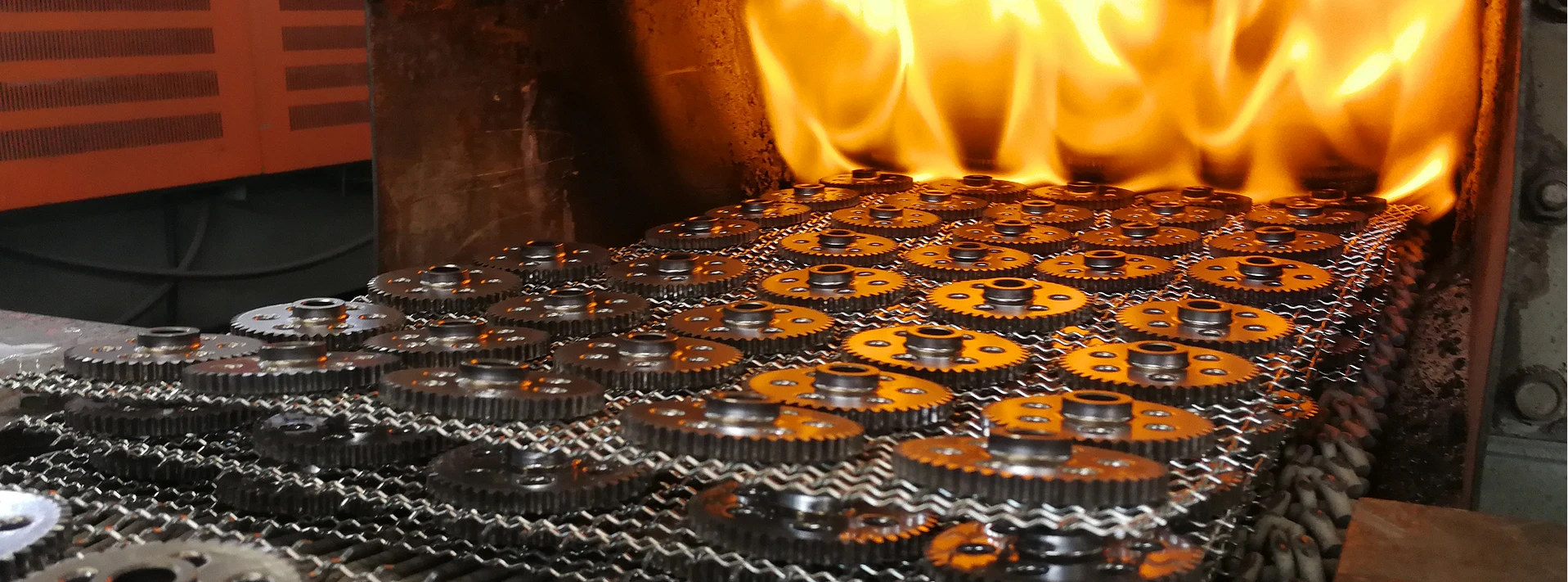
Did you know 35% of manufacturing costs come from material waste? Traditional gear cutting methods scrap up to 40% of metal stock. But what if you could slash waste to just 5% while achieving ±0.02mm precision? Powder metallurgy gear manufacturing is transforming the industry – and your bottom line.
(gear manufacturing by powder metallurgy)
Technical Superiority: Precision Meets Efficiency
Powder metallurgy gear manufacturing delivers 95% material utilization versus 60% in hobbing. Our process creates net-shape components with:
- Density: 7.4 g/cm³ (±0.1%)
- Surface finish: Ra 0.8-1.6 μm
- Tooth profile accuracy: AGMA Q10
Head-to-Head: Why We Outperform Competitors
| Feature | XYZ Tech | ABC Industries |
|---|---|---|
| Lead Time | 15 days | 28 days |
| Cost/Sprocket | $8.50 | $12.75 |
Custom Solutions for Your Unique Needs
Need helical gears with 45° helix angles? Complex splines with 120 teeth? Our powder metallurgy part manufacturing handles:
- Gear sizes: 5mm-300mm diameter
- Materials: FN-0205, SS-316L, Custom Alloys
- Secondary ops: Heat treatment, coating, machining
Proven Success: Automotive Transmission Case Study
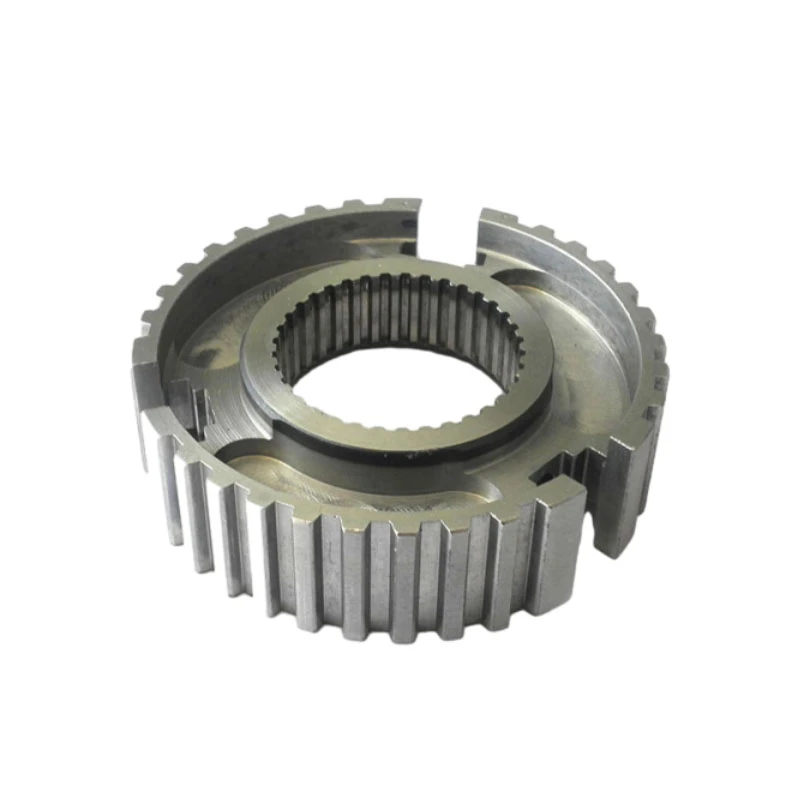
When a Tier 1 supplier needed 2 million synchronizer gears annually, we delivered:
- 35% cost reduction vs. CNC machining
- 0.003mm concentricity tolerance
- 99.98% defect-free rate
Ready to Revolutionize Your Gear Production?
Join 500+ manufacturers who boosted profits with powder metallurgy. Get your free feasibility analysis and 5-piece sample batch today!

(gear manufacturing by powder metallurgy)
FAQS on gear manufacturing by powder metallurgy
Q: What are the advantages of gear manufacturing by powder metallurgy?
A: Powder metallurgy enables cost-effective mass production, high material utilization, and the ability to create complex gear geometries with minimal waste. It also ensures consistent mechanical properties and reduces post-processing needs.
Q: How does powder metallurgy gear manufacturing differ from traditional methods?
A: Unlike machining or casting, powder metallurgy compacts metal powders into near-net-shape gears, eliminating material waste and enabling precise control over density and porosity for tailored performance.
Q: What materials are commonly used in powder metallurgy part manufacturing for gears?
A: Common materials include iron, steel, stainless steel, and copper-based alloys. These powders are selected for their compressibility, sintering behavior, and ability to meet strength and wear-resistance requirements.
Q: What industries typically use gears produced via powder metallurgy?
A: Automotive (e.g., transmissions, engines), appliances, power tools, and industrial machinery industries rely on powder metallurgy gears due to their durability, precision, and cost efficiency.
Q: How is quality ensured in powder metallurgy gear manufacturing?
A: Quality is maintained through strict control of powder composition, compaction pressure, sintering conditions, and secondary operations like heat treatment or surface finishing to meet dimensional and performance standards.