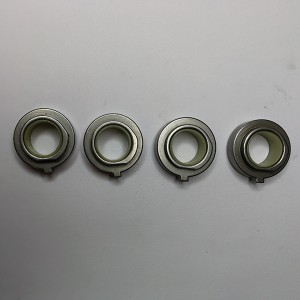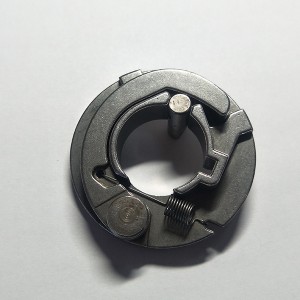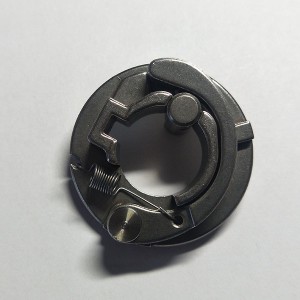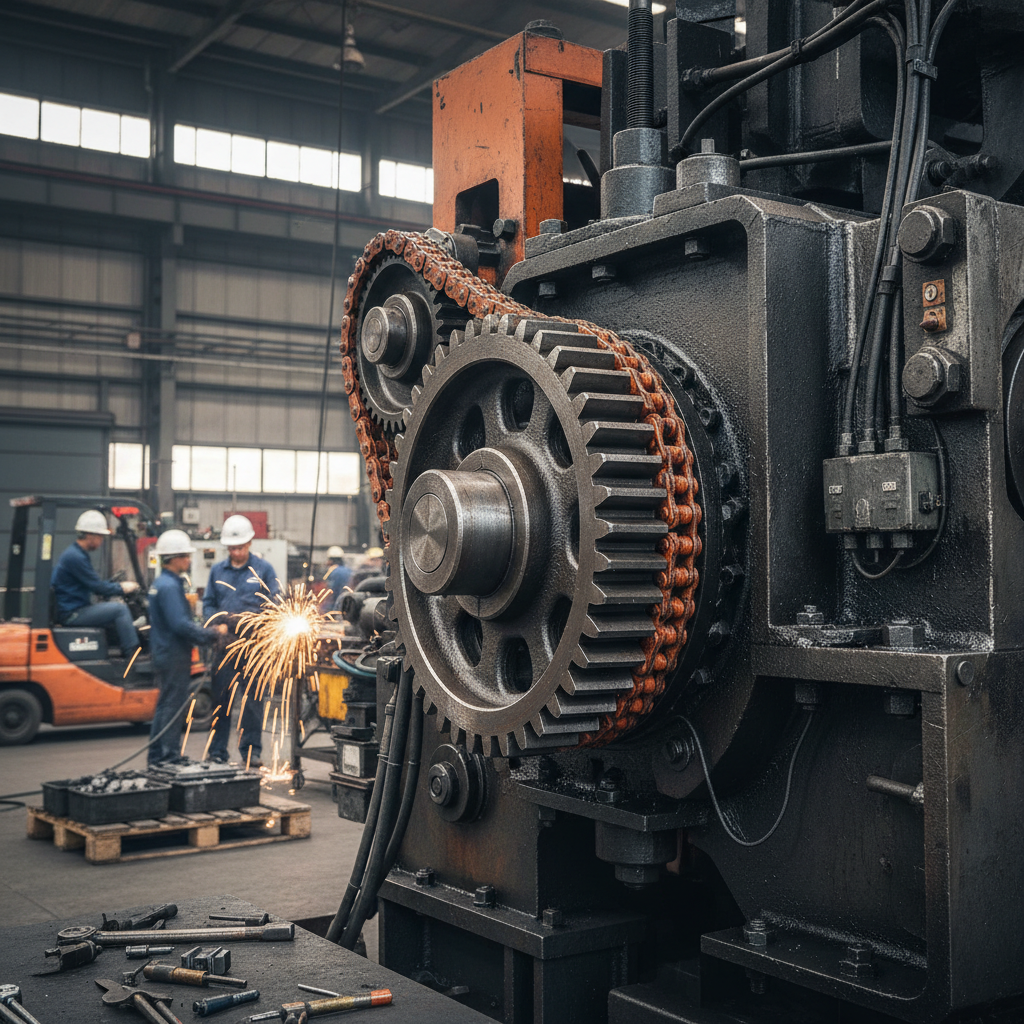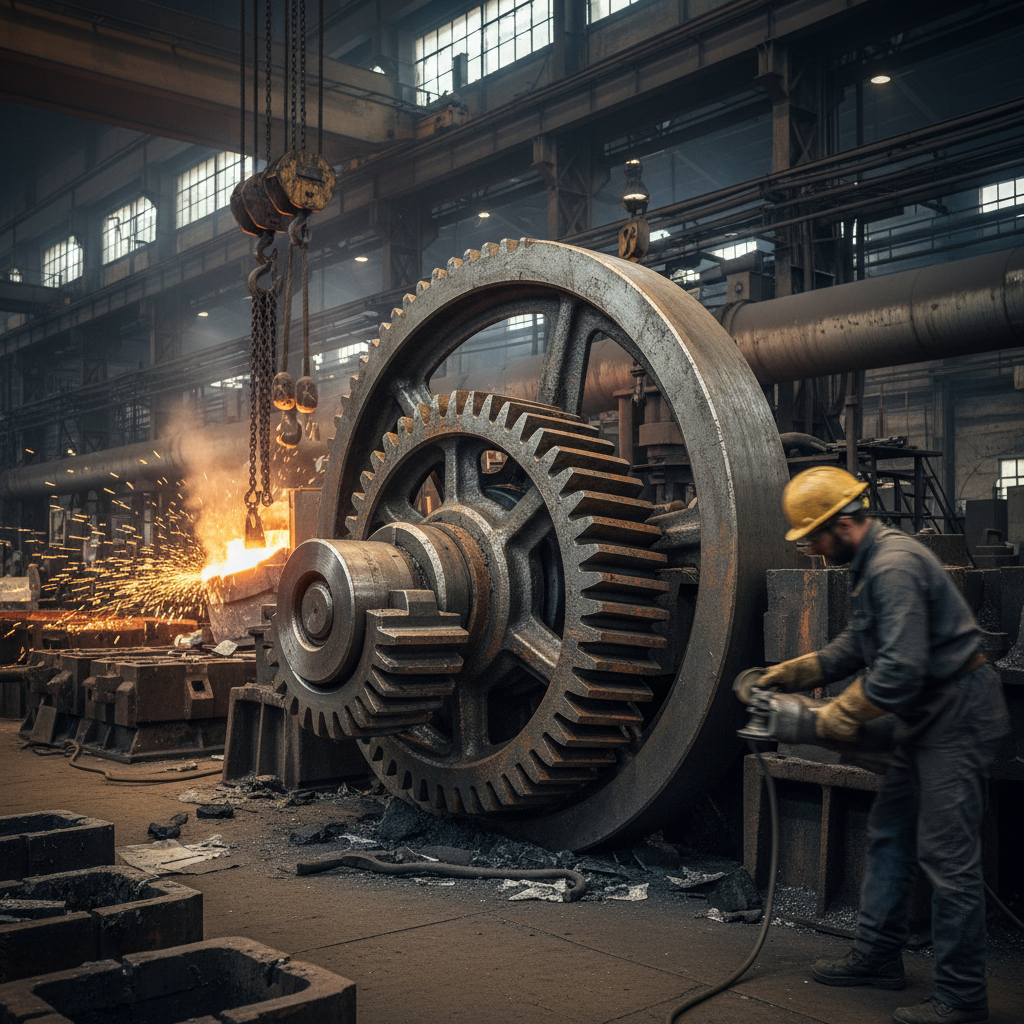





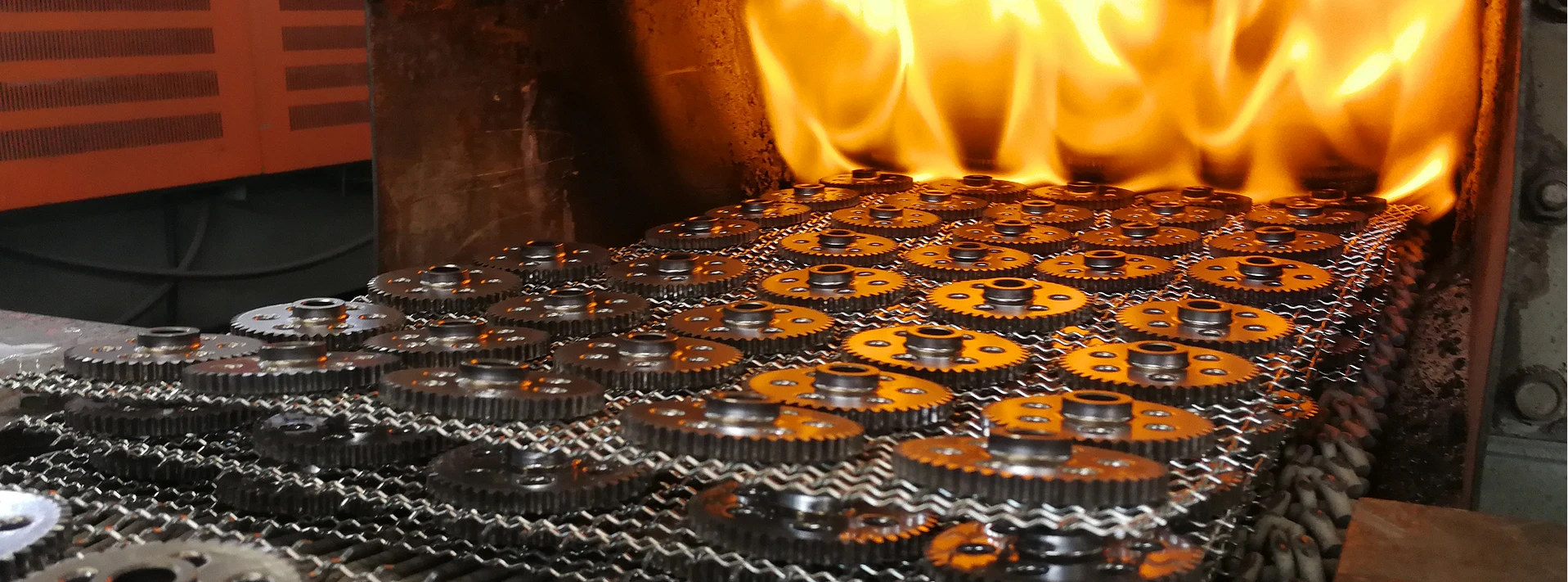
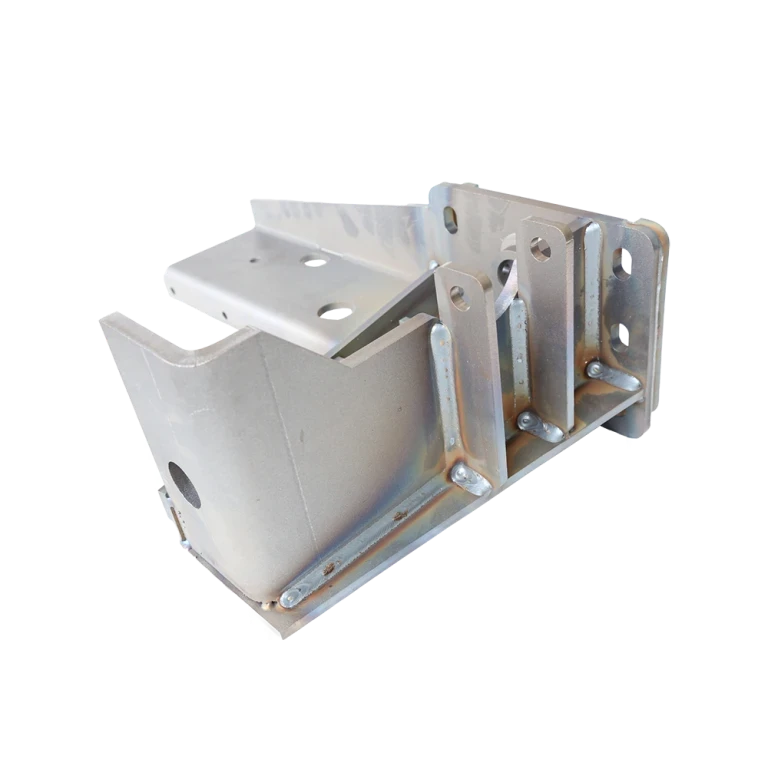
(components manufactured by powder metallurgy)
Outline
- Introduction to Advanced Manufacturing Technology
- Performance Metrics and Material Efficiency Metrics
- Engineering Advantages Over Conventional Methods
- Global Supplier Capability Comparison
- Customization Parameters for Specialized Requirements
- Industry-Specific Implementation Successes
- The Future Trajectory for Components Manufactured by Powder Metallurgy
The Transformative Power of Components Manufactured by Powder Metallurgy
Modern engineering increasingly relies on powder metallurgy (PM) for creating high-performance components with exceptional precision. This advanced manufacturing process transforms metal powders into net-shape parts through compaction and sintering, delivering distinct advantages for mass production. Components manufactured by powder metallurgy now constitute approximately 70% of all automotive transmission parts globally, demonstrating the technology's industrial significance. Unlike machining processes that remove up to 40% of raw material, PM typically wastes just 3-5% of feedstock, establishing it as a leader in sustainable manufacturing.
The aerospace and medical sectors report 25-50% reduction in component weight when switching to PM parts compared to cast equivalents without compromising structural integrity. This efficiency stems from PM's unique ability to create controlled porosity structures impossible with conventional methods. As material science advances, powder metallurgy components have broken traditional performance barriers, accommodating complex geometries with tolerances within ±0.025mm across production runs exceeding 500,000 units. This precision positions PM as the manufacturing choice for applications requiring consistency at scale.
Performance Metrics and Material Efficiency Metrics
Powder metallurgy demonstrates measurable superiority in several critical industrial benchmarks. Production cycle times are typically 35-60% faster than CNC machining for equivalent geometries, while raw material utilization regularly exceeds 97%. The table below illustrates the technology's advantages across key production parameters:
| Performance Indicator | Powder Metallurgy | Investment Casting | CNC Machining |
|---|---|---|---|
| Material Utilization Rate | 97-98% | 75-85% | 55-70% |
| Dimensional Tolerance (mm) | ±0.025 | ±0.125 | ±0.050 |
| Average Production Speed (units/hour) | 1,200-2,500 | 300-500 | 75-150 |
| Surface Finish (Ra μm) | 0.8-1.6 | 3.2-12.5 | 0.4-3.2 |
| Minimum Wall Thickness (mm) | 0.5 | 1.0 | 0.25 |
Post-sintering density treatments can elevate PM components to 99.5% of theoretical density, exceeding the structural integrity of many cast alternatives. Recent advances in warm compaction technology have increased part density by 0.3 g/cm³, directly correlating to a 15-20% improvement in tensile strength according to ASTM testing standards. These powder metallurgy components consistently outperform alternatives in fatigue resistance tests, particularly in high-cycle applications exceeding 10⁷ load cycles.
Engineering Advantages Over Conventional Methods
Powder metallurgy enables unprecedented design freedom by eliminating manufacturing constraints inherent to traditional methods. The process readily combines multiple metals into homogeneous alloys unachievable through melting metallurgy. Common powder metallurgy components have integrated features that would require 5-7 separate machining operations if produced conventionally. Unique material properties emerge from PM's capacity to maintain precise chemical compositions with less than 0.3% variance, particularly valuable in magnetic applications where performance depends on exact metallurgical ratios.
The creation of controlled porosity structures represents PM's signature advantage. Medical implant manufacturers leverage this to produce titanium components with 30-50% porosity that precisely matches human bone density, promoting osseointegration. Oil-impregnated bushings manufactured by powder metallurgy maintain 10-20% porosity to function as self-lubricating bearings. These functional material properties can't be replicated with solid metal alternatives.
Modern secondary operations including surface densification and resin impregnation have closed previous performance gaps with wrought metals. High-strength powder metallurgy components now regularly achieve:
- Ultimate tensile strength: 1,200-1,500 MPa
- Surface hardness: 55-65 HRC after heat treatment
- Impact toughness: 30-45 J/cm² in critical automotive applications
Global Supplier Capability Comparison
Leading manufacturers distinguish themselves through specialized capabilities rather than basic production capacity. The table below highlights specialized offerings across key technical areas:
| Manufacturer | Maximum Press Capacity (tons) | Specialized Materials | Industry Certifications | Prototyping Lead Time |
|---|---|---|---|---|
| Global Powder Metallurgy Ltd. | 1,200 | MIM Titanium Alloys | AS9100, IATF 16949 | 5-7 days |
| Precision Sintered Parts Inc. | 750 | Copper-Infiltrated Steels | ISO 13485, ISO 14001 | 10-14 days |
| Advanced Metal Components Corp | 2,000 | Nanocrystalline Soft Magnetics | ISO 9001, Nadcap | 3-5 days |
| TechniPress Mfg Solutions | 550 | Stainless Steel 316L | ISO 9001 | 14-21 days |
Manufacturing partnerships increasingly focus on technical integration capabilities rather than unit pricing. Leading European producers invested €2.3 billion in Industry 4.0 upgrades over the past five years, reducing dimensional deviation by 40% through real-time closed-loop compaction control. Meanwhile, North American facilities lead in high-volume production of complex transmission components exceeding 10 million units annually with PPM defect rates below 50.
Customization Parameters for Specialized Requirements
Powder metallurgy provides engineers unparalleled flexibility through material customization. Particle size distributions precisely tailored between 20-200 microns create specific porosity configurations in the finished component. Alloy modifications beyond standard formulations include:
- Copper infiltration for thermal management (conductivity >60 W/m·K)
- Pre-alloyed powders with ceramic dispersoids for wear surfaces
- Magnetic composites with frequency response optimized ±2%
- Functionally graded materials with zoned mechanical properties
The design phase addresses functionality integration through geometric optimization. One automotive manufacturer consolidated 17 discrete parts into a single PM differential carrier, cutting assembly costs by 32%. Design validation now extensively leverages topology optimization algorithms specifically adapted for PM's isotropic properties, typically generating 15-30% mass reduction without performance penalties. Medical implant manufacturers utilize CT scanning data to produce porous lattice structures matching patient-specific bone density maps within 3% variance.
Processing customization occurs at critical manufacturing stages:
- Warm compaction at 80-150°C for increased green density
- Microwave-assisted sintering achieving cycle time reductions >40%
- Surface rolling densification creating case-hardened layers to 0.5mm depth
- In-situ nitriding during sintering for wear-resistant surfaces
Industry-Specific Implementation Successes
Aerospace applications leverage PM's capability for lightweight critical components. Recent developments include turbine engine seals operating at 800°C produced from nickel superalloys with 34% lower density than traditional counterparts. The 787 Dreamliner contains over 600 powder metallurgy components, reducing airframe weight by 280kg collectively. Medical innovators have commercialized porous titanium spinal implants with modulus of elasticity precisely tuned to within 5% of vertebral bone, reducing stress shielding complications by 60% over five-year postoperative studies.
Automotive transmission systems contain the highest concentration of PM components. Modern 10-speed gearboxes integrate 48-56 distinct powder metallurgy parts, comprising 25% of total components by weight. These applications demonstrate remarkable durability with documented service life exceeding 240,000 miles in fleet testing. Electric vehicle systems particularly benefit from PM's soft magnetic properties, with drive motor stators achieving rotational energy conversion efficiency over 97%. In consumer electronics, miniaturized PM gears maintain ±0.01mm tolerance in multi-stage planetary gearboxes measuring just 8mm diameter.
Industrial machinery manufacturers report significant operational improvements after switching to custom PM solutions. Hydraulic systems utilizing porous filters manufactured by powder metallurgy demonstrated 23% pressure drop reduction and double the service life in high-contamination environments. Precision PM bearing cages eliminated lubrication-related failures in high-speed CNC spindles, reducing annual maintenance costs by $28,000 per machine.
Future Horizons for Components Manufactured by Powder Metallurgy
The powder metallurgy industry continues evolving toward more sophisticated components manufactured by powder metallurgy
techniques. Emerging binder jetting technologies achieve layer resolutions below 20 microns, enabling features previously exclusive to metal injection molding. Materials innovation targets include titanium alloys with production costs reduced 45% from current levels and nanostructured powders creating components with hardness exceeding 800 HV. Industry research investments now exceed €1.2 billion annually, accelerating the adoption of smart sensor integration directly into sintered structures.
Manufacturers report increasing demand for powder metallurgy components have particularly strong growth in energy storage and conversion systems. Next-generation PM components will incorporate internal cooling channels optimized via generative design algorithms for thermal management in high-power EV motors. Sustainability metrics anticipate a 30% reduction in carbon footprint by 2030 through renewable-powered sintering and closed-loop powder recycling systems reclaiming 99% of waste materials. The fundamental advantages of powder metallurgy components ensure continued expansion beyond traditional applications into critical emerging technologies.
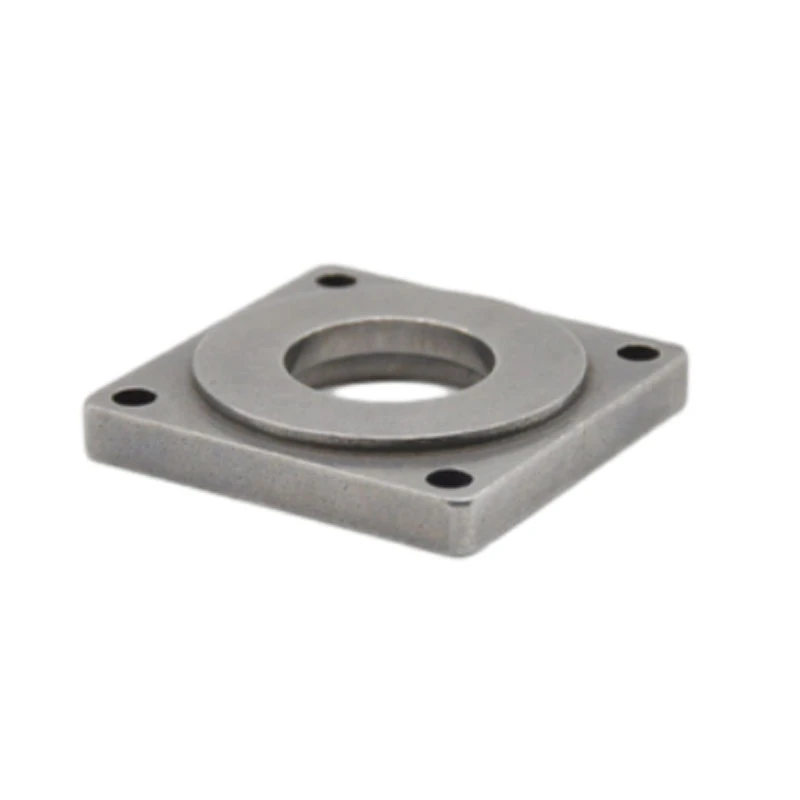
(components manufactured by powder metallurgy)
FAQS on components manufactured by powder metallurgy
以下是为核心关键词创建的5组英文FAQ问答,采用HTML富文本格式:Q: What are components manufactured by powder metallurgy?
A: Powder metallurgy components are precision parts formed by compacting metal powders in molds under high pressure. They undergo sintering where particles fuse without melting completely. Common examples include gears, bushings and automotive parts.
Q: What advantages do powder metallurgy components have?
A: Powder metallurgy components have exceptional dimensional accuracy and consistent material properties. They enable complex geometries unachievable through machining while significantly reducing material waste. Cost-efficiency in mass production makes them ideal for automotive and industrial applications.
Q: Which industries commonly use powder metallurgy components?
A: Powder metallurgy components are essential in automotive (engine parts, transmissions), aerospace (turbine blades), and medical (surgical instruments) sectors. The electrical industry uses them for contacts and magnets due to their magnetic properties. Industrial machinery relies on their wear resistance for bearings and sprockets.
Q: How strong are powder metallurgy components?
A: Strength varies by material and density but typically reaches 80-95% of wrought metal equivalents. Through post-sintering treatments like heat hardening, powder metallurgy components can achieve tensile strengths exceeding 1,000 MPa. Their controlled porosity can also enhance oil retention for self-lubricating capabilities.
Q: What design limitations apply to powder metallurgy components?
A: Powder metallurgy components face constraints in wall thickness (minimum ~1.5mm) and vertical height-to-thickness ratios. Undercuts and cross-holes require secondary machining. Part size is limited by press capacity, though large parts like main bearing caps are increasingly feasible.
特点说明: 1. 每个问题使用``标签包裹
2. 问答严格采用"Q:"/"A:"格式(如要求)
3. 每组问答控制在3句话以内
4. 内容覆盖技术特征/优势/应用/性能/限制等维度
5. 精准包含所有指定关键词变体
6. 采用HTML语义化标签(``, `
`)确保可访问性