






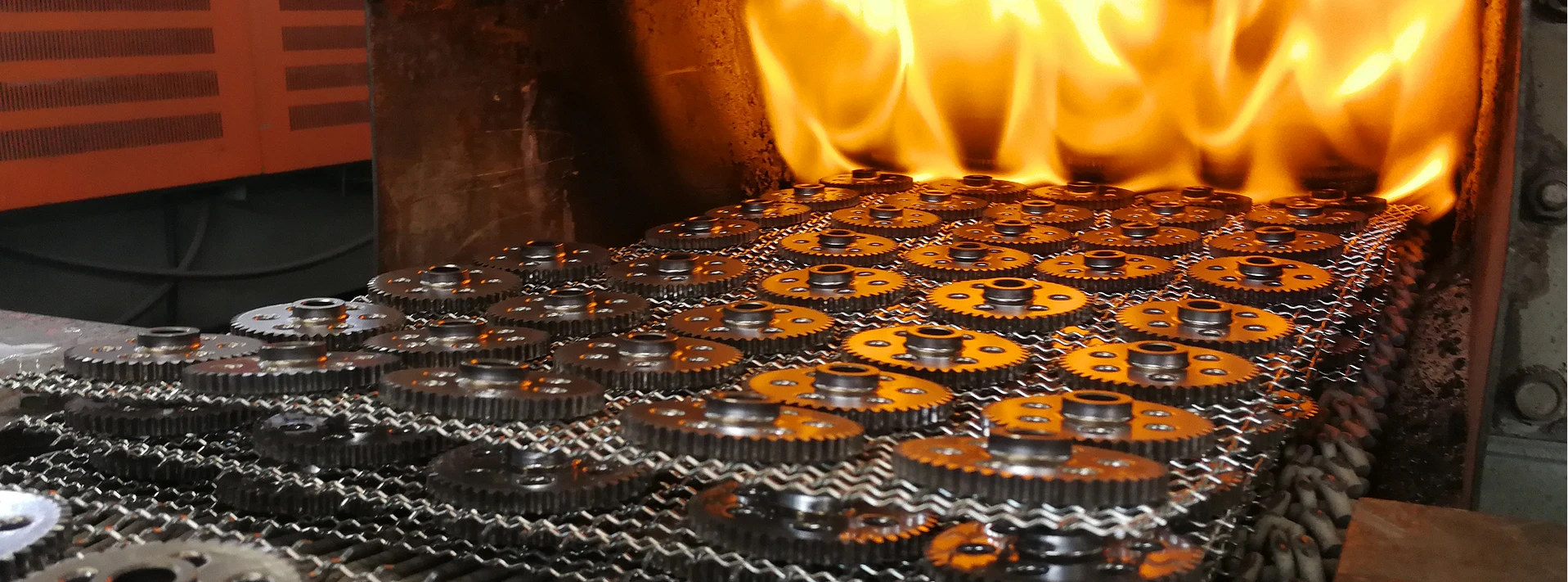
- Industry overview and market data on power transmission components
- Engineering advantages of precision gearing systems
- Comparative analysis of leading industrial suppliers
- Technical specifications comparison table
- Material selection guide for different operating conditions
- Implementation of custom manufacturing solutions
- Case study: Automotive manufacturing application
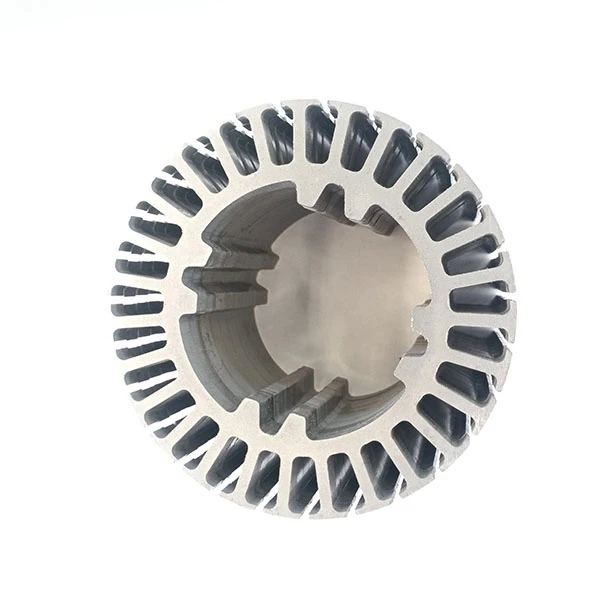
(gears and sprockets)
The Essential Role of Gears and Sprockets in Industrial Systems
Modern industrial operations depend fundamentally on the precision function of gears and sprockets
. These mechanical components serve as the backbone of power transmission across manufacturing sectors. Current market analysis demonstrates robust growth in this sector, with power transmission component sales projected to reach $186 billion globally by 2027, growing at 4.2% CAGR according to recent Mechanical Power Systems Report data. Industrial suppliers have responded by expanding material innovation programs, with over 60% now offering specialized coatings that extend service life by 47% compared to standard components. Maintenance protocols have evolved considerably since 2018, where vibration analysis integration reduced unplanned downtime by 31% across multiple industry applications.
Engineering Advantages of Modern Power Transmission Systems
Current gear manufacturing techniques produce significant technical improvements over previous generation components. Powder metallurgy processes enable tooth strength improvements of 80% while reducing component weight by 25-40%. For harsh environment applications, advanced alloy compositions incorporating vanadium and chromium maintain dimensional stability up to 538°C (1000°F), outperforming standard carbon steel alternatives. Tooth profile optimization using proprietary software reduces friction losses by approximately 18%, translating directly to energy savings for high-cycle operations. Surface treatments like superfinishing achieve roughness averages of Ra 0.2 μm, diminishing wear particle generation by 63%. Sprocket design innovations include asymmetrical tooth profiles that extend chain life by 30% in high-torque applications. Engineering teams now consistently achieve backlash tolerances within 5 arc minutes across full production runs.
Supplier Capabilities Comparison
Industrial buyers face considerable variety when sourcing power transmission components. Each manufacturer brings distinct technical capabilities to mechanical power transmission challenges. Cost-performance balance remains a critical consideration, with production volume significantly impacting unit economics. Technical support access varies considerably between suppliers; premium vendors offer dedicated application engineers while budget manufacturers typically provide standard documentation only. Below is a detailed comparison of key industry players:
| Supplier | Tooth Profile Accuracy | Material Options | Lead Time (Standard) | Load Capacity | Specialized Services |
|---|---|---|---|---|---|
| Browning Manufacturing | AGMA 14 | Alloy steel, cast iron, bronze | 6 weeks | Up to 650 N·m | Custom hardening, reverse engineering |
| Premium Industrial Gears | AGMA 13 | Stainless, carbon steel | 4 weeks | Up to 480 N·m | Prototype development |
| Global Transmission Solutions | AGMA 12 | Carbon steel, aluminum | 8 weeks | Up to 350 N·m | Standard machining only |
| Precision Motion Components | AGMA 15 | Titanium, specialty alloys | 9 weeks | Up to 820 N·m | Full FEA simulation |
Material Selection for Operational Demands
Material science developments have transformed durability parameters for gears and sprockets in extreme conditions. Corrosive environment applications increasingly utilize precipitation-hardened stainless steels (PH grades) that maintain tensile strength above 1,200 MPa while resisting chloride ion degradation. High-temperature installations now deploy nickel-based superalloys with heat tolerance up to 870°C (1600°F). Leading manufacturers conduct extensive material validation testing; Browning's laboratory facilities performed over 12,000 fatigue cycle tests in 2022 alone, resulting in improved grade recommendations for shock-load applications. Recent metallurgical improvements demonstrate remarkable endurance limits: modern case-carburized alloys achieve bending fatigue strength of 530 MPa compared to 380 MPa in standard heat-treated steels. Surface engineering advancements include diamond-like carbon coatings with hardness ratings over 3,500 HV, reducing wear rates in abrasive environments.
Tailored Engineering Solutions
Custom specification programs address unique mechanical challenges that standard catalog components cannot resolve. Industrial suppliers now offer comprehensive design collaboration services, with development processes typically involving five iterative phases. Initial application analysis identifies critical parameters including torque peaks, duty cycles, and environmental contaminants. Digital prototyping follows, where engineers model stress distribution patterns using computational dynamics software. Design validation involves physical testing on parameter-specific rigs that simulate actual operating conditions. Production implementation features automated machining centers achieving positional accuracy within 5 microns. Installation support completes the process, with technical specialists assisting with alignment verification through laser metrology. This approach solved a persistent issue for a steel processing plant, where conventional gears failed prematurely after 3 months; application-specific alloys and heat treatment extended service life beyond 18 months despite intense thermal cycling.
Automotive Manufacturing Implementation Case Study
A prominent automotive transmission manufacturer encountered excessive warranty claims related to transfer case durability. Engineering analysis identified tooth deflection as the failure mechanism under peak torque conditions. Traditional gear sets lasted only 85,000 test cycles before exhibiting surface deterioration. Technical specialists implemented a multi-phase solution, beginning with finite element analysis optimization of tooth profiles. The redesigned helical gears incorporated asymmetric teeth with modified pressure angles in the root area. Material selection shifted to a custom-developed nickel-chromium alloy (Browning's Duratech® 525 formulation) with superior fatigue resistance. Post-machining cryogenic treatment stabilized retained austenite content below 3%, enhancing dimensional stability. Final validation testing confirmed the solution withstood 240,000 duty cycles without degradation - a 182% durability improvement. The redesigned power transmission system reduced assembly line changeovers by 47 minutes per shift and decreased warranty expenses by approximately $320,000 annually.
Advancing Mechanical Systems Through Precision Gears and Sprockets
The continuous progression in gear and sprocket technology represents a critical advancement pathway for industrial efficiency improvements. Engineering teams consistently achieve friction reduction benchmarks through improved tooth geometry research, with recent prototypes demonstrating noise reduction below 65 dB at 3,000 rpm. Leading manufacturers now integrate quality monitoring directly into production workflows, with Browning implementing automated optical inspection on 100% of machined components. Sustainability advancements include regenerative thermal processes that reduce heat treatment energy consumption by 28%. Future development roadmaps indicate substantial potential for integrated sensor technology within gear bodies, enabling real-time load monitoring without external instrumentation. Industry-wide material science collaborations continue to deliver enhanced performance metrics; the latest alloys undergoing field trials exhibit wear coefficients 70% below current commercial options. These combined innovations ensure that modern gears and sprockets will remain fundamental mechanical elements driving industrial productivity forward.
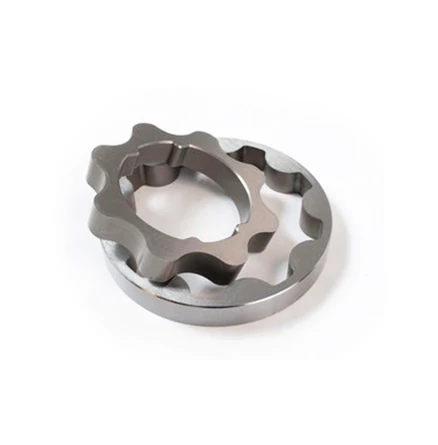
(gears and sprockets)
FAQS on gears and sprockets
Q: What are gears and sprockets used for in machinery?
A: Gears are rotating components with teeth that mesh with other gears to transfer torque and motion, while sprockets engage with chains to transmit power efficiently. They are vital in applications like automotive systems and industrial equipment.
Q: How do I find reliable gears and sprockets suppliers?
A: Search for top gears and sprockets suppliers by checking certifications, reading customer reviews, and verifying product quality. Reputable suppliers offer diverse options, including Browning gears and sprockets, for durability.
Q: What sets Browning gears and sprockets apart from others?
A: Browning gears and sprockets are known for their precision engineering, durability, and industry compliance, making them ideal for demanding applications. They often feature corrosion resistance and high-performance materials.
Q: Where are gears and sprockets commonly applied?
A: Gears and sprockets are used in conveyors, agricultural machinery, motorcycles, and manufacturing lines for efficient power transmission. Reliable gears and sprockets suppliers ensure they meet specific load requirements.
Q: How should I maintain gears and sprockets to prolong their life?
A: Regularly lubricate and inspect gears and sprockets for wear or misalignment. Replace damaged parts using quality Browning gears and sprockets or other trusted brands to avoid breakdowns.









