




Understanding AC Motor Gear Systems: A Comprehensive Guide
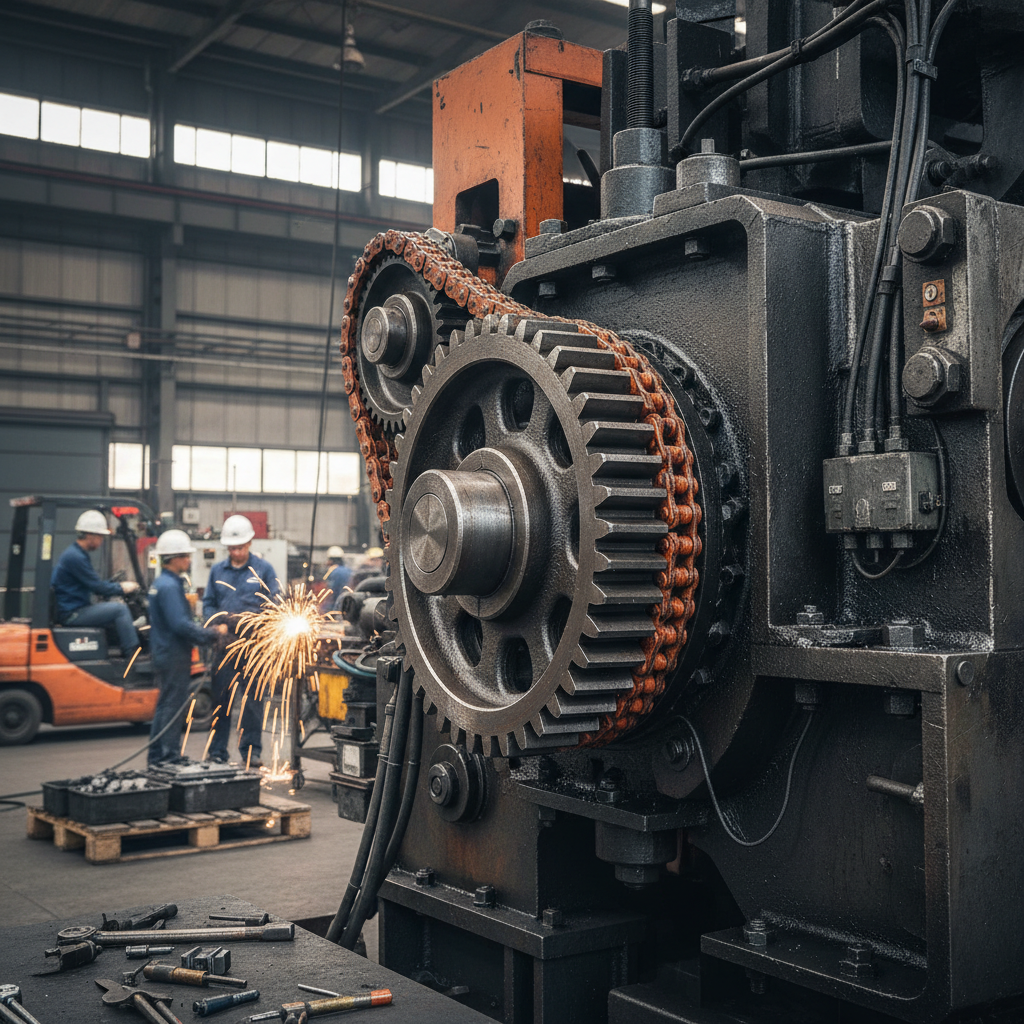
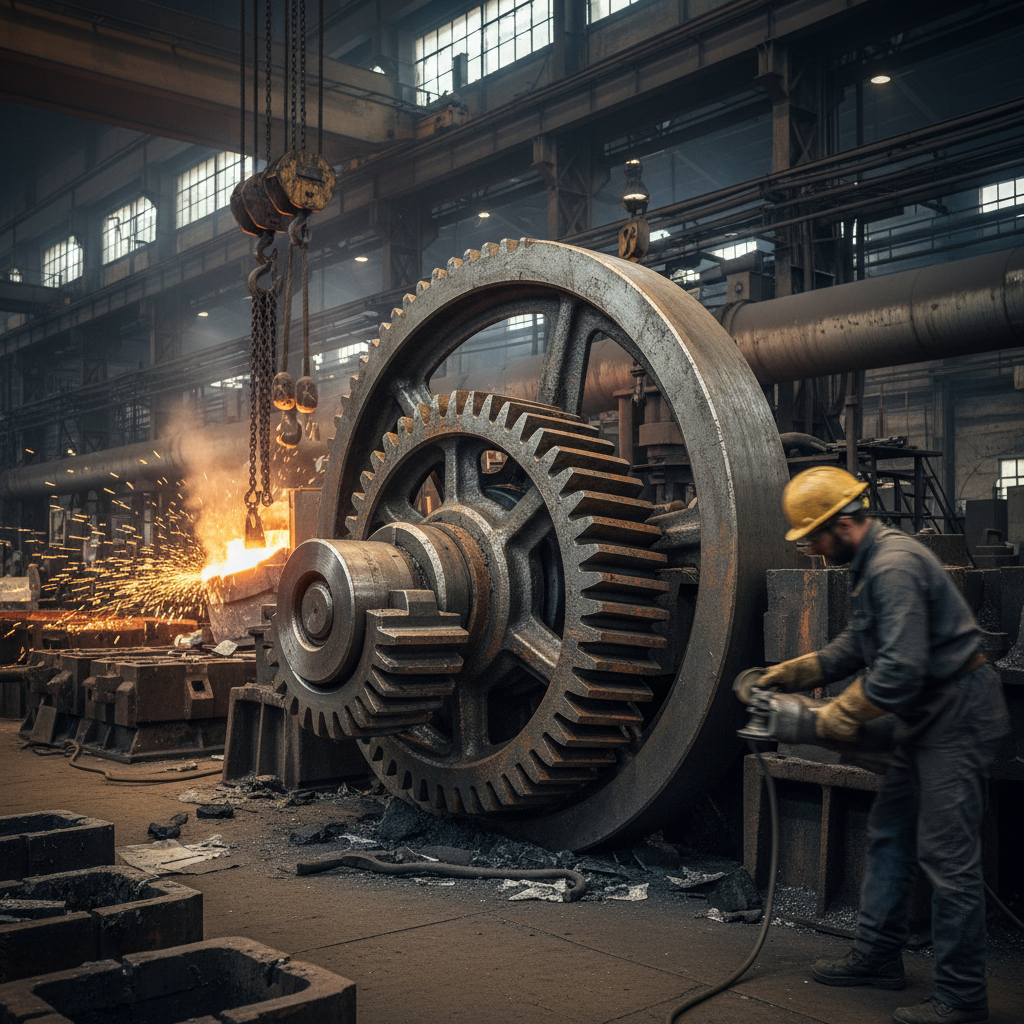
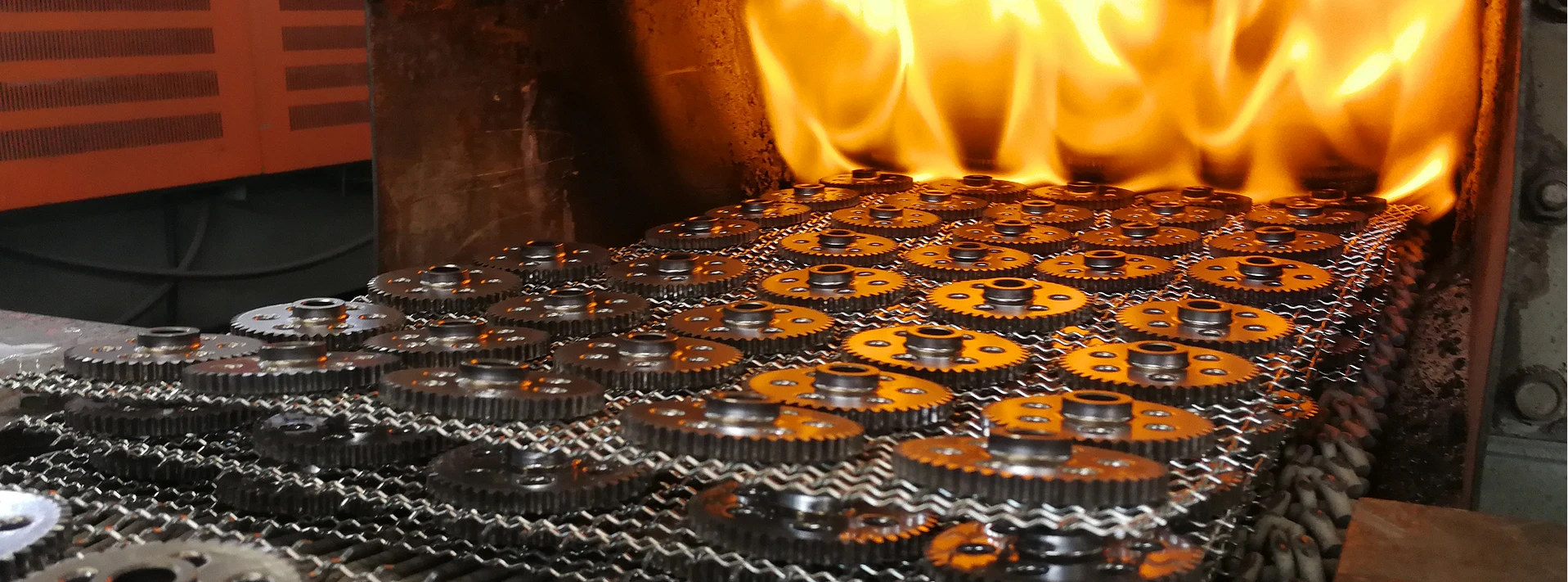
AC motor gear systems are integral to a vast array of industrial and commercial applications, providing the necessary torque and speed adjustments for optimal performance. These systems combine the efficiency of AC motors with the mechanical advantage of gearboxes, resulting in robust and reliable power transmission. This article will explore the components, types, applications, and considerations when selecting an AC motor gear system, helping you understand how to choose the best solution for your needs. The correct gear system can significantly improve the efficiency and lifespan of your machinery.
Components of an AC Motor Gear System
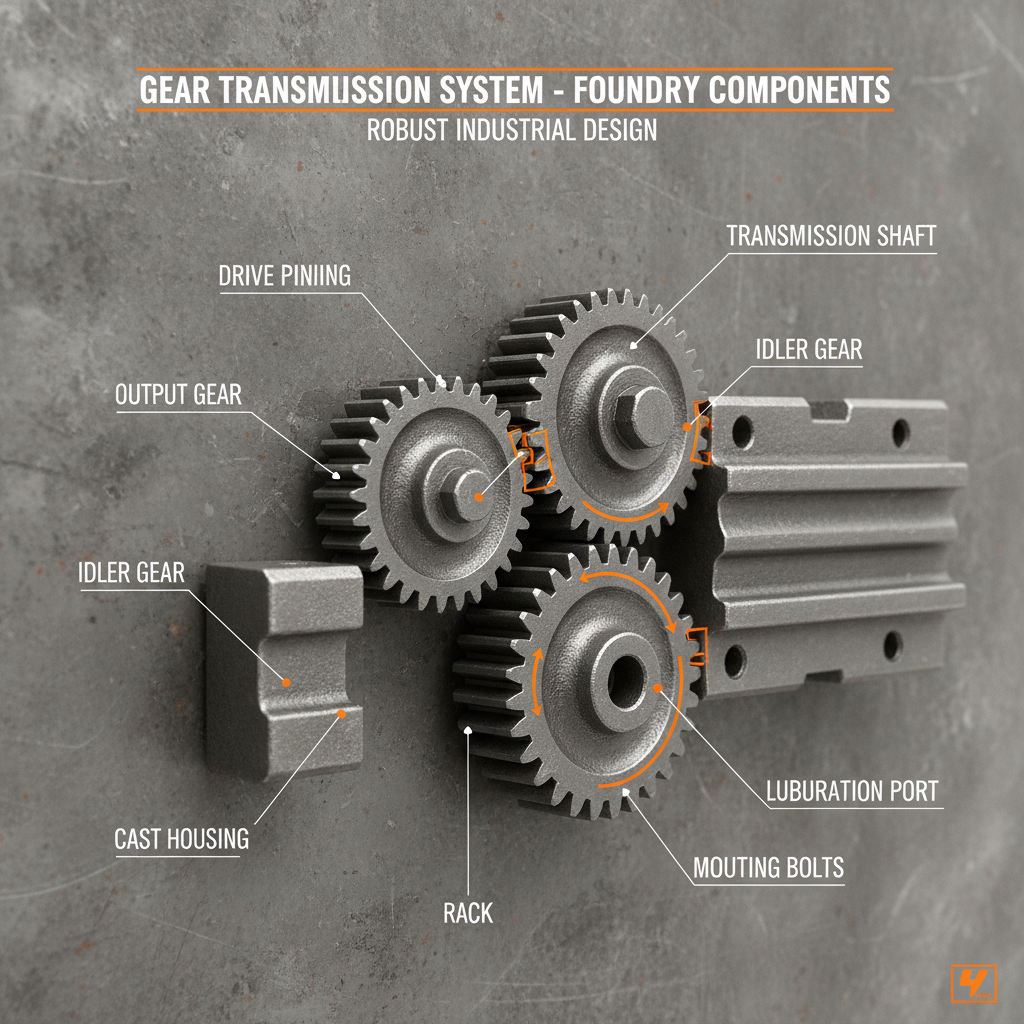
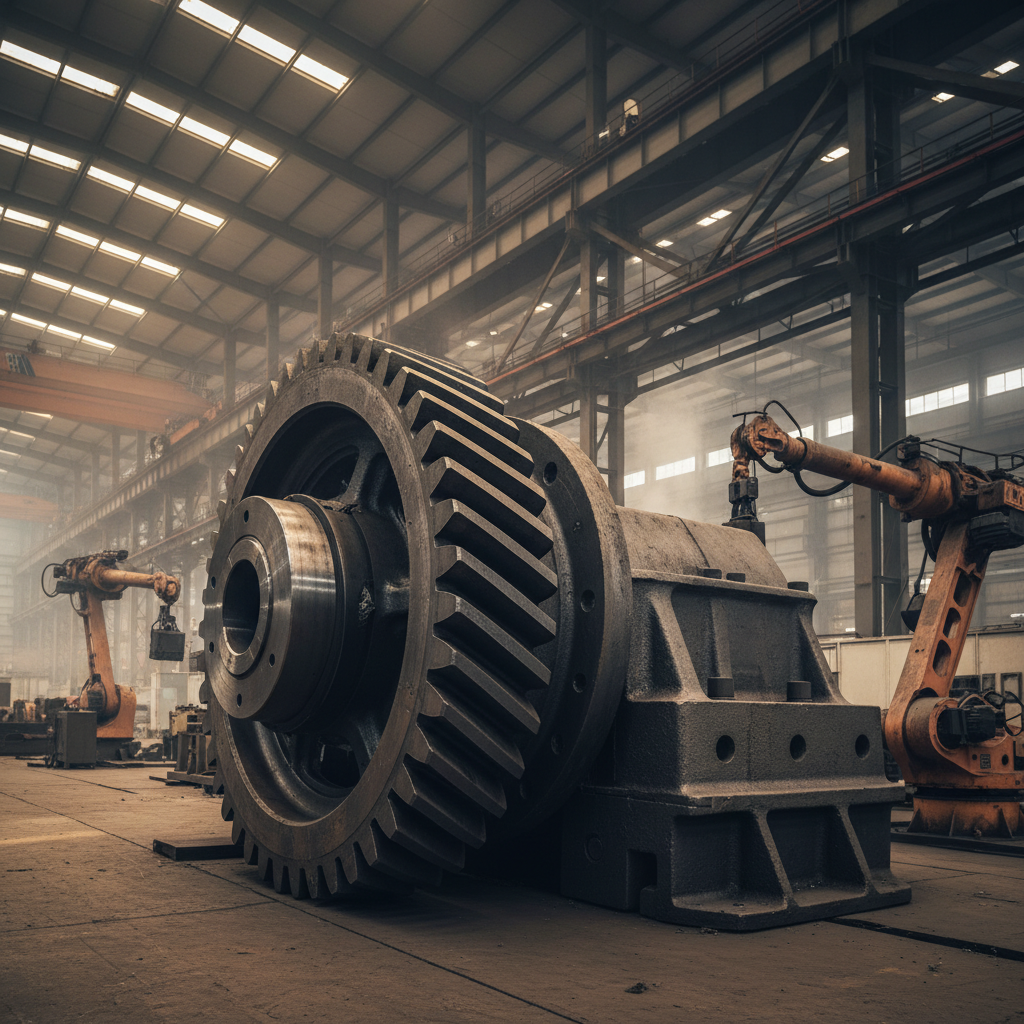
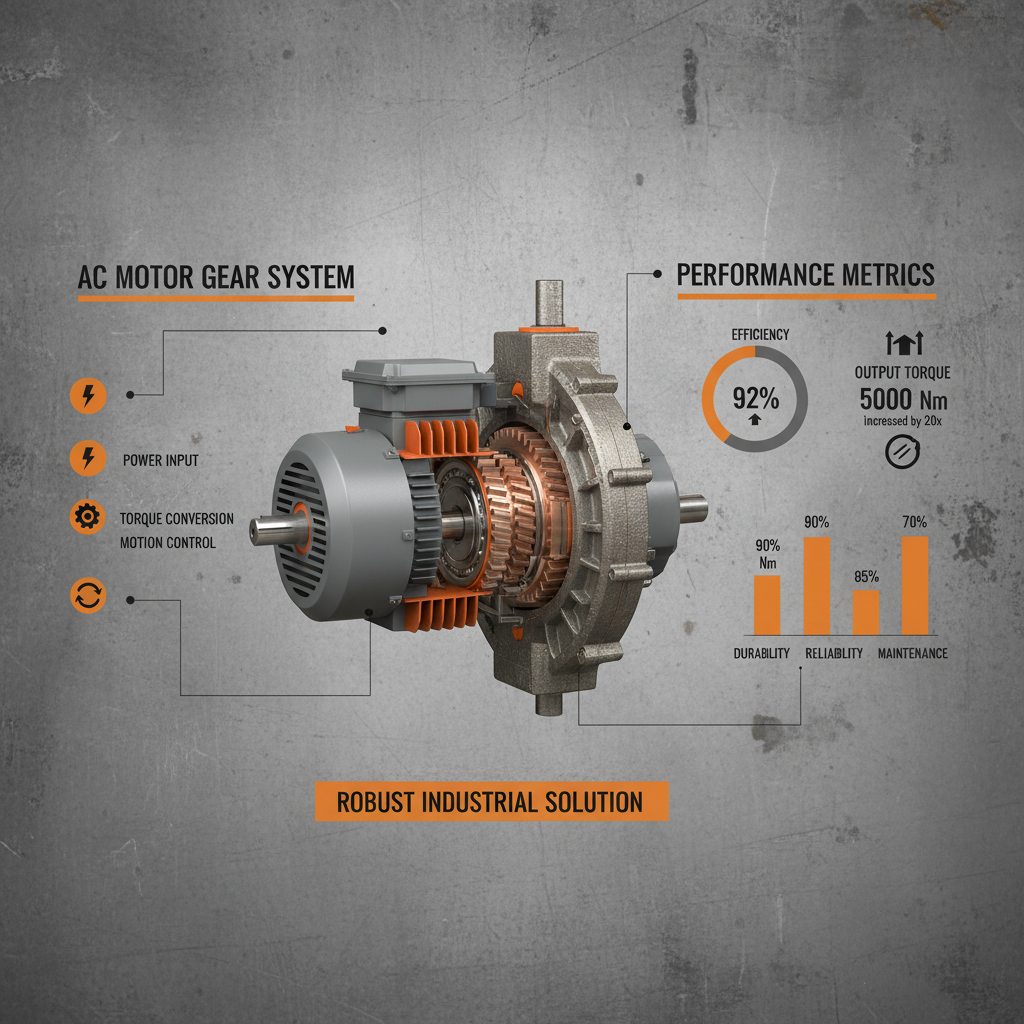
An AC motor gear system isn't just a motor and gears; it's a carefully engineered assembly of several key components working in harmony. The core is the AC motor itself, responsible for converting electrical energy into mechanical power. Connected to the motor is the gearbox, which houses the gears and modifies the output speed and torque. Shafts transmit power between the motor, gearbox, and driven equipment. Bearings support the rotating shafts, reducing friction and ensuring smooth operation. Finally, a housing encloses the system, providing protection from the environment and ensuring safe operation. Understanding each component's role is crucial for effective system maintenance and troubleshooting.
Key Components: AC Motor, Gearbox, Shafts, Bearings, Housing
Types of Gearboxes Used with AC Motors
Several gearbox types can be paired with AC motors, each offering distinct advantages for specific applications. Spur gearboxes are the most common and cost-effective, suitable for simple speed reductions. Helical gearboxes provide smoother and quieter operation due to their angled teeth. Bevel gearboxes change the direction of rotation, often used in applications requiring angular drives. Worm gearboxes offer high gear ratios and self-locking capabilities, ideal for conveyor systems. Planetary gearboxes deliver high torque density and efficiency, making them suitable for demanding applications. Choosing the right gearbox depends on factors such as torque requirements, speed reduction ratio, and operating environment.
Gearbox Types:
• Spur Gearboxes
• Helical Gearboxes
• Bevel Gearboxes
• Worm Gearboxes
• Planetary Gearboxes
Selecting the Right AC Motor Gear System: Key Considerations
Choosing the appropriate AC motor gear system requires careful consideration of several factors. First, determine the required output torque and speed. Then, calculate the necessary gear ratio to achieve the desired performance. Consider the operating environment, including temperature, humidity, and potential exposure to contaminants. Evaluate the duty cycle – is it continuous or intermittent operation? Finally, assess the load type – is it constant, variable, or shock load? Proper system sizing is critical for ensuring longevity and preventing premature failure. The JSSintering team can provide expert assistance in selecting the optimal solution.
Applications of AC Motor Gear Systems
AC motor gear systems find application across a diverse range of industries. Manufacturing utilizes them in conveyors, mixers, and automated machinery. The food and beverage industry relies on them for processing and packaging equipment. In the automotive sector, they are used in assembly lines and robotic systems. Wastewater treatment plants employ them for pumps and aeration systems. The mining industry utilizes them in crushers and grinding mills. From simple everyday appliances to complex industrial machinery, AC motor gear systems are a foundational element of modern technology.
Maintenance and Longevity of AC Motor Gear Systems
Regular maintenance is crucial for maximizing the lifespan and reliability of your AC motor gear system. Periodic lubrication of gears and bearings reduces friction and prevents wear. Inspection for loose bolts, worn seals, and signs of overheating can identify potential issues before they escalate. Monitoring motor current and temperature can indicate impending failures. Implementing a preventative maintenance schedule can significantly reduce downtime and repair costs. Consider a professional inspection at least annually to ensure optimal performance and safety.
Conclusion: Powering Your Operations with Reliable AC Motor Gear Systems
Investing in a high-quality AC motor gear system from a reputable provider like JSSintering is essential for ensuring the efficiency, reliability, and longevity of your machinery. By carefully considering your application requirements and implementing a proactive maintenance plan, you can maximize your return on investment and minimize downtime. Don't compromise on performance – choose a solution that delivers.
Frequently Asked Questions (FAQs)
What is the typical lifespan of an AC motor gearbox?
The lifespan of an AC motor gearbox can vary significantly based on operating conditions, load, and maintenance. Generally, with proper lubrication and maintenance, a well-built gearbox can last between 8 to 15 years. However, continuous heavy loads, exposure to harsh environments, or inadequate maintenance can drastically reduce its lifespan. Regular inspections and timely repairs are crucial for maximizing longevity. Consider factors like the gearbox's material quality and the precision of its components as indicators of potential durability.
How often should I lubricate my AC motor gearbox?
The lubrication schedule depends on the gearbox type, operating conditions, and lubricant used. As a general guideline, gearboxes operating under normal conditions should be lubricated every 3,000 to 6,000 operating hours. Gearboxes subjected to heavy loads or extreme temperatures may require more frequent lubrication. Always consult the manufacturer's recommendations for specific lubrication intervals and lubricant specifications. Using the correct lubricant is critical for preventing wear and ensuring optimal performance.
What are the common signs of a failing AC motor gearbox?
Several signs indicate a potential gearbox failure. Unusual noises, such as grinding or whining, are a common indicator. Excessive vibration, overheating, or oil leaks are also warning signs. Decreased performance or inability to maintain speed under load can suggest internal damage. Promptly addressing these symptoms can prevent catastrophic failure and minimize downtime. Ignoring these signs can lead to costly repairs or complete system replacement.
Can JSSintering help me select the right gear system for my application?
Absolutely! JSSintering specializes in providing customized AC motor gear solutions. Our experienced engineers can assess your application requirements, including torque, speed, load type, and operating environment, to recommend the optimal system for your needs. We offer a wide range of gearboxes and motors to ensure you get the perfect fit. Contact us today for a consultation!