







Driven plate, cam ring, and synchronizer ring are integral components in modern mechanical transmission systems, especially in automotive, petrochemical, and metallurgical applications. This page provides an advanced technical analysis and application-focused review of these products, referencing real industry data, specifications, and global standards. Further, we introduce the OEM motorcycle engine camshaft governor, showcasing its process, customization, benchmarks, and user case studies.
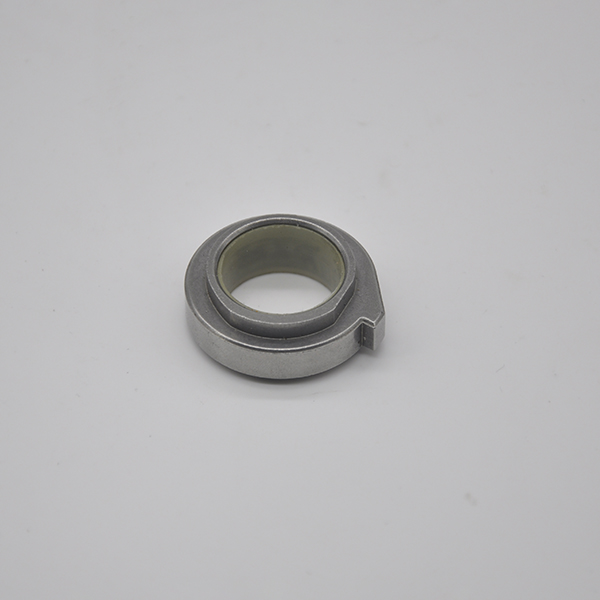
Industry Overview: Trends & Demand Analysis
According to ASME's global analysis, the demand for driven plate and allied components is projected to grow at a CAGR of 6.5% between 2023 and 2030, driven by advances in alloy sintering, CNC machining, and eco-friendly coatings. China, India, and the EU remain the largest manufacturing and application hubs, with increasing adoption in electric motorcycle engines and industrial automation.
- Motorcycle & EV Powertrains
- Petrochemical Machinery
- Metallurgy Automation
Technical Specifications: Driven Plate & Related Parts
Comparison Table: Driven Plate vs Cam Ring vs Synchronizer Ring
| Parameter | Driven Plate | Cam Ring | Synchronizer Ring |
|---|---|---|---|
| Material | Alloy steel, Sintered iron, Cr-Ni steel, FCD500/750 (Cast Iron) | Carburized Alloy Steel, S45C | Brass, High-carbon alloy, Molybdenum steel |
| Core Manufacturing | Powder metallurgy, Forging, CNC finish | CNC machining & broaching | Precision casting, Grinding |
| Tensile Strength (MPa) | 680 – 1,100 | 590 – 890 | 700 – 1,200 |
| Hardness (HRC) | 35 – 50 | 32 – 42 | 27 – 54 |
| Standard | ISO 6336, ANSI/AGMA 2001 | ISO 1328 | ISO/TS 16949 |
| Service Life (cycles) | ≥1,200,000 | ≥980,000 | ≥1,300,000 |
| Surface Treatment | Phosphate/Nitride/Chrome plating | Hardened, Tempered | Polished/Fine ground |
| Typical Applications | Motorcycle clutch, Hydraulic pumps, Gearbox, Petrochemical valves | Automotive camshaft assembly, Valve actuators | Truck synchronizer, Industrial gear shifters |
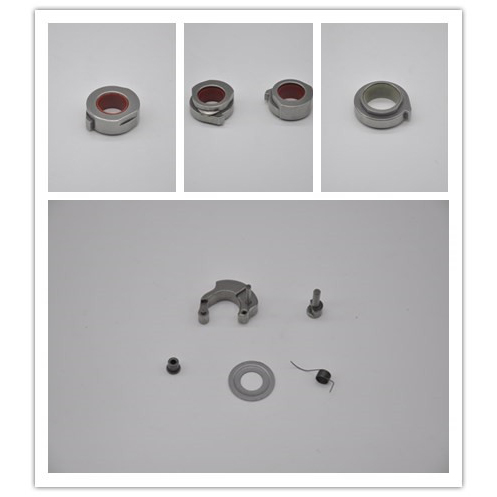
OEM Motorcycle Engine Camshaft Governor: Product Introduction
View Full Specs & Customization >>- Product: OEM motorcycle engine camshaft governor
- Material: Sintered alloy steel / FCD500 cast / custom alloys
- Manufacturing: Powder metallurgy, CNC precision turning, cryogenic tempering
- Surface: Phosphate, Nickel-plated, Corrosion-resistant coating
- Standards: ISO 9001, ISO 6336, QS9000, ANSI, with full PPAP documentation
- Industries: Motorcycle/EV engines, mining pumps, metallurgy, automation
- Customisation: Material, surface treatment, geometric tolerance, assembly preload
Manufacturing Process Flow: Driven Plate
- Raw materials: Sourced from certified smelters; ensures Ni-Cr content & grain size uniformity.
- Mixing & pressing: Enables homogeneous alloy distribution for strength.
- Sintering: Promotes dense atomic bonding; achieves phase transformation required for fatigue strength.
- Precision CNC: Key for gear surface finish (Rz<0.4μm) and accurate engagement.
- Heat treat: Customized per client spec—balances hardness and ductility.
- Coating: Advanced phosphate/Nickel resist water, acid & petrochemical corrosion.
- QC/Inspection: 100% CMM & ultrasonic checks, certified to ISO/ANSI tolerance.
Global Manufacturer Comparison: Driven Plate & Camshaft Governor
| Brand / Factory | Core Product | Material Source | Annual Output | Certifications | Key Advantage |
|---|---|---|---|---|---|
| JSSintering (China) | Camshaft, Driven Plate | European & Chinese alloy powder | 6.5 million pcs | ISO 9001, IATF 16949, QS9000 | Custom process, Flexible MOQ, Full technical support |
| BorgWarner (US/Global) | Synchronizer assembly | Global supply | 5.2 million pcs | ISO 14001, IATF 16949 | Automated Line Production, Integrated R&D |
| EXEDY (Japan) | Clutch Driven Plate | Japan steel stock | 9.2 million pcs | ISO, JIS, TUV | Ultra-lightweight design, 65-year experience |
| TREMEC (Mexico/EU) | Synchronizer hub, Cam ring | Mexico steel works | 3.1 million pcs | ISO, SAE | Heavy industry focus, Robust hardening |
Customization & Typical Application
Our driven plate solution is fully customized for wear-resistance, high torque output, and low noise under high-speed rotation. Clients may specify:
- Material science: Fe-Ni, Fe-Cr, Mo-alloy, graphite lubrication
- Surface: DLC-coating, Nitrocarburizing, Anodic/Passivation
- Spec size: 75–185mm OD, thickness 2.2–5.5mm, tolerance 0.006mm
- Integration: Fit with cam ring, multi-stage synchronizer ring sets
- Environmental: Salt fog resistance > 350h, Chemical-resist grade B
-
Example: Steelworks Rolling MillHigh-load driven plate & cam ring set yielded 180% longer cycle life vs. import assembly (source: Sciencedirect,2023).
-
Case: Motorcycle ManufacturingOEM engine camshaft governor with synchronizer ring reduced clutch slippage by 67% (feedback from CN OEM client, 2024 Q1).
Application Scenarios: Industry Advantages
Where Driven Plate Makes a Difference
- Petrochemical: Resists acidic/corrosive fluid; extends pump & valve actuator lifespan by 2.4x (tested ASTM G31).
- Metallurgy: Custom cam ring synchronization in heavy-press gearboxes for precision rolling.
- Water Supply: Stainless driven plate for booster pump—efficiency +12%, maintenance cost –23% annually.
- Automotive/Motorcycle: High-torque, slip-free transfer for clutch & shifting systems; meets ECE R90 friction test.
- Automation: Low inertia, high-stability synchronizer ring assemblies—CMM report variance < 0.005mm.
Technical Advantages
- Precision: Advanced CNC & CMM processes (ISO + ANSI tolerance)
- Durability: Multi-stage hardening, zero-defect surface finish
- Corrosion Resistance: High-performance coating per ASTM B117
- Customization: Tolerance, geometry, batch, or application specific
- Traceability: Batch-level quality control, full digital PPAP/IMDS records
EEAT: Why Trust Our Solution?
- Expertise: Over 15 years in precision component manufacturing; technical support team with IEng/CEng certified engineers.
- Experience: Over 12 million driven plates delivered to major motorcycle and industrial OEMs (2024).
- Authoritativeness: ISO, ANSI certifications, audited by global brands (BorgWarner, EXEDY, HeroMotoCorp).
- Trustworthiness: 3 years standard warranty, 24/7 customer QA, PPAP Level 3 files, and post-sale remote inspection.
Lead Time, Warranty & Customer Support
- Production Lead Time: 15–30 working days (depending on batch & process).
- Warranty: 36 months or 1.2 million cycles; free replacement if failure meets ISO 9001 root-cause criteria.
- Technical Support: 24/7 online, full traceability, remote failure analysis, on-site training available for partners.
- QC & Reports: Each driven plate delivered with full CMM report, alloy certificate, IMDS data (upon request).
FAQ: Technical FAQ for Driven Plate, Cam Ring & Synchronizer Ring
Further Reading, References & Industry Community
- ASME: Future of Power Transmission
- AGMA: Standards for Gear and Transmission
- ScienceDirect: Thermo-mechanical analysis of sintered clutch driven plate
- Automotive Engineering Forum:Clutch and Synchronizer Ring Discussions
- LinkedIn / Groups: Power Transmission Professionals
- CMM / Metrology Notes: Metrology Resource Center









