




The Unsung Hero of Industry: Understanding the Gear Wheel
When we glance at any machinery whirring in a factory, or even the humble bicycle pedal turning beneath us, those small, interlocking teeth of a gear wheel are at work. Globally, gear wheels underpin countless industries—from automotive to aerospace, to manufacturing and beyond. Despite their mechanical simplicity, their impact is profound, with market studies suggesting the gear manufacturing sector approaches multi-billion dollar valuations and sustains millions of skilled jobs worldwide. Understanding what gear wheels really do, and why their design and durability matter, can reveal a lot about how machines function reliably and efficiently everywhere.
Why Gear Wheels Matter on a Global Scale
Gear wheels are everywhere—hidden behind panels, beneath hoods, inside gadgets. According to ISO standards, gearing systems must meet rigorous precision and durability criteria, especially as industries push for more energy-efficient and reliable machinery. Roughly 90% of mechanical power transmissions in vehicles and factories involve gears, so any innovation or failure here echoes widely. The challenge? Creating gear wheels that not only transfer power smoothly but also resist wear, noise, and vibration, especially in harsh environments. For many countries, enhancing gear technology ties directly to industrial competitiveness and sustainability goals.
Take the automotive industry in Europe and Asia: the rise of electric vehicles demands new gear designs tailored to quieter, lower-torque transmissions. At the same time, heavy machinery in developing economies relies heavily on gear wheels built for tough conditions, from tropical humidity to desert dust. The tech behind these rotating marvels is surprisingly a hotbed of innovation.
What Exactly is a Gear Wheel?
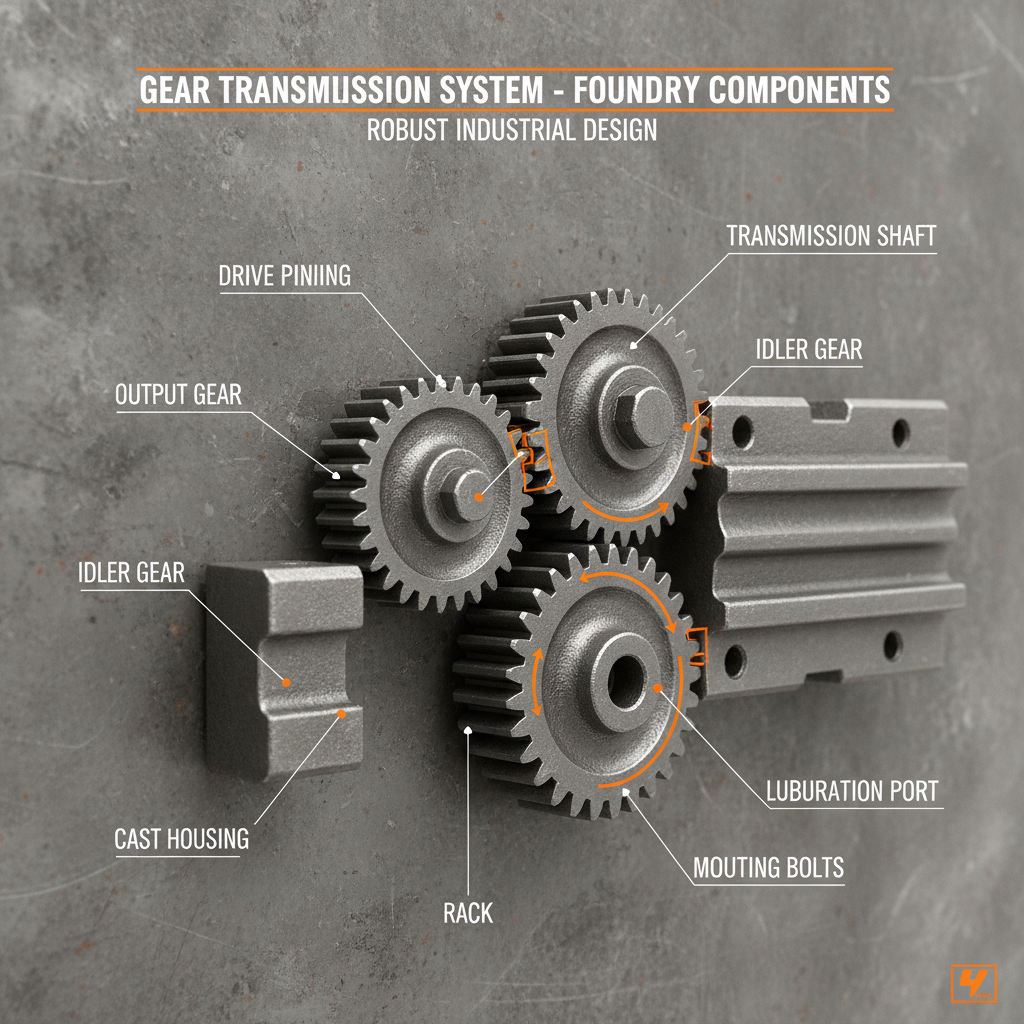
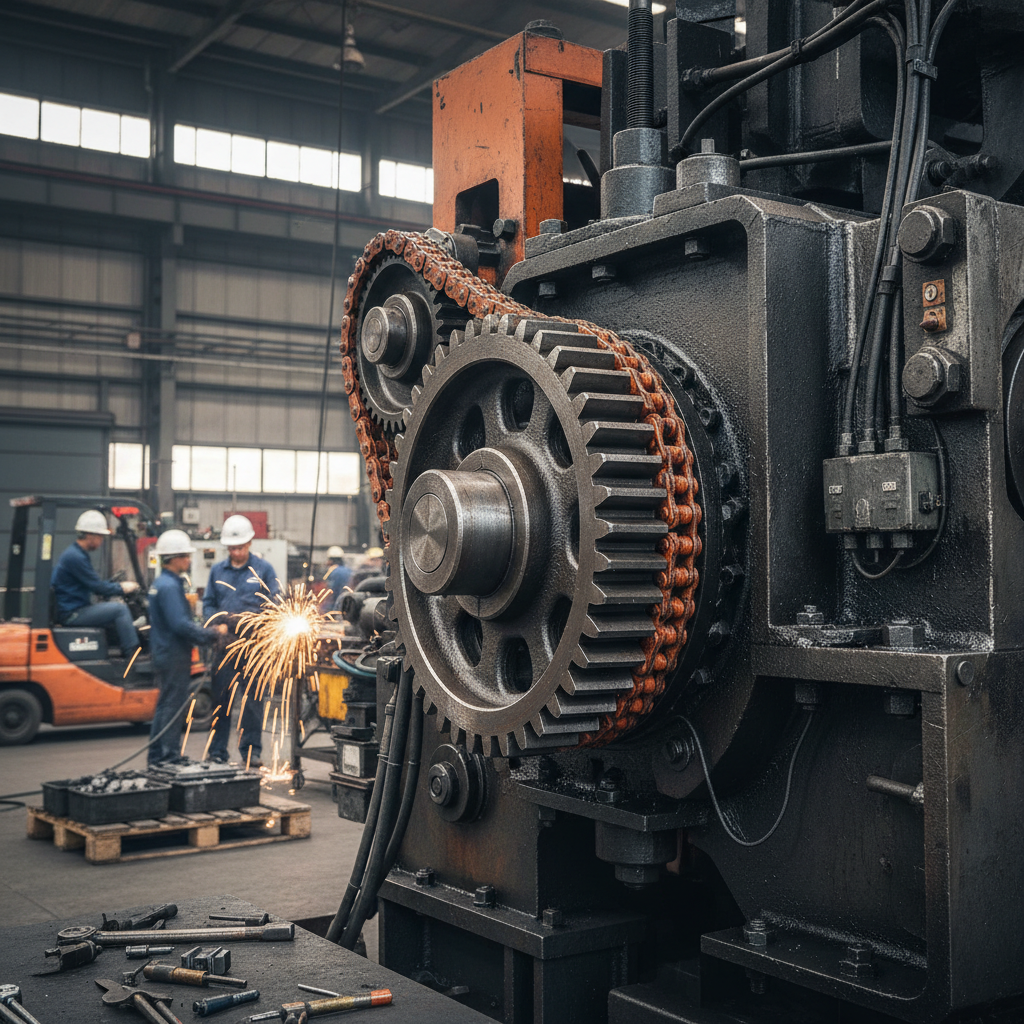
In simple terms, a gear wheel is a circular component with teeth arranged around its edge. These teeth mesh with another gear’s teeth to transfer torque and rotary motion from one shaft to another. This basic function helps adjust speed, direction, or force in mechanical systems.
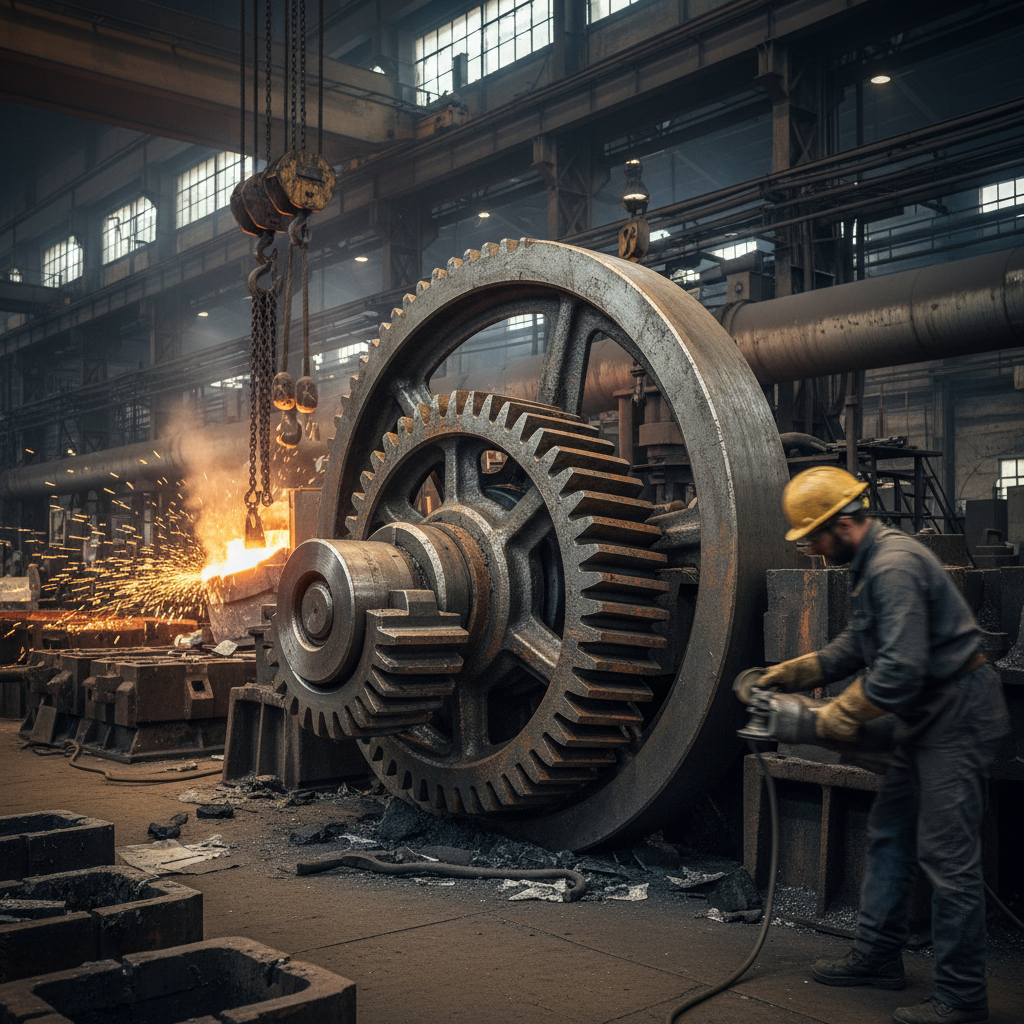
While the concept feels straightforward, gear wheels are indispensable in supporting modern civilization’s machinery—from cranes in post-disaster areas lifting heavy loads to the conveyor systems that keep global supply chains humming. Without reliable gear wheels, much of our mechanized world would grind to a halt—or worse, become dangerously inconsistent.
Key Aspects That Define Gear Wheels
Durability and Material Science
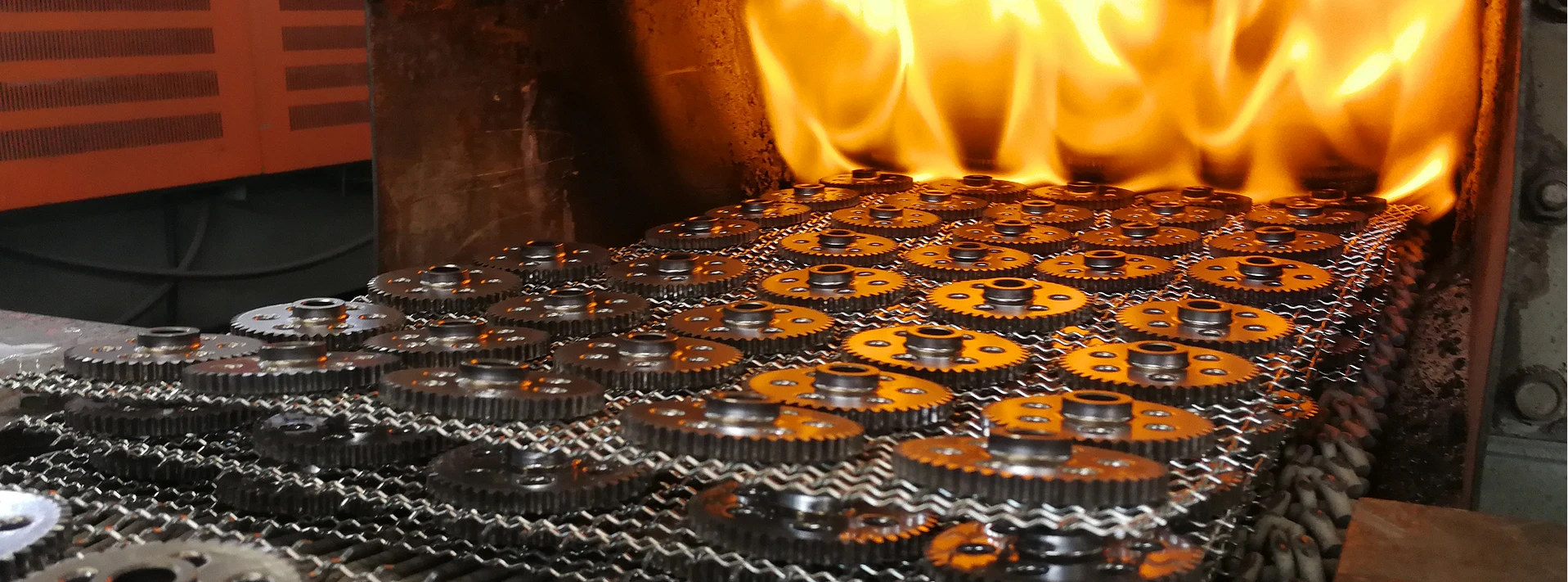
Many engineers say the secret sauce of a reliable gear wheel is its material—usually hardened steel, but sometimes composites or specialized alloys. The goal is to resist wear and tear despite constant friction and heavy loads. Advanced heat treatments and coatings also improve lifespan, which translates to less downtime and maintenance.
Precision and Manufacturing Quality
A gear wheel's effectiveness depends heavily on tight manufacturing tolerances. Even a slight imperfection in the teeth’s profile can cause noise, inefficiency, or failure. Modern CNC machining and additive manufacturing methods have made producing custom, highly precise gear wheels more accessible than ever.
Size and Tooth Design
Tooth count, shape, and spacing vary depending on the application. Spur gears are simple and common, but helical or bevel gears handle angled drives more smoothly. Designers must balance torque capacity with noise reduction and space constraints.
Cost Efficiency and Scalability
Production volume matters. Mass-produced gear wheels for automotive uses might prioritize cost efficiency, while niche industrial gears emphasize durability or special materials. Scalability in production aligns with industry needs and, frankly, budget realities.
Environmental Resistance
Gear wheels often serve in aggressive environments—extreme temperatures, corrosive atmospheres, or dusty, gritty zones. Specialized coatings and materials come into play here, ensuring the gear maintains performance without frequent replacement.
User-Friendly Maintenance
Lastly, some modern designs factor in ease of maintenance or replacement to reduce operational downtime. Modular gear assemblies or quick-lubrication systems have become more prevalent.
Mini takeaway: The gear wheel may appear modest, but selecting the right materials, design, and manufacturing approach is critical to solving diverse real-world challenges.
How Gear Wheels Power the World: Real Applications
It’s easy to overlook how many industries depend on gear wheels. For example:
- Post-disaster relief equipment: Crane systems with rugged gear wheels help in rapid debris clearing and logistics deployment.
- Renewable energy: Wind turbines rely on large, precision gear assemblies to convert low-speed rotation into effective electrical output.
- Automotive manufacturing: Transmission gear wheels determine vehicle efficiency, impacting fuel economy and emissions.
- Mining and heavy industry: Gear wheels in conveyor belts and crushers enable mining operations in remote or harsh environmental conditions.
Regions investing heavily in precision manufacturing—Japan, Germany, South Korea—have pioneered innovative gear wheel technologies, while emergent markets focus on robust, cost-effective solutions to grow their infrastructure. Notably, NGOs working in infrastructure recovery increasingly rely on modular mechanical systems with standardized gear wheel components for easy field repairs.
Gear Wheels: Why They’re Worth the Investment
From a practical standpoint, good gear wheels reduce maintenance costs, extend machine life, and improve energy efficiency. On an emotional level if you will, they offer a kind of trust—knowing that your machinery won't quit in the middle of crucial work.
There’s also a sustainability angle. By using hardened materials and precise manufacturing, gear wheels last longer and minimize waste. This conscientious approach supports circular economy principles, which many manufacturers are increasingly embracing.
Looking Ahead: Trends Shaping Gear Wheel Technology
The future of gear wheels is intertwined with the broader industrial transformation underway globally. Here's what’s trending:
- Advanced materials: Ceramic composites and nano-coated metals that reduce friction and extend life.
- Digital design and simulation: AI-driven CAD software helps engineers optimize tooth geometries for specific uses before production.
- Automation and robotics integration: Gear wheels tailored for robotic arms demand ultra-quiet and precise operation.
- Green manufacturing: New policies push toward lower-carbon material sourcing and energy-efficient factories.
It feels like the gears themselves will soon become “smart” parts, embedded with sensors to predict wear and facilitate predictive maintenance.
Addressing Common Gear Wheel Challenges
Of course, nothing’s perfect. Typical limitations include:
- Wear and fatigue: Repeated loading can cause microscopic cracks over time.
- Noise and vibration: Especially at high speeds or poor tolerance fits.
- Corrosion and contamination: Dust, moisture, or chemicals degrade performance.
Innovative solutions involve better coatings, modular replacements, and condition-monitoring tech. Some companies partner with material scientists to customize gear surfaces depending on expected environmental stressors.
FAQ: Practical Insights on Gear Wheels
Q1: What factors influence the lifespan of a gear wheel in industrial machinery?
A: Lifespan depends on material hardness, lubrication quality, load frequency, and environmental conditions. Proper design and maintenance can extend gear life significantly.
Q2: Can gear wheels be custom-made for unique applications?
A: Absolutely. With modern CNC and additive manufacturing, custom gear wheels with precise specifications and specialized materials are common, especially for niche industries.
Q3: How do gear wheels contribute to reducing energy consumption?
A: Efficient gear designs minimize friction and power loss during torque transfer, helping machines operate with less wasted energy and better overall efficiency.
Q4: Are gear wheels recyclable or eco-conscious?
A: Yes. Most metal gear wheels can be recycled, and advances in sustainable manufacturing increasingly use recycled materials and cleaner production processes.
Q5: How quickly can gear wheels be replaced or serviced in remote locations?
A: Modular designs and standardized sizes speed up replacement times, and local inventories combined with training can significantly reduce downtime in remote areas.
Gear Wheel Product Specification Table
| Specification | Details |
|---|---|
| Material | Hardened alloy steel (AISI 4140) with case hardening |
| Tooth Type | Helical, 24 teeth, 20° pressure angle |
| Diameter | 150 mm |
| Surface Treatment | PTFE anti-friction coating |
| Max Torque Capacity | 300 Nm |
| Operating Temperature | -40°C to 180°C |
Vendor Comparison: Leading Gear Wheel Suppliers
| Vendor | Geographic Reach | Specializations | Lead Time | Customization |
|---|---|---|---|---|
| GearTech Solutions | Global (Europe, Asia, Americas) | Automotive precision gears | 4-6 weeks | High |
| Duragear Inc. | North America & Europe | Industrial heavy-duty gears | 6-8 weeks | Medium |
| AsiaGear Manufacturing | Asia-Pacific | Cost-effective, scalable production | 3-5 weeks | Low |
| EcoGear Innovations | Europe & Global Export | Sustainable gear materials and tech | 5-7 weeks | High |
Conclusion: The Last Word on Gear Wheels
Ultimately, gear wheels are the quiet workhorses stewarding the flow of mechanical energy across industries and borders. Investing time to understand their nuances, from material science to manufacturing precision, pays off in better machine performance, cost savings, and long-term reliability. If you're looking to explore modern gear wheel solutions or want to see how innovative materials and precision engineering can transform your equipment, I encourage you to check out our gear wheel offerings. After all, the smooth motion of a single gear can keep an entire system turning—for years, even decades.
References