




The Art and Science of Gear Cutting: What You Need to Know
Gear cutting might sound like a niche industrial task, but it’s truly one of those quiet heroes behind much of the mechanical world we take for granted. From car transmissions to wind turbines spinning quietly on hilltops, the precision with which gears are cut often defines durability, efficiency, and performance. Understanding gear cutting isn’t just for engineers—it impacts countless industries and, therefore, our daily lives. So, whether you’re into manufacturing, engineering, or just a curious reader, let’s unravel why gear cutting matters globally and how mastering it offers benefits like improved machine lifespan, cost savings, and sustainable production.
Global Context: Why Gear Cutting Matters Across Borders
The world leans heavily on gears. According to ISO and manufacturing sector studies, gears underpin around 75% of all machinery motion transmission used worldwide. As urbanization surges and industries diversify, the demand for precise, reliable gear cutting has never been more critical. Interestingly, regions like East Asia and Europe dominate gear production, but emerging markets are catching up fast.
Yet, challenges persist. Improper gear cutting can lead to premature equipment failure, wasted resources, and costly downtime—problems that ripple across sectors from automotive to renewable energy. For example, in wind turbines, a tiny misalignment can drastically shorten operational time. Gear cutting tackles these pitfalls by emphasizing precision and consistency.
Mini takeaway: Gear cutting is a global linchpin in manufacturing, affecting quality, reliability, and even environmental impact in many industries.Defining Gear Cutting: More Than Just Shaping Metal
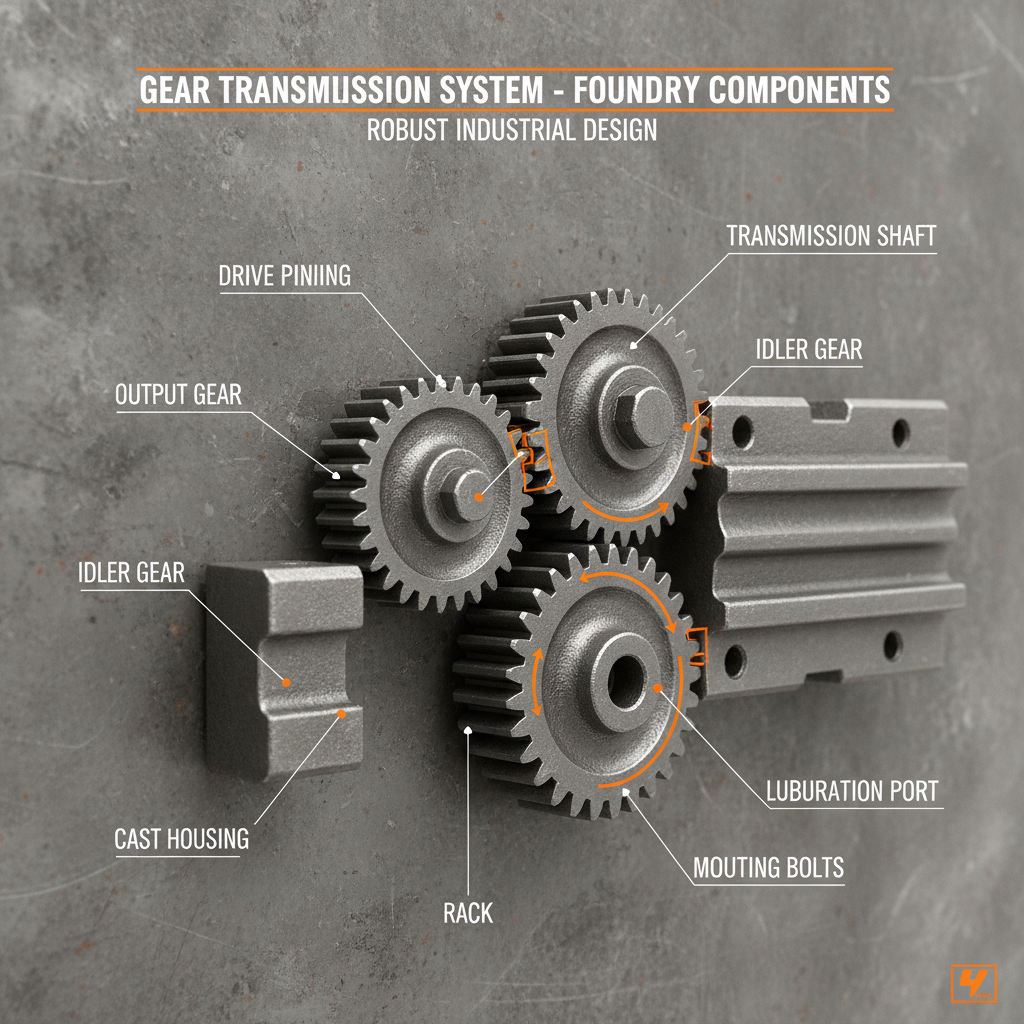
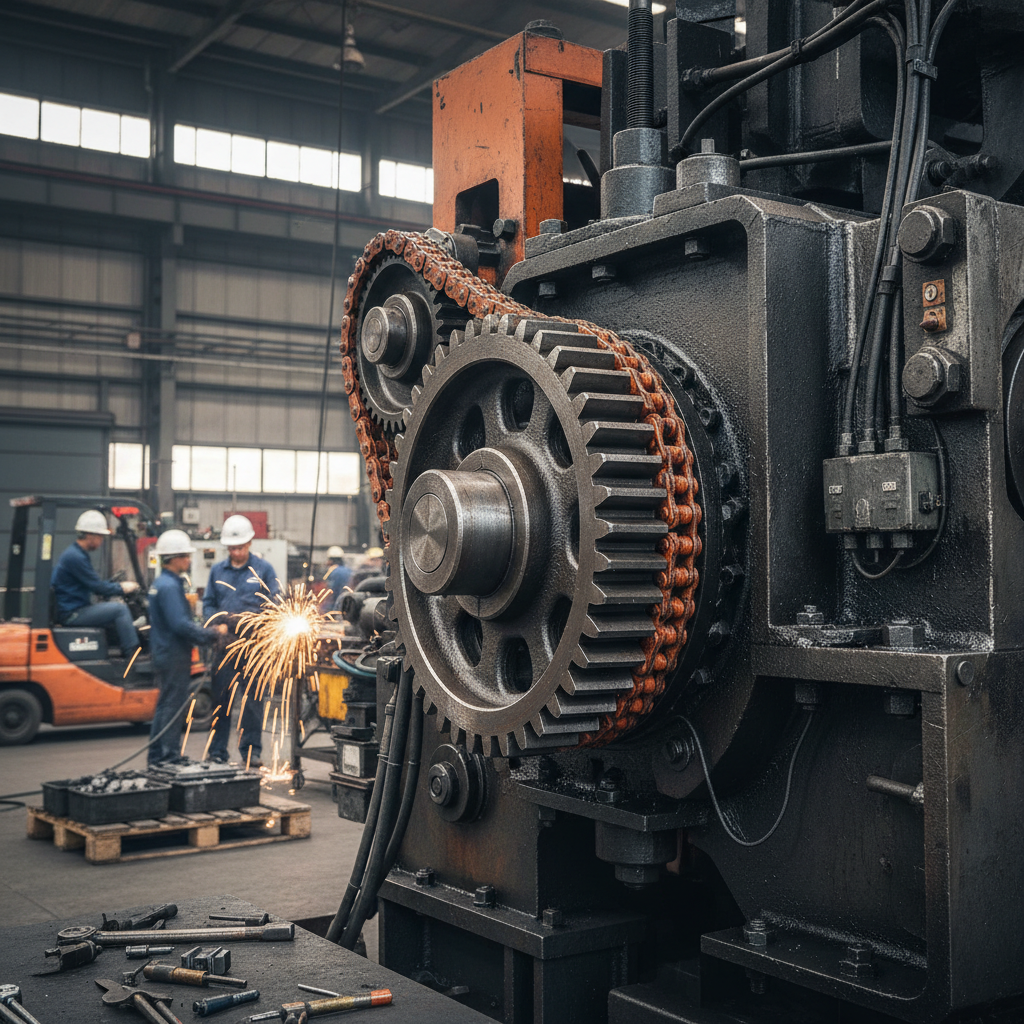
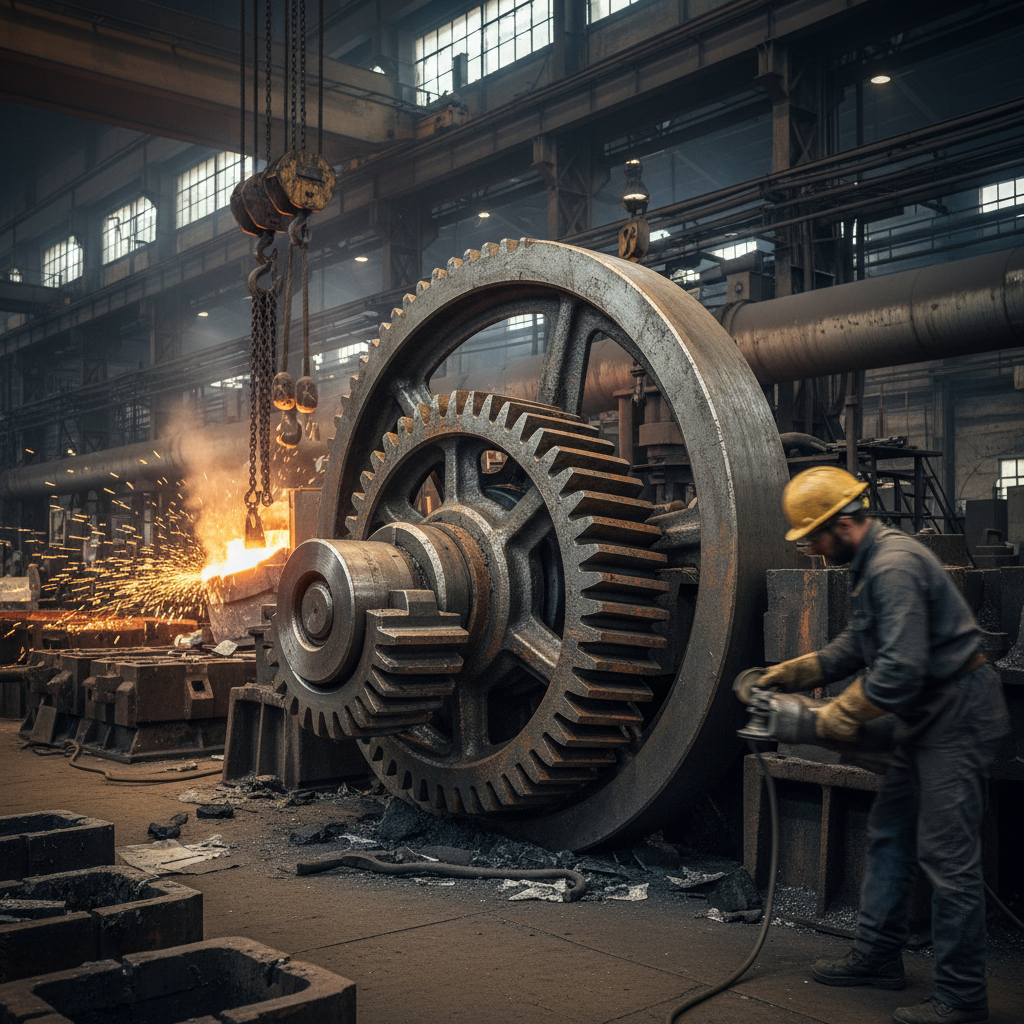
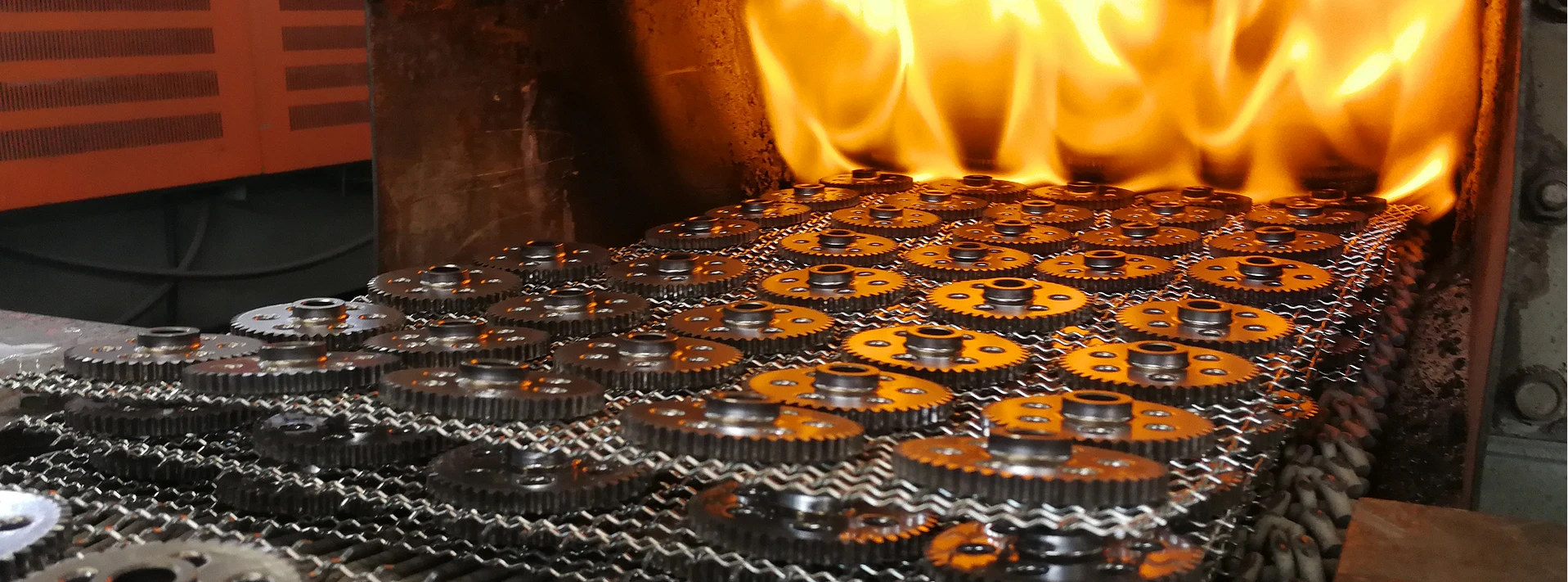
Simply put, gear cutting is the process of shaping gear teeth onto a blank or raw gear body using specialized tools and machines. Think of it as sculpting mechanical “teeth” designed to mesh perfectly with their counterparts, transferring motion and force smoothly. Techniques vary — from hobbing and shaping to broaching and milling — each suited for different gear types and production volumes.
In modern industry, gear cutting intersects with everything from heavy-duty trucks to medical devices. On a humanitarian note, the technology indirectly supports infrastructure rebuilding and aid delivery by enabling reliable machinery essential in those contexts.
Core Components That Define Effective Gear Cutting
1. Precision & Accuracy
Precision is king in gear cutting. Machining gear teeth to exact dimensions ensures smooth engagement and prolongs operational lifespan. I often hear about how subtle errors in tooth profile angles can cause vibration and noise—no fun for manufacturers or end users.
2. Material Selection
While the cutting process itself shapes the gear, choosing the right base material affects durability and performance. Steel alloys, cast iron, and newer composites all play roles depending on strength, wear resistance, and cost constraints.
3. Scalability & Production Speed
Some manufacturers produce thousands of gears daily, relying on fast, repeatable gear cutting methods like hobbing. Smaller workshops may favor shaping, which allows for more flexibility. Balancing speed with quality is an ongoing challenge.
4. Cost Efficiency
Raw material, machine time, tooling wear, and labor all factor in. Efficient gear cutting minimizes waste and machine downtime, which in turn reduces costs—a crucial factor when sourcing for global supply chains.
5. Environmental Impact
Oddly enough, the eco angle isn’t always obvious but is gaining importance. Cleaner cutting fluids, energy-efficient machines, and recyclable materials help align gear cutting with sustainability goals.
Mini takeaway: Effective gear cutting hinges on precision, the right materials, scalable methods, cost controls, and growing awareness about environmental footprint.Real-World Applications and Use Cases of Gear Cutting
Whether in the tech hubs of Germany, the heavy industrial zones of China, or even war-torn regions rebuilding infrastructure, gear cutting shows up everywhere. Consider these examples:
- Automotive industry: Gear cutting is vital for gearboxes, differential gears, and steering systems. Japan’s automotive cluster is a prime example of tight integration between precision gear cutting and assembly lines.
- Renewable Energy: Wind turbines utilize large, precisely cut gears to drive generators. Scandinavian countries specifically invest heavily in high-quality gear production to ensure longevity in rough weather conditions.
- Post-Disaster Relief: Rebuilding efforts after natural disasters rely on machinery with durable gears. NGOs procuring construction equipment require gears cutting solutions that withstand rough usage without frequent failures.
- Industrial Automation: Gear cutting supports robotics and conveyor systems across industries — including food processing and pharmaceuticals — where precision and hygiene standards matter.
Advantages and Long-Term Value of Quality Gear Cutting
Investing in precise gear cutting yields multiple benefits:
- Cost savings: Longer gear life means fewer replacements and lower maintenance.
- Reliability: Smooth operation reduces breakdowns and enhances safety — a critical factor in transport and heavy machinery.
- Sustainability: Less scrap and more energy-efficient production contribute to greener operations.
- Innovation: Flexibility in gear design spurs advancements in robotics, aerospace, and more.
- Social Impact: Reliable machinery powered by quality gears boosts productivity and economic growth in developing regions.
Emotionally, trust in a well-made product inspires confidence among engineers and end users, translating into brand loyalty and better customer experience.
Product Specification Table: Typical Gear Cutting Machine Features
| Feature | Description | Typical Range |
|---|---|---|
| Cutting Method | Hobbing, Shaping, Broaching | Varies by gear type |
| Max Gear Diameter | Largest gear size machine can handle | Up to 1000 mm |
| Tooth Module | Gear tooth size range | 0.5 – 20 mm |
| Machine Speed | Revolutions per minute (RPM) | 10 – 500 RPM |
| Material Compatibility | Steel, Aluminum, Composite | Most metals & composites |
| Automation Level | Manual to CNC controlled | Fully automated available |
Comparing Gear Cutting Vendors: What to Look For
| Vendor | Machine Types | Customization | Global Reach | Price Range |
|---|---|---|---|---|
| AlphaGears Inc. | Hobbing, CNC Shaping | High | Europe, Asia, Americas | $$$ |
| PrecisionCut Co. | Broaching, Milling | Medium | Asia, Middle East | $$ |
| GearTech Solutions | CNC Hobbing, Automated Lines | High | Global | $$$$ |
| ModularGear Ltd. | Shaping, Manual | Low | Europe | $ |
Future Trends and Innovations in Gear Cutting
Gear cutting doesn’t stand still—quite the opposite, actually. Digital transformation is reshaping the landscape, with CNC automation allowing ultra-precise designs and faster production. Additive manufacturing is also making waves—imagine printing some gear components rather than cutting them, striking curious engineers everywhere.
Materials are evolving too. Composite gears are lighter and resist corrosion, perfect for green energy applications like electric vehicles and wind turbines. Smart sensors embedded in gear systems enable predictive maintenance, minimizing unexpected failures.
From an environmental stance, there’s a steady push to reduce lubricant usage and energy consumption in gear cutting operations, aligning manufacturing with international sustainability standards like ISO 14001.
Challenges and Smart Solutions To Gear Cutting
It’s not all glamorous. Gear cutting faces hurdles like:
- Tool wear leading to less precision over time
- High capital costs for state-of-the-art equipment
- Need for skilled operators amidst a shrinking talent pool
- Balancing speed and quality in mass production
However, solutions are emerging. Advanced coatings extend tool life, AI-enhanced machine learning optimizes cutting paths, and virtual training programs help new engineers jump in fast. Plus, modular machine designs let small workshops upgrade gradually without blowing budgets.
FAQ: Common Questions About Gear Cutting
Q1: What gear cutting method is best for high-volume production?
A1: Hobbing is generally preferred for high-volume gear production due to its speed and versatility. It provides consistent quality for standard gear types and allows automation integration, which is vital for large-scale manufacturing operations.
Q2: How does gear cutting impact the lifespan of mechanical equipment?
A2: Precisely cut gears minimize tooth wear and reduce mechanical vibrations, significantly extending the lifespan of machines. Poorly cut gears cause early failures, so quality cutting directly translates into longer service intervals and less downtime.
Q3: Can gear cutting be eco-friendly?
A3: Yes. Using biodegradable cutting fluids, energy-efficient CNC machines, and recycling metal scraps help reduce environmental impact. Additionally, new materials like composites also contribute to greener gear production.
Q4: Are custom gear cutting services available for specialized machinery?
A4: Absolutely. Many vendors offer tailored solutions including custom tooth profiles and materials to meet specific application needs, especially in aerospace, robotics, and medical devices.
Q5: How do companies ensure quality control in gear cutting?
A5: Quality control involves precise measurement tools such as coordinate measuring machines (CMM), gear testers, and microscopy. Many companies follow ISO standards like ISO 1328 for gear accuracy, ensuring each batch meets strict dimensional requirements.
Conclusion: Why Gear Cutting Should Matter To You
When you boil it down, gear cutting is more than a manufacturing step — it’s an enabler of innovation, reliability, and sustainability across industries. The technology quietly powers our cars, our factories, and even critical humanitarian machinery.
I encourage you to explore gear cutting solutions at gear cutting providers who not only value precision but also the global impact their work has. After all, well-cut gears keep the world turning smoothly, one tooth at a time.
1. ISO Standards on Gear Accuracy, iso.org
2. Gear Manufacturing Industry Data, worldbank.org
3. Gear Cutting Methods Overview, Wikipedia