




Gears Manufacturers: Driving Global Industry and Innovation
If you think about the quiet workhorses behind almost every machine and vehicle on the planet, gears are up there. And the gears manufacturers—well, they’re the unsung heroes of modern industry. Globally, these manufacturers aren’t just producing components; they’re enabling transportation, manufacturing, energy distribution, and even humanitarian aid. Understanding the landscape of gears manufacturing is crucial for anyone interested in the backbone of mechanical innovation—and yes, it matters on a global scale more than you might expect.
Introduction: Why Gears Manufacturers Matter Worldwide
Globally, the mechanical components market, including gears, is expected to expand at a steady pace, thanks to rising industrialization and technological advances. According to the latest ISO reports and the World Bank’s industrial output data, growth in sectors like automotive, aerospace, and renewable energy is propelling the demand for high-precision gears. But here’s the challenge: the quality and consistency from gears manufacturers directly affect the reliability and efficiency of these industries. Poorly manufactured gears can lead to costly downtime, safety hazards, and shorter machine lifespans.
In real terms, this is why governments and industries prioritize partnerships with trusted gears manufacturers. Their role, frankly, is to keep the wheels turning—both literally and metaphorically—around the world.
Mini takeaway: Gears manufacturers form a critical link in the global industrial chain, and their impact goes far beyond simple part production.
What Are Gears Manufacturers?
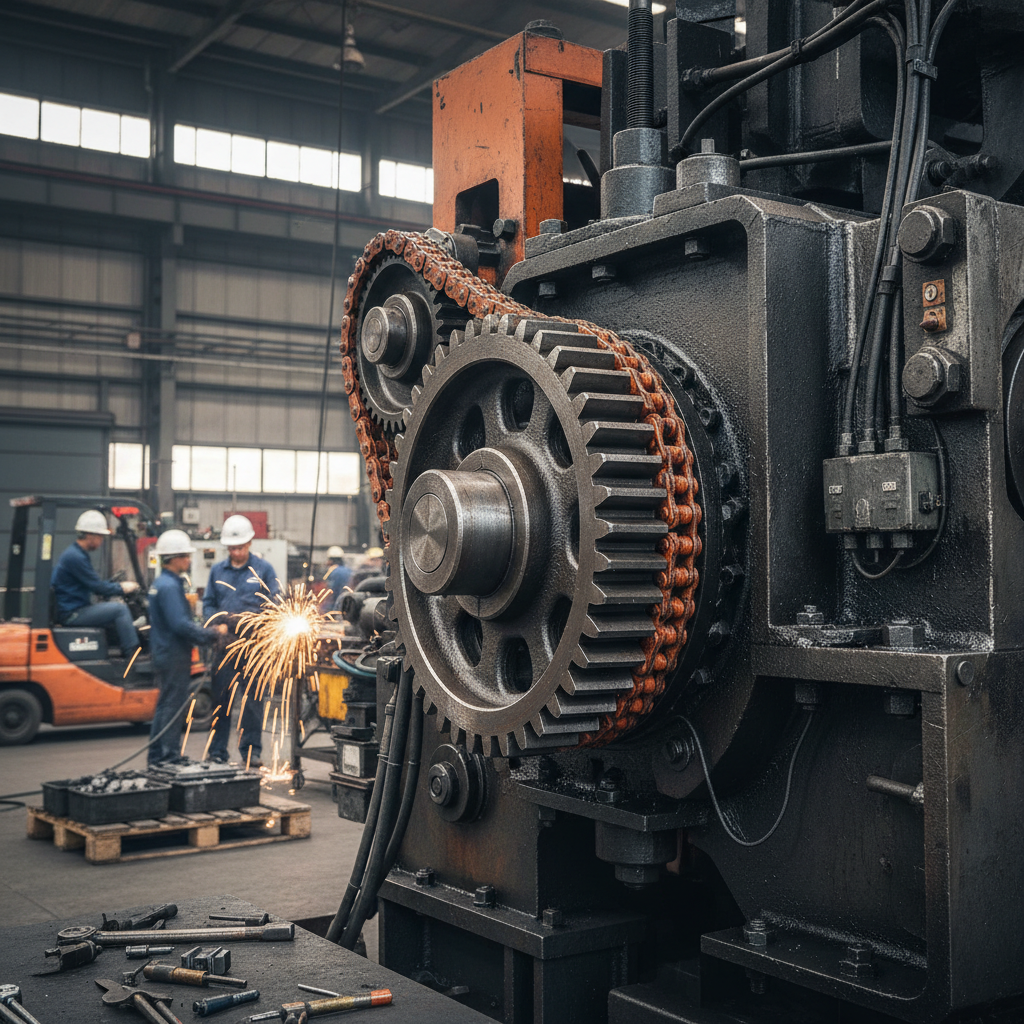
Put simply, gears manufacturers are companies specialized in designing, producing, and sometimes assembling gears—those toothed wheels that transmit torque and rotation between mechanical parts. These manufacturers work with diverse materials like steel alloys, brass, and engineering plastics, depending on the operational demands.
Beyond just production, their work ties deeply into modern industry requirements such as precision, durability, and customization. Even humanitarian needs, such as creating reliable agricultural machinery in developing regions, rely on quality gears crafted by these specialists.
Key Aspects of Gears Manufacturers
1. Precision and Quality Control
Precision is king in gear manufacturing. Tolerances often fall within microns, because any misalignment could cause machine failure. Manufacturers invest heavily in CNC machines and inspection technologies (think coordinate measuring machines, or CMMs) to maintain strict quality standards.
2. Material Expertise
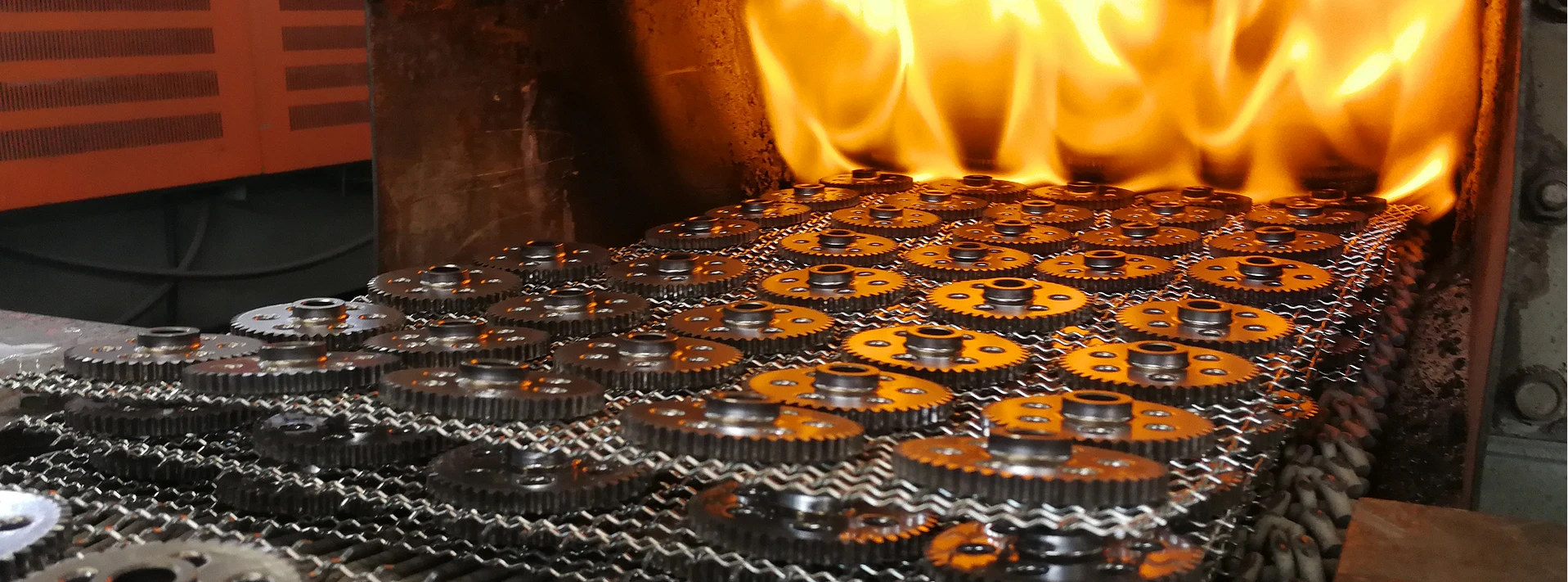
The choice of material affects longevity and efficiency. Steel alloys with specific hardness or treated with processes like carburization improve wear resistance. Some manufacturers venture into advanced composites for lightweight, high-strength gears used in aerospace or electric vehicles.
3. Scalability & Customization
Depending on customer needs—say, an automotive giant versus a small robotics startup—gears manufacturers must be flexible. Some excel at mass production; others specialize in bespoke, high-precision manufacturing, which often requires tailored tooling.
4. Cost Efficiency
Efficiency isn’t only about production speed but also optimizing materials and reducing waste. Advanced manufacturing technologies like additive manufacturing (3D printing) are beginning to reshape how some gears manufacturers approach cost and design innovation.
5. Sustainability Practices
Oddly enough, the gears industry has been slower on the sustainability front, but that’s changing. Many manufacturers now adopt greener processes, recycling scrap metal and using eco-conscious lubricants and coatings.
Mini takeaway: Successful gears manufacturers combine precision, material science, scalability, cost-efficiency, and emerging sustainability principles.
Product Specification Table: Typical Industrial Gear Parameters
| Specification | Typical Range | Remarks |
|---|---|---|
| Material | Alloy Steel, Brass, Nylon | Depends on load & environment |
| Module (Gear Tooth Size) | 0.5 – 10 mm | Smaller for precision, larger for heavy-duty |
| Hardness | HRC 45 – 65 | Heat treatment dependent |
| Surface Finish | 0.4 – 1.25 μm Ra | Polishing & grinding for smooth meshing |
| Load Capacity | Up to several tons static load | Highly variable by design |
Global Applications & Use Cases
To grasp the diversity of gears’ roles, just imagine how many industries depend on these components:
- Automotive manufacturing: Cars and trucks rely on thousands of gears for transmissions, steering, and braking systems.
- Aerospace: Lightweight, high-strength gears are critical for aircraft control systems and turbine engines.
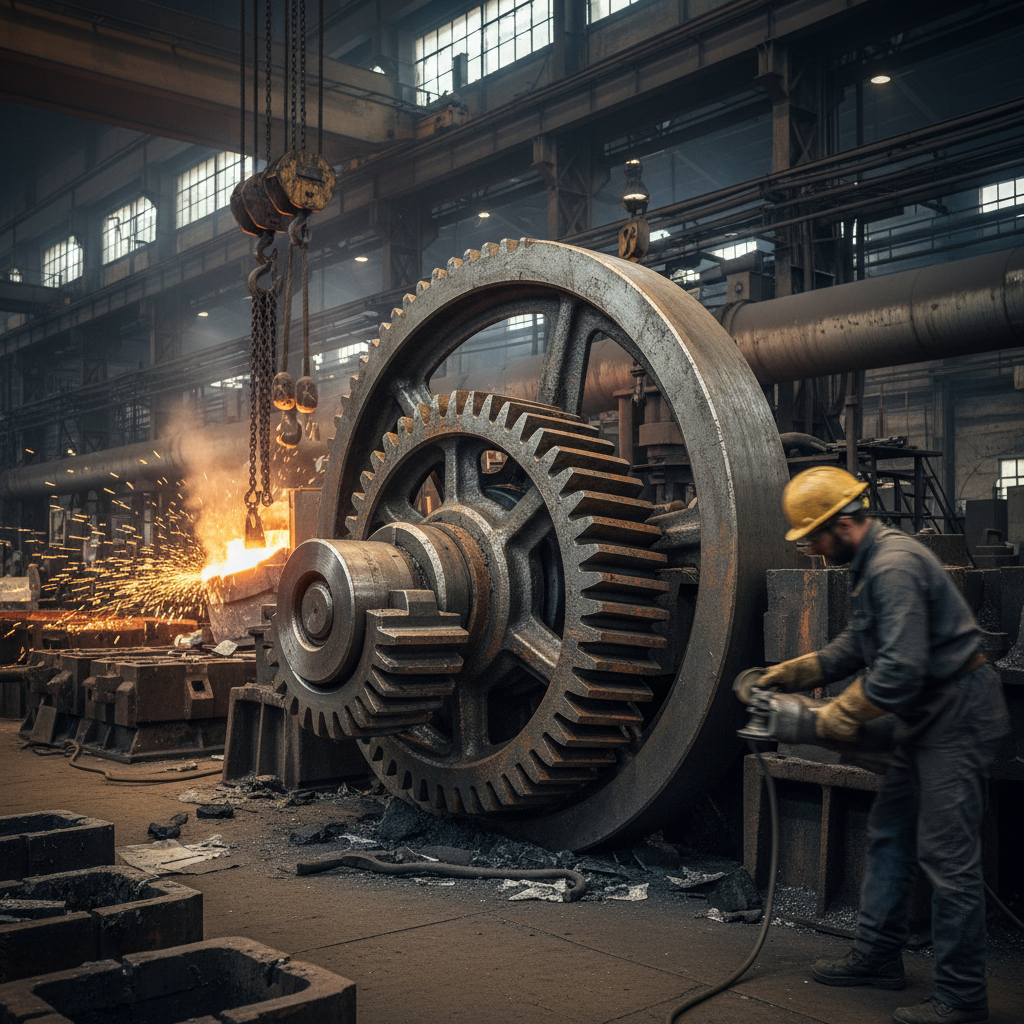
- Renewable energy: Wind turbines have massive gearboxes; the durability there translates into reliable green power generation.
- Humanitarian operations: In remote agricultural zones or post-disaster relief, robust transmission gears enable essential machinery like generators and water pumps.
Regionally, countries with heavy manufacturing like Germany, Japan, and the US dominate leading gear production, while emerging economies ramp up production to serve local industries. Many NGOs depend on equipment from trusted gears manufacturers for durable tools in challenging environments.
Mini takeaway: The global footprint of gears manufacturers spans from luxury aerospace to vital humanitarian equipment, showcasing remarkable versatility.
Advantages & Long-Term Value of Quality Gear Manufacturing
Quality gears translate into.
- Cost savings: Reduced downtime and maintenance.
- Safety: Properly made gears minimize catastrophic failures.
- Innovation: Enabling new technologies like electric vehicles to thrive.
- Sustainability: Longer-lasting parts reduce waste and environmental impact.
There’s something emotional in relying on machinery that just works—and knowing the gears helping you depend on it are made thoughtfully and precisely instills a quiet confidence.
Current and Future Trends in Gears Manufacturing
Digital transformation is a buzzword, but it fits well here. Many gears manufacturers now use AI-assisted design and simulation to optimize gear profiles even before production. Additive manufacturing is also an emerging game-changer—especially for complex or custom gears, reducing lead times and waste.
Materials science continues evolving too, with composites and surface coatings pushing the limits of efficiency and durability. Green energy sectors are influencing gears design, focusing on recyclability and lower friction losses. Overall, sustainability is no longer optional but integral.
Challenges and Innovative Solutions
Despite advances, several challenges persist. Maintaining high precision at scale, managing costs, and reducing material waste remain tricky. Global supply chain disruptions also occasionally impact delivery and quality control.
Experts emphasize investing in automation and real-time quality monitoring to tackle these issues. Collaborative platforms that link designers and manufacturers digitally help reduce errors early on. And transparency with customers about manufacturing practices builds trust in an ever-crowded market.
Vendor Comparison Table of Leading Gears Manufacturers
| Manufacturer | Specialization | Production Capacity | Sustainability Initiatives | Global Reach |
|---|---|---|---|---|
| GearTech Inc. | High-precision aerospace gears | 50,000 units/month | ISO 14001 certified; uses recycled alloys | Global (Europe, North America, Asia) |
| Duragear Ltd. | Heavy industry and wind turbine gears | 80,000 units/month | Investment in renewable energy plants | Strong presence in Europe and Africa |
| JSS Sintering | Custom and mass-manufactured precision gears | 100,000+ units/month | Advanced eco-friendly sintering processes | Asia-focused, expanding globally |
Frequently Asked Questions About Gears Manufacturers
- Q: How do I choose the right gears manufacturer for my project?
- A: Consider factors like manufacturing capacity, specialization, quality certifications (e.g., ISO 9001), and sustainability practices. If you require custom designs, prioritize vendors with flexible production and R&D capabilities. Also, check client reviews and industry reputation.
- Q: What materials are typically used for industrial gears?
- Most industrial gears are made from alloy steels for strength and wear resistance, often heat-treated. Brass and engineering plastics serve lower-load or noise-sensitive applications. Material choice depends on load, operating conditions, and lifespan requirements.
- Q: How do manufacturers ensure gear quality and precision?
- They use CNC machining paired with rigorous inspection tools like coordinate measuring machines (CMM) and employ strict quality control standards throughout production. Statistical process controls and heat-treatment monitoring also help maintain precision.
- Q: Can gears manufacturers help with prototype development?
- Yes, many offer prototyping services using additive manufacturing or small-batch CNC machining, allowing clients to test designs before full-scale production. Custom gear manufacturing has become more accessible due to digital design tools.
- Q: Are eco-friendly gears available, and how are they made?
- Eco-friendly gears incorporate recycled materials or are produced with energy-efficient processes like advanced sintering. Some use biodegradable lubricants and coatings to reduce environmental impact during operation. It’s an emerging but growing market segment.
Conclusion: Why Gears Manufacturers Are Vital—and How to Connect
The world quite literally runs on gears, and manufacturers of these crucial components continue to innovate and support industries across the globe. From enhancing mechanical reliability to pushing sustainability and embracing new tech, their role cannot be overstated. If your project or industry depends on mechanical precision, tapping into trusted gears manufacturers can be the difference between success and costly setbacks.
Want to learn more or discuss your specific needs? Visit our website: https://www.jssintering.com —where top-tier gears manufacturers await to turn your ideas into reality.
Final takeaway: Precision, innovation, and reliability from gears manufacturers keep the pulse of global industry beating steadily.
References:
1. ISO Standards for Gear Quality
2. World Bank Industrial Output Data
3. Wikipedia: Gear