




Understanding the Role of a Gear Manufacturer in Modern Industry
When you think about what powers most machines, vehicles, and many industrial systems, gears are quietly at work turning energy into motion. A gear manufacturer plays a crucial role in creating these components that drive everything from wind turbines to cars — quietly transforming torque and speed to keep our infrastructure running. Globally, this manufacturing niche impacts industries worth billions and supports innovation in engineering sectors worldwide.
But why does understanding gear manufacturing matter? Well, it’s central to efficiency, reliability, and sustainability in countless applications. From crafting gears that last decades without failure, to innovation in materials for greener production, knowing how gears are made and by whom tells us a lot about industrial progress.
Meet the gear manufacturer that’s pushing the limits in precision and durability — and shaping the future of mechanical power transmission.Global Context: Why Gear Manufacturing Matters Now More Than Ever
The global market for gear manufacturing is projected to exceed $28 billion by 2027, spurred by increased mechanization and demand for sustainability (source: Statista). Industries ranging from aerospace to agriculture depend heavily on high-quality gears. Oddly enough, despite being such a mature technology, gear manufacturing still grapples with challenges like material waste, precision limits, and adapting to rapid industrial digitalization.
For developing economies, local gear manufacturers can be game-changers by supplying affordable, reliable parts that enable growth in construction and manufacturing. At the other end, in high-tech sectors, state-of-the-art gear production processes push the envelope for miniaturization and strength — all while aiming to reduce costs and carbon footprints.
What Exactly Is a Gear Manufacturer?
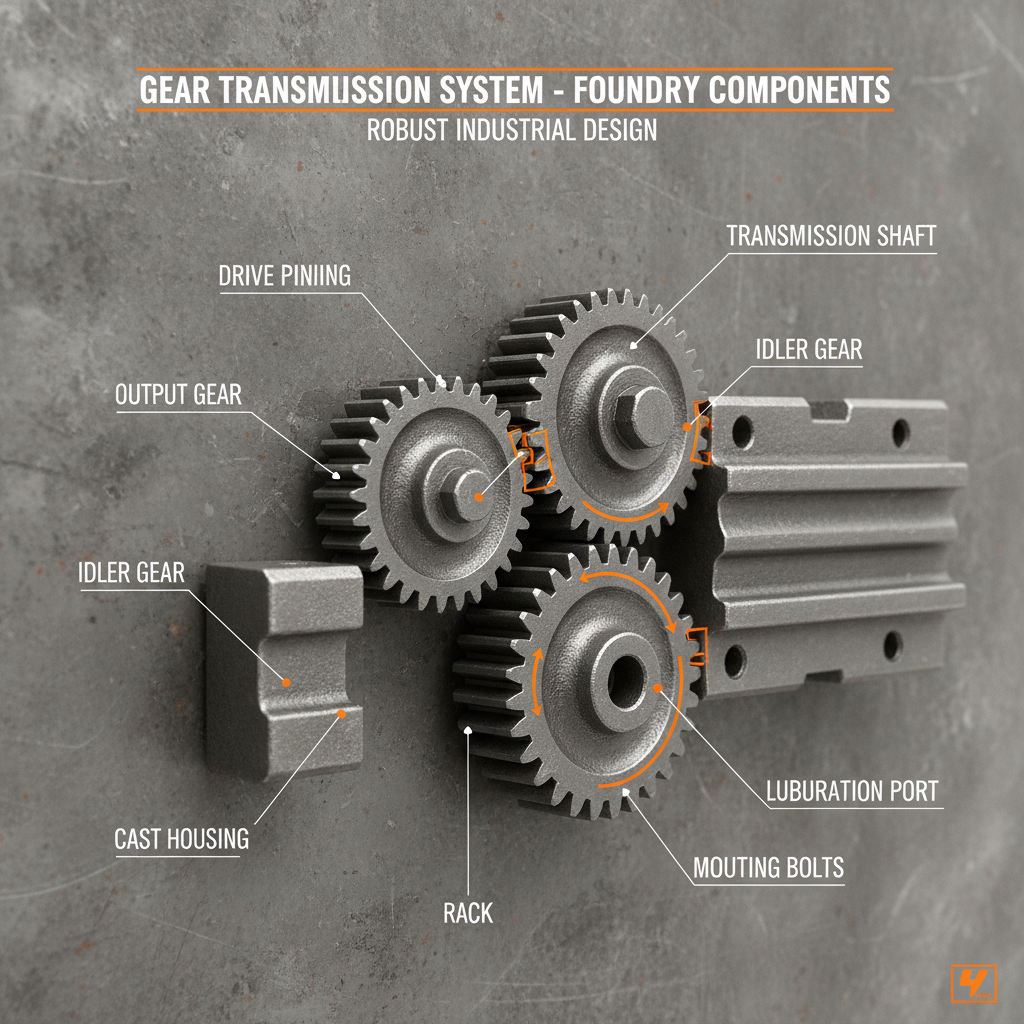
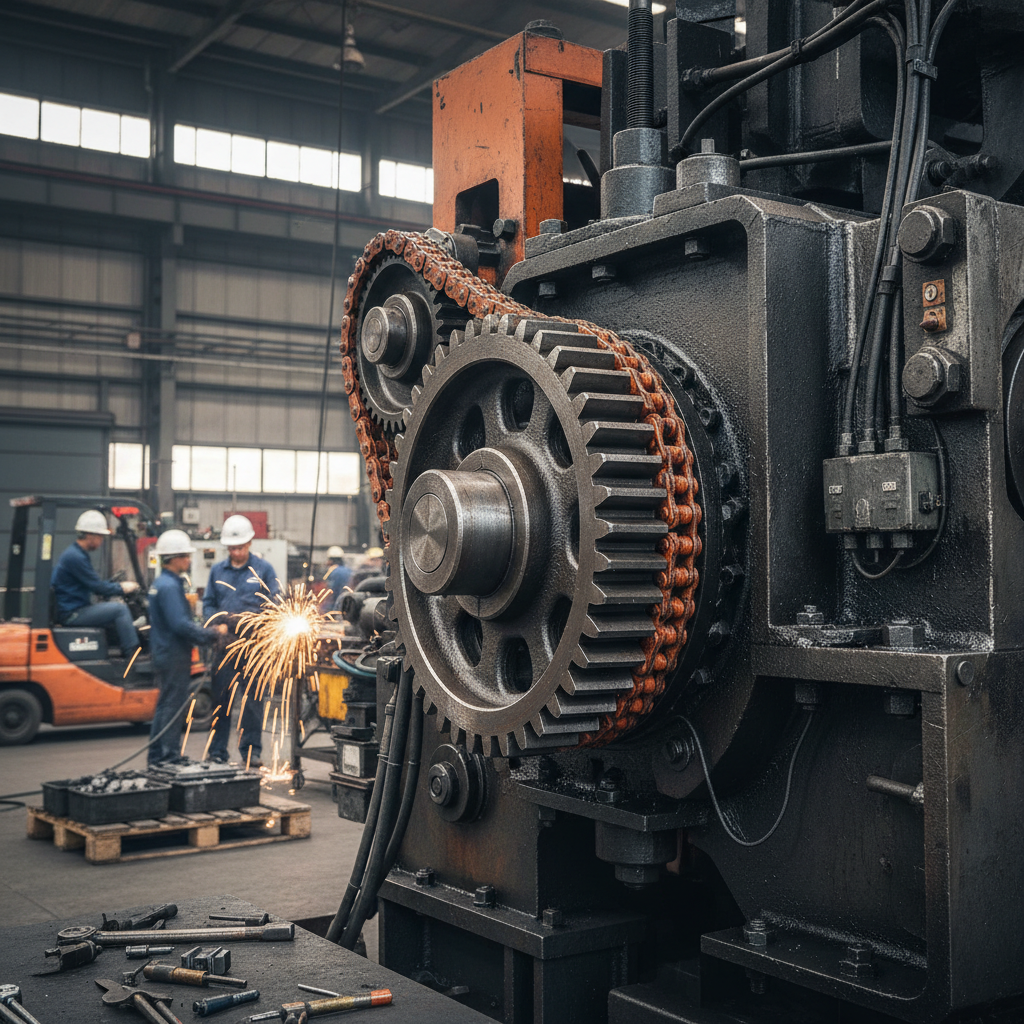
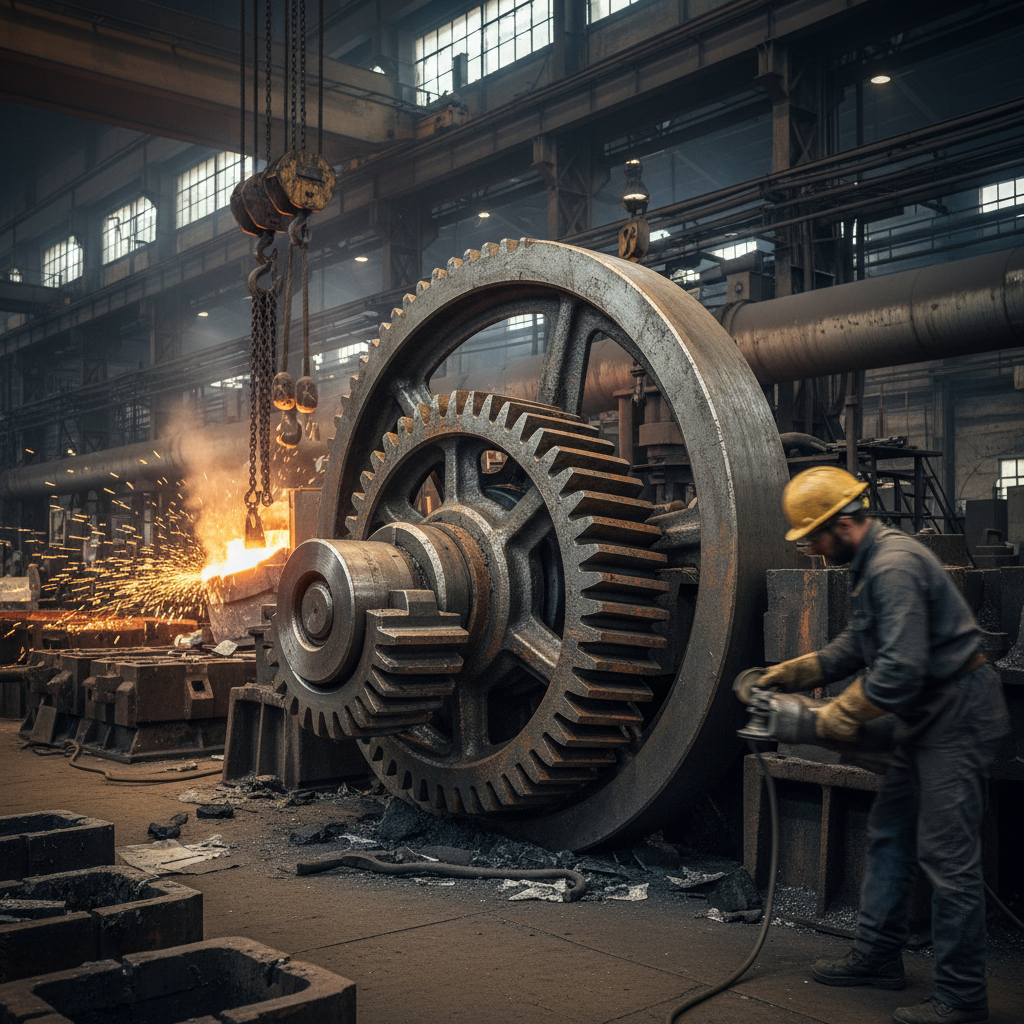
Put simply, a gear manufacturer is an industrial company or workshop that designs, fabricates, and tests gears. These can range from small, precision gears inside medical devices to massive ones used in wind turbines or mining equipment. The connection to modern industry and even humanitarian needs is clear: reliable gears keep rigs drilling for clean energy, agricultural equipment feeding populations, and vehicles transporting aid in disaster zones.
Many gear manufacturers today also specialize in custom solutions, working closely with engineering teams to adapt gear design for innovative products or tough environments, making them integral partners rather than just suppliers.
Core Components of Gear Manufacturing Success
Durability
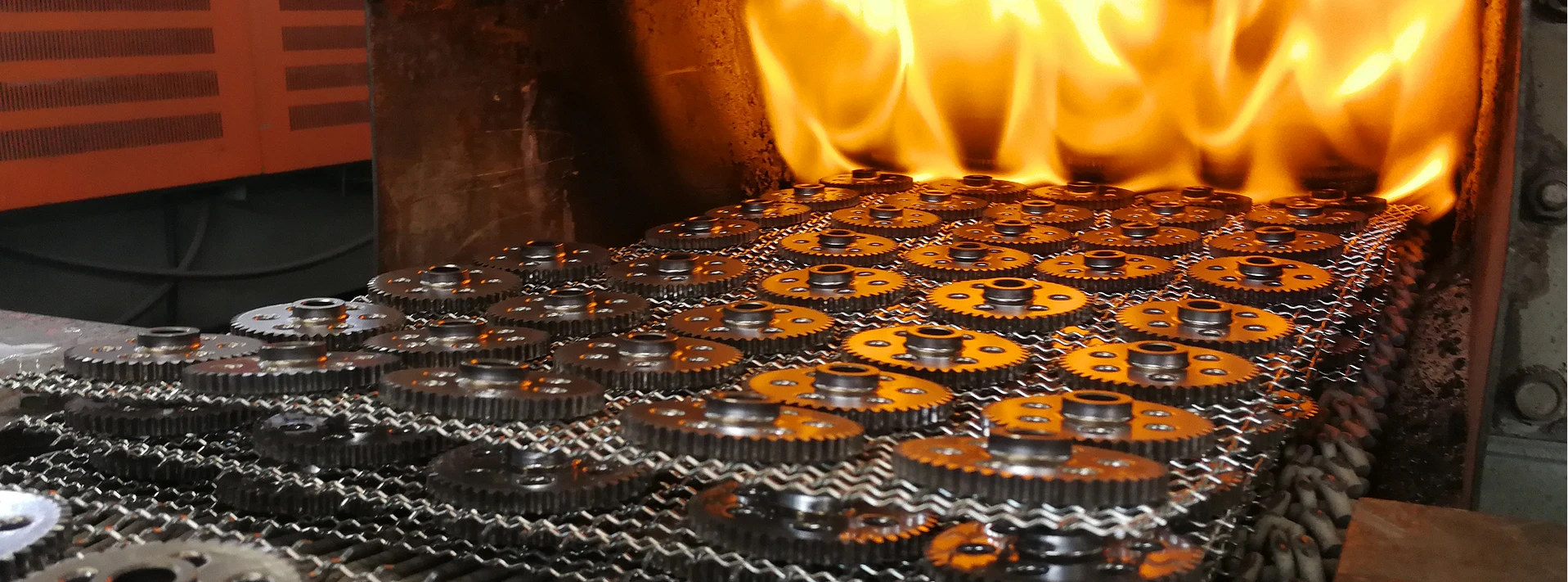
Gears have to withstand immense stress and wear — often in harsh conditions. A reliable gear manufacturer employs materials like alloy steels with heat treatments designed to extend lifespan and reduce maintenance downtime.
Precision Engineering
The tiniest dimensional slip can mean machinery breakdown or performance loss. Modern manufacturers use CNC machines and laser measurement to ensure gears meet exact specifications.
Scalability and Customization
Whether producing thousands of identical gears or a handful of tailor-made prototypes, flexibility is key. Efficient manufacturers balance automation with skilled craftsmanship to do both well.
Cost Efficiency
Advanced manufacturing methods, including additive manufacturing and lean processes, help reduce scrap, speed production, and control costs without compromising quality.
Sustainability
More factories now seek to lower energy use, recycle metal scraps, and minimize environmental impact — more than just a trend, it’s becoming a market differentiator.
Mini Takeaway:
Understanding these factors highlights why partnering with a knowledgeable, forward-thinking gear producer can dramatically impact the success and longevity of your industrial projects.
Global Applications & Use Cases for Gear Manufacturers
- Renewable Energy: Wind turbines require high-precision planetary gears robust enough to handle varying loads across environmental extremes.
- Automotive Industry: Transmissions and differential gears need tight tolerances for fuel efficiency and performance.
- Military and Aerospace: Gears withstand extreme conditions and require impeccable reliability for safety.
- Humanitarian Aid: In remote disaster relief zones, portable machinery with durable gears helps speed infrastructure rebuilding.
- Manufacturing Automation: Robots and assembly lines depend on smooth, rapid gear movements for precision manufacturing.
Regions pushing gear manufacturing innovation include Germany, Japan, China, and the U.S. Meanwhile, emerging economies increasingly build local capacity, aided by technology transfers and partnerships.
Advantages & Long-Term Value of Quality Gear Manufacturing
Choosing the right gear manufacturer delivers multiple advantages:
- Reliability: Reduces costly equipment failures and downtime.
- Cost Savings: Durable gears lower maintenance costs and replacements.
- Sustainability: Advanced materials and processes contribute to a smaller environmental footprint.
- Innovation Partner: Collaborative development accelerates product improvements.
- Trust & Safety: High-quality gears ensure user safety and regulatory compliance.
On an emotional level, industries can take pride knowing their machines are powered by trusted components — a foundation of progress and safety.
Future Trends & Innovations in Gear Manufacturing
Looking ahead, the sector is embracing:
- Digital Transformation: AI-driven design, predictive maintenance, and Industry 4.0 integration.
- New Materials: Composites and surface coatings for lighter, stronger gears.
- Green Energy Focus: Gears optimized for wind, hydro, and electric vehicles.
- Automation: Robotics for precision assembly and quality control.
These trends promise not just better gears but also more sustainable and cost-effective manufacturing — broadly benefiting global industry.
Challenges & Solutions
Of course, gear manufacturing is not without its hurdles. Challenges include:
- Material Limitations: Some metals can’t easily withstand all stressors.
- Cost Pressures: Balancing quality with affordable pricing is tricky.
- Technical Complexity: Designing gears for extreme conditions can be daunting.
Solutions often come down to expert engineering, closer collaboration with customers, and continued investment in R&D. Some manufacturers now leverage simulation software to predict failures before production — pretty helpful, right?
Key Product Specifications of a Typical Gear Manufacturer's Offerings
| Specification | Typical Range | Notes |
|---|---|---|
| Material | Alloy Steel, Carbon Steel, Stainless Steel, Composites | Depends on application |
| Module (Size) | 0.1 mm to 50 mm | Customizable |
| Heat Treatment | Carburizing, Nitriding, Induction Hardening | Enhances wear resistance |
| Accuracy Class | ISO 4 to ISO 8 | Higher number = lower precision |
| Surface Finish | Ra 0.4 µm to 3.2 µm | Depends on grinding and polishing |
Vendor Comparison: Leading Gear Manufacturers at a Glance
| Vendor | Specialty | Lead Time | Customization Level | Sustainability Efforts |
|---|---|---|---|---|
| GearPro Inc. | Automotive precision gears | 4-6 weeks | High | ISO 14001 certified |
| Millennium Gears | Heavy industry & wind power | 6-8 weeks | Medium | Uses recycled metals |
| PrecisionCogs | Miniature and aerospace gears | 3-5 weeks | Very High | Green energy powered plant |
FAQ: Frequently Asked Questions About Gear Manufacturer
- Q: How do I choose the best gear manufacturer for my project?
A: Look for manufacturers with experience in your industry, who offer customization, demonstrate precise quality control, and have transparent sustainability practices. - Q: What materials are commonly used for manufacturing gears?
A: Steel alloys dominate due to strength and durability. Depending on the application, manufacturers may also use stainless steel, brass, plastics, or composites. - Q: Can gear manufacturers deliver rapid prototypes for testing?
A: Yes, many modern gear manufacturers use CNC machining and additive manufacturing to produce fast prototypes, accelerating product development cycles. - Q: How important is the accuracy class of a gear?
A: Very important. Higher accuracy class gears ensure smoother operation, less noise, and longer service life, especially in precision-driven industries like aerospace.
Conclusion and Call to Action
Choosing the right gear manufacturer is more than just about buying a part—it’s about investing in reliability, innovation, and sustainability for your projects. Whether you’re powering a factory or building next-gen machinery, the quality and expertise behind your gears make all the difference. I suppose it’s a less-visible, but absolutely indispensable part of how the world turns.
For well-crafted solutions that combine precision, customization, and forward-thinking manufacturing, visit our website and discover how we can help power your projects with excellence.
Final Thoughts
The humble gear, often overlooked, is a cornerstone of industrial progress and innovation. Getting to know the manufacturers behind them gives us insight into the complex dance of engineering, technology, and sustainability that keeps the modern world moving.
References1. Wikipedia: Gear
2. ISO 1328-1: Gear accuracy
3. Statista: Gear Market Size