






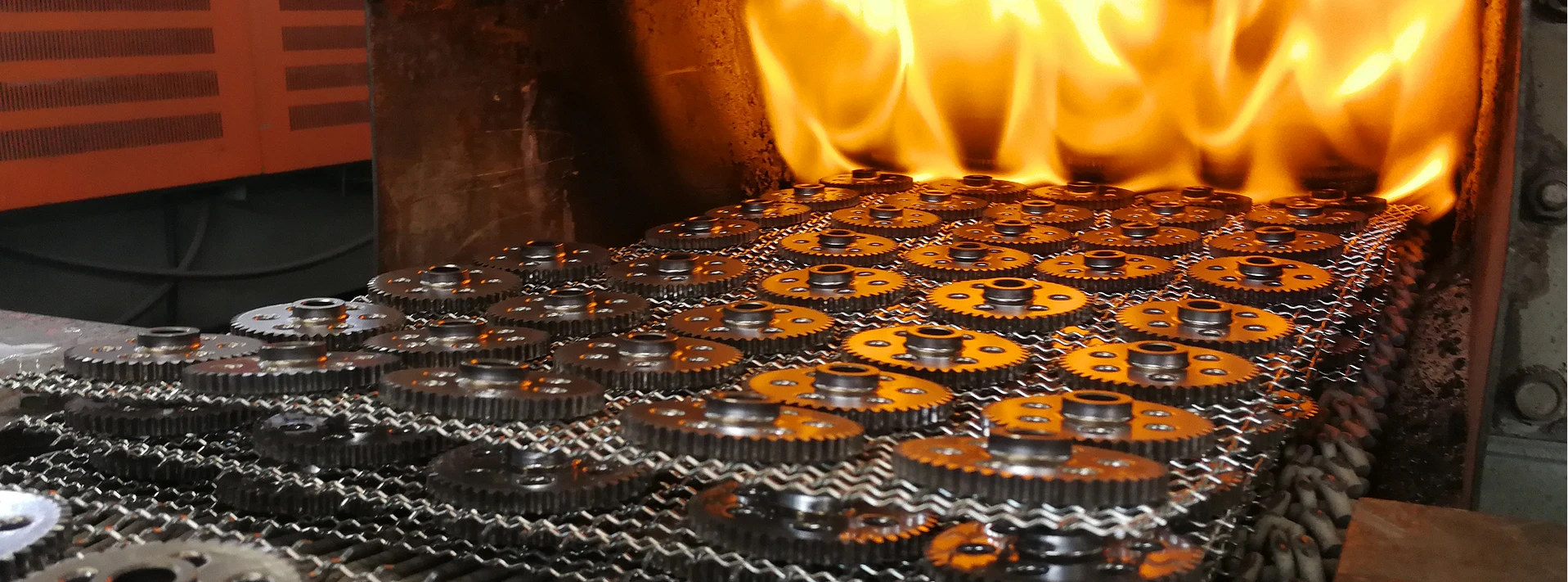
Gear for Machinery: A Comprehensive Guide
In the world of industrial operations and manufacturing, reliable machinery is paramount. However, even the best machines require consistent maintenance and, inevitably, parts replacement. Understanding the different types of gear for machinery is crucial for optimizing performance, preventing downtime, and ensuring operational safety. This article delves into the world of machine gears, covering various types, materials, applications, and factors to consider when selecting the right gear for your specific needs. Choosing the correct gear components can significantly impact efficiency and longevity.
Understanding the Different Types of Gears
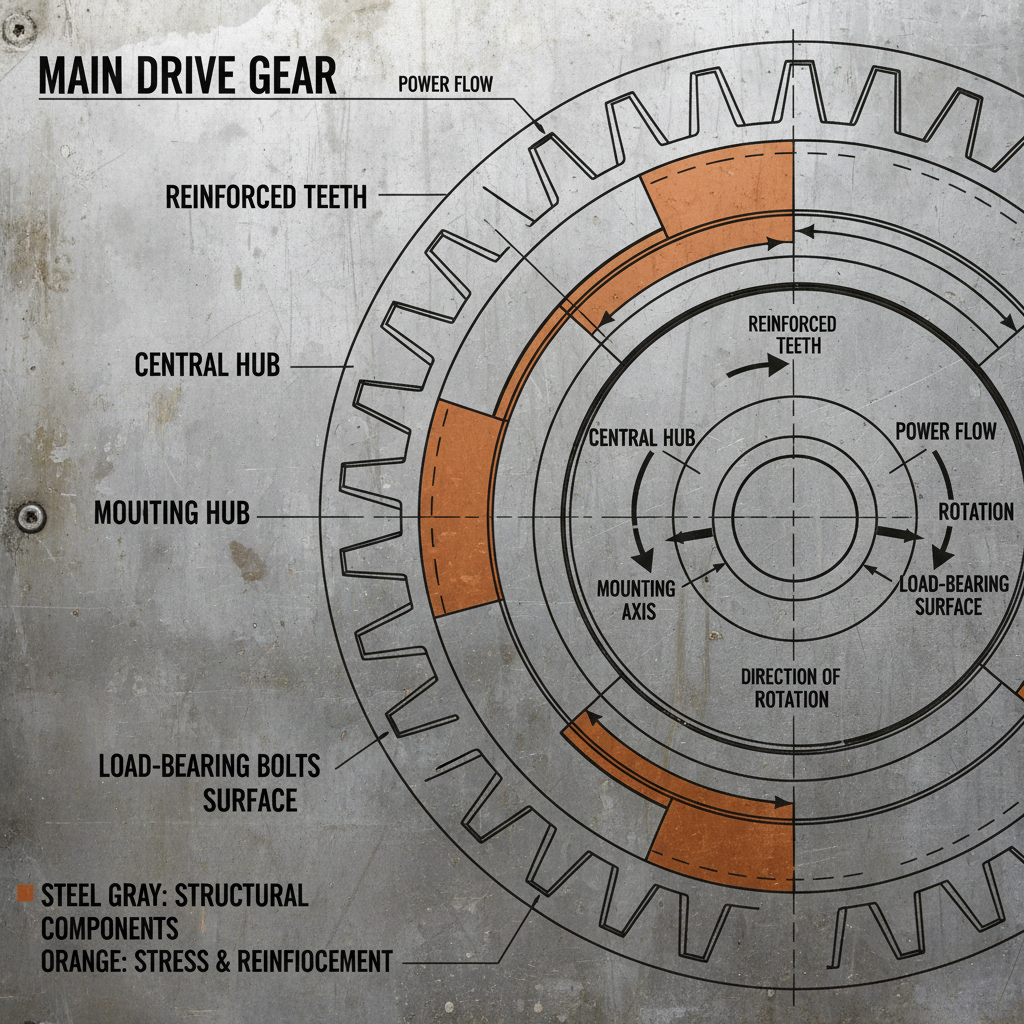
Gears are categorized based on the arrangement of teeth and the axis of rotation. Some of the most common types include spur gears, helical gears, bevel gears, worm gears, and rack and pinion systems. JSS Intering specializes in providing a wide range of these gear types, tailored to diverse industrial requirements. Spur gears, the simplest type, transmit power between parallel shafts. Helical gears offer smoother operation and can handle higher loads, but introduce axial thrust. Bevel gears change the direction of rotation, typically at a 90-degree angle. Worm gears provide high gear ratios and are often used in applications requiring precise positioning.
Key Takeaway: The selection of a gear type heavily depends on the application’s requirements – power transmission, direction change, speed reduction, and load capacity.
Materials Used in Gear Manufacturing
The material of a gear is just as important as its type. Common materials include steel (various alloys), stainless steel, brass, bronze, and plastics. Steel gears offer high strength and durability, making them suitable for heavy-duty applications. Stainless steel gears provide corrosion resistance, ideal for harsh environments. Brass and bronze gears are often used in lower-load applications where wear resistance is crucial. Plastic gears are lightweight and quiet, but have lower strength.
Material Selection Considerations:
• Load capacity
• Operating environment (temperature, humidity, corrosion)
• Noise requirements
• Cost
Choosing the Right Gear for Your Application
Selecting the appropriate gear for machinery involves a careful evaluation of several factors. The horsepower (HP) and torque requirements of the application, the speed ratio needed, the operating environment, and the desired lifespan of the gear are all critical considerations. JSS Intering's experienced engineers can assist in calculating the necessary gear specifications to ensure optimal performance and longevity.
The Importance of Precision Manufacturing and Quality Control
The precision with which gears are manufactured directly impacts their performance and longevity. High-quality gears require tight tolerances and meticulous quality control throughout the production process. JSS Intering utilizes advanced manufacturing techniques and rigorous quality control measures to ensure that every gear meets exacting standards. This commitment to quality minimizes wear and tear, reduces the risk of failure, and extends the service life of the machinery.
Maintenance and Gear Lifespan
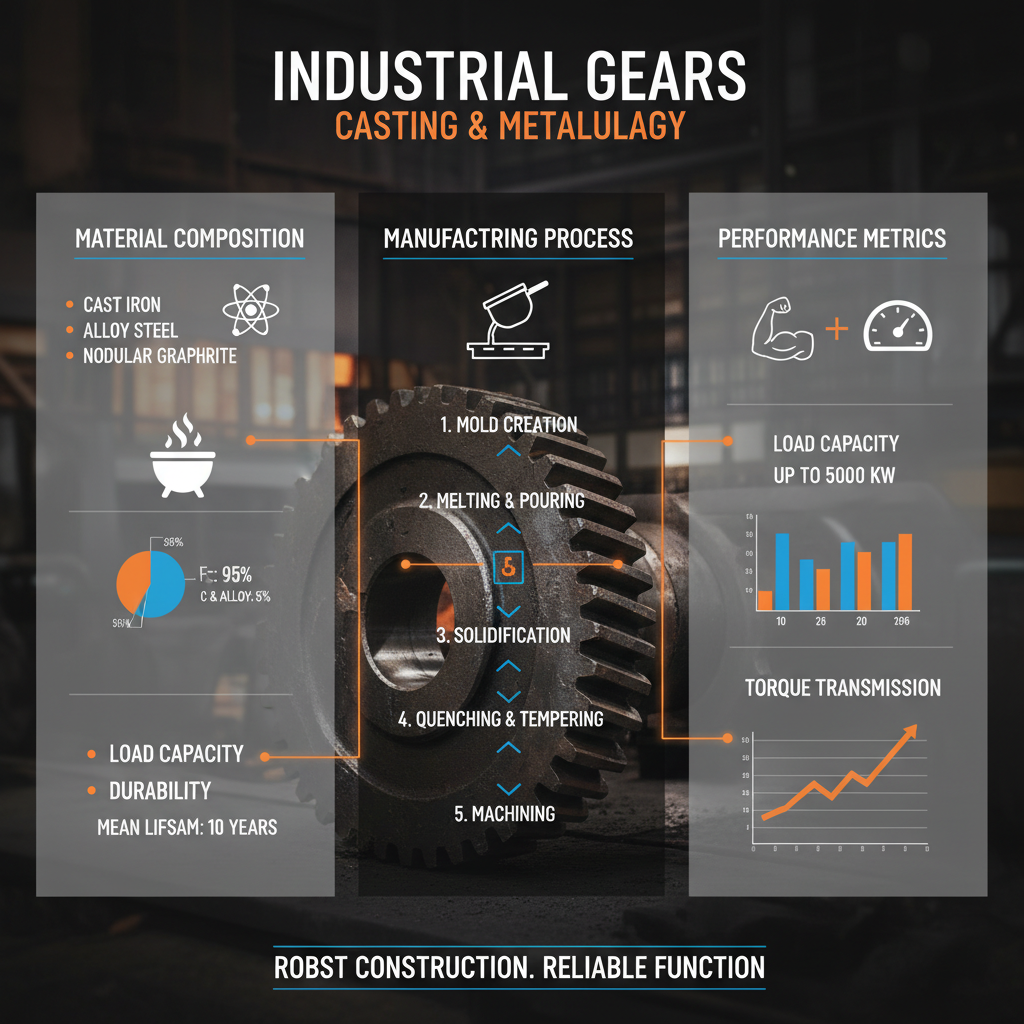
Regular maintenance is crucial for maximizing the lifespan of gears. This includes proper lubrication, periodic inspections for wear and damage, and timely replacement of worn components. Consistent lubrication reduces friction and prevents overheating. Inspections can identify early signs of wear, allowing for preventative maintenance before a catastrophic failure occurs. Selecting gears from a reputable supplier, like JSS Intering, ensures you receive durable, high-quality parts designed for long-term reliability.
Conclusion: Partnering for Reliable Gear Solutions
Choosing the right gear for machinery is a critical aspect of maintaining efficient and reliable operations. By understanding the different types of gears, materials, and application requirements, you can make informed decisions that optimize performance and minimize downtime. JSS Intering is dedicated to providing high-quality gears and expert engineering support to meet your specific needs. Don't compromise on the heart of your machinery – choose a trusted partner for reliable gear solutions.
Frequently Asked Questions (FAQs)
What is the typical lifespan of industrial gears?
The lifespan of industrial gears varies significantly depending on factors like load, speed, lubrication, operating environment, and material quality. Under ideal conditions, gears can last for several years, even decades. However, with heavy usage or improper maintenance, gears may need replacement every few years. Regular inspections and preventative maintenance can significantly extend their lifespan. Factors like shock loading, misalignment and contamination can drastically reduce expected life. Using gears sourced from reputable suppliers, like JSS Intering, guarantees a higher quality product for longer life.
How important is lubrication for gears?
Lubrication is critical for gear longevity. It reduces friction, minimizes wear, dissipates heat, and protects against corrosion. Without proper lubrication, gears will quickly overheat, seize, and fail. The type of lubricant used should be carefully selected based on the gear material, operating speed, and load. Regular lubricant changes are essential to maintain optimal performance. Different applications require different types of lubricant – from heavy-duty gear oils to synthetic lubricants.
What are the signs that a gear needs to be replaced?
Several signs indicate that a gear may need replacement. These include excessive noise (grinding, whining), increased vibration, visible wear or damage (cracks, chipped teeth), overheating, reduced efficiency, and lubricant contamination. Ignoring these signs can lead to catastrophic failure and costly downtime. Regularly scheduled inspections can help identify these issues early on.
Can JSS Intering provide custom gear solutions?
Yes, JSS Intering specializes in providing custom gear solutions tailored to specific application requirements. We can manufacture gears to your exact specifications, including material, dimensions, and tooth profile. Our experienced engineers work closely with clients to ensure optimal performance and reliability. We utilize advanced manufacturing techniques to create gears that meet the highest quality standards.









