







Understanding Box Gear: A Comprehensive Guide
In the world of industrial applications and precision engineering, box gear solutions are critical components. These specialized gears are designed to deliver reliable power transmission and robust performance in demanding environments. JSS Intering excels in the production of high-quality box gears, offering customized solutions for a diverse range of industries. This article explores the intricacies of box gears, their applications, manufacturing processes, and the advantages of choosing a reliable supplier. We will delve into the key characteristics that make these gears essential for optimal machinery function.
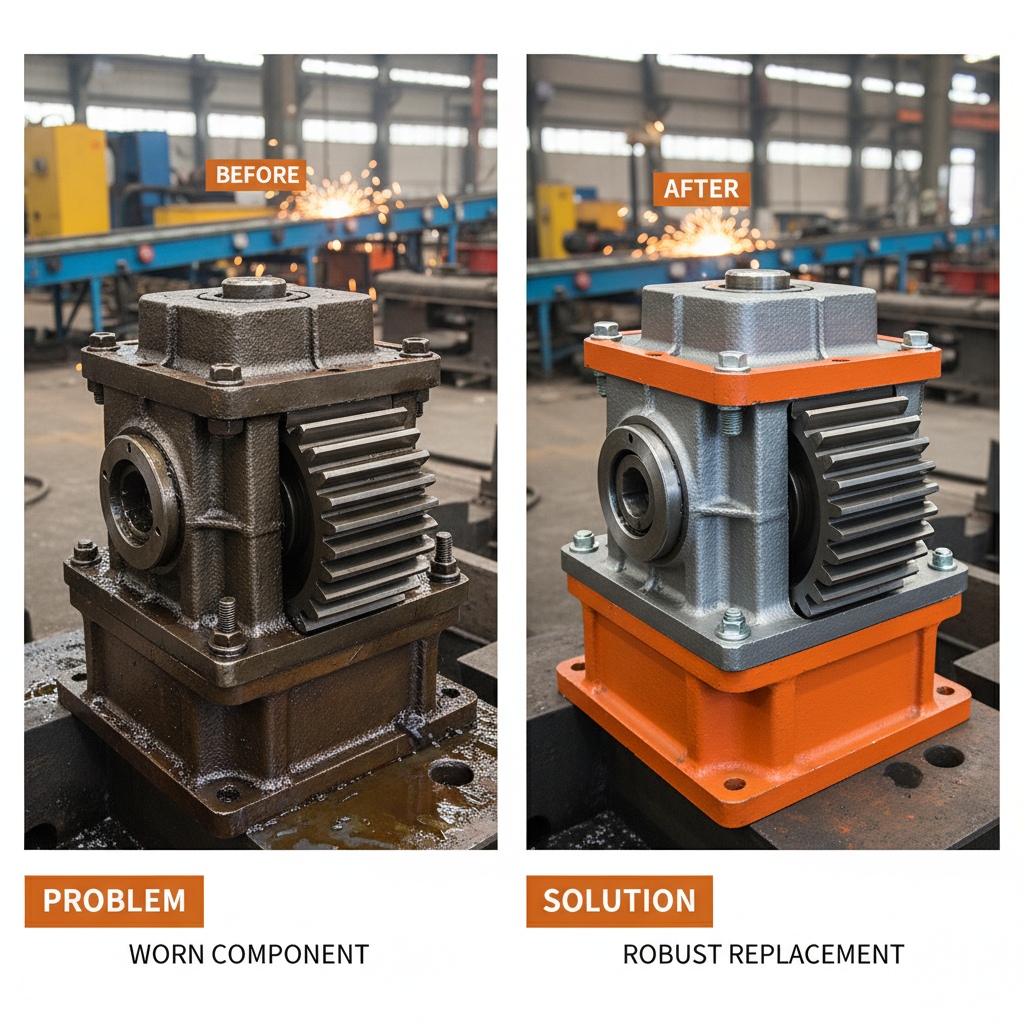
What are Box Gears and Why Are They Important?
Box gears, also known as enclosed gears, are gear assemblies housed within a protective casing. This enclosure provides several key benefits, including lubrication, contamination protection, and noise reduction. Their importance lies in their ability to transmit high torque and provide a compact, self-contained power transmission system. They're commonly used where a precise gear ratio and dependable operation are essential. Applications range from machinery in manufacturing plants to automotive transmissions, robotics, and even wind turbine systems. The enclosed design protects the gears from external factors, increasing their lifespan and reliability.
Key Benefits: Protection from contamination, reduced noise levels, reliable torque transmission, and extended gear lifespan.
Applications of Box Gears Across Industries
The versatility of box gear systems makes them invaluable across numerous industries. In manufacturing, they are essential for conveyor systems, robotic arms, and precision machinery. The automotive sector utilizes them in transmissions and differentials to effectively manage power delivery. Robotics rely on them for precise joint movements and control. Aerospace applications incorporate box gears in actuator systems, and renewable energy sectors benefit from their use in wind turbine gearboxes. Understanding the specific requirements of each industry allows manufacturers like JSS Intering to tailor box gear designs for optimal performance.
Industry Applications:
• Manufacturing (Conveyor Systems, Robotic Arms)
• Automotive (Transmissions, Differentials)
• Robotics (Precise Joint Movements)
• Aerospace (Actuator Systems)
Box Gear Materials: Choosing the Right Solution
The material selection for box gear components is paramount for ensuring durability and performance. Common materials include steel alloys, stainless steel, and engineered plastics. Steel alloys offer high strength and wear resistance, making them suitable for high-torque applications. Stainless steel provides excellent corrosion resistance, crucial in harsh environments. Engineered plastics are often chosen for their lightweight properties and self-lubricating characteristics. The choice of material depends on factors like load capacity, operating temperature, corrosive environment, and cost considerations. JSS Intering leverages material expertise to advise clients on the optimal solution for their specific needs.
Manufacturing Processes for High-Quality Box Gears
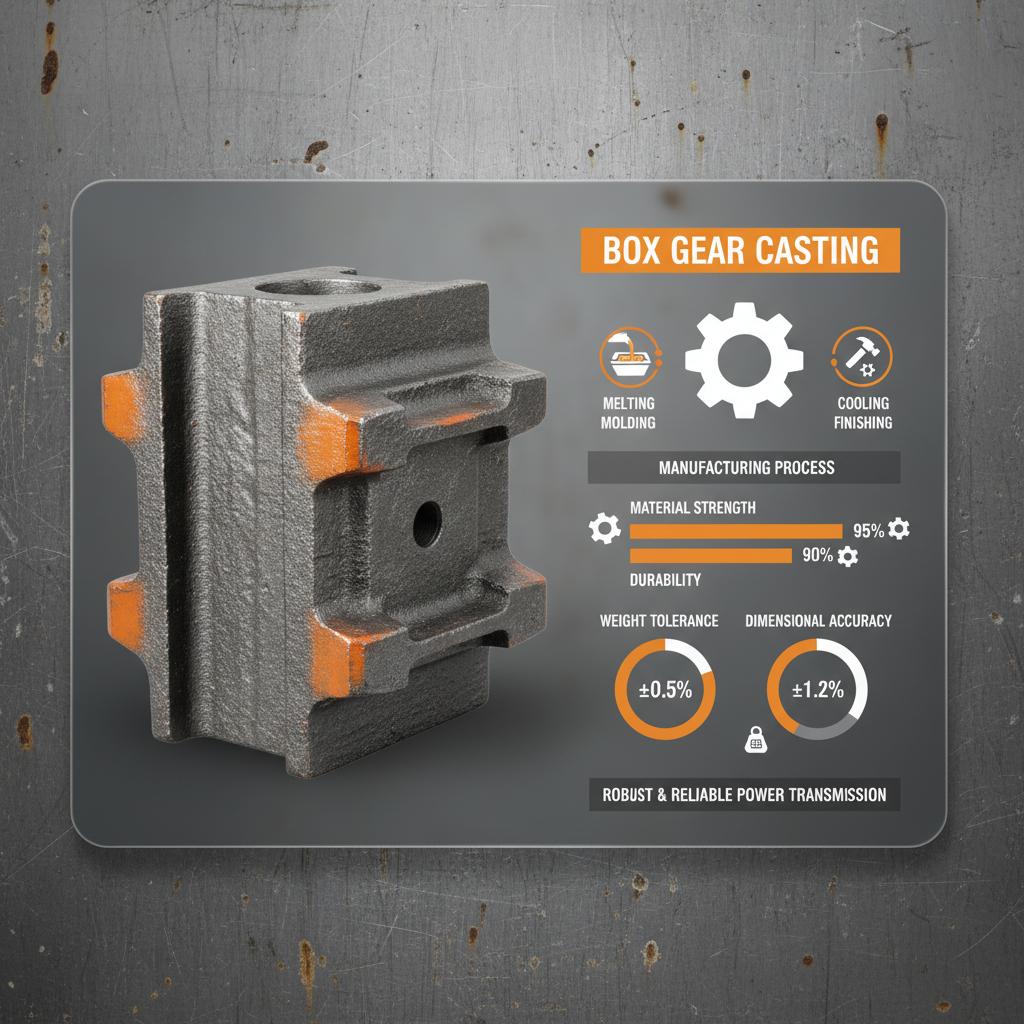
Creating robust and reliable box gears requires precise manufacturing processes. These typically include gear cutting (hobbing, shaping, or grinding), heat treatment for enhanced strength, and precision assembly. Quality control is crucial at every stage, employing techniques like dimensional inspection, non-destructive testing, and run-in testing. JSS Intering utilizes state-of-the-art manufacturing equipment and rigorous quality control procedures to guarantee consistently high-performing gears. Our commitment to precision ensures our box gears meet the most demanding specifications.
Why Choose JSS Intering for Your Box Gear Needs?
At JSS Intering, we specialize in delivering custom box gear solutions tailored to your precise requirements. Our expertise in materials science, manufacturing processes, and quality control ensures that you receive gears of the highest quality. We offer competitive pricing, fast turnaround times, and dedicated customer support. Partner with us for reliable, durable, and high-performing box gears that will optimize your machinery’s efficiency and longevity. We pride ourselves on being a collaborative partner, providing engineering support and solutions throughout the entire process.
Conclusion: Powering Innovation with Precision Box Gears
Choosing the right box gear is crucial for the success of your applications. JSS Intering provides the expertise and quality to meet your needs. Contact us today to discuss your project and discover how we can help you achieve optimal performance.
Frequently Asked Questions (FAQs)
What is the typical lifespan of a box gear?
The lifespan of a box gear depends heavily on operating conditions, load, lubrication, and the quality of materials used. Generally, a well-maintained box gear can last between 5 to 15 years or more. Regular inspections and preventative maintenance, such as lubrication and alignment checks, are crucial for maximizing its lifespan. Factors like excessive vibration, shock loads, and improper lubrication can significantly reduce the service life. Consulting with a gear specialist like those at JSS Intering can provide a more accurate estimate based on your specific application.
What level of customization is available for box gears?
We offer a high degree of customization for box gears. This includes modifications to gear ratios, materials, dimensions, mounting configurations, and housing designs. We can accommodate both small-volume and large-scale production runs. Our engineering team works closely with clients to understand their specific requirements and develop solutions that meet their exact needs. We utilize advanced modeling and simulation tools to ensure optimal performance and reliability. Whether it's a unique gear tooth profile or a specialized housing material, we can tailor the box gear to your application.
How does lubrication affect the performance of a box gear?
Lubrication is critical for the performance and longevity of a box gear. It reduces friction, minimizes wear, dissipates heat, and protects against corrosion. The correct type of lubricant is essential, considering factors like load, speed, temperature, and material compatibility. Proper lubrication also prevents seizing and reduces noise levels. JSS Intering can provide guidance on the appropriate lubricant selection and lubrication schedules for your specific box gear application.
What quality control measures do you employ during manufacturing?
We employ a comprehensive quality control system throughout the entire manufacturing process. This includes dimensional inspection using advanced measuring equipment, non-destructive testing (such as magnetic particle inspection and ultrasonic testing) to detect internal flaws, and rigorous visual inspection. Each box gear undergoes a run-in test to verify smooth operation and identify any potential issues. We also maintain detailed documentation and traceability records for all materials and processes. Our commitment to quality ensures that every box gear meets our stringent standards and exceeds customer expectations.









