




What Exactly Is a Linear Gear Rail and Why Should We Care?
At its core, a linear gear rail is a mechanical component designed to convert rotational motion into precise linear movement. Seems kind of straightforward, but if you pause and think about how many machines, robots, and industrial setups rely on smooth, controlled linear motion, it quickly becomes clear why this seemingly simple part plays a crucial role worldwide. From worldwide manufacturing plants to humanitarian relief logistics, mastering the use of linear gear rails can ramp up productivity, accuracy, and overall efficiency.
The real kicker is: as industries grow more complex and require tighter precision — especially in automation, aerospace, and logistics — understanding linear gear rails and their benefits isn’t just for engineers anymore. It’s about harnessing potential to build smarter, faster, and more reliable systems.
Global Context: Why Linear Gear Rails Matter on a Worldwide Scale
The global manufacturing and automation industries are expected to surpass $15 trillion in value by 2027, according to reports by the International Federation of Robotics. These sectors increasingly depend on high-precision mechanical parts like linear gear rails to enable smooth movement in everything from robotic arms to automated guided vehicles (AGVs).
Yet, despite this growth, many systems suffer from inefficiencies caused by subpar or outdated linear motion components — creating bottlenecks, lowering product quality, or driving up maintenance costs. This problem becomes especially palpable in developing economies or post-disaster rebuilding efforts, where reliable, scalable mechanical solutions are desperately needed.
Addressing the challenges of durability, cost, and ease of deployment in linear gear rail technology thus supports global manufacturing competitiveness, humanitarian aid delivery, and sustainable infrastructure development.
Mini takeaway: The linear gear rail isn’t just a piece of machinery — it’s part of a global effort to modernize how industries move and build.Defining Linear Gear Rails: What You Should Know
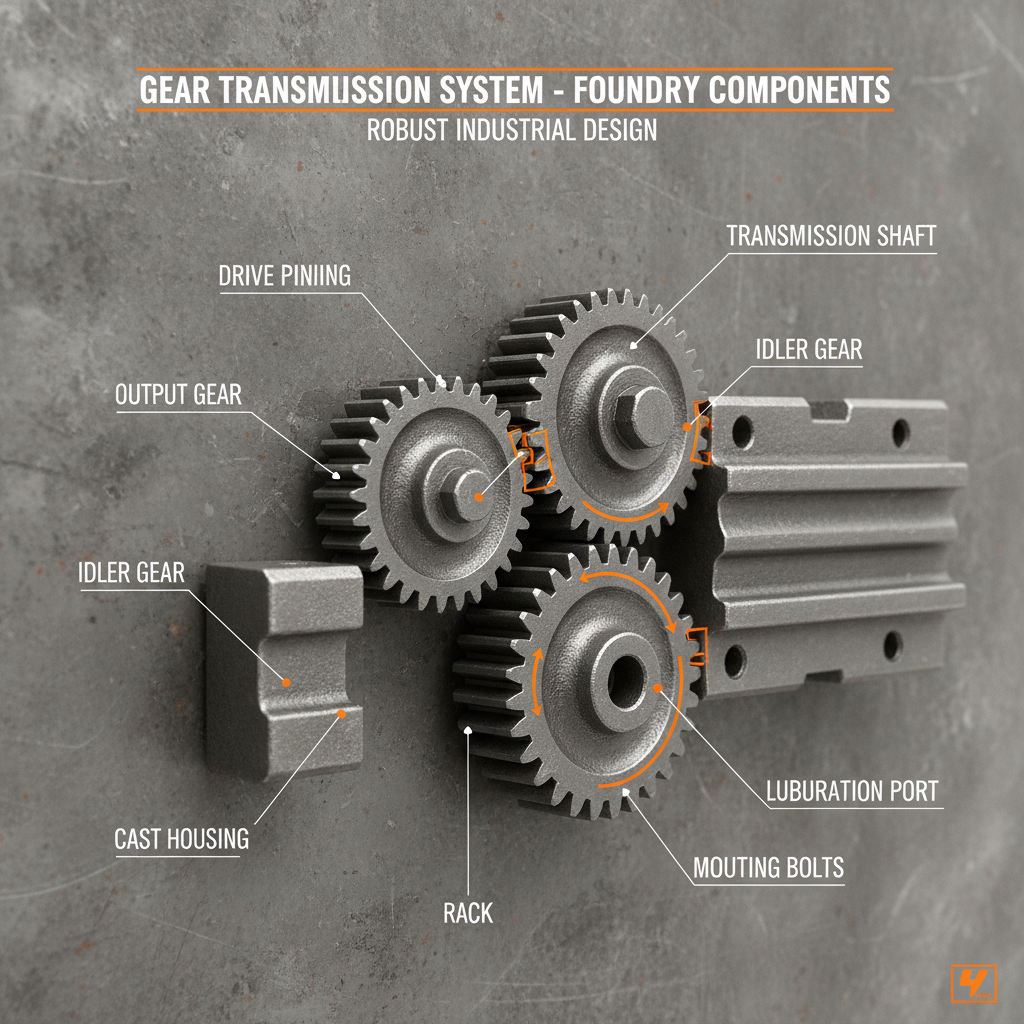
Simply put, a linear gear rail is a track equipped with gear teeth along its length, which meshes with a pinion gear to provide precise linear movement. Think of it as a sort of mechanical "slide with teeth" that accurately translates rotary motion into straight-line travel — no slipping, no lag.
Foundational to both high-speed automation and heavy-duty machinery, these components are staples in factory automation, CNC machine tools, and even space exploration equipment. When industries—or emergency responders—need exact, repeatable, and reliable movement over a range of distances, linear gear rails do much of the heavy lifting.
Core Components and Key Factors for Successful Application
Durability
The rails often face harsh environments—dust, moisture, and heavy loads. High-quality linear gear rails are typically made from hardened steel alloys or stainless steel to resist wear and corrosion over thousands of cycles.
Precision and Load Capacity
Whether you’re dealing with automated assembly or heavy cargo handling, matching the rail’s gear pitch and hardness with the pinion’s profile ensures consistent accuracy and prevents backlash.
Scalability
From short travel distances to several meters, linear gear rails can be customized in length and sectioned modularly to fit different machines or systems.
Cost-Efficiency
Since linear gear rails must often balance high precision with durability, selecting a vendor who offers both performance and affordable manufacturing is a tricky but critical factor.
Ease of Integration
Modern gear rails come with standardized mounting options and compatibility with common linear motion systems, making them plug-and-play for engineers.
Linear Gear Rail in Action: Real-World Applications
It’s fascinating how widespread these components have become, touching industries and regions you might not expect:
- Industrial Automation: In factories from Germany to South Korea, robotic arms use linear gear rails for repeatable, high-speed assembly line tasks.
- Disaster Relief: Post-earthquake zones in Southeast Asia use linear gear rail-based mechanical cranes to expedite the rapid rebuilding of shelters, infrastructure, and supply chains.
- Logistics: Warehouses in North America and Europe rely on automated guided vehicles coupled with linear gear rails for precise inventory handling.
- Renewable Energy: Solar panel tracking systems in sunny regions employ linear gear rails to adjust panel orientation for optimal energy capture.
Advantages and Long-Term Value of Linear Gear Rails
The tangible benefits stack up quickly:
- Sustainability: Durable materials reduce replacement frequency, curbing waste and downtime.
- Cost Savings: Lower maintenance and longer lifespan translate into operational efficiencies.
- Safety and Reliability: Precise motion means fewer mechanical failures—crucial in safety-critical industries.
- Innovation Potential: Enables the advancement of automated and robotic technologies redefining manufacturing and logistics.
On a human level, it’s about fostering trust in machines that help keep workers safe, accelerate disaster recovery, or even assist in surgical robots—all thanks to reliably linear motion.
Product Specifications: A Typical Linear Gear Rail Model
| Specification | Details |
|---|---|
| Material | Hardened stainless steel (AISI 440C) |
| Gear Module | 1.5 mm |
| Length | Customizable, typically 500 mm to 3000 mm |
| Surface Treatment | Anti-corrosion coating |
| Maximum Load | Up to 2500 N |
| Operating Temperature | -20°C to +80°C |
| Mounting Type | Standardized bolt holes per ISO 9409-1 |
Comparing Top Vendors of Linear Gear Rails
| Vendor | Material Quality | Customization Options | Price Range | Global Availability | Lead Time |
|---|---|---|---|---|---|
| GearTech Solutions | High-grade hardened steel | Extensive (length, coating options) | $$$ | Worldwide | 3-5 weeks |
| Precision Rails Inc. | Stainless steel, corrosion resistant | Moderate | $$ | North America, Europe | 2-4 weeks |
| Global Motion Corp. | Standard hardened steel | Basic | $ | Asia-Pacific | 4-6 weeks |
Looking Ahead: Future Trends in Linear Gear Rail Technology
The future is pretty exciting for linear gear rails. Materials science is leaning towards ultra-lightweight, wear-resistant composites that can dramatically extend service life while reducing weight. Meanwhile, embedded sensors could soon help monitor rail wear in real-time, enabling predictive maintenance that saves companies millions.
And then there’s the big push toward green factories employing automated systems powered by renewable energy — these setups rely heavily on precise linear motion products that must be energy-efficient and low-maintenance.
Challenges and How to Overcome Them
No tech is without its downsides. Linear gear rails sometimes contend with backlash, dirt contamination, and alignment issues that can degrade performance. But many vendors are combating these challenges by offering modular kits, advanced lubrication systems, and tighter manufacturing tolerances.
I also spoke to a few engineers who emphasized the importance of system design—sometimes it’s as much about how the rail is integrated as the rail itself.
FAQ: Common Questions About Linear Gear Rails
Q1: What are the main differences between a linear gear rail and a ball rail?
Linear gear rails use gear teeth meshed with a pinion, offering high load capacity and better resistance to shocks, making them ideal for heavy-duty applications. Ball rails use rolling elements like balls and excel in low-friction, high-speed precision but usually at lighter loads.
Q2: Can linear gear rails be used in outdoor or harsh environmental conditions?
Absolutely, provided you choose a rail with appropriate corrosion-resistant materials and surface treatments. Many models also come with protective seals or coatings to fend off dust, moisture, and chemicals.
Q3: How customizable are linear gear rails in terms of length and mounting?
Very customizable! Most suppliers offer custom lengths and standardized mounting patterns, which makes integrating them into existing systems straightforward.
Q4: Are linear gear rails suitable for high-speed applications?
Yes, but the gear mesh quality and lubrication are crucial factors. Some heavy-load applications prioritize precision over speed, while others balance both with specialized gear tooth profiles.
Q5: How can international companies ensure timely supply of linear gear rails?
Partnering with vendors who have global distribution networks helps, as does ordering well in advance. Some suppliers offer expedited services and keep standard profiles in regional warehouses.
Wrapping It Up: Why Linear Gear Rails Are a Smart Bet for the Future
As industries push toward smarter, greener, and more resilient operations worldwide, the humble linear gear rail continues to punch above its weight class. It’s an unassuming but essential component that pairs intricate mechanical precision with rugged dependability.
So whether you’re optimizing a factory floor, building sustainable infrastructure, or deploying automated systems for humanitarian aid, investing time to understand and choose the right linear gear rail can pay off big. From personal experience, those who master this part often find their entire system runs smoother and their maintenance headaches drop off dramatically.
Curious? Visit our website at https://www.jssintering.com to explore cutting-edge linear gear rails designed for today and tomorrow.
References:
1. International Federation of Robotics Annual Report, 2023
2. ISO 9409-1:2020 — Manipulating Industrial Robots — Flange Dimensions and Mounting
3. Wikipedia: Linear motion guide