




Why Compound Gears Matter in Today’s Industrial Landscape
Compound gears — now there’s a topic that sounds simple but actually folds into the heart of modern machinery and manufacturing worldwide. Understanding compound gears isn’t just for gearheads or mechanical engineers; it has real implications for industries ranging from automotive to aerospace, and even humanitarian aid equipment.
Why should you care? Well, globally, as industries push for greater efficiency, durability, and compact designs, these gear systems emerge as unsung heroes. According to ISO statistics on mechanical transmissions, compound gear setups improve power transfer efficiency by up to 15% compared to simpler arrangements — that’s a hefty leap when you've got large-scale operations depending on them. In short, knowing how compound gears work and where they fit is a bit like unpacking the secret sauce behind reliable machines, from factory conveyor belts to emergency medical devices.
Takeaway: Exploring compound gears reveals how clever mechanical design upgrades industrial productivity and supports global manufacturing needs.
The Global Significance of Compound Gears
In a world increasingly driven by automation and compact engineering, compound gears offer a crucial advantage. The World Bank reports that machinery used in manufacturing and infrastructure projects contributes about 30% to developing countries’ GDP growth. Much of that machinery depends on gear systems that maximize torque and minimize footprint. Compound gears, in particular, solve the challenge of fitting complex gear ratios into constrained spaces, which is vital for making machines smaller, lighter, and more efficient.
Consider this: in regions where resources and raw materials are limited, optimizing every mechanical component can translate to massive cost savings and performance gains. For example, large-scale agriculture equipment in sub-Saharan Africa employs compound gears to improve reliability under harsh conditions, reducing downtime and increasing yields.
Mini takeaway: Compound gears address real industrial challenges globally by enabling powerful yet compact machine designs optimized for growth and sustainability.
What Exactly Are Compound Gears?
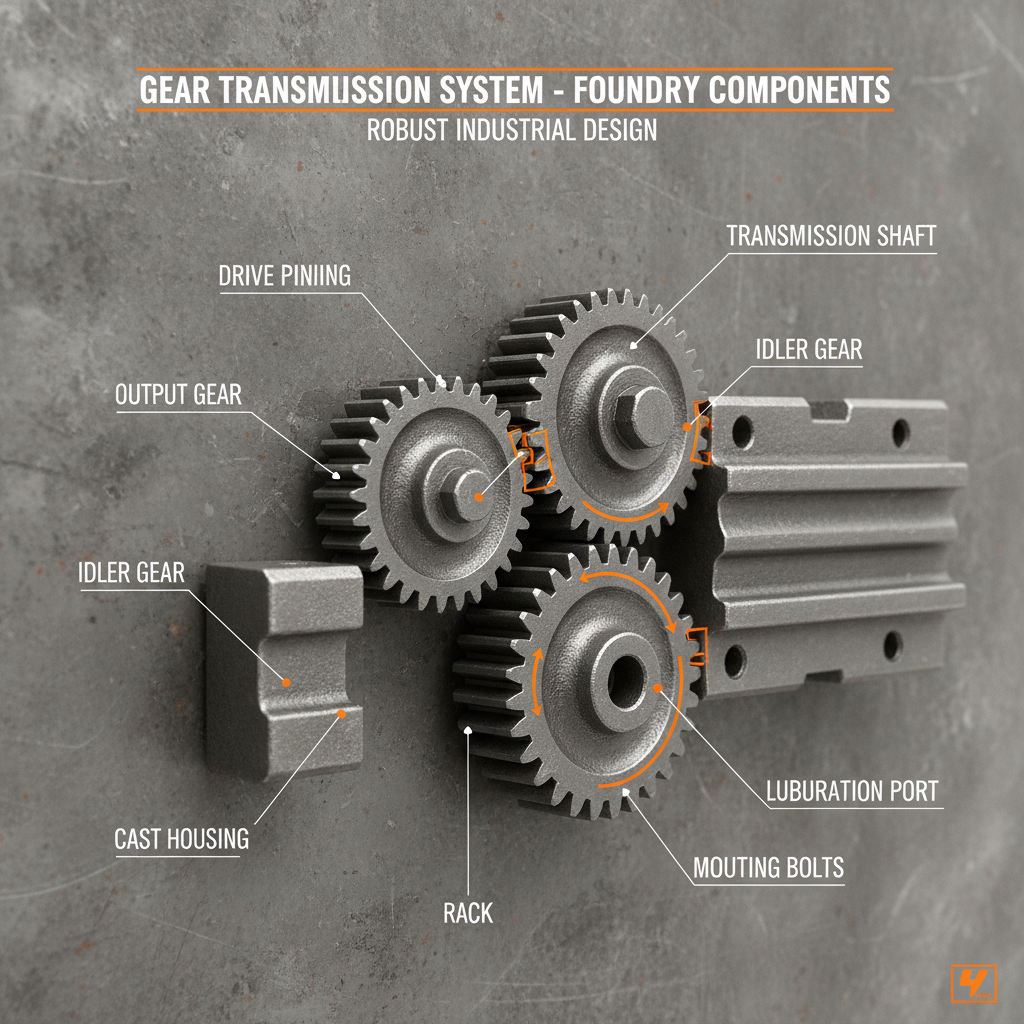
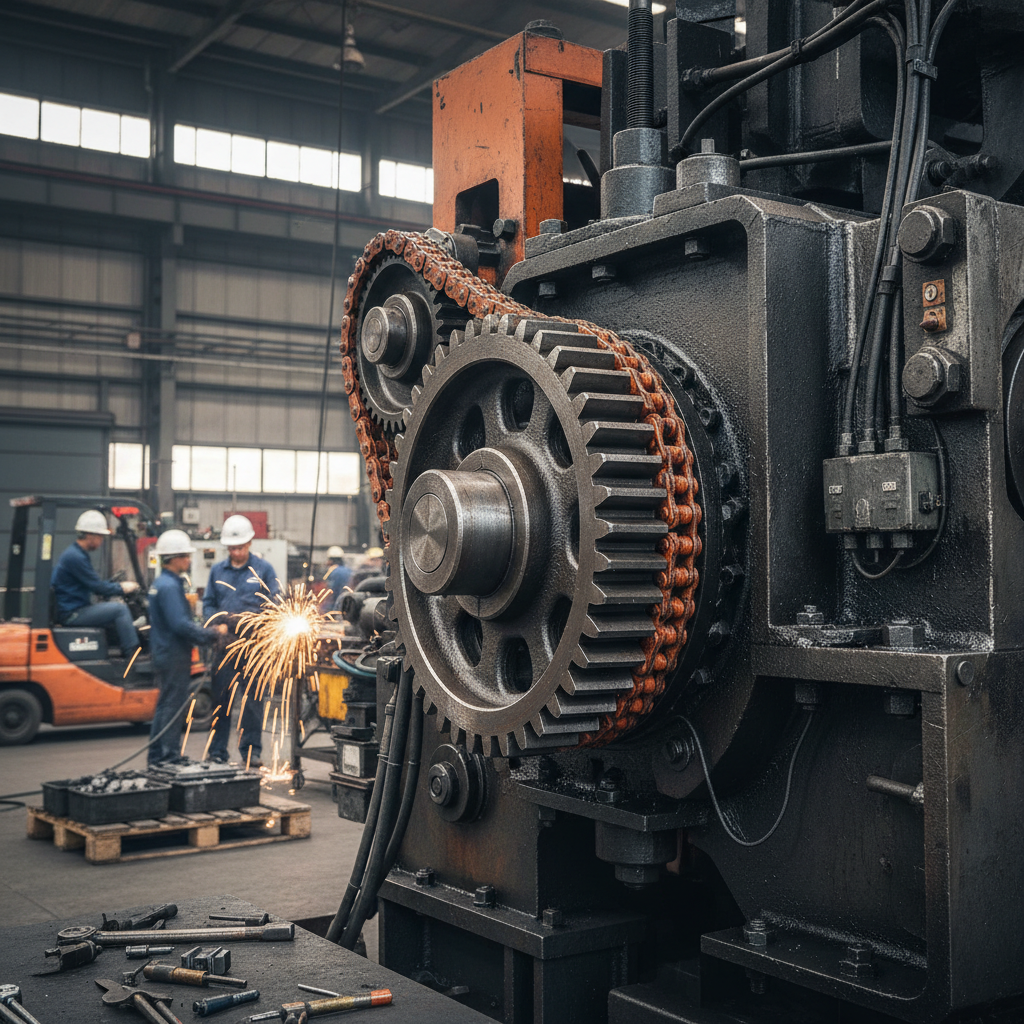
At its core, a compound gear assembly combines two or more gears fixed to the same shaft, rotating together but engaging with other gears separately. This configuration cleverly allows designers to create complex gear ratios without increasing the size of the device dramatically.
Think of it as a little mechanical mastermind — offering versatility in speed and torque transformation while occupying less space. They’re quite literally the gears within gears, working in tandem to multiply the benefits of a simple gear train.
These systems are indispensable in everything from automotive transmissions to robotic arms and even humanitarian equipment like water pumps or portable hospitals, where both precision and durability are critical.
Takeaway: Compound gears efficiently marry multiple gear ratios into compact setups, essential for today's high-performance machines.
Core Components and Key Factors of Compound Gears
Durability: The Long Haul
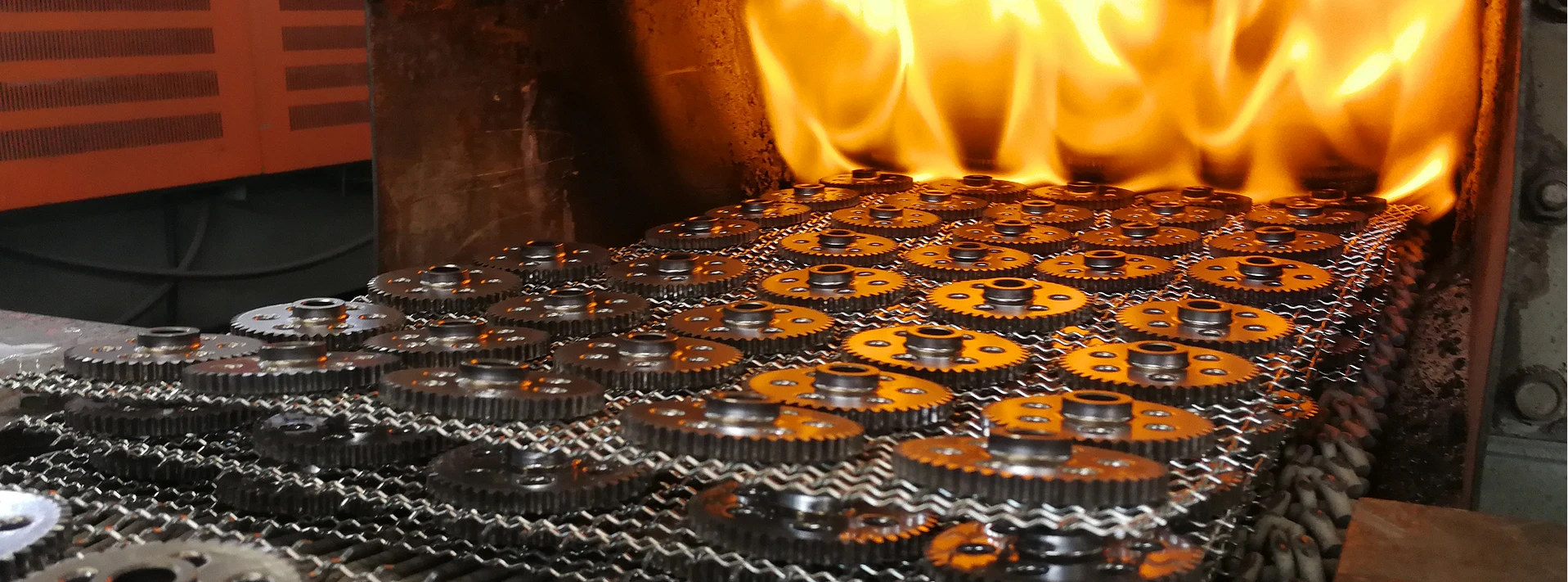
Many engineers emphasize that compound gears must be built tough to withstand prolonged stress. Materials like case-hardened steel or advanced alloys provide the strength and longevity required. Durability means machines don’t break down often — and nobody has time for that, especially in critical industries.
Compact Design
The magic of compound gears is basically about cramming more capability into less space. This is especially important in aerospace or automotive engineering, where every gram and millimeter affects performance and fuel efficiency.
Cost Efficiency
Using compound gears can reduce the number of components needed, cutting manufacturing and maintenance costs. For businesses, that translates to leaner budgets and better margins.
Scalability and Customization
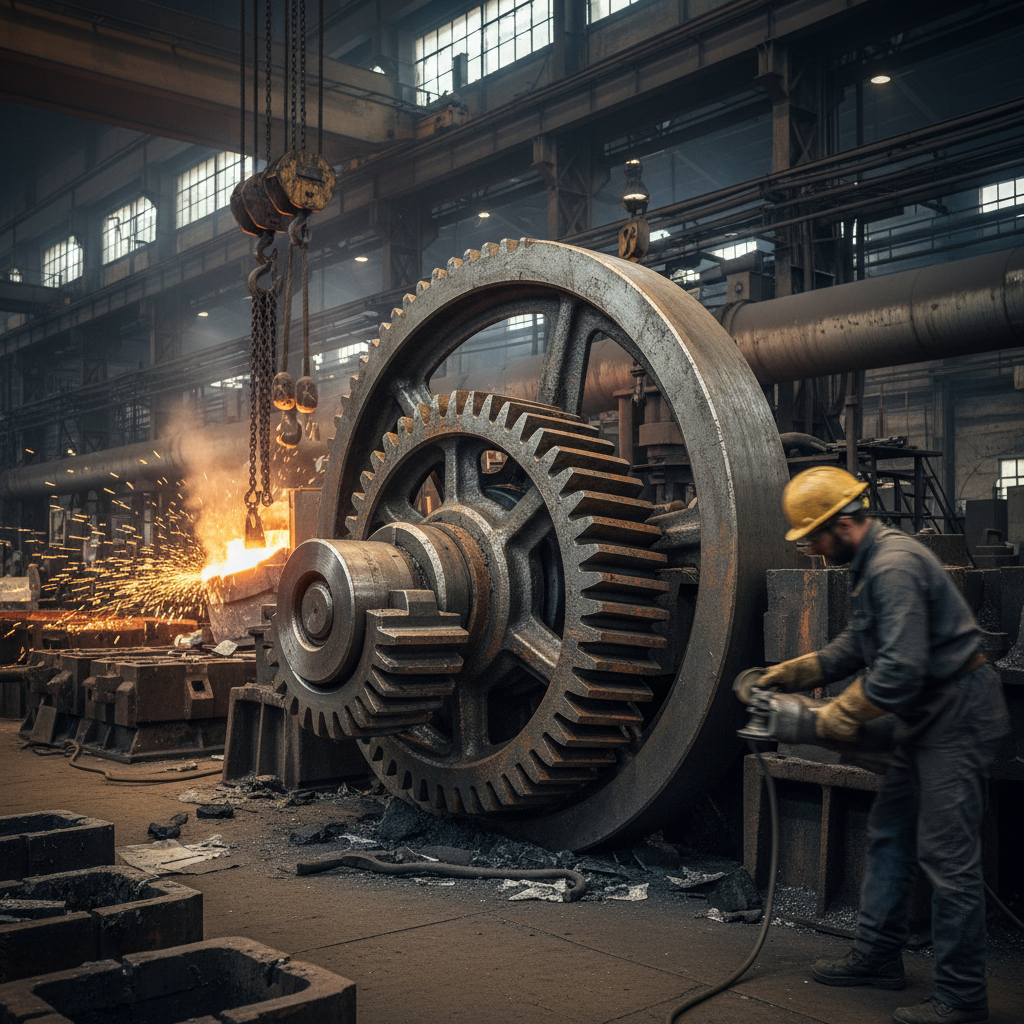
Because compound gears are modular by nature, they can be customized for different torque and speed needs. This scalability allows for tailored machinery, whether in a small precision tool or a multi-ton industrial press.
Noise and Vibration Control
Complex gear setups can introduce noise challenges, but advanced tooth profile designs and lubricants help keep operations quiet — a bonus in factories or hospitals.
Summary: Durability, compactness, cost-effectiveness, scalability, and noise control form the backbone of effective compound gear design.
Product Specification Snapshot: Typical Compound Gear Setup
| Specification | Details |
|---|---|
| Material | Case-hardened steel (with alloy options) |
| Typical Gear Ratio Range | 5:1 to 100:1 (customizable) |
| Operational Torque | Up to 1500 Nm+ |
| Noise Level | Below 75 dB (with dampening tech) |
| Temperature Range | -20°C to +80°C operational |
Where in the World Are Compound Gears Making an Impact?
From sprawling Asian automotive hubs to African agriculture, compound gears have carved a niche across continents.
- Aerospace in North America: Compact gear trains manage flight control surfaces and landing gear weight limits.
- European Robotics: Precision robot arms in automotive assembly plants rely on compound gear assemblies for accurate movement.
- Agricultural Machinery in Africa & South America: Compound gears improve reliability of irrigation pumps and harvesters, critical for local food security.
- Disaster Relief Equipment: Portable water purification and power generation units use these gear systems for dependable mechanical advantage in rough environments.
Mini takeaway: The global footprint of compound gears stretches from high-tech aerospace to grassroots humanitarian machinery — proving their versatility.
Comparing Leading Compound Gear Vendors
| Vendor | Material Options | Customization | Lead Time | Price Range |
|---|---|---|---|---|
| GearTech Solutions | Steel, Titanium Alloy | High | 4-6 weeks | $$$ |
| PrecisionGear Inc. | Hardened Steel Only | Medium | 3-5 weeks | $$ |
| Global GearWorks | Steel, Alloy, Composite | Very High | 6-8 weeks | $$$$ |
Why Invest in Compound Gears? The Long-Term Payoff
Cost-wise, compound gears can reduce system complexity and maintenance frequency, which adds up over the machine’s lifespan. But beyond the ledger, there’s something reassuring about robust, efficient machinery — it inspires trust and keeps operations safe.
Take factories in Europe that rigorously test compound gears for reliability; their engineers say it’s often the difference between seamless operations and costly downtime. On the social front, better machines can mean safer workplaces and products that stakeholders rely on.
And honestly, the environmental angle is increasingly important: compact, efficient gears contribute to lighter machines, which typically use less energy and resources — both during production and use.
Mini takeaway: Compound gears combine fiscal, social, and environmental benefits into one sturdy package.
The Future: What’s Next for Compound Gears?
Looking ahead, innovation is buzzing around new materials — think carbon composites and graphene-infused alloys — that could make compound gears lighter yet stronger. Add in smart tech like embedded sensors for real-time wear monitoring, and you get predictive maintenance that reduces surprises.
The rise of Industry 4.0 means these gears are talking machines, not just mechanical ones. Automation, additive manufacturing (3D printing), and sustainable design policies will swirl together to reshape the compound gear landscape in the next decade.
Mini takeaway: Advanced materials and smart integration will soon put compound gears on a whole new level of performance and sustainability.
Common Challenges & How to Overcome Them
Despite their strengths, compound gears face challenges like increased manufacturing complexity and risk of misalignment. Cost can be a barrier, especially for smaller companies. Noise can also be a problem if gears aren’t perfectly meshed.
Experts recommend precision CNC machining combined with advanced lubrication systems to combat these issues. Modular designs also ease customization while keeping costs manageable.
It feels like every solution leads to a new challenge sometimes — but that’s engineering for you.
FAQs: Your Top Questions on Compound Gears
1. What advantages do compound gears offer over simple gear trains?
Compound gears provide greater flexibility in achieving high gear ratios within a compact size. This means machines can be smaller and more efficient without sacrificing performance, an advantage simple gear trains often lack.
2. How durable are compound gears in harsh operating environments?
Durability largely depends on material selection and manufacturing quality. When made from case-hardened steel or strong alloys and properly maintained, compound gears can last for tens of thousands of operational hours, even under tough conditions.
3. Can compound gears be customized for specific industrial applications?
Absolutely. One of the core benefits of compound gears is their modularity and scalability. Vendors often tailor gear sizes, materials, and ratios to meet particular torque, speed, and spatial requirements.
4. Are compound gears energy efficient?
Yes. Due to better gear ratio control and less power loss in transmission compared to single gear stages, compound gears generally contribute to energy savings in machinery.
5. How do I select the right compound gear vendor for my needs?
Assess vendor capabilities by considering material options, customization levels, lead time, and pricing. Look for those with proven quality, good customer service, and industry certifications.
Conclusion: Why Compound Gears Are Worth Your Attention
Compound gears represent a fascinating intersection of mechanical design, economic efficiency, and global industrial progress. From reducing downtime to enabling compact, powerful machines, their value spans multiple angles that matter to engineers, businesses, and even end-users.
If you’re intrigued or need tailored compound gears for your next project, don’t hesitate to explore more at our website. There’s a whole world spinning on gears — might as well get the best ones turning for you.
References:
1. ISO Mechanical Transmission Standards - iso.org
2. World Bank Industry Data - worldbank.org
3. Wikipedia: Compound Gear Train - en.wikipedia.org/wiki/Gear_train