




Understanding Motor Gear: Why It Matters in Today's Global Industry
It's funny how something as seemingly straightforward as a motor gear quietly powers so many aspects of our modern world. Whether it’s the electric vehicles quietly humming along city streets, industrial machines churning out essential goods, or even humanitarian logistics moving supplies, the humble motor gear is at the heart of it all. In global manufacturing and engineering circles, the efficiency, reliability, and precision of motor gears can make or break projects — sometimes literally. That’s why having a solid grasp on motor gear technology isn’t just for the tech-geeks in the room but matters for engineers, business leaders, and even policy makers worldwide.
Globally, the motor gear market is projected to grow at a compound annual growth rate (CAGR) of around 5% through the next half decade (source: Statista). This growth is driven by expanding sectors like automotive, renewable energy, and automation — all relying heavily on motor gear systems. But beyond growth, the reliability and adaptability of these gears are crucial to meeting energy efficiency goals and reducing downtime in mission-critical operations.
What Exactly Is a Motor Gear?
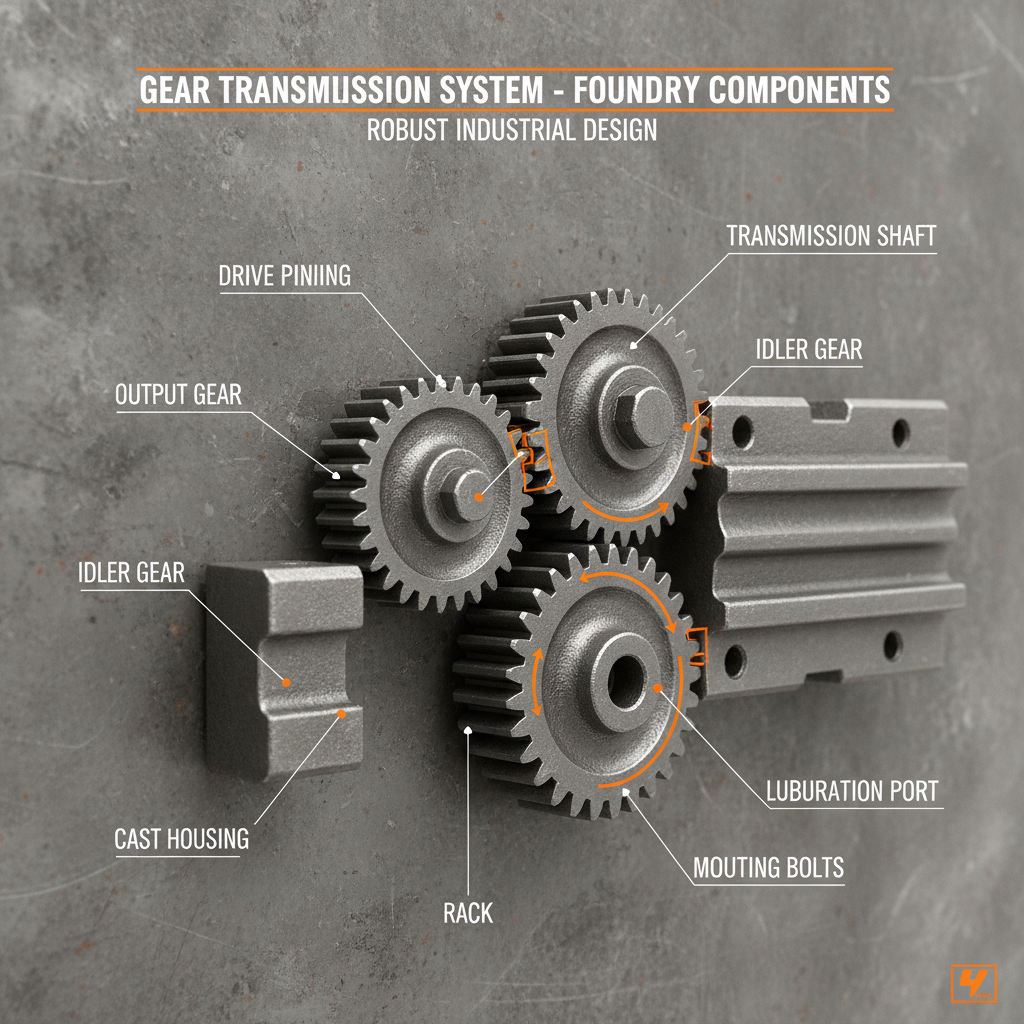
Let's break it down without jargon. A motor gear is essentially a mechanical part that transmits torque from a motor, modifying the speed and force to suit a specific task. Think of it as the "translator" between a motor’s power and the machine’s movement. They come in various shapes—spur, helical, bevel, worm—each tailored to different applications.
In modern industry and humanitarian logistics alike, motor gears convert raw power into precise, controlled motion. This matters because many large-scale operations—from automated warehouses in Europe to water-pump stations in remote African regions—depend on gears that can handle tough conditions without failing.
Essential Aspects of Motor Gear Performance
Durability: The Long Haul
No one wants to swap gears every six months. Durable motor gears made with hardened steel or specialized alloys ensure long-lasting operation, especially under high load or harsh environments. Many engineers say the right material choice can add years to lifespan—saving costs and headaches.
Precision & Noise Reduction
Precision in gear teeth manufacture and assembly reduces vibration and noise—a key factor in environments where humans work alongside machines. Helical gears, for instance, are quieter and smoother, proving popular in robotics and electric vehicles alike.
Scalability & Customization
Manufacturers now offer modular motor gear systems, allowing easy adjustments for different torque or speed requirements. This flexibility means a single base design can serve everything from tiny drones to industrial machinery.
Cost Efficiency
Balancing upfront cost with lifecycle value is an ongoing challenge. While custom gears may cost more initially, their lower maintenance and failure rates usually justify the investment — especially in critical applications.
Environmental Compatibility
As sustainability becomes central, motor gears designed to withstand eco-friendly lubricants or integrate into electric motor systems gain traction. This trend reflects broader shifts towards greener manufacturing.
Technical Specifications of a Typical Motor Gear Model
| Parameter | Typical Value | Notes |
|---|---|---|
| Gear Type | Helical | Smooth & quiet operation |
| Material | Case-hardened steel | High durability |
| Torque Capacity | 500 Nm | Suitable for medium industrial loads |
| Efficiency | 95% | Minimal energy loss |
| Weight | 12 kg | Compact design |
Where and How Motor Gears Make a Difference
Oddly enough, motor gears are everywhere — and I mean literally everywhere. From bustling automotive plants in Germany to solar farms in California, from water distribution pumps in India to conveyor belts in warehouses across Canada, motor gears underpin the motion.
For example, in post-disaster relief operations in Southeast Asia, portable water pumps powered by durable motor gears have helped supply clean water to thousands. Similarly, in remote mining zones in Australia, motor gear-driven conveyor systems automate material handling, enabling continuous operations with minimal human exposure to hazards.
Many industries like renewable energy harvesters, robotics firms, and even the growing electric vehicle market depend heavily on advanced motor gear mechanisms — which means these components aren't just parts, but key enablers of innovation and safety across the board.
Advantages Beyond the Specs: What Motor Gears Bring to the Table
- Cost Savings: Reduced maintenance and longer lifespan directly translate to better bottom lines for businesses.
- Sustainability: Energy-efficient gear designs help lower overall carbon footprints.
- Safety and Reliability: Smooth operation means fewer breakdowns, which can be a matter of life or death in certain industries.
- Innovation Boost: Enabling new tech like automated warehouses or electric mobility.
- Social Impact: Improving access and utility for humanitarian projects, indirectly uplifting communities.
Future Trends & Innovations in Motor Gear Technology
The future feels increasingly digital and green, and motor gear manufacturers are keeping pace by adopting advanced materials like carbon-fiber composites and bio-based lubricants. The rise of motor gear integrated with IoT sensors for predictive maintenance is noticeable too — preventing failures before they happen.
Automation and AI-driven design tools allow customized gear solutions in record time, while policies pushing for clean energy systems trigger demand for more efficient gears in wind turbines and electric vehicles. It’s a fast-moving landscape where staying ahead requires constant innovation.
Challenges and Practical Solutions
No tech is perfect. Common challenges include wear due to extreme loads, compatibility with new lubricants, and balancing cost with customization. Some manufacturers are exploring 3D metal printing for gears to reduce waste and enable complex shapes. Others invest in ultra-precision machining that cuts down vibration and noise.
In practice, pairing smart design choices with predictive diagnostics and robust quality control seems to be the winning formula. It's less about a magic bullet and more like a steady march toward better reliability.
FAQ: Common Questions About Motor Gear
- What is the lifespan of a typical motor gear in industrial settings?
- Generally, well-maintained motor gears can last 10 to 15 years depending on load, environment, and lubrication quality. Using high-quality materials and regular maintenance can extend this significantly.
- Are helical gears always better than spur gears?
- Not necessarily. Helical gears are quieter and smoother but more complex and expensive to manufacture. Spur gears are simpler and suitable for moderate applications where noise isn't a concern.
- Can motor gear systems be customized for special applications?
- Absolutely. Many vendors offer modular or tailor-made gear systems to fit specific torque, size, or speed requirements.
- How do motor gears contribute to energy efficiency?
- By optimizing gear design to minimize friction and power loss, motor gears ensure that energy from the motor is transferred efficiently, reducing wastage.
- What should I look for when selecting a motor gear supplier?
- Look for proven experience, quality assurance certifications, customization capabilities, and support for integration with your existing machinery.
Vendor Comparison: Motor Gear Suppliers at a Glance
| Supplier | Product Range | Customization | Lead Time | Certifications |
|---|---|---|---|---|
| GearTech Solutions | Standard & custom gears | High | 4-6 weeks | ISO 9001, ISO 14001 |
| Precision Gears Inc. | High precision industrial gears | Medium | 3-5 weeks | ISO 9001, TS 16949 |
| EcoGear Systems | Eco-friendly coated gears | Medium | 5-7 weeks | ISO 9001, Green Seal |
Conclusion
The future of motor gears is not just about mechanical engineering; it's about enabling safer, more efficient, and sustainable industries worldwide. Whether you’re running a cutting-edge motor gear manufacturing line or outfitting humanitarian equipment, the right knowledge and partner can boost your success exponentially.
If you’re curious to explore more about cutting-edge motor gear solutions or want expert advice tailored to your needs, feel free to visit our website: https://www.jssintering.com. Because sometimes, it’s the gears behind the scenes that truly drive progress.
References: