






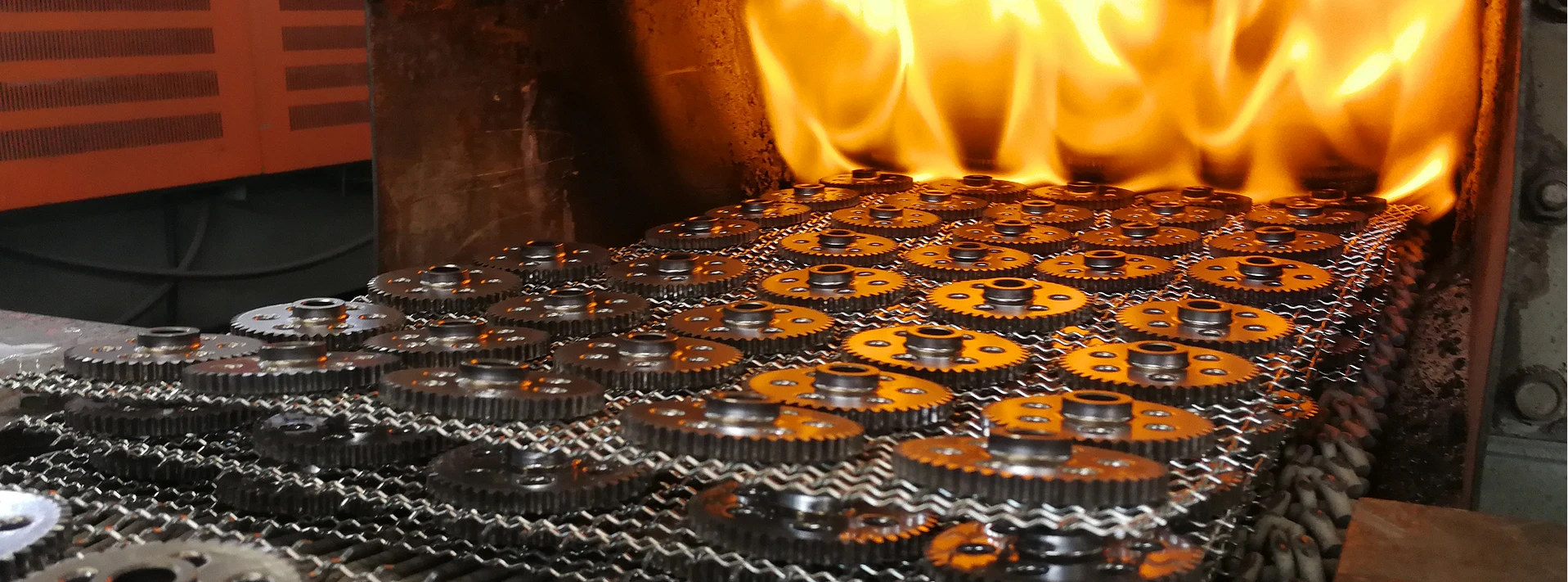
Understanding the Motor Metal Gear: Why It Matters Globally
If you've ever wondered what keeps so many of our machines humming smoothly — from electric vehicles to industrial conveyors — chances are a motor metal gear is involved. This unsung hero quietly transforms power and torque, driving everything from factory automation lines to robots assembling your latest smartphone. Understanding motor metal gear isn’t just a nerdy niche interest. It’s a fundamental part of how our modern world runs, powering industries worldwide and enabling solutions to complex challenges in transportation, manufacturing, and even humanitarian aid.
Globally, the motor metal gear market is a powerhouse in itself, projected to exceed billions of dollars over the next few years. According to the International Organization for Standardization (ISO), manufacturing efficiency and precision in motor gears directly relate to energy savings and emissions reduction—something every industry is keen on today. But beyond the numbers, what truly fascinates me is how this technology quietly solves problems — you know, those tricky little puzzles like minimizing downtime or making machines lighter but stronger.
Mini takeaway: Motor metal gears are more than just components; they are key players in global industrial progress and sustainability efforts.
The Global Context: Challenges and Relevance of Motor Metal Gear
It might seem just a tiny part in a vast machine, but globally, the motor metal gear is pivotal. In industries ranging from automotive to aerospace, these gears must withstand extreme conditions — think high temperatures, corrosive environments, and relentless use. According to a World Bank report, increased industrialization in emerging economies demands higher-quality gears to keep safety, efficiency, and costs tightly balanced.
A major challenge, frankly, has been balancing durability with affordability. Poor-quality gears lead to failures that cost companies millions annually in repairs and lost productivity. Plus, in humanitarian contexts, from disaster relief machinery to water purification systems, dependable motor metal gear units ensure critical operations continue without hiccups.
Mini takeaway: Meeting global challenges requires motor metal gear solutions that excel in durability, cost-efficiency, and reliability, especially in critical and harsh environments.
What Exactly Is a Motor Metal Gear?
Simply put, a motor metal gear is a metallic component integrated into motor assemblies that transmits mechanical power by meshing with another gear or a driving component. It converts motor rotations into usable torque, often changing speed or direction as needed. These gears come in various shapes and sizes — spur gears, helical gears, worm gears — each suited to specific applications.
From an industry perspective, motor metal gears form the backbone of mechanical power transmission in everything from factory automation robots, agricultural equipment, to advanced electric vehicles. Their precise engineering ensures smooth, noise-minimized operation that supports both high-speed performance and heavy load tolerance.
Mini takeaway: The motor metal gear is a compact but vital bridge between motor energy and practical mechanical work in countless machines worldwide.
Core Components and Key Factors in Motor Metal Gear Design
1. Durability
All engineers will tell you: how long a gear lasts under stress is the bottom line. Materials like hardened steel alloys, sometimes combined with coatings for corrosion resistance, ensure motor metal gears handle continuous load cycles without cracking or wearing prematurely.
2. Precision Manufacturing
Gears need exact tooth profiles to mesh perfectly. Small errors cause noise, vibration, and energy loss. Modern CNC machining and quality control using 3D inspection maintain the fine tolerances required.
3. Load Capacity and Torque
Depending on the application, gears must handle different torque levels. For example, industrial conveyors need gears with high torque capacities, whereas electric bicycles require lighter, yet efficient designs.
4. Speed and Noise Control
Especially in electric vehicle motors or household appliances, low noise is a big selling point. Helical gears, unlike spur gears, reduce the harsh clashing sound while operating.
5. Cost Efficiency
Material choices plus manufacturing methods impact price, but going too cheap can backfire with premature failures. Many companies weigh upfront cost against total lifecycle savings.
6. Scalability and Customization
Finally, the best motor metal gear suppliers offer customization to suit niche clients — whether it’s a specialized alloy or a specific tooth form for a precise application.
Mini takeaway: Durability, precision, torque capacity, noise control, cost, and customization shape modern motor metal gear design and really set apart great suppliers.
Global Applications & Real-World Use Cases
- Automotive Industry: Motor metal gears drive electric vehicle motors, contributing to smoother acceleration and better energy efficiency in leading EV models.
- Manufacturing Plants: Conveyor systems, robotic arms, and packaging machines use specialized motor metal gears for consistent, accurate operation over long shifts.
- Renewable Energy: Wind turbines employ high-torque gears to convert blade rotations into electrical power — a job demanding reliability in all weather.
- Humanitarian Aid: In post-disaster water purification or mobile medical units, reliable motor metal gears ensure vital equipment runs uninterrupted.
- Aerospace: Gears in actuators and control surfaces require ultra-precise designs to perform flawlessly at altitude.
Regions actively developing industrial infrastructure, such as Southeast Asia and parts of Africa, increasingly rely on robust motor metal gears imported or locally manufactured to boost productivity and reduce operational faults.
Mini takeaway: Motor metal gears are central to a vast range of life-changing applications worldwide — from clean energy to crisis response.
Advantages & Long-Term Value of Motor Metal Gears
The advantages are genuinely multi-layered. Beyond just transferring torque, these gears lower maintenance costs by lasting longer and running efficiently. There's also a sustainability angle: well-made metal gears boost overall machine efficiency, cutting wasted energy and emissions. Socially, this reliability supports worker safety and dignity — no one wants to risk injury because of faulty equipment.
Emotionally speaking, reliable motor metal gears build trust between manufacturers and users. When a factory line has zero downtime due to gear failure, that peace of mind translates into improved morale and customer satisfaction. Innovation whipped into gear too: ongoing improvements in materials and design enhance product lifecycle and environmental friendliness.
Mini takeaway: The long-term benefits of motor metal gears encompass economic savings, sustainability, safety, and innovation trust — everything a forward-thinking company values.
Future Trends in Motor Metal Gear Technology
Looking ahead, several exciting innovations are shaking up the scene:
- Advanced Materials: Composite metals and nanostructured coatings promise lighter, stronger, and corrosion-proof gears.
- Digital Twins & IoT: More motor metal gears are embedded with sensors to monitor wear in real-time — a predictive maintenance game-changer.
- Green Policies: Stricter emission and efficiency standards push gear manufacturers to optimize every design step for minimal energy loss.
- Automation Integration: Custom gear solutions integrate with robotics and automation, requiring precision at ever-smaller scales.
All these trends work together toward smarter, greener, and longer-lasting motor metal gears on tomorrow’s machines.
Mini takeaway: Innovation in materials, digital monitoring, and environmentally driven design foreshadow an exciting future for motor metal gears.
Common Challenges and Expert Solutions
Despite advances, challenges remain. Key struggles include:
- Balancing Cost and Performance: Premium materials add expense, but cutting corners risks early failure.
- Environmental Stress: Corrosive or high-temp conditions degrade gears faster, demanding specialized treatments.
- Supply Chain Volatility: Raw material shortages can delay production.
Experts suggest a few reliable fixes: adopting modular gear designs for easy maintenance, investing in predictive digital monitoring, and fostering local supplier networks for resilience. There's also a push toward standardizing specifications (ISO 6336 for gear calculation) to reduce mismatches and quality issues.
Mini takeaway: Facing technical, environmental, and supply chain issues head-on requires smart design, digital tech, and collaborative industry standards.
FAQ: Your Top Questions About Motor Metal Gear
- Q: How do motor metal gears affect machine efficiency?
- A: They directly impact torque transfer efficiency and operational smoothness, which reduces energy losses and wear, meaning your machine costs less to run and breaks down less.
- Q: What materials are best for heavy-duty motor metal gears?
- Hardened steel alloys, sometimes with surface treatments like carburizing or nitriding, offer high strength, wear resistance, and corrosion protection, ideal for harsh industrial settings.
- Q: Can motor metal gears be customized for specific applications?
- Absolutely. Many manufacturers provide custom tooth profiles, sizes, and materials to fit unique torque, speed, and environment needs.
- Q: How long do motor metal gears typically last in industrial use?
- Lifespan varies with operating conditions, but well-designed gears can reliably last 10+ years with proper maintenance.
- Q: Are there eco-friendly options for motor metal gears?
- Yes, newer gears use recyclable metals, longer-lasting coatings to reduce replacements, and optimized designs that reduce energy waste, aligning with sustainability goals.
Product Specification Table: Typical Motor Metal Gear
| Specification | Details |
|---|---|
| Material | Hardened Alloy Steel (e.g., 8620 Steel) |
| Tooth Type | Helical |
| Module (tooth size) | 2 - 5 mm |
| Surface Treatment | Carburizing and Quenching |
| Torque Capacity | Up to 150 Nm (varies) |
| Operating Temperature | -40°C to 150°C |
| Weight | Depends on size; approx. 300-1500g |
Vendor Comparison: Key Motor Metal Gear Suppliers
| Feature | JSS Sintering | Global Gear Co. | Precision MetalWorks |
|---|---|---|---|
| Customization Options | High – Custom alloys and tooth profiles | Medium – Standard range | High – Small-batch specialties |
| Lead Time | 2-4 weeks | 3-5 weeks | 4-6 weeks |
| Price Range | Competitive | Premium | Higher-end |
| Quality Certifications | ISO 9001, ISO 6336 | ISO 9001 | ISO 9001, AS9100 |
| Suitable Industries | Automotive, Industrial, Renewable Energy | Aerospace, Robotics | Precision Engineering, Medical |
For those intrigued, I highly recommend checking out motor metal gear experts who blend advanced alloy science with tailored manufacturing. Their approach really reflects the future of the industry.
Conclusion: Why Investing in Quality Motor Metal Gear Matters
At the end of the day, motor metal gears might just be quiet cogs in a high-tech world, but they matter. They carry the force and trust of entire industries, enabling innovation, sustainability, and reliable performance. Whether you’re designing a new electric motor or upgrading factory machinery, choosing the right gear isn’t an afterthought — it’s the very foundation.
Ready to explore the best motor metal gear solutions? Visit our website: https://www.jssintering.com and discover how precision and quality meet in every turn of the gear.









