




Motor Metal Gear: A Comprehensive Guide
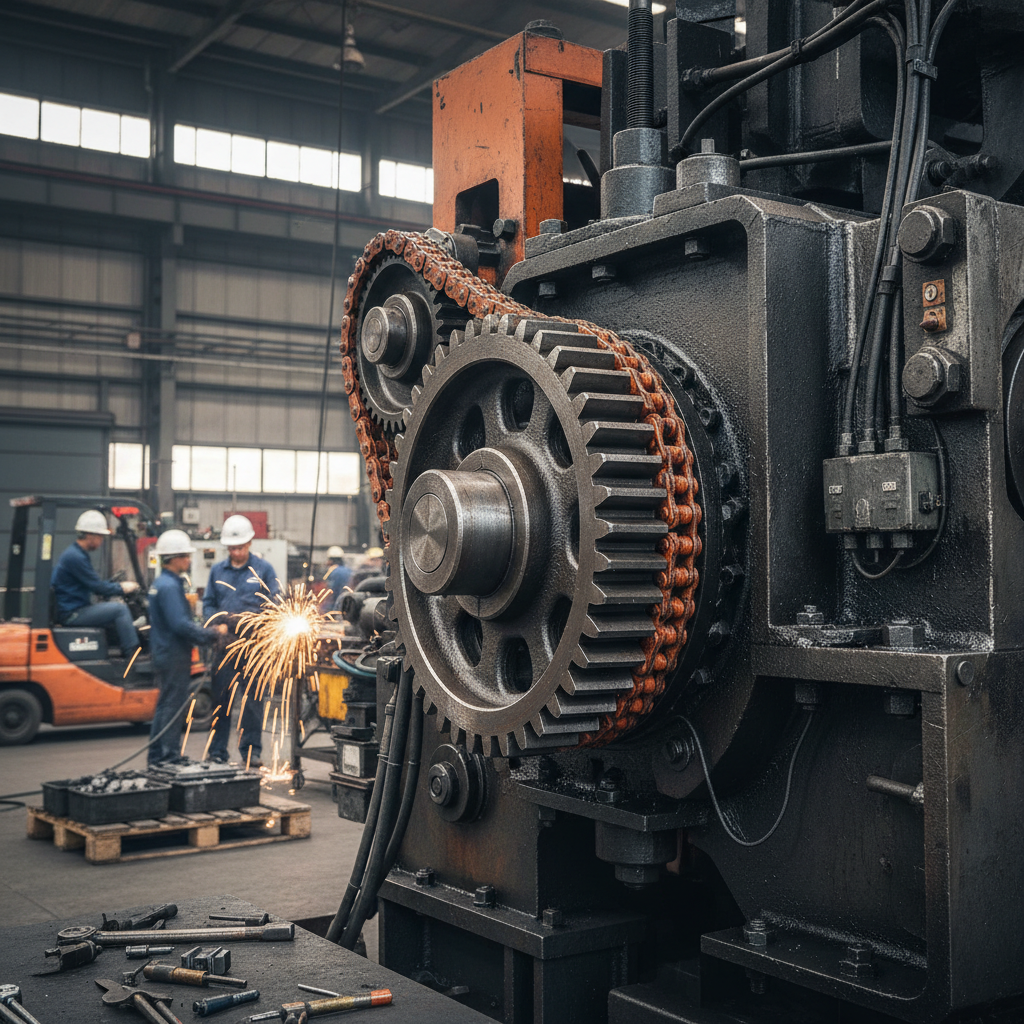
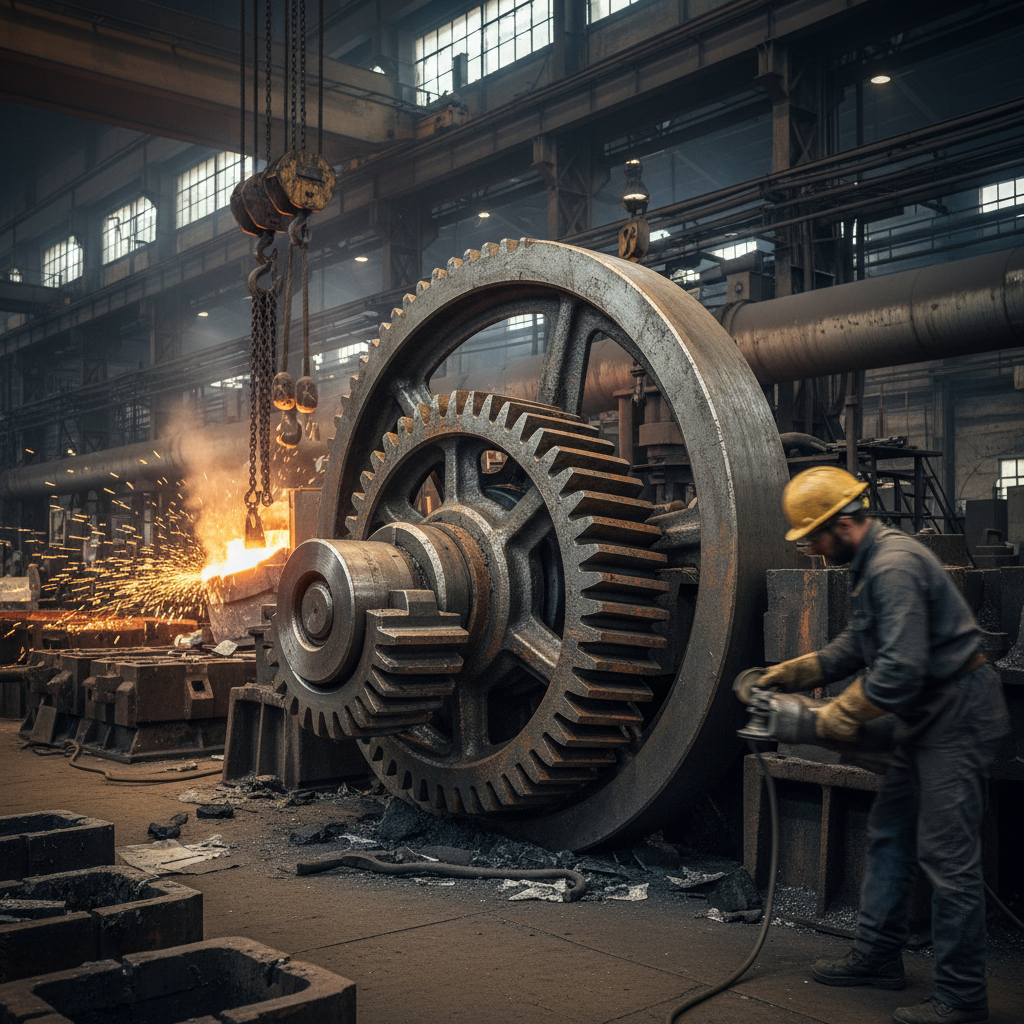
In the world of automation, robotics, and power transmission, motor metal gears are indispensable components. These gears translate rotational force, enabling everything from simple electric toothbrushes to complex industrial machinery. Understanding the nuances of motor metal gears – their materials, types, and applications – is crucial for engineers, designers, and anyone involved in mechanical systems. This article provides a deep dive into the world of motor metal gears, exploring their functionality, advantages, and the latest advancements. Choosing the right gear can significantly impact the performance and longevity of your motor-driven systems.
Understanding Motor Metal Gear Fundamentals
Motor metal gears are typically manufactured from various metals and alloys, each offering unique properties. Steel is a common choice due to its high strength and durability, but it can be susceptible to corrosion. Brass and bronze offer better corrosion resistance and are often used in low-load applications. Stainless steel provides excellent corrosion resistance and strength, making it suitable for harsh environments. The selection of material depends heavily on the application’s requirements – load capacity, speed, environmental conditions, and cost considerations all play a role. JS Sintering specializes in producing high-precision metal gears tailored to specific client needs.
Key Considerations: Material selection is critical and depends on the operating environment, load requirements, and desired lifespan of the gear system.
Common Types of Motor Metal Gears
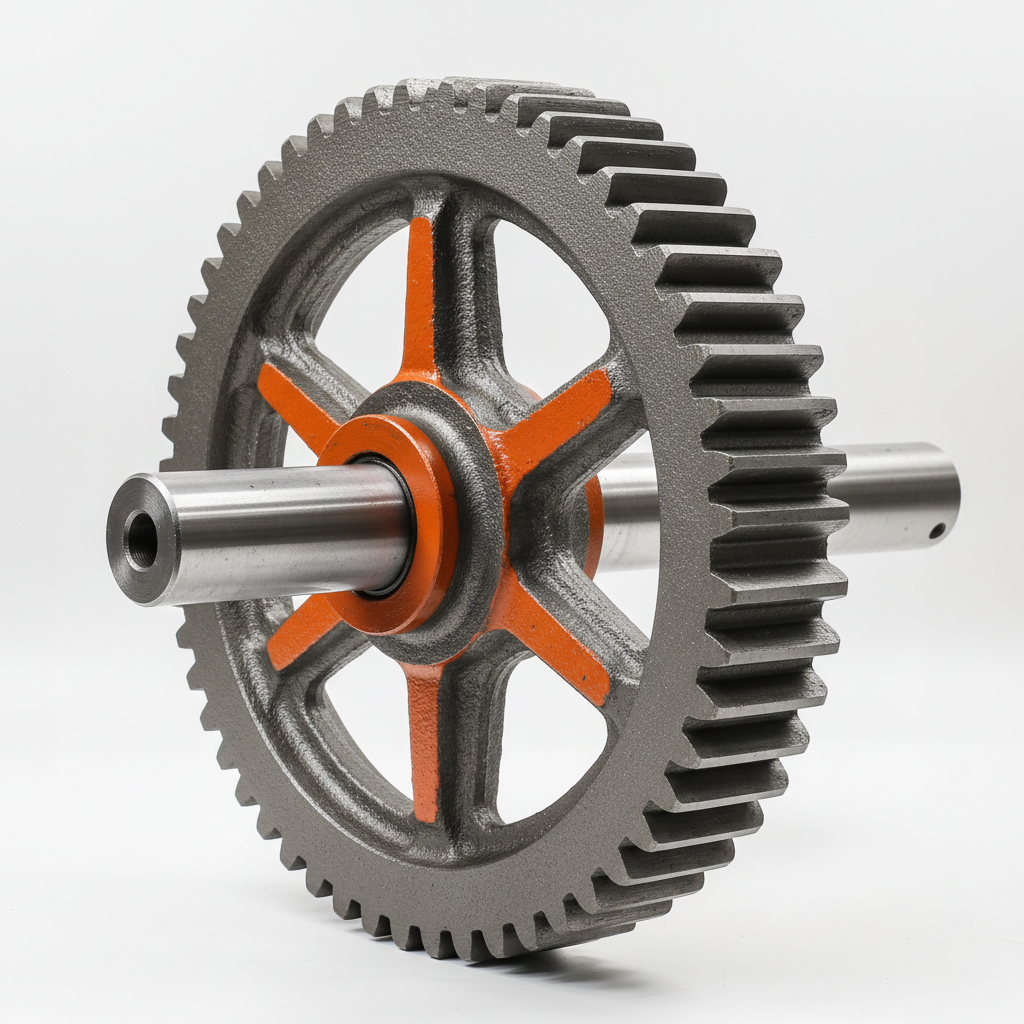
Several gear types are employed in motor applications, each suited for different tasks. Spur gears are the simplest and most common, ideal for transmitting power between parallel shafts. Helical gears offer smoother operation and higher load capacity, but generate axial thrust. Bevel gears are used to transmit power between intersecting shafts. Worm gears provide high gear ratios and self-locking capabilities. Choosing the right gear type requires careful consideration of the application’s geometry, load requirements, and desired efficiency. JS Sintering offers a wide range of gear types to meet diverse application needs.
Gear Type Overview:
• Spur Gears: Simple, efficient for parallel shafts.
• Helical Gears: Smoother, higher load capacity, axial thrust.
• Bevel Gears: Transmit power between intersecting shafts.
• Worm Gears: High gear ratios, self-locking.
Motor Metal Gear Materials: A Comparative Analysis
Selecting the appropriate material for your motor metal gear is paramount. Here's a comparison of common materials:
Applications of Motor Metal Gears
Motor metal gears are found in an astonishing array of applications. From automotive transmissions and robotics to household appliances and medical devices, their role is critical. High-precision gears are vital in aerospace applications, while durable gears are essential in industrial machinery. The specific requirements of each application dictate the gear type, material, and manufacturing process. JS Sintering provides customized gear solutions for a broad spectrum of industries.
Advancements in Motor Metal Gear Technology
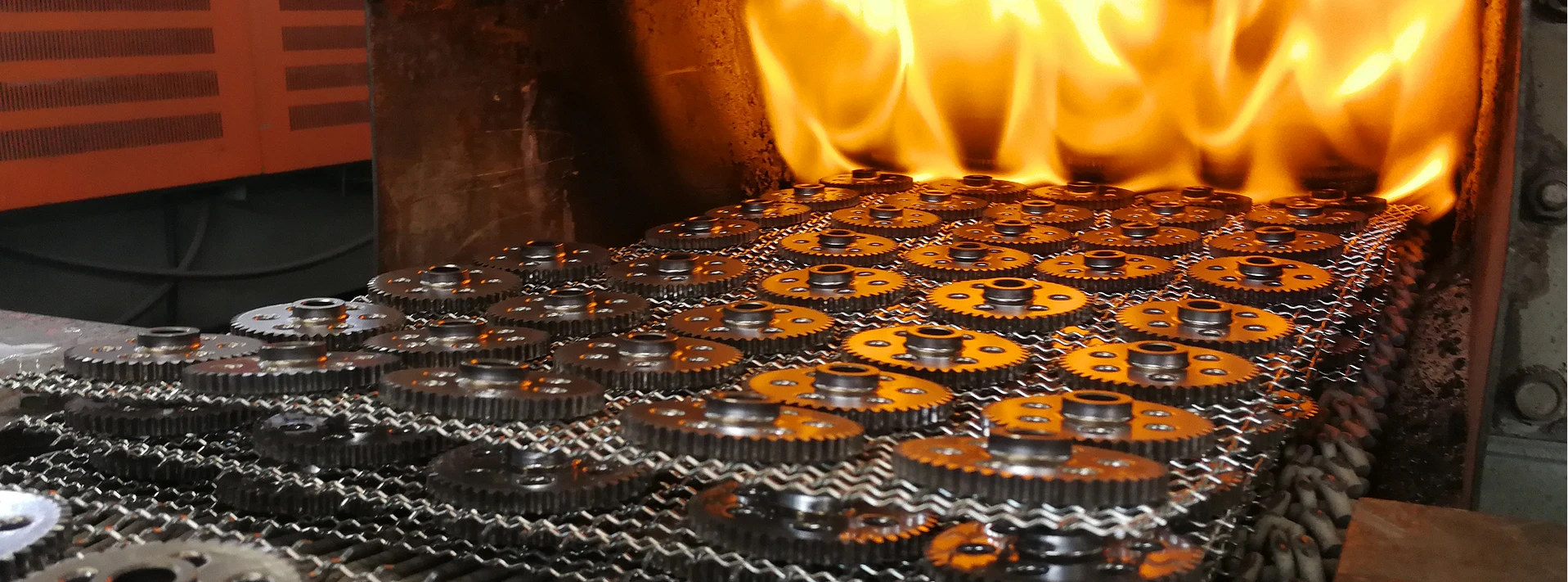
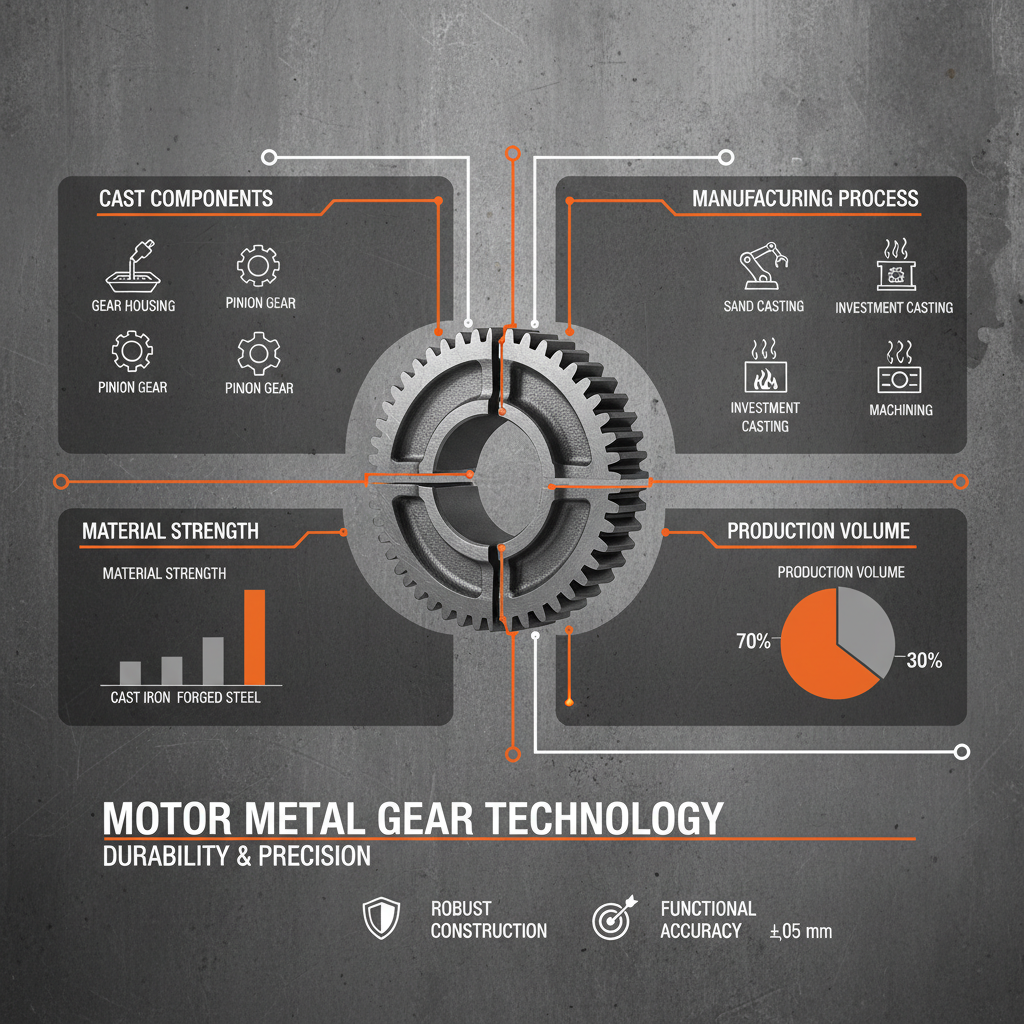
Recent advancements in motor metal gear technology focus on improving efficiency, reducing noise, and increasing durability. Powder metallurgy (PM) gears, manufactured by JS Sintering, offer near-net-shape manufacturing, minimizing material waste and reducing machining costs. Micro-gearing is also gaining prominence in miniature devices. Surface treatments, like nitriding and carburizing, enhance gear hardness and wear resistance. These advancements contribute to more reliable and efficient motor systems.
Conclusion: The Future of Motor Metal Gears
Motor metal gears remain a fundamental component in countless mechanical systems. Continued innovation in materials, manufacturing processes, and design will drive further improvements in performance and efficiency. Choosing the right gear, and a reliable supplier like JS Sintering, is critical for success.
Frequently Asked Questions (FAQs)
What factors should I consider when selecting a motor metal gear material?
Several factors are crucial. Load capacity is paramount – higher loads require stronger materials like steel. Environmental conditions dictate corrosion resistance; stainless steel or brass/bronze are suitable for harsh environments. Speed and operating temperature also influence material selection. Cost is a practical consideration, balancing performance with budget. Consider wear resistance and the need for lubrication as well. The application's specific needs will ultimately determine the optimal material.
What are the advantages of powder metallurgy (PM) gears?
Powder metallurgy offers several key advantages. It allows for near-net-shape manufacturing, minimizing material waste and machining costs. PM gears can achieve complex geometries and high precision. The process can create gears with controlled porosity for self-lubrication. PM gears often exhibit excellent dimensional stability and consistent mechanical properties. JS Sintering specializes in the production of high-quality PM gears.
How can I minimize noise in a gear system?
Several strategies can reduce gear noise. Using helical gears instead of spur gears generally results in smoother and quieter operation. Precise gear manufacturing tolerances are crucial. Proper gear alignment and lubrication also minimize noise. Consider gear tooth profile modifications, such as chamfering or crowning. Mounting the motor and gearbox on vibration-dampening materials can also help.
What is the importance of gear lubrication?
Lubrication is vital for reducing friction, wear, and heat generation within the gear system. It extends the lifespan of the gears, improves efficiency, and minimizes noise. The appropriate lubricant type depends on the gear material, operating speed, and load conditions. Regular lubricant maintenance and replacement are essential to ensure optimal performance.