




Understanding the Importance of a Quality Motor Gear
In countless applications, from industrial machinery to everyday appliances, the motor gear is a critical component ensuring smooth, efficient, and reliable operation. Choosing the right motor gear isn’t just about finding a part that fits; it’s about selecting a solution that maximizes performance, minimizes wear, and ultimately, reduces downtime. At JS Sintering, we specialize in crafting high-precision motor gears tailored to diverse industrial needs. This article will explore the world of motor gears, covering types, materials, applications, and how to select the optimal gear for your specific requirements.
Types of Motor Gears: A Comprehensive Overview
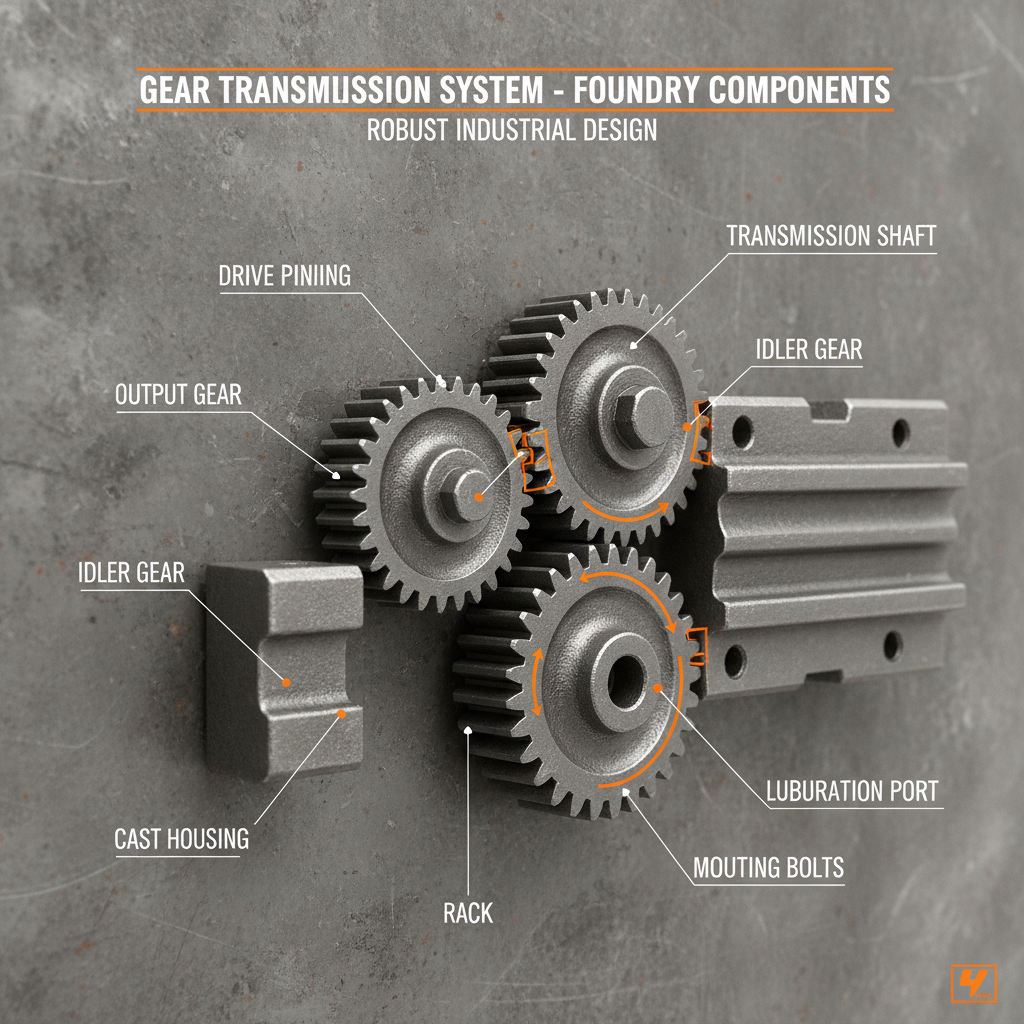
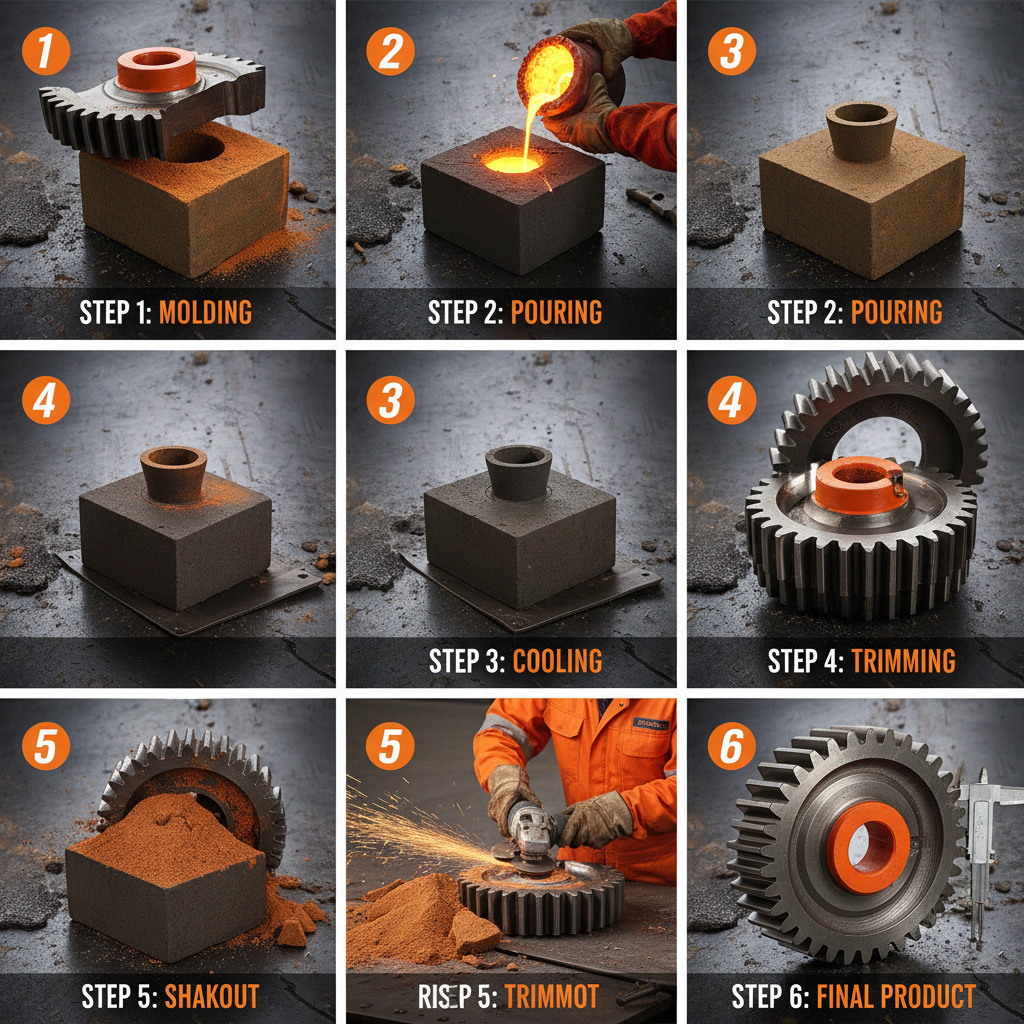
Motor gears come in a variety of designs, each suited for specific applications and torque requirements. Common types include spur gears, helical gears, bevel gears, worm gears, and planetary gears. Spur gears are the simplest and most common, offering high efficiency and ease of manufacturing. Helical gears provide smoother and quieter operation due to their angled teeth, making them ideal for high-speed applications. Bevel gears are used to transmit power between shafts that intersect, often found in automotive differentials. Worm gears offer high reduction ratios but typically have lower efficiency. Finally, planetary gears provide compact designs and high torque capacity.
Materials Used in Motor Gear Manufacturing
The material selection for a motor gear significantly impacts its performance and longevity. Steel, including alloy steels and stainless steels, is commonly used for its strength and durability. Plastics, such as nylon and Delrin, offer lightweight solutions with good wear resistance and noise reduction. Powder metallurgy steels, a specialty of JS Sintering, provide exceptional precision, controlled porosity, and excellent mechanical properties. The choice depends on factors like load, speed, operating environment, and cost.
Key Considerations for Material Selection: Strength, Wear Resistance, Noise Reduction, Weight, and Cost.
Applications of Motor Gears Across Industries
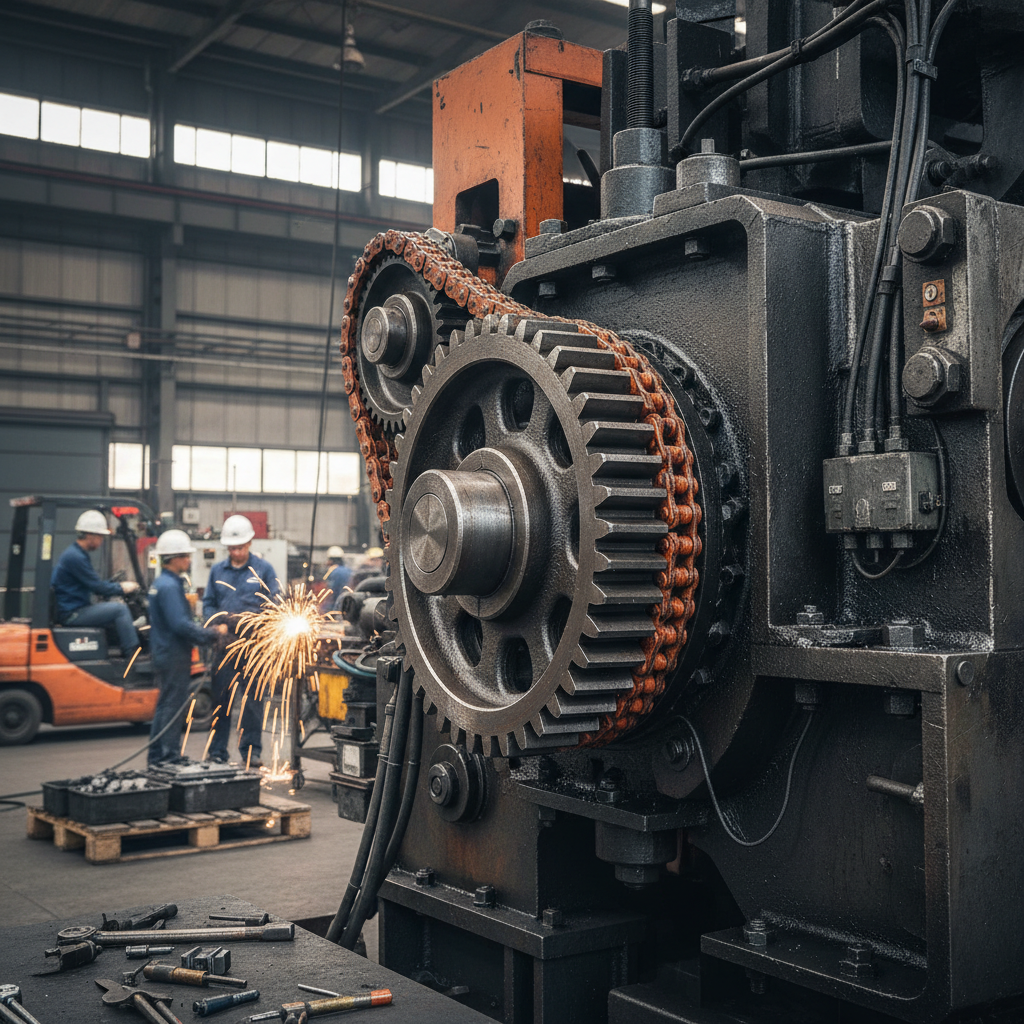
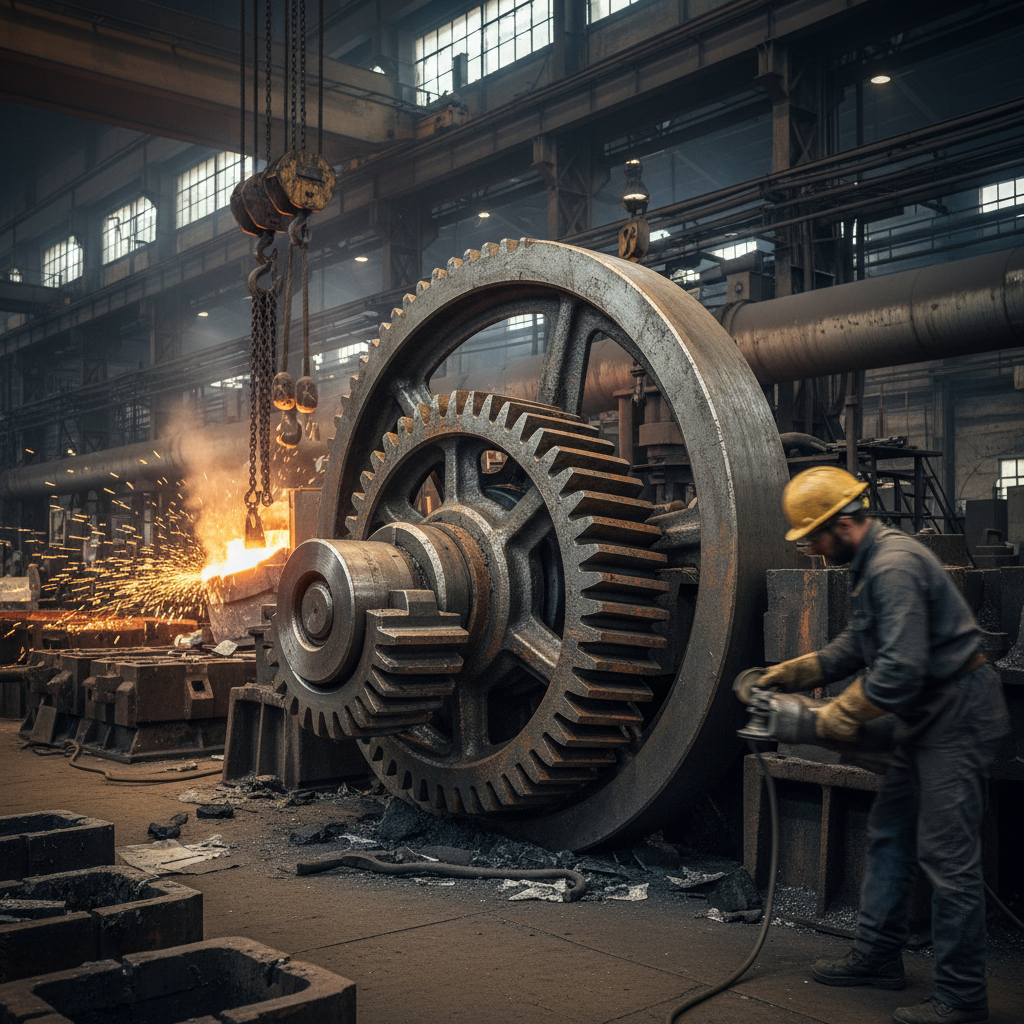
Motor gears are ubiquitous across numerous industries. In the automotive sector, they are vital in transmissions, differentials, and power steering systems. The robotics industry relies on precision gears for joint movements and actuator control. Industrial machinery, including pumps, compressors, and conveyors, heavily utilizes motor gears for power transmission. Even consumer appliances like power tools, washing machines, and blenders incorporate gears for efficient operation. The versatility of motor gears makes them indispensable to modern manufacturing and technology.
Choosing the Right Motor Gear: A Comparative Analysis
Selecting the appropriate motor gear requires careful consideration of several factors. The application’s torque requirements, speed, operating environment, and desired lifespan are all crucial. Furthermore, understanding the advantages and disadvantages of each gear type is essential. For high-torque, low-speed applications, worm gears are often preferred, while helical gears excel in high-speed, moderate-torque scenarios. Considering the overall system efficiency and potential noise levels is also important.
JS Sintering: Your Partner for High-Precision Motor Gears
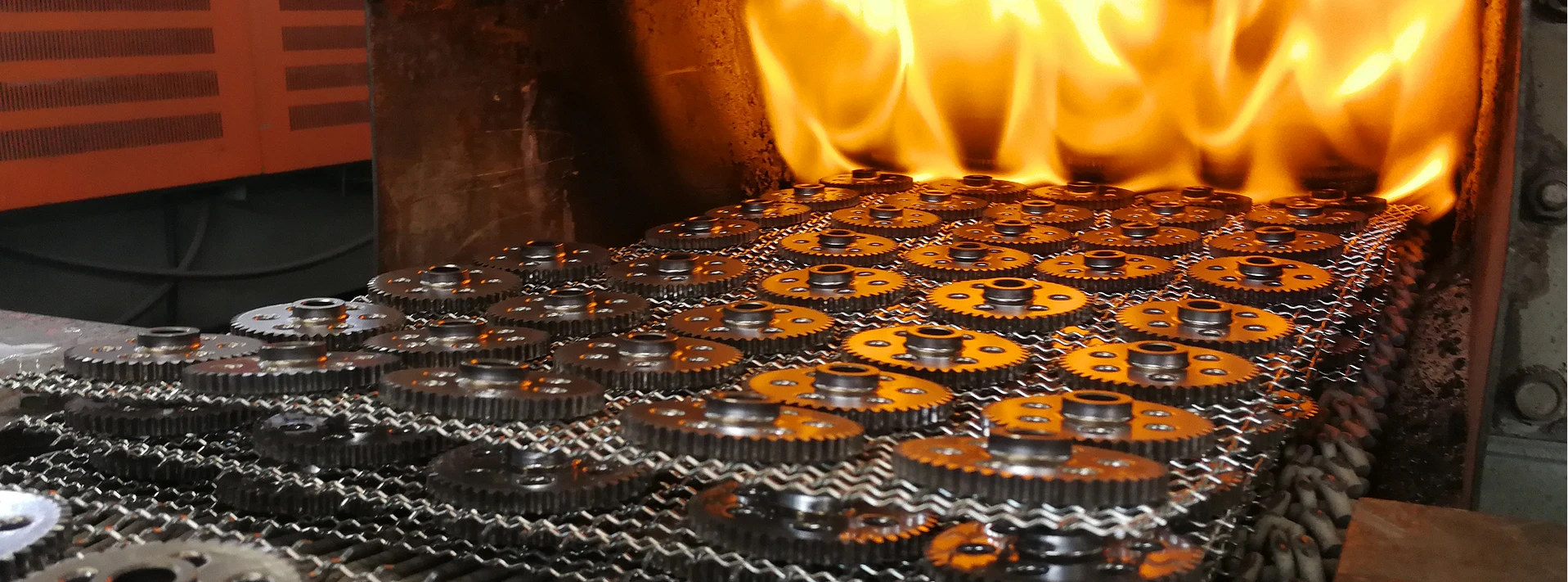
At JS Sintering, we leverage advanced powder metallurgy techniques to produce motor gears that exceed industry standards. Our commitment to precision, quality control, and customer satisfaction sets us apart. We offer custom gear design and manufacturing services to meet your unique specifications, ensuring optimal performance and reliability. Whether you require small-batch prototypes or large-scale production runs, we have the expertise and capabilities to deliver.
Conclusion: Choosing the Right Motor Gear for Optimal Performance
Selecting the right motor gear is crucial for the longevity and efficiency of your machinery. Understanding the different types of gears, materials, and applications will guide you towards the best solution. JS Sintering provides high-quality, custom-engineered gears to meet your precise needs. Contact us today to discuss your project and experience the difference of precision manufacturing.
Frequently Asked Questions (FAQs)
What factors should I consider when selecting a motor gear material?
Several factors play a key role in material selection. Consider the load and speed requirements of your application, as well as the operating environment. If high strength and durability are paramount, steel alloys are generally preferred. For applications demanding lightweight components and quieter operation, plastics like nylon or Delrin may be more suitable. Corrosion resistance is also a critical factor for certain environments, making stainless steel a viable option. JS Sintering can help you navigate these choices and recommend the optimal material for your specific needs. Powder metallurgy steels offer unique benefits, including controlled porosity and exceptional precision.
How does the precision of a motor gear impact its performance?
Precision is paramount in motor gear performance. Accurate gear tooth profiles ensure smooth meshing, minimizing friction, noise, and wear. Higher precision also translates to greater efficiency and improved torque transmission. JS Sintering utilizes advanced manufacturing techniques to achieve exceptional precision in our motor gears, resulting in superior performance and extended lifespan. This is particularly important for applications requiring high accuracy or operating at high speeds.
What are the advantages of using powder metallurgy gears?
Powder metallurgy (PM) gears offer several key advantages over traditional manufacturing methods. PM allows for near-net shape manufacturing, reducing material waste and machining costs. It also enables the creation of complex geometries and controlled porosity, enhancing lubrication and wear resistance. PM gears often exhibit superior mechanical properties and dimensional accuracy, leading to improved performance and reliability. JS Sintering specializes in PM gear manufacturing, delivering high-quality components tailored to your specific requirements.
How often should motor gears be inspected and replaced?
Regular inspection is crucial for maintaining the reliability of motor gears. The frequency of inspection depends on the application and operating conditions. Inspect gears for signs of wear, such as chipped teeth, pitting, or excessive backlash. Lubrication levels should also be checked and maintained. Replacement frequency varies, but as a general guideline, gears should be replaced when significant wear is detected or after a predetermined lifespan based on operating hours and load conditions. Proactive maintenance can prevent unexpected failures and extend the lifespan of your equipment.