




Choosing the Right Juicer Gear: A Comprehensive Guide
Selecting the correct juicer gear is crucial for optimal juicing performance and longevity of your equipment. Whether you’re a home enthusiast or operating a commercial juicing business, understanding the different types, materials, and applications of juicer gears is essential. This article provides a detailed exploration of juicer gears, covering their function, materials, common issues, and how to choose the best gear for your needs. Investing in high-quality juicer gear ensures consistent results and minimizes downtime.
Understanding Juicer Gear and Its Function
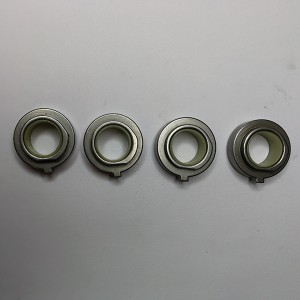
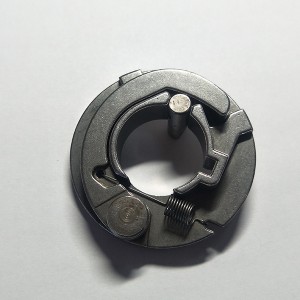
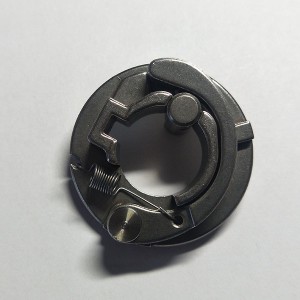
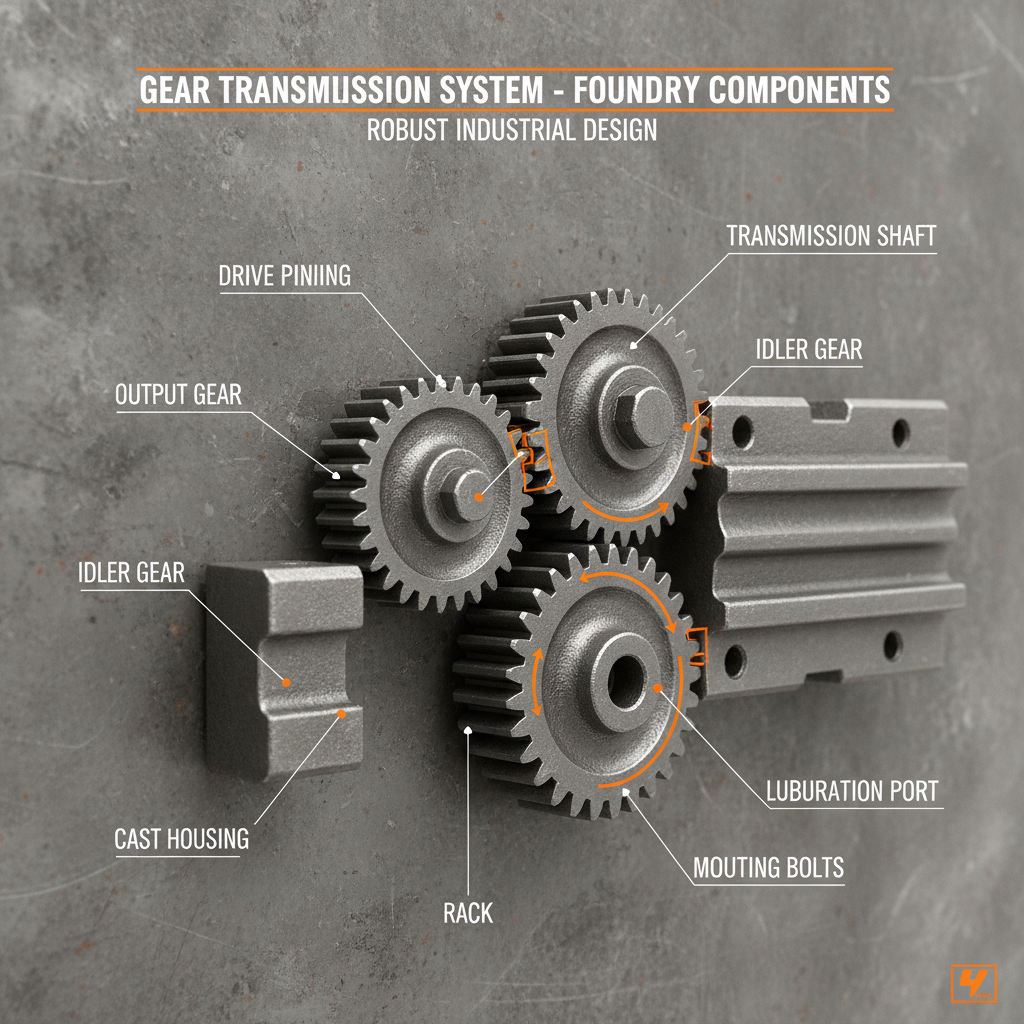
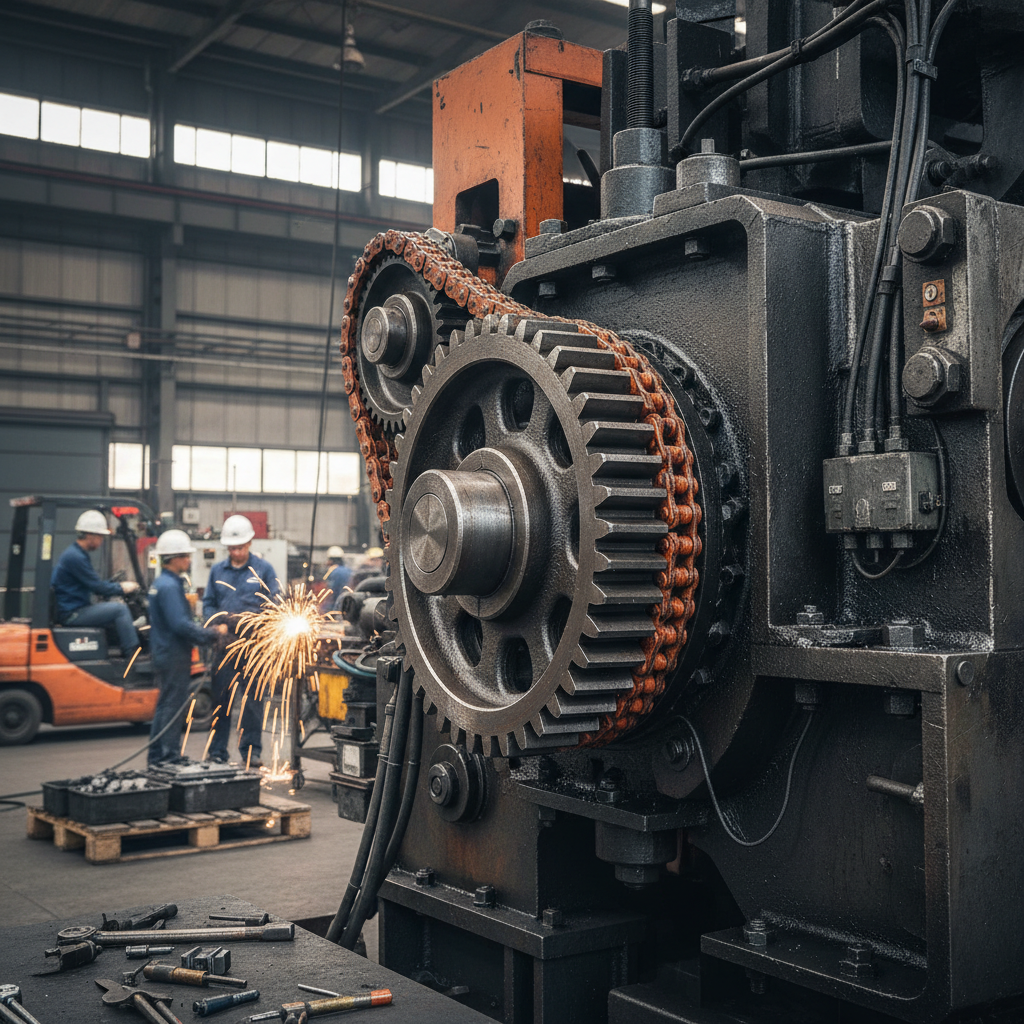
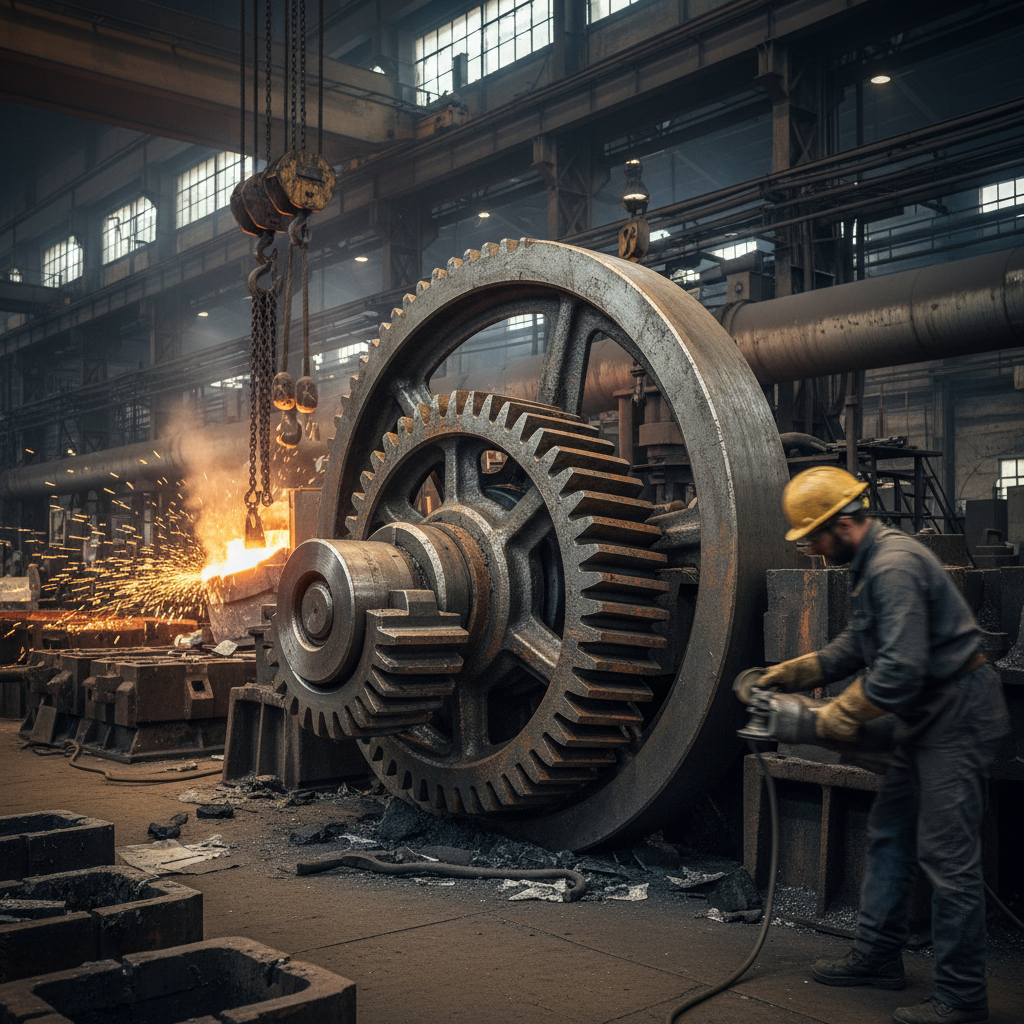
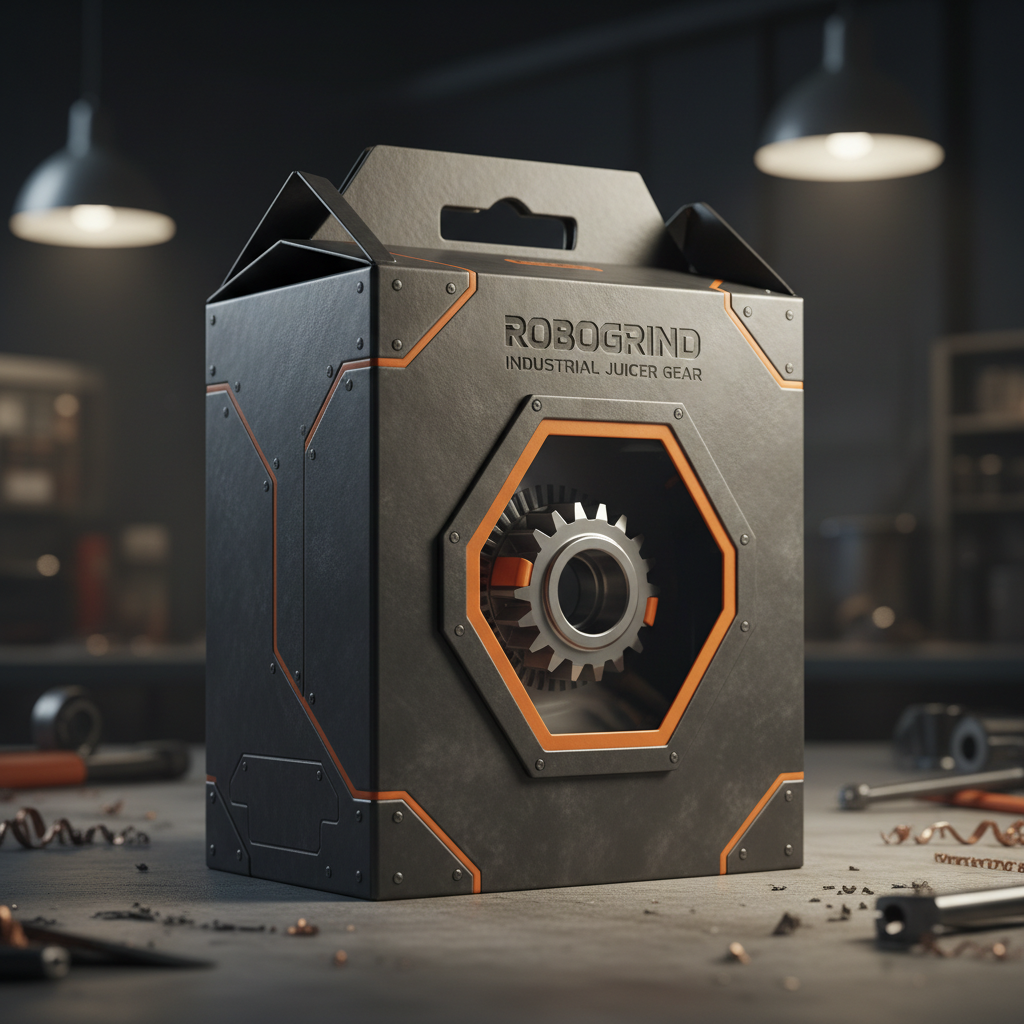
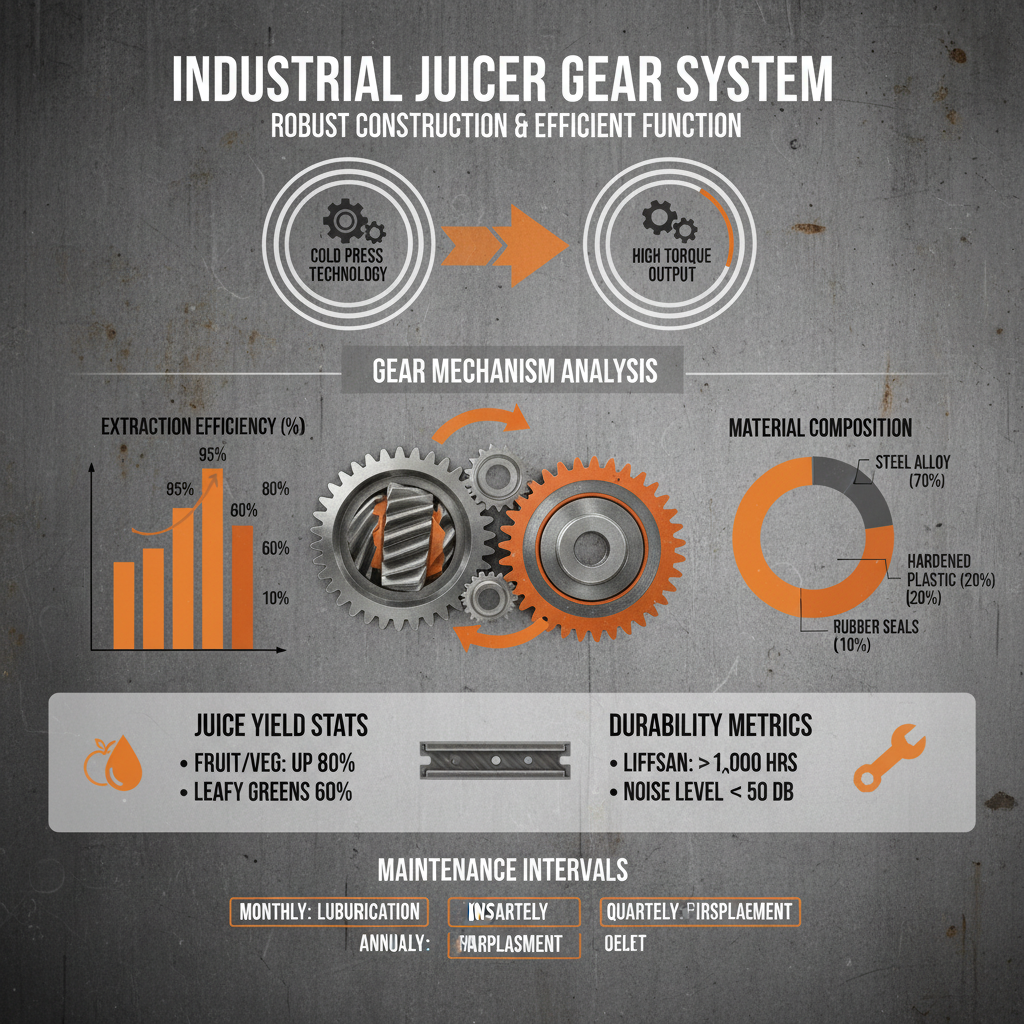
Juicer gears are the driving components responsible for rotating the auger (screw) or blades within a juicer, effectively extracting juice from fruits and vegetables. These gears transfer power from the motor to the juicing mechanism, crushing and separating juice from pulp. Different juicer types – centrifugal, masticating (slow), and triturating – utilize varying gear designs and materials. The proper functioning of these gears directly impacts the juice yield, pulp dryness, and overall juicing efficiency. Worn or damaged juicer gears can lead to reduced performance and potential motor strain.
Key Takeaway: Juicer gears are the essential link between the motor and the juicing process, directly impacting efficiency and juice quality.
Common Juicer Gear Materials
Juicer gears are typically constructed from several different materials, each with unique properties and suitability. The most common materials include:
- Plastic (Nylon/POM): Lightweight, cost-effective, and generally quieter, but less durable and prone to wear, especially with hard produce.
- Stainless Steel: Strong, corrosion-resistant, and ideal for heavy-duty juicing. Often found in higher-end masticating juicers.
- Metal Alloys (Zinc/Aluminum): Offers a balance of strength and weight. Commonly used in centrifugal juicers.
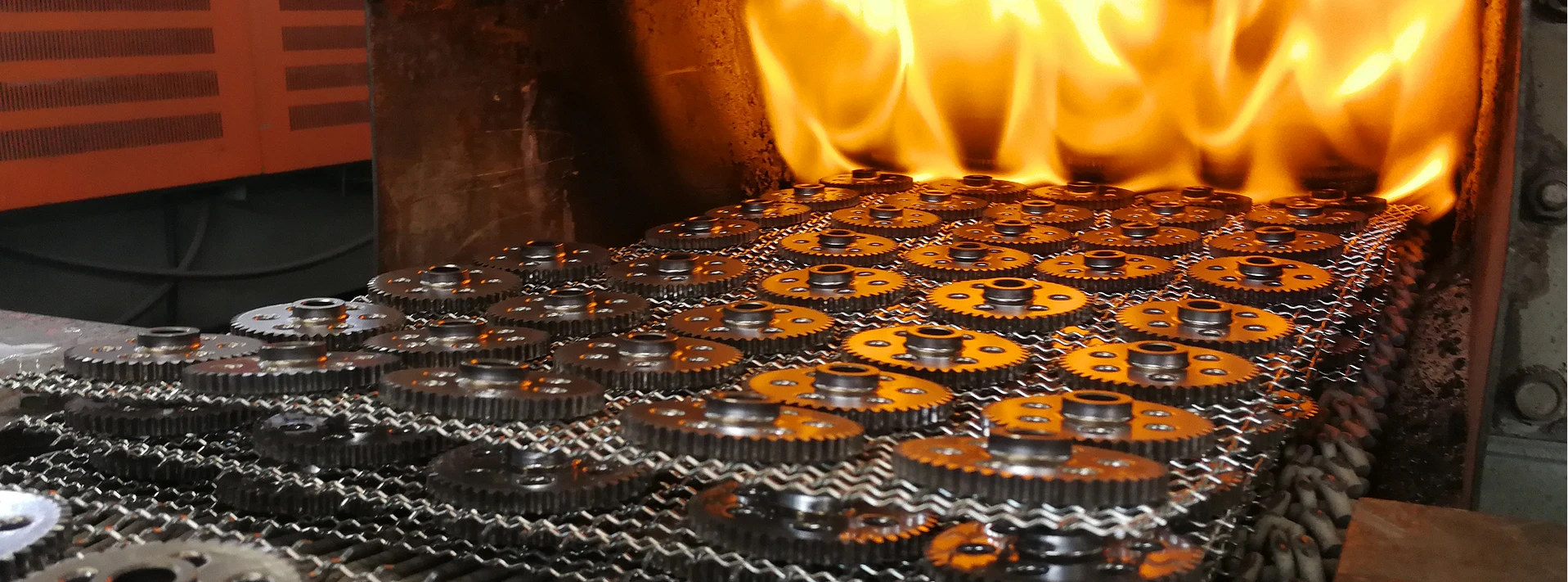
The choice of material significantly affects the gear's lifespan, resistance to wear, and suitability for different types of produce. Investing in gears made from higher-quality materials, like stainless steel, can provide long-term value and improved performance.
Choosing the Right Juicer Gear for Your Juicer Type
Different juicer types demand different gear specifications. Here’s a breakdown:
Identifying and Troubleshooting Common Juicer Gear Issues
Several issues can arise with juicer gears. Common signs of trouble include:
- Reduced Juicing Efficiency: Lower juice yield or excessive pulp.
- Unusual Noises: Grinding, clicking, or squealing sounds during operation.
- Visible Damage: Cracked, stripped, or worn-down gear teeth.
- Motor Strain: The motor seems to be working harder than usual.
Regularly inspect your juicer gears for wear and tear. If you notice any of these signs, it’s time to replace them. Attempting to operate a juicer with damaged gears can lead to further damage to the motor and other components. JSS Intering provides a comprehensive range of replacement juicer gears to address these issues.
Where to Source High-Quality Juicer Gear
When sourcing replacement juicer gears, it's crucial to choose a reputable supplier that offers high-quality components. JSS Intering specializes in precision-engineered juicer gears, offering a wide selection of gears compatible with various juicer models. We prioritize durable materials, accurate manufacturing, and reliable performance. Choosing the right supplier ensures you receive gears that meet the specifications of your juicer and deliver long-lasting results.
Conclusion: Maintaining Optimal Juicing Performance
Investing in high-quality juicer gear from a trusted supplier like JSS Intering is essential for maintaining optimal juicing performance and extending the lifespan of your equipment. Understanding the different gear materials, types, and potential issues will empower you to make informed decisions and ensure a consistent supply of fresh, healthy juice. Don't compromise on quality – choose JSS Intering for reliable and durable juicer gears.
Frequently Asked Questions (FAQs)
How often should I replace my juicer gears?
The frequency of replacement depends on usage and the type of produce juiced. Generally, inspect gears annually and replace them if you notice signs of wear, such as cracks, stripped teeth, or reduced efficiency. Heavy users, or those frequently juicing hard vegetables like carrots and beets, may need to replace gears more often. Preventative replacement can save you from more extensive repairs down the line.
Can I use aftermarket juicer gears?
While aftermarket gears are available, quality can vary significantly. Using low-quality gears can damage your juicer and void any warranty. It's best to stick with gears specifically designed for your juicer model and sourced from a reputable supplier like JSS Intering to ensure compatibility and durability.
What's the difference between nylon and stainless steel gears?
Nylon gears are quieter and more affordable but less durable, making them suitable for light use. Stainless steel gears are significantly stronger, more resistant to wear, and ideal for heavy-duty juicing and harder produce. While they may be slightly more expensive, stainless steel gears offer a longer lifespan and better overall performance. JSS Intering offers both materials to suit varying needs and budgets.
How can I prolong the life of my juicer gears?
Regular cleaning and proper maintenance can significantly extend the life of your juicer gears. Avoid juicing hard objects like ice or frozen fruit, which can strain the gears. Disassemble and clean the gears after each use, removing any pulp buildup. Store your juicer in a dry place to prevent corrosion. Inspect the gears regularly for wear and replace them promptly when needed.