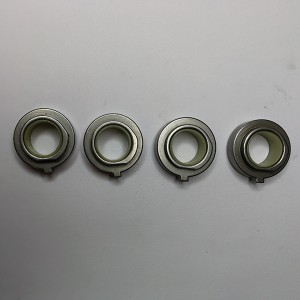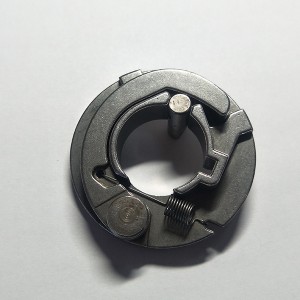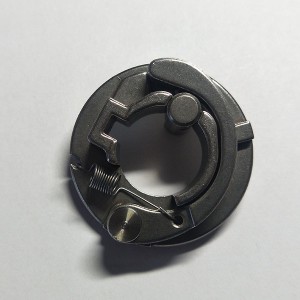





Sintered Parts: The Unsung Heroes of Modern Industry
If you've ever been curious about how complex mechanical components—those tiny but vital parts inside machines and vehicles—are made to be both strong and precise, the world of sintered parts deserves your attention. These components, created by bonding powdered materials under heat and pressure, quietly power industries across the globe. Understanding sintered parts isn’t just technical jargon—it’s a window into efficiency, sustainability, and innovation worldwide.
Introduction: Global Relevance of Sintered Parts
Globally, sintered parts occupy a crucial niche in manufacturing, from automotive to aerospace to medical devices. According to the International Organization for Standardization (ISO), sintered metal manufacturing has seen consistent growth, underscoring a robust industry worth billions annually. The demand for lightweight, durable components in electric vehicles and renewable energy systems especially highlights this trend.
Yet, more than numbers, there’s a pressing challenge sintered parts address: how to create complex, reliable components while minimizing waste and energy use. Traditional machining often cuts away a lot of material—wasting resources—whereas sintering optimizes raw material use. It’s a sustainability puzzle piece that industry and humanitarian sectors alike rely on.
What Exactly Are Sintered Parts?
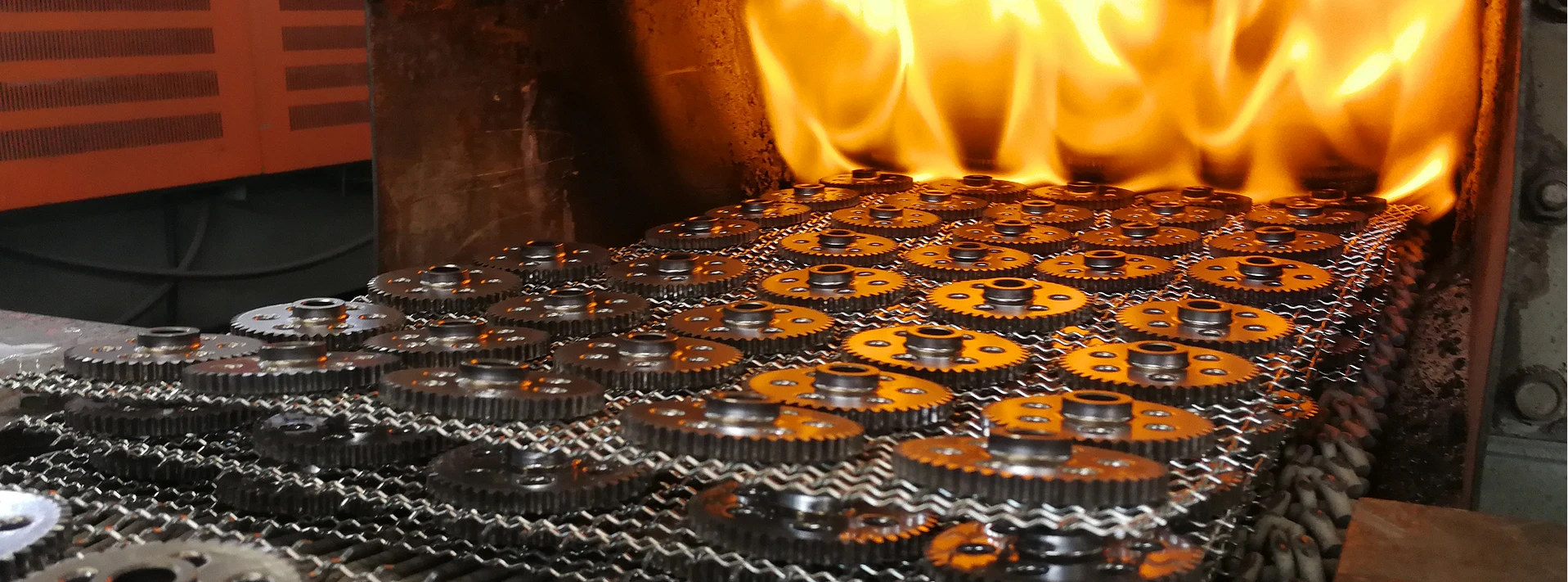
Simply put, sintered parts are components made by heating powdered metal or ceramics just below their melting point until the particles bond. Unlike casting or forging, sintering doesn’t liquefy the material but fuses it through diffusion, creating a solid piece. This method allows manufacturers to craft intricate shapes with excellent mechanical properties and consistent performance.
In modern industry, this means better parts for everything from engine valves to cutting tools. On the humanitarian side, reliable and durable parts made via sintering help build essential equipment quickly and at scale—think water treatment machinery or medical devices deployed in resource-limited settings.
Core Components of Sintered Parts’ Success
1. Durability
Sintered parts often rival or exceed the strength of machined components, making them suitable for high-stress applications. The microscopic bonding enhances toughness while controlling porosity, tailor-making each part’s strength.
2. Design Flexibility
Complex geometries that are difficult or costly to machine can be produced efficiently through sintering. Intricate internal channels or lattice structures, for instance, become feasible.
3. Cost Efficiency
Because sintering reduces waste and machining time, overall production costs drop—especially when mass-produced. Less scrap means more sustainable use of materials.
4. Scalability
The process scales well for large production volumes, making it ideal for industries like automotive or consumer products needing consistent repeatability.
5. Material Variety
From metals to ceramics to composites, sintering can handle diverse materials, expanding application possibilities.
Product Specification: Typical Sintered Part
| Feature | Specification |
|---|---|
| Material | Steel, stainless steel, bronze, ceramics |
| Density | Typically 95-99% of theoretical density |
| Typical tensile strength | 200-800 MPa (depends on material) |
| Porosity | 0.1% to 10% (controlled) |
| Maximum dimensions | Varies, up to several hundred mm |
Global Applications & Use Cases
In real terms, sintered parts are everywhere: automotive industries, aerospace firms, electronics manufacturers, and even humanitarian organizations. For instance, in remote industrial zones in Africa and Southeast Asia, sintered parts help produce rugged machinery that withstands harsh conditions without requiring complex maintenance.
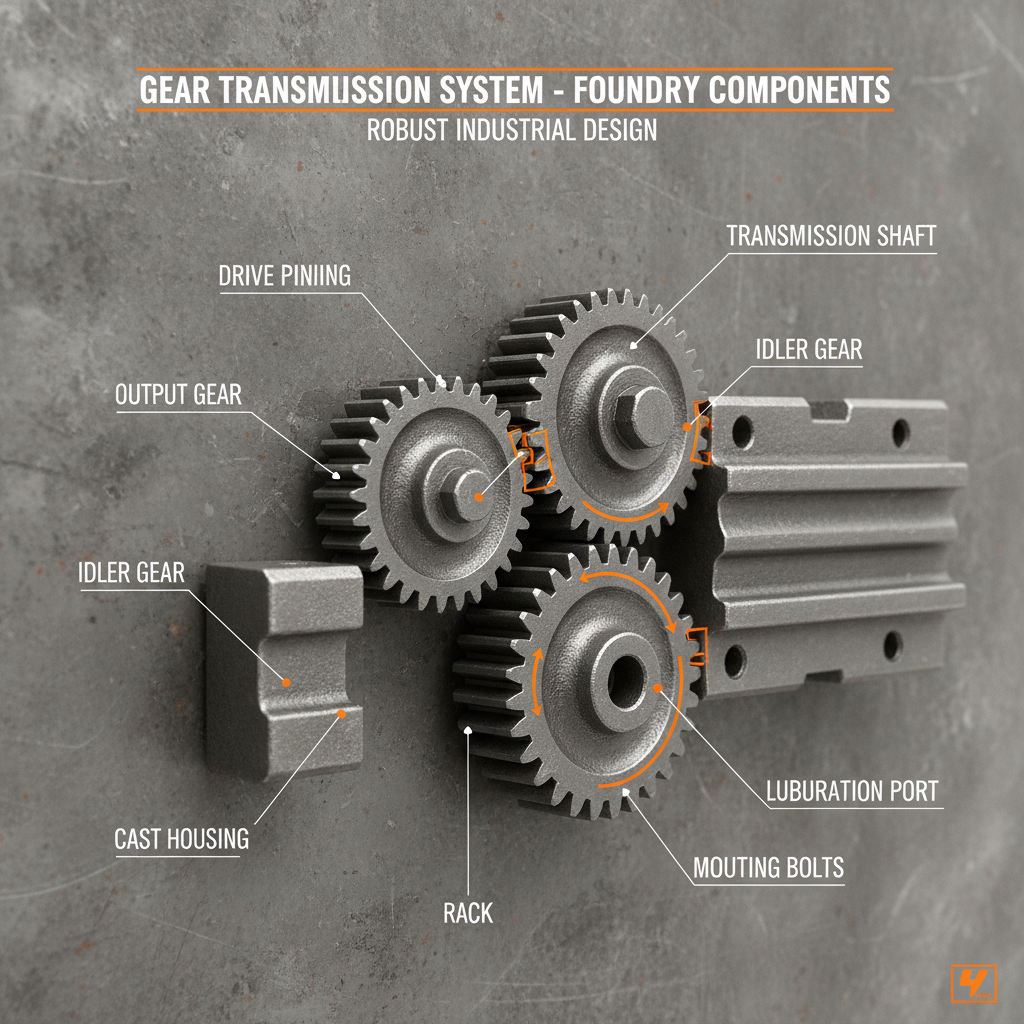
Disaster relief agencies depend on sintered components in water purification and medical devices, where reliability and speedy replacement matter. The automotive industry, notably in Europe and North America, relies heavily on sintered gears and filters for electric vehicles, aiding greener transportation efforts.
Vendor Comparison: Leading Sintered Parts Suppliers
| Vendor | Material Range | Lead Time | Customization Options | Sustainability Practices |
|---|---|---|---|---|
| JSS Sintering | Steel, Bronze, Ceramics, Composites | 4-6 weeks | High (design, materials, finishes) | Recycling & Energy Recovery Programs |
| Global Metalworks | Steel and Stainless Steel | 6-8 weeks | Moderate | Waste Reduction Initiatives |
| EcoSinter Technologies | Ceramics, Composites | 5-7 weeks | High (eco-focused materials) | Use of Recycled Powders & Renewable Energy |
Advantages and Long-Term Value
Choosing sintered parts means embracing benefits that stack up logically and emotionally. Cost savings, due to reduced waste and machining, make for attractive budgets. Environmentally, sintering cuts down raw material use and energy—helping companies meet sustainability goals.
On a human level, when durable and precise parts are deployed—whether in a patient’s medical device or a car’s braking system—they instill safety and trust. Manufacturers feel this too; innovation thrives because sintered parts enable new designs and lighter materials. It’s a ripple effect.
Future Trends and Innovations
Looking ahead, the sintering world is on the cusp of exciting changes. Digital transformation—like integrating AI for production optimization—promises to improve quality control. Additive manufacturing blends with sintering, allowing custom and low-volume parts to be made faster.
Materials science is advancing too: green composites and bio-based powders will reduce environmental footprints further. Autonomous manufacturing lines powered by robotics will also enhance scalability, meeting an ever-growing demand for efficient, sustainable parts.
Challenges and How They’re Overcome
Of course, not everything in sintering is perfect. Controlling porosity to achieve consistent density is tricky, and some complex shapes require support during processing. Moreover, the initial equipment cost can be high for small-scale manufacturers.
Yet, expert engineers tackle these issues with innovative sintering atmospheres, advanced tooling, and computer modeling. Partnerships between vendors and clients promote customization and education, smoothing out what might otherwise be stumbling blocks.
Frequently Asked Questions About Sintered Parts
- What industries benefit most from sintered parts?
Primarily automotive, aerospace, medical devices, and electronics industries leverage sintered parts for their strength, precision, and cost efficiency. - Are sintered parts suitable for high-temperature applications?
Yes, especially those made from ceramics or high-performance alloys, which retain integrity under elevated temperatures. - How does sintering compare to traditional casting?
Sintering generally uses less energy, produces less waste, and can create more complex shapes without machining. - Can customized designs be incorporated in sintered parts?
Absolutely. The process supports intricate geometries, often with modifications tailored to specific application needs. - How can organizations source reliable sintered parts internationally?
Partnering with established vendors like JSS Sintering streamlines compliance, shipping, and quality assurance globally.
Conclusion: Long-Term Gains with Sintered Parts
In sum, sintered parts represent a blend of old and new—ancient heat treatment meets cutting-edge tech, resulting in components that are reliable, sustainable, and versatile. Whether you’re an engineer, a procurement officer, or simply future-curious, investing time to understand these parts pays off in smarter manufacturing and innovation.
Interested in exploring the world of sintered parts further? Visit our website at https://www.jssintering.com for expert insights and solutions.
I suppose what fascinates me most is how sintered technology quietly supports so much of what we rely on daily—from vehicles to medical devices—yet many don’t even realize it’s there. Oddly enough, when looking behind the scenes, the small stuff really matters.