






Understanding PM Parts: Essential Components in Modern Manufacturing
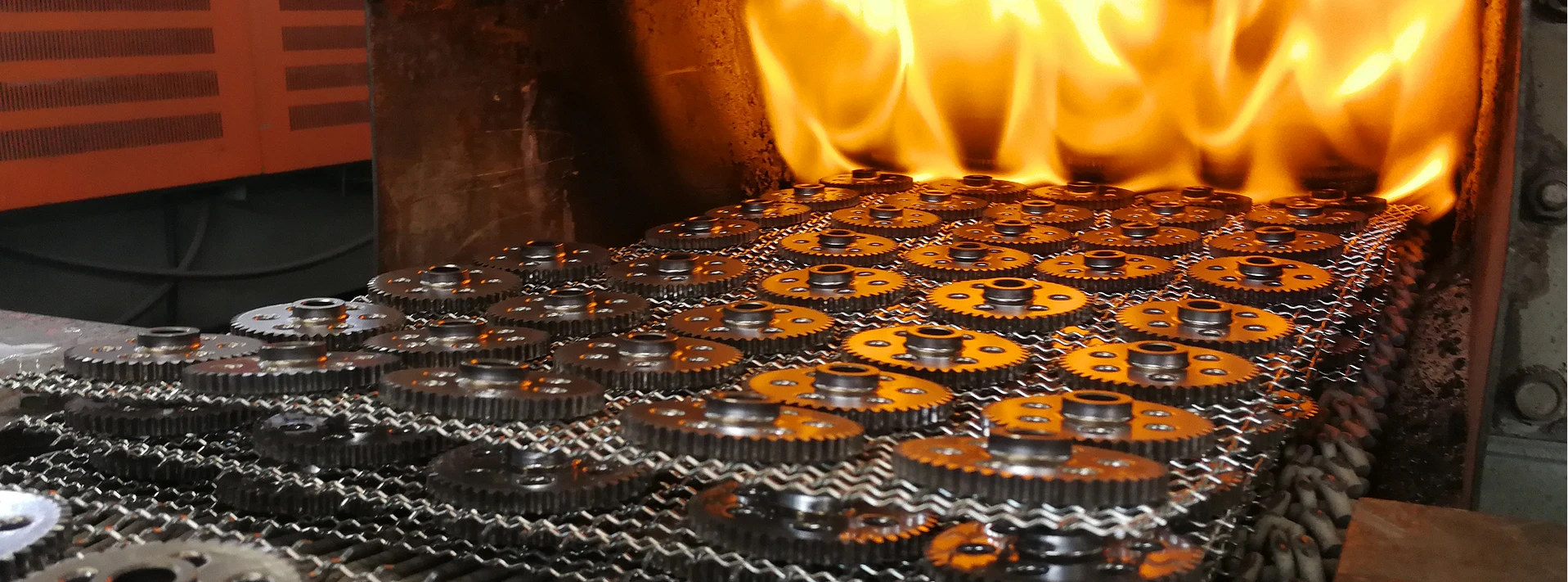
If you’ve ever wondered what pm parts are and why they’re increasingly pivotal worldwide, you’re in the right place. Simply put, pm parts (powder metallurgy parts) are components made by pressing metal powders into solid shapes and then sintering them under heat. This technique—though it dates back over a century—has evolved dramatically and now underpins critical sectors like automotive, aerospace, and even humanitarian logistics.
Why does this matter globally? Because pm parts offer an incredible blend of precision, cost efficiency, and sustainability. For industries relying on reliable, lightweight, and high-performance materials, understanding pm parts isn’t just a technical detail — it’s a key to innovation and resilience.
Mini takeaway: PM parts combine old-school manufacturing with new-age benefits, serving a global need for robust, efficient industrial components.
PM Parts in a Global Context: Why the World Needs Them
Across continents, manufacturing demands have skyrocketed—fueled by technological advances and supply chain shifts. According to the International Organization for Standardization (ISO), powder metallurgy accounts for over 20% of all metal parts produced worldwide. The World Bank reports that lightweight, cost-efficient automotive components — often made using pm parts — contribute significantly to reducing global emissions by improving fuel economy.
However, there’s a challenge: traditional manufacturing methods for complex metal parts often generate waste, consume excessive energy, or produce parts that need expensive machining. Powder metallurgy, on the other hand, can deliver near-net-shape parts with minimal waste and reduced processing steps. This is crucial as businesses and governments seek greener and more sustainable manufacturing routes.
What Exactly Are PM Parts?
In the simplest terms, pm parts are metal components formed by compacting metal powders in a die and then heating them to fuse particles without melting the whole piece. This sintering step creates a solid piece with remarkable strength and precision.
Think of pm parts as the “lego bricks” of metal working — custom-built to fit specific roles from engine gears to structural supports. Their growing relevance isn’t just industrial: they appear in humanitarian contexts, too, enabling fast fabrication of durable parts for relief vehicles or machinery in remote locations.
Mini takeaway: Powder metallurgy creates metal parts efficiently by 'building up' rather than cutting down—saving materials and energy.
Key Factors Defining PM Parts
1. Durability and Strength
Despite their production from powders, pm parts often rival traditionally forged metals in strength. Advances in material science and sintering technology yield parts with excellent wear resistance, critical in heavy-use automotive or industrial equipment.
2. Precision and Complexity
PM allows near-net shape manufacturing, which means less machining post-production. Complex geometries — like internal gears or fine mesh filters — become feasible and cost-effective.
3. Cost Efficiency
Producing pm parts usually involves less waste material and lower energy consumption. For mass production, this translates directly to savings — both financially and environmentally.
4. Scalability
From small batch prototypes to million-unit runs, pm parts adapt easily to different production volumes, offering flexibility to manufacturers of all sizes.
5. Material Variety
Metal powders can be mixed or alloyed to confer specific characteristics — corrosion resistance, magnetic qualities, or higher tensile strength — which tailor pm parts for diverse applications.
Mini takeaway: The main advantages of pm parts lie in their strength, precision, cost-effectiveness, and customizable properties tailored to real-world needs.
Global Applications & Use Cases for PM Parts
- Automotive Industry: Over 60% of pm parts are used in vehicles — from gears and bearings to structural connectors — improving fuel efficiency by reducing weight.
- Aerospace: Lightweight, high-strength pm parts find crucial roles in aircraft engines and landing gear components, where safety is paramount.
- Industrial Machinery: Heavy load-bearing components in pumps and compressors benefit from pm’s precision and durability.
- Humanitarian & Disaster Relief: In post-disaster scenarios, modular machinery parts produced rapidly via powder metallurgy can restore essential infrastructure, even in remote regions.
- Electronics: Miniature pm components serve in electrical contacts and heat sinks, marrying compactness with functionality.
Organizations worldwide—from automotive giants in Germany to manufacturers in Japan—rely on pm parts to boost product lifespan and ensure reliable supply. Oddly enough, even small enterprises producing specialty parts embrace powder metallurgy for its customizability and relatively low upfront tooling costs.
PM Parts Product Specification Table
| Property | Typical Range | Remarks |
|---|---|---|
| Density | 6.5 - 7.5 g/cm³ | Comparable to wrought metals |
| Tensile Strength | 350 - 850 MPa | Depends on alloy & sintering |
| Hardness (Rockwell) | 60 - 95 HRB | Suitable for wear-intensive parts |
| Production Volume | From hundreds to millions | Highly scalable manufacturing |
Vendor Comparison Table: Prominent PM Parts Producers
| Company | Specialty | Global Reach | Sustainability Commitment |
|---|---|---|---|
| Miba AG | Automotive, Bearings | Europe, Asia, N.America | ISO 14001 Certified |
| Erasteel | High-performance alloys | Global | Eco-efficient processes |
| GKN Powder Metallurgy | Automotive & Aerospace parts | Worldwide | Strong focus on recycling |
The Clear Advantages and Long-Term Value of PM Parts
In real terms, pm parts cut costs while boosting performance — that’s a powerful combo for any manufacturer. They reduce material waste by up to 15%, which is a big win environmentally. From a safety point of view, their reliable consistency ensures fewer failures, which means safer vehicles and machines.
Emotionally, there’s a kind of trust in building with pm parts — companies can promise durability and precision. For end consumers, that’s peace of mind. And for innovators, powder metallurgy opens doors to designs impossible to achieve with traditional casting or machining.
Future Trends & Innovations to Watch
The powder metallurgy landscape is evolving fast. Additive manufacturing (3D printing) is beginning to merge with pm, allowing for custom, complex geometries produced layer-wise. This hybrid approach promises less inventory waste and faster prototyping cycles.
Materials themselves are advancing. High-entropy alloys and nanostructured powders introduce superior mechanical properties — higher strength-to-weight ratios and improved corrosion resistance. Sustainability is also a growing priority, with more suppliers adopting circular economy practices, utilizing recycled powders, and optimizing energy-efficient sintering furnaces.
Challenges Facing PM Parts and How Experts Are Solving Them
Despite the benefits, there are hurdles. Powder oxidation, quality control at micro-scales, and tooling costs for very low runs remain challenges. However, developments like controlled atmosphere sintering, non-destructive testing techniques, and modular tooling systems continue to improve yield and flexibility.
Experts emphasize collaboration between material scientists and designers to push the envelope on pm parts — which often work best when you design the product with powder metallurgy in mind from the start.
FAQ: Frequently Asked Questions About PM Parts
- What makes pm parts better than traditional forged components?
- PM parts typically offer more precise dimensions, less post-processing, and less wasted material, which translates into cost and time savings. Their production process also supports complex geometries that forging can't easily achieve.
- How long do pm parts typically last in industrial settings?
- With appropriate material selection and sintering conditions, pm parts can last as long as wrought metal parts—often many years under demanding use, especially in controlled environments.
- Is powder metallurgy considered an eco-friendly manufacturing method?
- Generally, yes. Powder metallurgy consumes less energy and generates less waste than casting or machining. Ongoing developments focus on recyclable powders and greener sintering processes, boosting sustainability.
- How can companies source pm parts internationally?
- Many vendors operate globally with certifications like ISO 9001/14001. Working with such certified suppliers smooths import/export regulations. Engaging early with vendors ensures compliance with local standards and efficient logistics.
Conclusion
In sum, pm parts represent a fascinating intersection of material science and manufacturing efficiency. Their benefits ripple through cost savings, environmental stewardship, and performance. Companies embracing this technology position themselves at the forefront of industrial innovation—not just for today but looking decades ahead.
If you want to explore more about advanced pm parts and how they can transform your operations, visit our website for insights and tailored solutions.
PM parts: quietly revolutionizing how the world builds tomorrow’s machines and infrastructure.









