






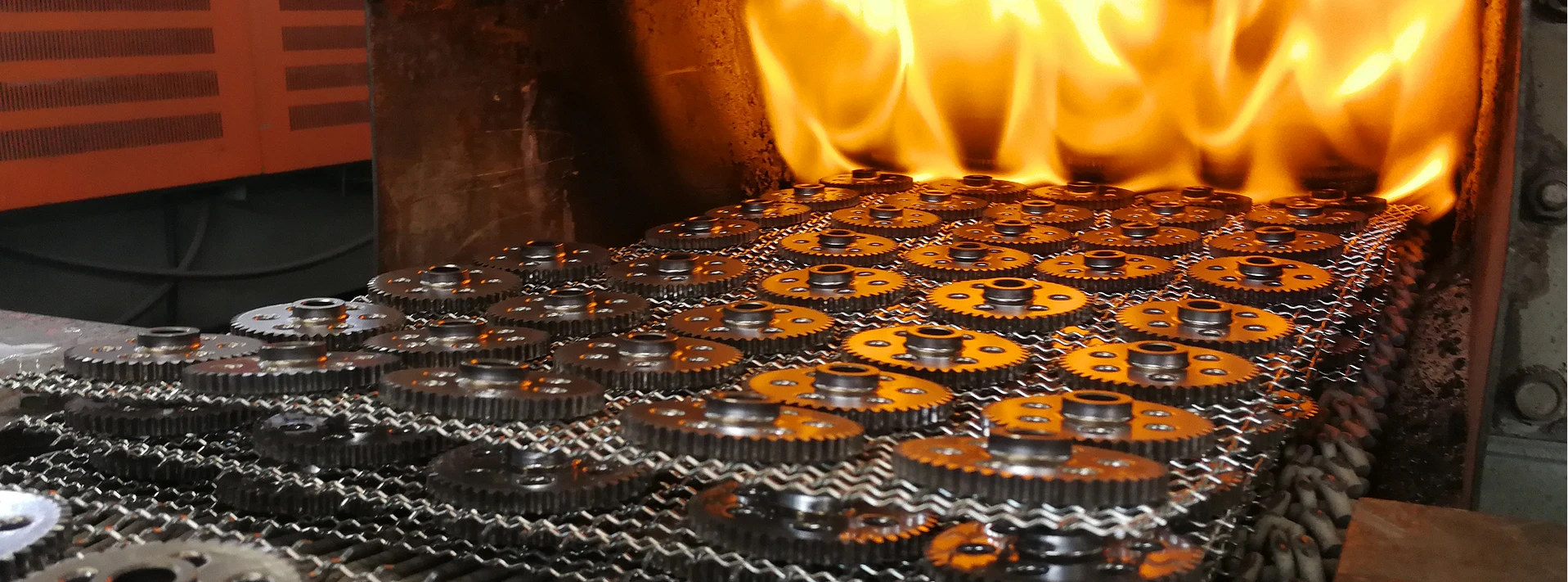
Understanding Small Gear Parts: The Unsung Heroes of Modern Machinery
Small gear parts might sound niche or tiny (literally), but trust me, they’re vital cogs in many machines powering our world today. From smartphones to wind turbines, small gears help transmit motion and force on a scale that’s both precise and powerful.
Globally, appreciating what makes these tiny components tick—literally and figuratively—unlocks better machinery, longer lifespans, and smarter design solutions for industries ranging from automotive to humanitarian tech.
So why bother digging deep into small gear parts? Because when you get their specs, uses, and future trends right, you’re basically decoding a subtle language of innovation that keeps industries humming, economies growing, and relief efforts faster and safer.
Small Gear Parts: Their Global Impact and Industrial Significance
The world runs on motion, and gears are foundational. According to ISO standards, gears are classified carefully based on design and use, ensuring global consistency. In 2023, the global gear market was valued at roughly $25 billion — a figure that reflects the massive, ongoing demand driven by automation, automotive engineering, and renewable energy sectors. However, manufacturers frequently wrestle with the challenge of producing small gear parts that balance durability with the tight tolerances small-scale applications demand.
Small gears help address this by enabling efficient power transmission in compact spaces — think drones delivering medicines in remote areas or surgical robots conducting precise interventions. Getting these parts right isn’t just technical fussiness; it matters for safety, sustainability, and cost-effectiveness.
What Exactly Are Small Gear Parts?
At their core, small gear parts are specialized toothed wheels or pinions designed to mesh finely with other gears and components, typically under 50mm in diameter but crucial at many scales. They convert rotational motion, adjust speeds, and amplify torque in machines where space is at a premium. Unlike their larger brethren, these minis endure more complex manufacturing and quality demands.
Beyond industrial toys, these gears play a role in humanitarian and medical tech — where reliable small-scale motion can literally save lives. It’s this intersection between intricate craftsmanship and practical impact that makes small gear parts fascinating.
Core Components and Key Factors of Small Gear Parts
Durability and Material Choice
The choice of materials — stainless steel, brass, or advanced composites — directly affects gear lifespan and resilience. Environmental factors like corrosion or high temperatures often dictate the best option. Durability ensures machines can run longer without pricey downtime.
Precision and Manufacturing Tolerances
You can’t just slap together any two gears and expect silky smooth operation. Small gears demand micrometer-level accuracy during fabrication and assembly. CNC machining and small gear parts sintering technologies are often leveraged to hit these specs.
Cost Efficiency
Making small parts with tight tolerances invariably hikes manufacturing cost, but the payoffs arrive in reduced waste, lower maintenance, and greater energy savings over a machine’s lifetime. Many engineers say striking this balance is the holy grail of gear production.
Scalability & Customization
Different industries have wildly divergent needs: a medical device may require ultra-miniaturized gears, whereas industrial automation might prioritize robustness. Scalable production lines that support customization ensure suppliers can adapt rather than forcing a one-size-fits-all box.
Compatibility & Standards Compliance
Ensuring gear interoperability means following global standards, like ISO 1328-1, setting quality benchmarks. This compatibility simplifies maintenance and minimizes replacements across international markets.
Lubrication & Wear Resistance
Small gear parts often run at high speeds but limited torque, so using appropriate lubrication or surface treatments like nitriding can sharply reduce wear and noise — factors that affect user experience and gear lifespan.
Mini takeaway: Small gear parts are tiny but demand a big-picture approach: precisely engineered, well-chosen materials, and compliance with global quality benchmarks underlie their success.
Uses of Small Gear Parts Across The Globe
Small gears see use in countless industries, but some contexts stand out:
- Medical devices: Surgical tools and imaging tech rely on mini gears for precise, controlled motion.
- Automotive industry: Compact transmissions and steering systems often integrate tiny pinions and gears for efficiency.
- Robotics: In factories or even disaster zones, small gears drive robotic arms and UAVs that deliver aid or perform inspections.
- Consumer electronics: Cameras, watches, printers— all packed with miniature gears operating flawlessly every day.
- Renewable energy: Wind turbines use small intermediate gears for speed regulation, especially in distributed, off-grid systems.
Oddly enough, in remote industrial zones like parts of Southeast Asia or Africa, robust small gear parts help keep machinery humming despite supply chain woes, as these components often outlast bulkier, less precise systems.
Mini takeaway: Small gear parts aren’t just industry cogs; they’re foundational elements enabling tech advances from healthcare to green energy worldwide.
Advantages and Long-Term Value of Investing in Quality Small Gear Parts
What happens if you skimp on small gear quality? Machines fail unexpectedly, repairs eat budgets, and projects delay. High-quality small gears offer several clear benefits:
- Cost Safety Net: Investing upfront reduces lifecycle costs—warranty claims, downtime, and replacements.
- Sustainability: Fewer failed parts mean less resource waste — a small but meaningful climate win.
- Innovation Catalyst: Reliable gears unlock more compact, efficient machines pushing industry limits.
- Emotional Trust: Operators sleep better knowing their tools won’t unexpectedly quit mid-shift.
Simply put, buying better small gears feels like buying peace of mind long term — a mix of logic and that human instinct for reliability and safety.
Product Specification Table: Typical Small Gear Parts
| Specification | Typical Values | Notes |
|---|---|---|
| Diameter | 5-50 mm | Depends on application |
| Material | Steel, Brass, Composite | Material chosen for durability & wear resistance |
| Tooth Profile | Involute | Most common for smooth transmission |
| Surface Finish | Ra 0.2–0.4 μm | Smoother surfaces reduce friction |
| Maximum RPM | Up to 10,000 | Higher speeds need special lubrication |
Vendor Comparison: Selecting Reliable Small Gear Part Suppliers
| Supplier | Range of Products | Customization | Lead Time | Quality Certification |
|---|---|---|---|---|
| JSS Sintering | Wide (small to medium gears) | High (OEM projects supported) | 2-4 weeks | ISO 9001, ISO 14001 |
| GearTech Inc. | Moderate | Medium | 3-6 weeks | ISO 9001 |
| MicroGear Solutions | Specialized small gears only | High | 4-8 weeks | ISO 27001, ISO 9001 |
The Future of Small Gear Parts: Innovation on the Horizon
Looking ahead, the story of small gear parts is all about greener production and smarter materials. Biodegradable composites and additive manufacturing (3D printing) are turning heads for custom, eco-friendly gear solutions. Digital twins — virtual replicas of gear assemblies — allow engineers to simulate wear and failure long before a part hits production. And automation continues to push the bar higher: self-lubricating gears and nanoscale coatings are reducing maintenance needs drastically.
It’s not just tech — policy trends favor energy-efficient mechanical parts as governments push for greener supply chains and sustainable manufacturing.
Common Problems and How Experts Solve Them
Despite advances, challenges persist. Misalignment in assembly can ruin small gear function in seconds. Some suppliers miss the fine tolerances, leading to noise, vibration, and breakdowns. Sourcing quality materials while controlling costs is a constant balancing act. Industry experts often recommend early-stage computer modeling alongside precision manufacturing and rigorous quality control to nip defects in the bud.
FAQ: Your PracticalSmall Gear Parts Questions Answered
Q1: How can I tell if a small gear part is suitable for high-speed applications?
Look for gears made from hardened steel or treated composites with high surface finish standards (Ra below 0.4 μm). Also, check maximum RPM ratings and manufacturer lubrication recommendations, as higher speeds require specialized lubrication to avoid wear.
Q2: Are custom small gear parts significantly more expensive than off-the-shelf options?
Custom parts do cost more upfront due to design and tooling, but they often deliver better performance and longer life, which can save money overall. Many suppliers offer scalable customization to balance price and specs.
Q3: Can small gear parts be used in harsh environments like coastal or desert areas?
Yes, if corrosion-resistant materials like stainless steel or treated composites are selected and proper lubrication is applied. Surface treatments like nitriding also improve resistance to aggressive environments.
Q4: How quickly can suppliers deliver small gear parts for urgent projects?
Lead times vary but many vendors, including small gear parts specialists, offer expedited production within 2-4 weeks depending on order complexity.
Q5: What certifications should I look for in a reliable small gear supplier?
ISO 9001 is the global quality benchmark, with ISO 14001 indicating environmental management efforts. Some advanced suppliers also hold ISO 27001 for information security, which can be important for proprietary designs.
In Closing: Why Small Gear Parts Deserve Your Attention
If you think small gear parts are just tiny wheels spinning in the background, think again. They’re complex, carefully crafted components that punch well above their weight in value and impact. From powering critical medical tools to enabling clean energy systems, they blend tradition and innovation in a dance of engineering finesse. When chosen wisely, these parts become the bedrock of reliability — a quiet promise machines keep.
Curious to explore high-quality, precision-engineered gears for your needs? Visit JSS Sintering’s website to discover how advanced small gear parts can take your products or projects further.
References:









