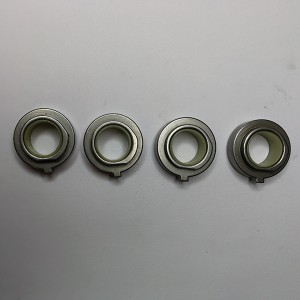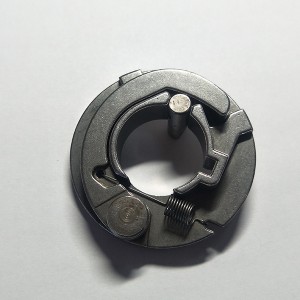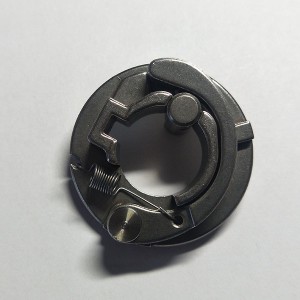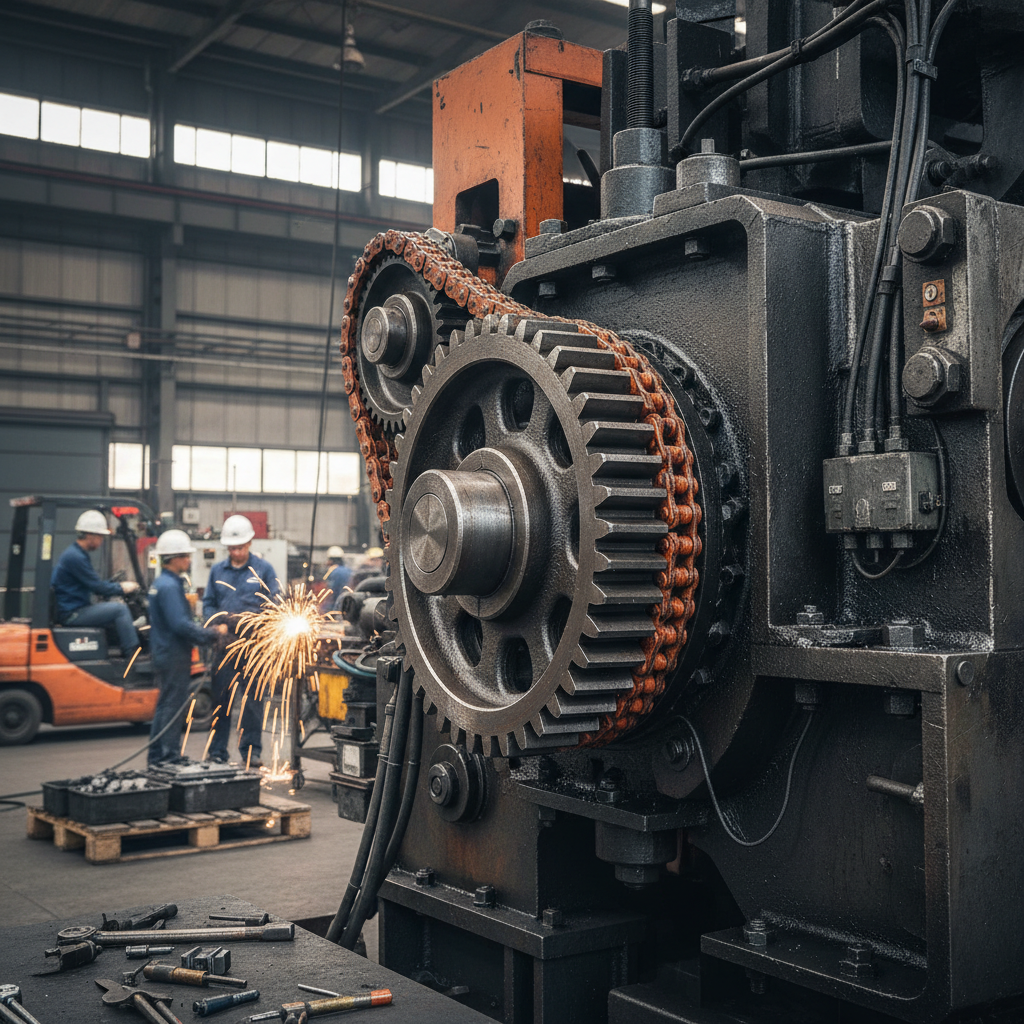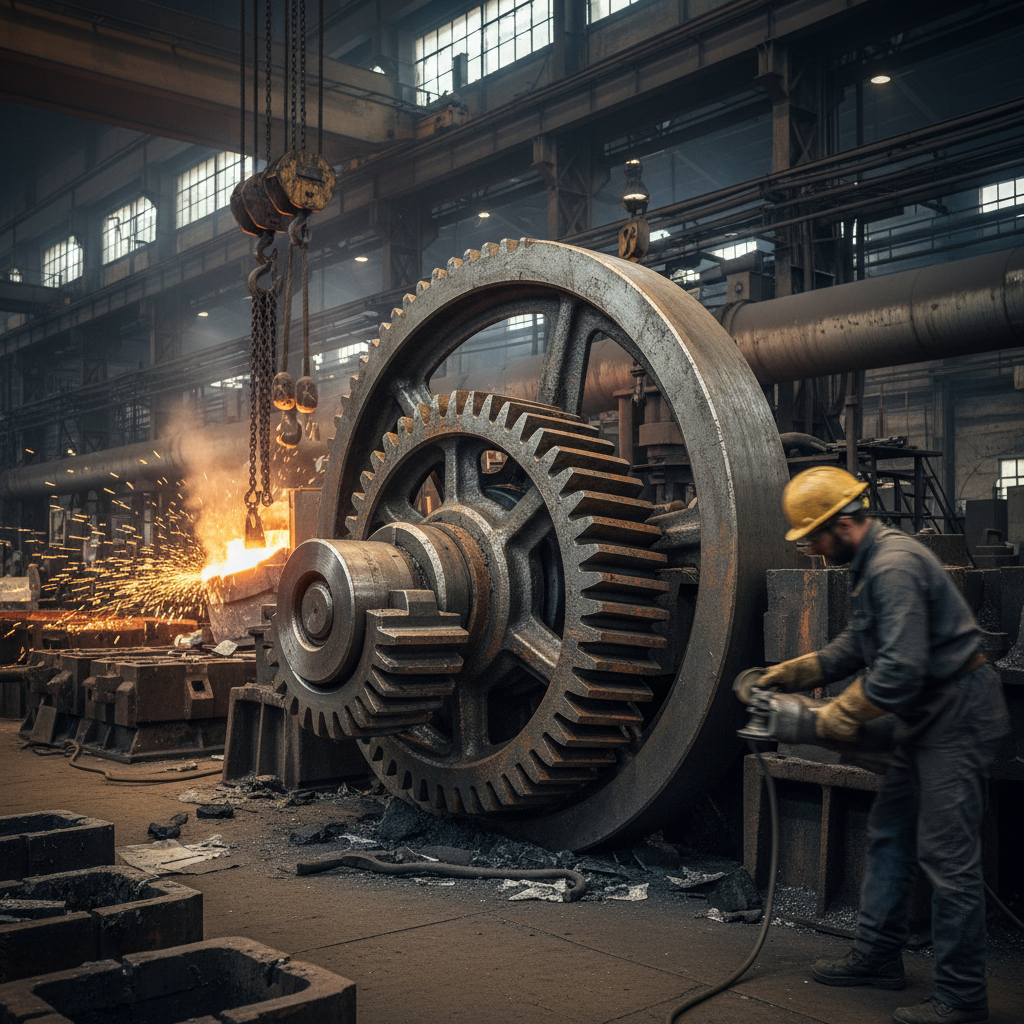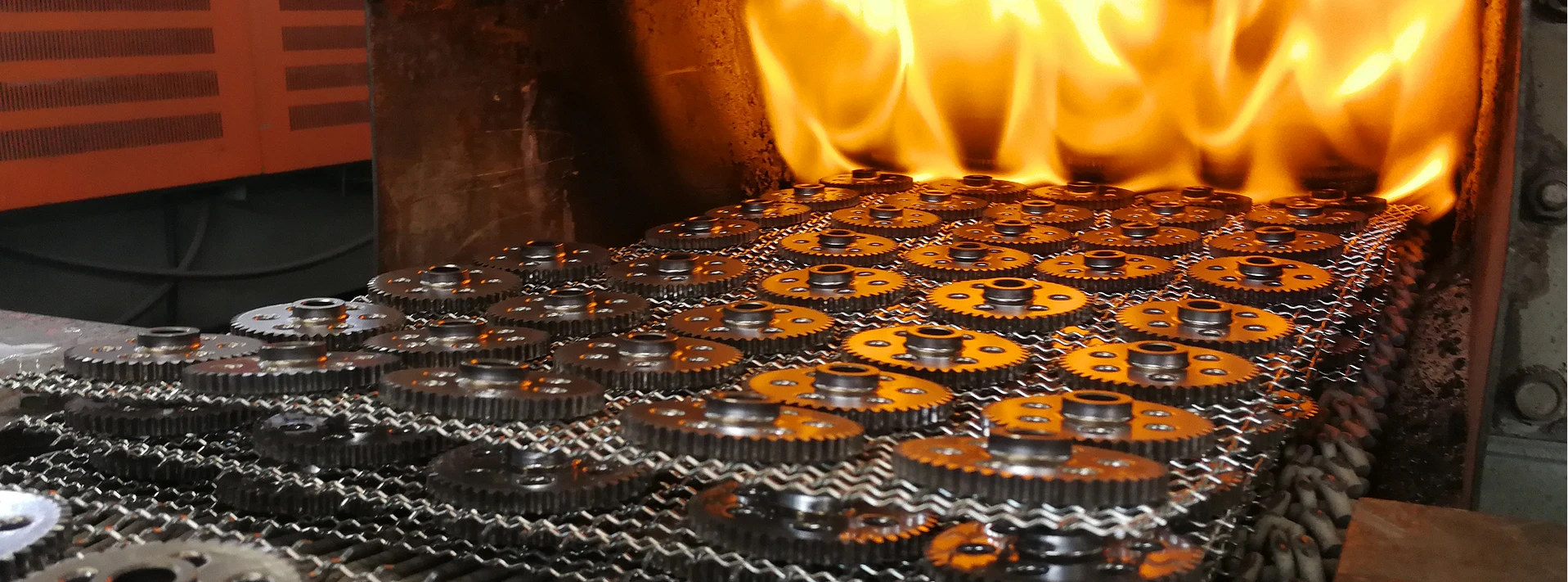
Understanding Pulley Gear: The Unsung Hero of Mechanical Systems
If you’ve ever watched a crane lifting hefty loads, or marveled at the smooth operation of industrial machines, chances are a pulley gear played a key part behind the scenes. These simple yet powerful components have quietly propelled innovation across global industries, from construction and transport to manufacturing and even humanitarian aid. But why pay attention to pulley gears now? Well, as industries grow more complex and automation sweeps in, understanding these mechanisms turns out to be crucial for efficiency, safety, and sustainability. So whether you’re an engineer, procurement specialist, or just a curious mind, let’s talk about why mastering the basics of pulley gears matters worldwide.
Why Pulley Gears Matter Globally
Pulley gears might not dominate headlines, but their impact is vast and measurable. According to the International Organization for Standardization (ISO 4183:1978), pulley systems have been standardized globally to ensure compatibility and safety in lifting devices. Experts estimate that around 70% of heavy lifting applications in industries like mining and construction rely heavily on some form of pulley gear.
But here’s a thought: with the UN reporting that global infrastructure investment will reach over US$3.4 trillion annually by 2030, the efficiency and reliability of components like pulley gears are becoming a bottleneck or a booster, depending on their quality. In disaster relief scenarios, quick assembly of pulley-based lifting systems can mean the difference between timely aid delivery and prolonged suffering. Oddly enough, this humbler piece of engineering quietly contributes to humanitarian logistics as much as industrial production.
Mini takeaway: Pulley gears are essential cogs in a much bigger machine—literally and figuratively—supporting global infrastructure, safety, and even disaster response.
So, What Exactly Is a Pulley Gear?
At its core, a pulley gear is a wheel with grooves carrying a belt or rope designed to transmit motion and force. Unlike plain pulleys which simply redirect force, pulley gears (or toothed pulleys) mesh with a matching belt to enable precise, synchronized motion transfer — think of your car engine’s timing belt system or conveyor devices in factories.
This precision allows for controlled speed and torque changes, making the pulley gear indispensable in modern manufacturing processes, robotics, and transport systems. In humanitarian contexts, pulley gears enable rugged, quick-deploy mechanical advantage tools facilitating relief operations like debris removal or efficient cargo hauling.
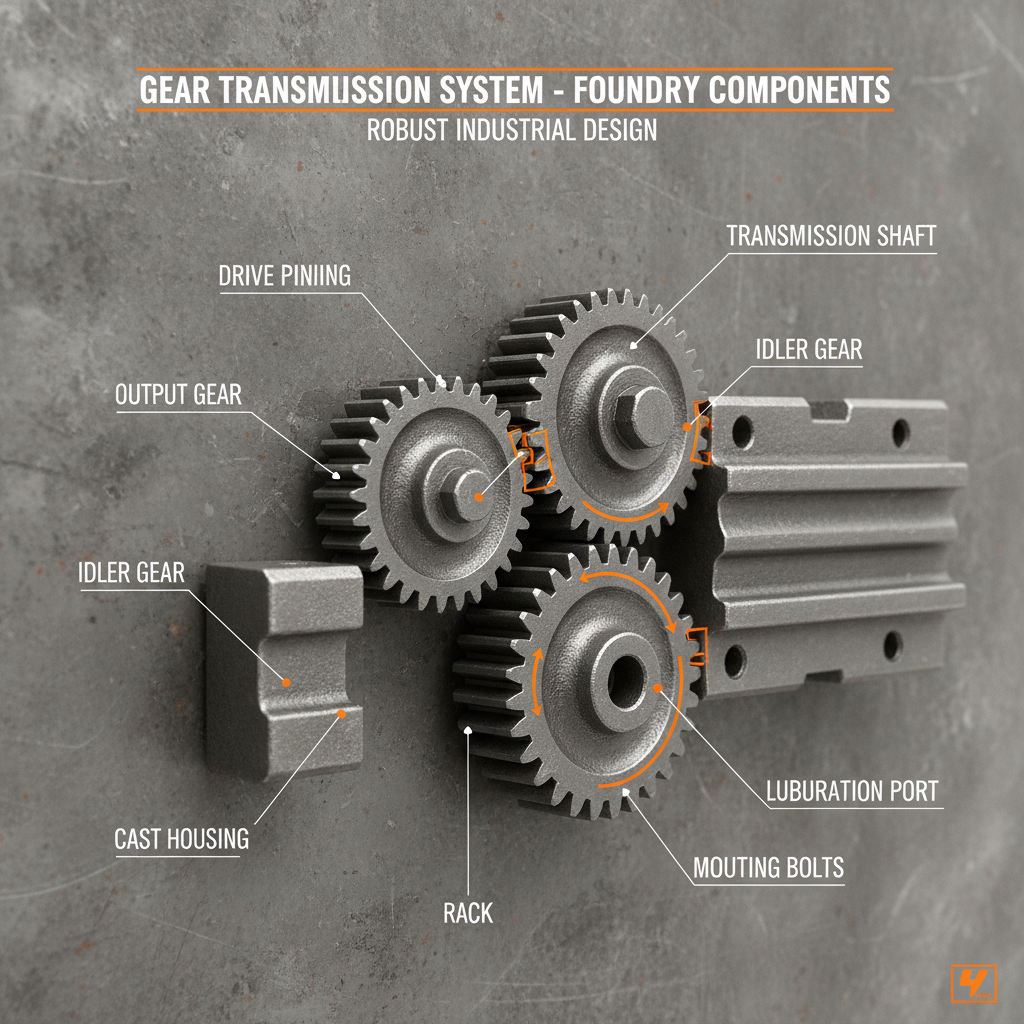
Main Components of a Pulley Gear System:
- Grooved Wheel: The core element that holds and guides belts or ropes.
- Teeth: Located on the pulley’s surface, engaging with toothed belts to prevent slipping.
- Bearing: Allows smooth rotation and reduces friction.
- Axis/Axle: Supports the pulley shaft and enables rotation.
Key Aspects of Pulley Gears
1. Durability
Pulley gears are often exposed to extreme forces and environmental conditions. Materials like hardened steel, reinforced plastics, or even lightweight aluminum alloys balance robustness and weight. Durability means longer operational life, fewer maintenance shutdowns, and safer installations — all critical for heavy industries.
2. Scalability
From tiny dental machinery pulleys to huge crane wheels, pulley gears come in many sizes. What surprises many is the modularity — you can tailor systems to fit applications ranging from precision electronics to massive oceanic winches. Vendors now offer scalable solutions that ease integration and reduce custom fabrication costs.
3. Cost Efficiency
In production, cost matters. Pulley gears that combine proven designs with modern materials bring the sweet spot of affordability and performance. Lower maintenance and increased longevity directly correlate to reduced total cost of ownership (TCO). Lean manufacturing teams especially appreciate pulley gear solutions that demand minimal spare parts stock.
4. Energy Efficiency
Friction and slippage in traditional pulley systems waste energy. Toothed pulley gears mitigate this by meshing precisely with belts, reducing energy losses. In the age of green energy and smart factories, such efficiencies can result in measurable carbon footprint reductions.
5. Versatility
Consider how pulley gears serve vastly different industries — automotive, healthcare, packaging, or even agriculture. Their customizable nature, including different tooth profiles and materials, lets engineers fine-tune systems for speed, load, noise, or wear properties.
Mini takeaway: Pulley gears aren’t one-size-fits-all — understanding durability, scalability, and energy efficiency allows smart choices tailored to real operational needs.
Real-World Applications of Pulley Gears Around the Globe
Practical uses of pulley gears span continents and industries. For example:
- Asia’s Manufacturing Hubs: Advanced pulley gear systems in assembly lines boost automotive and electronics output with speed and precision.
- European Logistics Centers: Complex conveyor networks use specialized pulley gears to move baggage, parcels, and goods efficiently.
- Mining in Africa: Heavy-duty pulley gears in excavation equipment endure harsh conditions, improving resource extraction safely.
- Disaster Relief Worldwide: Portable lifting systems employing pulley gears expedite rescue operations after earthquakes or floods.
Companies and NGOs alike rely on these mechanical workhorses to keep operations smooth, and investing in quality pulley gears often pays off in reduced downtime and higher safety ratings.
Advantages & Long-Term Value of Pulley Gear Systems
We tend to think of pulley gears purely mechanically, but their impact stretches far. Here’s why engineers and decision-makers lean heavily on them:
- Cost Savings: Reduced energy consumption and maintenance lower operational expenses.
- Sustainability: Materials innovations mean longer life-cycle and recyclable components.
- Reliability: Well-matched gear and belt systems minimize failures and accidents.
- Social Impact: Improved machinery efficiency can lead to safer workplaces and faster humanitarian response.
Emotionally, a pulley gear might be invisible, but the trust it builds in a machine’s dependability is tangible. It’s the feeling that “this system won’t let me down,” a quiet hero enabling innovation and dignity across industries.
Where Pulley Gear Technology Is Heading
Looking ahead, several exciting trends will shape pulley gear design:
- Smart Materials: Self-lubricating composites and corrosion-resistant alloys reduce upkeep.
- Digital Integration: Sensors embedded in pulley gears will monitor wear and predict maintenance needs.
- Green Manufacturing: Eco-friendly production methods and recycled materials align pulley components with sustainability goals.
- Automation & Robotics: Customized pulley systems enable quieter, more precise robotic motions.
Innovation continues to make pulley gears more than simple wheels — they become integral to digital and green industrial revolutions.
Common Challenges & Expert Solutions in Pulley Gear Usage
Despite their benefits, certain challenges persist:
- Wear and Tear: Regular load cycles cause tooth degradation. Experts recommend predictive maintenance via vibration analysis.
- Improper Alignment: Misaligned pulleys lead to belt slip and failures. Laser alignment tools and precision jigs can mitigate this.
- Lubrication Issues: Over or under-lubrication causes friction or grime buildup. Using smart lubrication systems avoids guesswork.
- Material Fatigue: Extreme environments degrade standard materials; switching to advanced composites or coatings extends life.
Tackling these requires both quality design and a firm grasp of operational best practices — something experienced vendors readily offer.
Product Specification Table: Typical Pulley Gear Model
| Specification | Value | Units |
|---|---|---|
| Diameter | 150 | mm |
| Number of Teeth | 48 | units |
| Material | Hardened Steel | - |
| Max Load Capacity | 7500 | N |
| Operating Temperature Range | -20 to +120 | °C |
Vendor Comparison: Leading Pulley Gear Suppliers
| Aspect | GearCo | PulleyPlus | MotionTech |
|---|---|---|---|
| Material Options | Steel, Aluminum | Composite, Steel | Steel, Reinforced Plastic |
| Custom Sizes | Yes | Limited | Yes |
| Warranty | 3 Years | 2 Years | 5 Years |
| Lead Time | 2–4 weeks | 1–3 weeks | 3–6 weeks |
| Pricing | Mid-range | Budget | Premium |
FAQ: Pulley Gear Practicalities
Q1: How do I choose the right pulley gear for heavy lifting?
A: Focus on load capacity, material durability, and compatibility with your belt type. Consider environmental factors like temperature and exposure. Engaging experienced suppliers who offer customized solutions often ensures optimal performance.
Q2: Can I retrofit pulley gears into existing conveyor systems?
A: Yes, but alignment and size matching are crucial. Using pulley gear replacement parts designed for your specific system minimizes downtime and maintenance issues.
Q3: What maintenance routines maximize pulley gear lifespan?
A: Regular inspections for wear, ensuring proper lubrication, and monitoring belt tension are key. Modern digital monitoring tools help predict failures before they happen, saving costs.
Q4: Are pulley gears eco-friendly?
A: When made of recyclable materials and used within energy-efficient systems, pulley gears contribute to greener operations. Innovations increasingly focus on reducing environmental impact across their life cycle.
Q5: How do pulley gears improve automation?
A: Their precise, slip-free motion transmission is critical in robotics and automated manufacturing, enabling accurate speed control and synchronization.
Wrapping It Up
Pulley gears might be one of the oldest tools in mechanical history, yet their relevance is as fresh as ever. Whether you’re involved in building skyscrapers, running a logistics center, or coordinating disaster relief, understanding the nuances of pulley gears empowers sharper decisions — from design to deployment. The long-term benefits: improved safety, reduced costs, and a step toward more sustainable, reliable industries. Curious to explore the range or chat with experts? Head over to our website to discover quality solutions that fit your needs.
References: