




Small-Module Gears: Small Parts, Big Impact
In the machinery world—where precision tangos with endurance—the humble small-module gears quietly drive innovation. On the surface, they look like tiny puzzle pieces, but in reality, they enable everything from delicate medical devices to large-scale automation. Grasping what these small-module gears really are, and why they matter globally, gets us closer to understanding how the world runs smoother and more efficiently. Their compact design means high precision with minimal space—a huge win for industries hungry for smarter, scalable machines.
Why the World Cares About Small-Module Gears
Here’s the thing: gears are everywhere. According to Wikipedia, their global market size is projected to keep growing steadily—partly thanks to advances in robotics and electric vehicles. The International Organization for Standardization (ISO) also sets intricate norms for gear production, ensuring quality worldwide. However, as machines shrink and our technological needs become more precise, typical gears don’t always cut it.
That’s where small-module gears step into the spotlight. Their smaller module size—essentially the distance between gear teeth—means they can fit into tighter spaces while maintaining strength and efficiency. Think: microelectronics, aerospace instruments, or even customized industrial robots. But the challenge lies in manufacturing them with precision and maintaining durability under stress. It’s a classic battle between miniaturization and robustness.
What Are Small-Module Gears Anyway?
For the uninitiated, “module” in gearing is a measure of size, defined as the pitch circle diameter divided by the number of teeth. A smaller module means finer teeth, ideal for compact, intricate mechanical systems. Simply put: small-module gears are gears engineered with smaller teeth spacing, enabling tight assembly in devices where every millimeter counts.
This isnt just a geeky engineering detail; it has real-world implications. For example, in humanitarian medical devices designed for remote areas, space and weight are at a premium. These tiny gears ensure reliability and maintain smooth operation, even when conditions are far from ideal.
Key Ingredients That Make Small-Module Gears Tick
Durability
Despite their size, these gears must withstand repeated stress. They’re often made of hardened steel or specialized alloys to resist wear over millions of cycles—imagine a surgical robot performing countless precise movements daily. Durability directly affects safety and performance, which industries cannot compromise.
Precision Manufacturing
Producing tiny teeth with near-perfect accuracy is no joke. CNC machining combined with advanced measurement tools ensures minimal runout and tooth profile errors. Frankly, the tiniest flaw can cause significant efficiency losses, noise, or even catastrophic failure.
Material Choice
Besides strength, material selection also influences anti-corrosion, thermal resistance, and weight. For instance, some drone applications prefer lightweight polymers reinforced with carbon fiber, balancing strength and weight.
Scalability & Customization
Small-module gears are not just “one size fits all.” Their ability to be customized for specific gear ratios, tooth profiles, and coatings means engineers can tailor solutions for medical devices, industrial conveyors, or automotive components. That’s essential for innovation.
Cost Efficiency
While precision comes at a price, advancements in manufacturing and easier access to prototyping tools mean costs are continuously dropping—opening the door for startups and smaller players to utilize these gears effectively.
Mini takeaway: Small-module gears blend precision, durability, and adaptability, making them central to today’s miniaturized mechanical systems.
Where Small-Module Gears Really Make a Difference
Across the globe, industries lean heavily on these tiny workhorses:
- Medical Devices: Insulin pumps, diagnostic instruments, and robotic surgical systems require tiny, reliable gears.
- Automotive & EVs: Compact electric motors use small-module gearing for smooth torque transfer.
- Aerospace: Space-saving gears are critical for satellites and UAVs that demand low weight and high precision.
- Industrial Automation: Factory robots maneuver with fine control thanks to these gears.
- Consumer Electronics: From cameras to printers, small modules allow compact design without sacrificing function.
Oddly enough, regions like East Asia and parts of Europe dominate production due to their advanced machining capabilities. That said, emerging markets in Latin America and Africa are catching on by adopting these technologies for localized solutions.
Small-Module Gears by the Numbers: Typical Specifications
| Parameter | Typical Range | Notes |
|---|---|---|
| Module (mm) | 0.1 – 2.0 | Size of teeth, smaller means finer teeth |
| Material | Hardened steel, stainless steel, polymers | Depends on application requirements |
| Pressure angle (°) | 14.5, 20, 25 | Varies with design goals like noise and load |
| Surface finish (Ra, μm) | 0.2 – 0.8 | Affects noise and durability |
| Max operating speed (rpm) | Up to 60,000 | Depends on lubrication and design |
How Different Vendors Stack Up
| Vendor | Specialty | Custom Gear Options | Lead Time |
|---|---|---|---|
| JSS Sintering | Small-module gears & precision metal components | Wide range, prototyping & volume | 3–5 weeks (typical) |
| GearTec Intl. | High-precision aerospace gears | Custom alloys, coatings | 4–6 weeks |
| MicroGear Inc. | Miniature & micro gear manufacturing | Highly customizable, micro batches | 2–4 weeks |
Why Your Next Project Should Seriously Consider Small-Module Gears
The benefits are tangible but also kind of emotional. For engineers, they’re a promise of tighter control, less noise, and longer operation life. For end users—say, surgeons relying on robotic tools—there’s the intangible trust that things will work as expected, exactly when needed. On the sustainability front, lighter, smaller gears require less raw material, supporting eco-friendly manufacturing policies.
In real terms, companies report lower maintenance downtime and improved product lifecycle when using small-module gears thoughtfully. Oddly, that ripple effect touches everything from supply chain confidence to consumer satisfaction.
What’s Next? Future Trends in Small-Module Gear Technology
Looking ahead, automation and Industry 4.0 are pushing these gears to become smarter. Embedded sensors that monitor wear in real-time? Not sci-fi anymore. Additive manufacturing also heralds a revolution, letting designers experiment with complex tooth shapes and lightweight lattice structures that previously seemed impossible.
Material science is on fire, too — think graphene coatings or nano-lubricants boosting performance and lifespan. And with global sustainability goals, manufacturers are aggressively reducing waste by optimizing every stage of gear production.
Facing Challenges Head-On
Of course, it’s not all smooth. The challenge with small-module gears is often balancing cost with performance. High-precision manufacturing isn't cheap, which can hinder adaptability for smaller firms.
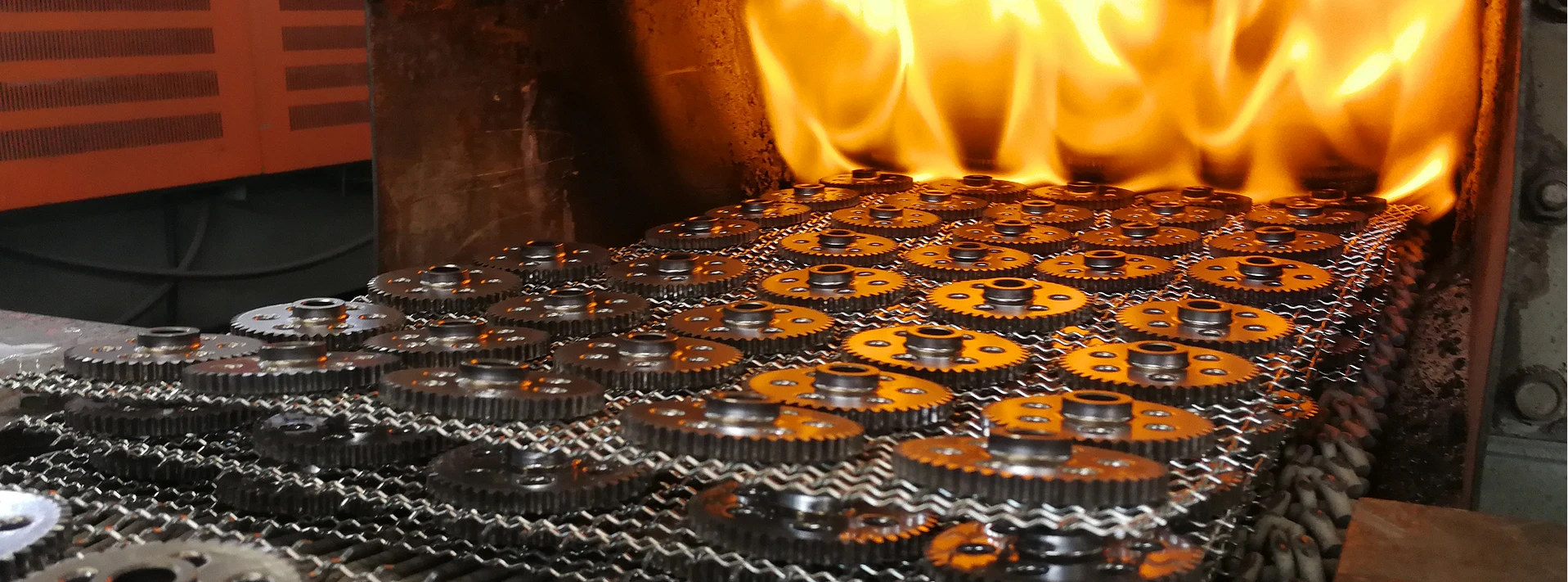
But experts suggest hybrid manufacturing — combining sintering and CNC finishing — can offer a middle ground. Quality control investments, such as laser measurement tools, also reduce rejects and ensure better reliability.
FAQ: Small-Module Gears Unpacked
- Q: What industries benefit the most from small-module gears?
- A: Medical devices, aerospace, robotics, and electric vehicles are among the prime users. Their need for precision and compact size perfectly matches what small-module gears provide.
- Q: Can small-module gears withstand high loads despite their size?
- A: Yes, with proper material selection and heat treatment, these gears can carry surprisingly high loads. However, design must consider operational speeds and lubrication carefully.
- Q: How customizable are small-module gears for unique applications?
- A: Extremely customizable—manufacturers like JSS Sintering offer tailored gear profiles, materials, and coatings suited to specific performance needs.
- Q: Is it hard to source small-module gears internationally?
- A: Not anymore. Thanks to globalized supply chains and experts in sintering technology, international sourcing is smooth, although lead times can vary depending on order size and specs.
- Q: Are small-module gears environmentally friendly?
- A: They often require less raw material and energy during production, and advances in materials and manufacturing reduce environmental impact, making them relatively green options.
Wrapping It Up — Why Small-Module Gears Matter Today and Tomorrow
We’ve come a long way from plain old big gears spinning cumbersome axles. Small-module gears are quietly powering a smarter, more sustainable industrial future where precision and efficiency rule. Whether it’s driving critical medical instruments or enabling compact industrial automation, their role can’t be overstated. If your next project demands reliability in tight spaces, these gears should be on your radar.
Curious to see how small-module gears can transform your products? Visit our website to explore custom solutions that blend innovation with practical performance.
References:
1. ISO Gear Standards
2. Wikipedia: Gear
3. World Bank Industry Data