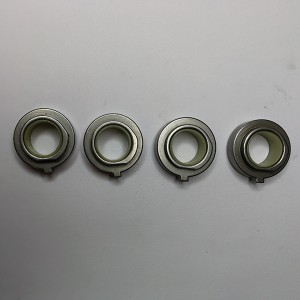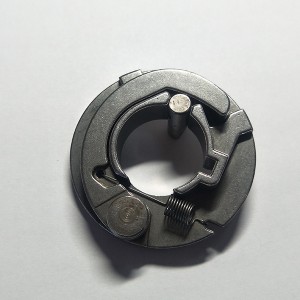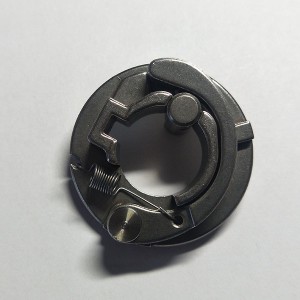





Understanding the Small Metal Gear: Tiny Workhorse of Global Industry
At first glance, a small metal gear might seem insignificant — just a tiny cog spinning inside a giant machine. Yet, its impact spans continents, industries, and applications, quietly powering the modern world in both the biggest factories and the humblest devices. Grasping what small metal gears are and their role in technology helps us appreciate a backbone of precision, durability, and innovation.
Small metal gears drive core mechanisms in everything from robotics in Japan, medical devices in Europe, to small-scale machinery across emerging markets in Africa and South America. Their precision and dependability make them critical in streamlining processes, enhancing machine reliability, and enabling emerging green technologies. To put it plainly: the world runs better with quality small metal gears.
Small Metal Gear in the Global Context: Why It Matters
Global industrial output recently surpassed $90 trillion (World Bank data), and mechanical components like small metal gears form a crucial part of this vast picture. ISO standards for gearing components have tightened in recent years to ensure quality and interoperability — reflecting their growing importance. But there's a catch: as machinery becomes more compact and sophisticated, the demand for smaller, highly precise gears is rising rapidly.
This brings challenges: manufacturing consistency, cost-effective materials, and resistance to wear and corrosion — especially in harsh environments faced in remote industrial zones or humanitarian aid equipment. Small metal gear solutions address these hurdles, enabling better performance wherever intricate motion control is needed — from disaster relief drones delivering medical supplies to clean energy turbines spinning silently on hilltops.
What Exactly Is a Small Metal Gear?
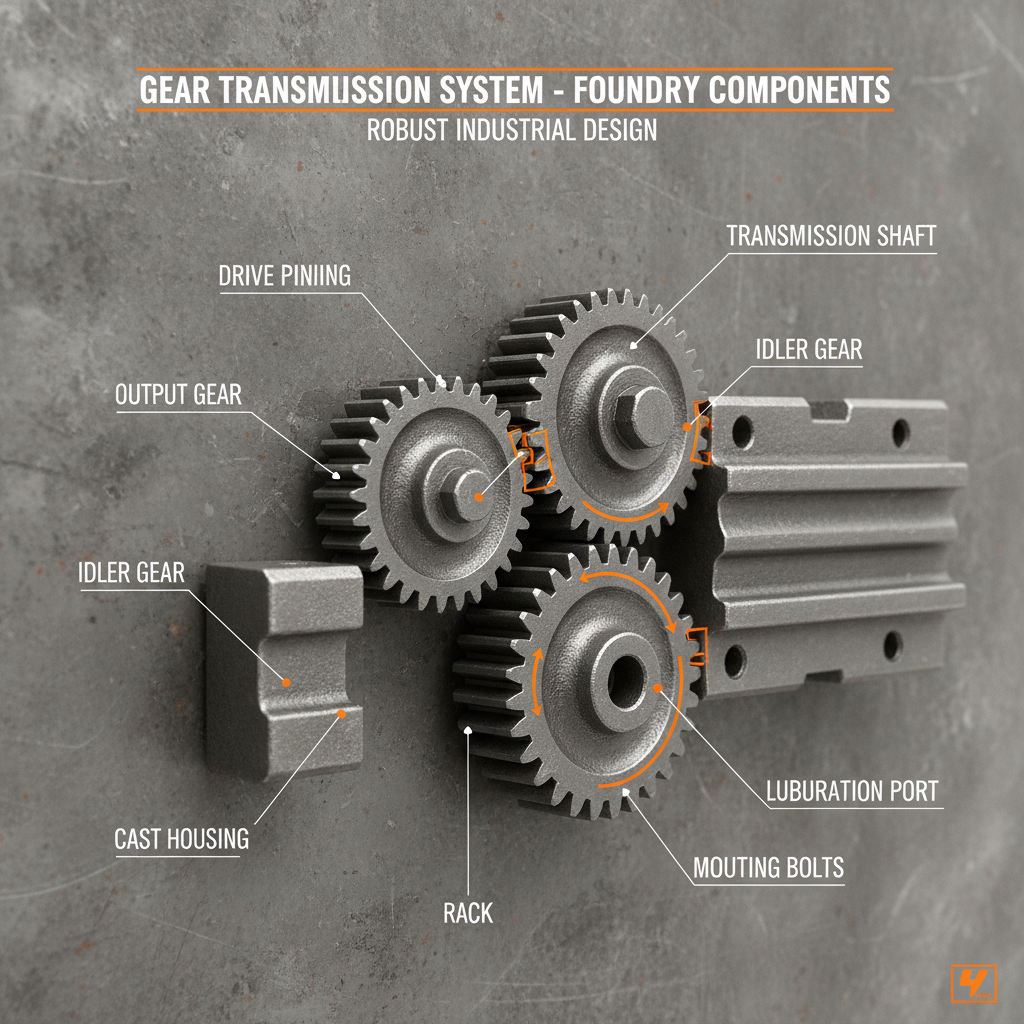
Simply put, a small metal gear is a toothed mechanical component made of metal — steel alloys, brass, or sometimes specialty powders — designed to transmit torque and rotational motion between machine parts on a miniature scale. Think of it as a tiny facilitator translating power efficiently and reliably.
In modern industry, these gears often measure just a few millimeters in diameter but bear loads that would surprise someone unfamiliar with their engineering. Their small size enables intricate assemblies, allowing robots to execute precise movements, micro-mechanical instruments to operate flawlessly, and consumer electronics to deliver smooth user experiences.
The Link Between Small Metal Gears and Human Needs
Beyond industry, their importance trickles into humanitarian efforts — durable small metal gear assemblies inside portable water pumps, fast-set mobile shelters, or medical robots actively aid global relief operations. Understanding this tiny component means understanding a crucial part of modern life.
Core Aspects Defining Small Metal Gears
1. Durability
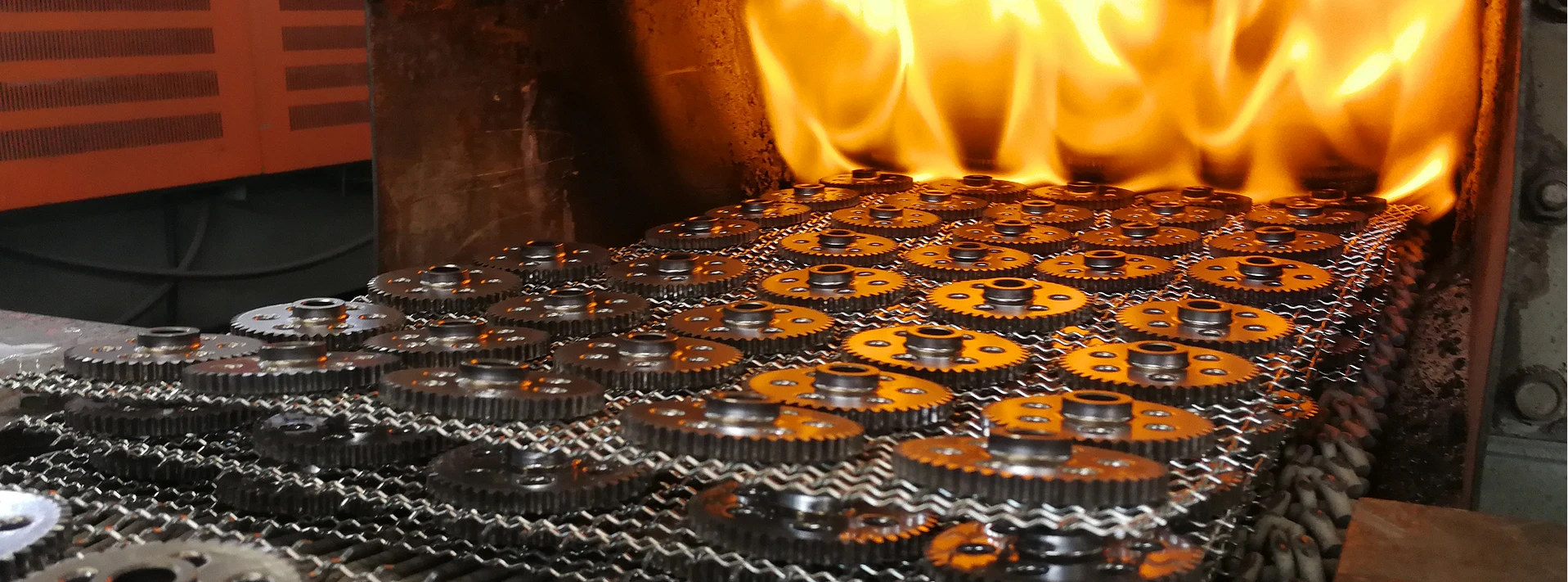
Small metal gears face constant friction and stress. Material choice, heat treatment, and surface finishing directly impact longevity. Many engineers emphasize hardened steel variants with anti-corrosion coatings to balance strength and weight.
2. Precision
Tiny gears demand micron-level accuracy to ensure smooth motion without excessive noise or wear. CNC machining and advanced inspection methods like coordinate measuring machines (CMM) ensure tolerance tightness.
3. Scalability & Customization
Though labeled “small,” these gears cover a range of sizes and tooth profiles. Rapid prototyping and modular designs let manufacturers tailor them to unique machinery or specialized equipment.
4. Cost Efficiency
Balancing raw material costs with processing time brings competitive pricing. Mass production techniques like powder metallurgy allow for efficient volume output without sacrificing quality.
5. Material Innovations
Recent advancements incorporate composites or special alloys to reduce weight and improve corrosion resistance, appealing strongly to aerospace and medical sectors.
Practical Applications Around the World
From automotive gearboxes in Germany to precision watchmaking in Switzerland, small metal gears are everywhere. In developing regions, they power irrigation pumps and small-scale manufacturing tools critical to economic growth.
- Disaster Relief: Portable generators and medical devices use small metal gears for reliable, quick deployment during emergencies.
- Robotics: In East Asia, micro-gears enable functional robotic arms doing everything from assembly line welding to delicate surgical procedures.
- Consumer Electronics: Small metal gears help with compact camera autofocus mechanisms and smart home devices.
- Renewable Energy: Tiny gears in wind turbines and solar trackers improve efficiency and device lifespan.
Mini takeaway: Small metal gears embed themselves quietly in varied roles globally — their tiny teeth making a massive difference.
Advantages and Why They’re Worth It
From a practical standpoint, robust small metal gears mean machines stay operational longer, reducing downtime and maintenance cost. But it’s not all cold economics — there’s an emotional and social value too. Reliable small components foster trust in technology, improve safety slightly and uphold dignity when used in medical or humanitarian gear.
- Reliability: Lesser failures and predictable performance.
- Longevity: Better materials and processing extend gear life.
- Cost-effectiveness: Over time, lower replacement and repair costs.
- Sustainability: Innovations in material science reduce waste and energy consumption during production.
Small Metal Gear Specifications at a Glance
| Specification | Typical Range/Options | Comments |
|---|---|---|
| Diameter | 2 mm – 50 mm | Varied by application; micro to small machinery |
| Material | Alloy steel, brass, stainless steel, composites | Material choice affects durability & cost |
| Tooth Profile | Involute, cycloidal | Involute common for smooth contact |
| Surface Treatment | Heat treatment, nitriding, coating | Improves wear resistance |
| Tolerance | ±0.01 mm or better | Critical for precision gearboxes |
Vendor Comparison: What to Look for When Buying Small Metal Gears
| Supplier | Customization Options | Lead Time | Price Range (per batch) | Quality Certifications |
|---|---|---|---|---|
| GearPro Inc. | Full custom profiles & materials | 4–6 weeks | $$$ | ISO 9001, TS 16949 |
| MicroGear Solutions | Standard sizes with minor tweaks | 2–3 weeks | $$ | ISO 13485 (Med-Tech focus) |
| SinTex Gears | Powder metallurgy specialists | 5–7 weeks | $ | ISO 9001 |
Emerging Trends and Innovations in Small Metal Gears
Industry insiders are eager about additive manufacturing (3D metal printing) for small gear production — it’s a game changer for prototyping complex geometries that were hard to machine before. Plus, there's an ongoing push toward sustainability: using recycled metals, bio-based lubricants, and eco-friendly heat treatments.
Automation and sensor integration with gears are also emerging; gears with embedded sensors can predict wear or failure before it happens, cutting downtime drastically. As we edge into the era of smart factories under Industry 4.0, small metal gears aren’t just passive parts anymore — they might soon be “smart” components chatting with machine brains.
Common Challenges and How to Overcome Them
Despite their robustness, small metal gears come with challenges: micro-size tolerances make manufacturing tricky, and contamination during assembly can cause early failure. Achieving mass customization without skyrocketing costs is another ongoing hurdle.
Solutions involve the use of laser-based measuring systems to maintain strict tolerances, strict cleanroom environments during assembly, and adaptive supply chains incorporating digital twins for faster design tweaks. Many firms now collaborate closely with customers in the prototyping phase to iron out tricky spots early.
FAQ: Small Metal Gear Insights
- Q: What materials are best for small metal gears used in humid environments?
- A: Stainless steel and specially coated alloys are preferred for corrosion resistance in humid or marine conditions. Additionally, applying nitriding or PVD coatings can significantly improve durability.
- Q: How does small metal gear precision affect machine performance?
- Precision reduces noise, vibration, and wear, improving overall machine efficiency and lifespan — especially vital in high-speed, high-torque applications.
- Q: Can small metal gears be used in medical devices?
- Absolutely. Biocompatible and corrosion-resistant materials combined with ultra-precise manufacturing make small metal gears perfect for surgical robots, pumps, and diagnostic machines.
- Q: What’s the typical lead time for custom small metal gear orders?
- Lead times vary based on complexity but generally range from 2 to 7 weeks depending on production techniques and supplier capabilities.
- Q: Are there eco-friendly options for manufacturing small metal gears?
- Yes, with growing environmental awareness, manufacturers use recycled metals, green lubricants, and energy-efficient heat treatments to lessen environmental impacts.
Conclusion: Small Metal Gear — Small Size, Big Impact
In the end, the small metal gear quietly propels innovation and reliability across the globe. From powering crucial medical devices to supporting green energy, their tiny teeth hold immense promise for the future. Exploring their specifications, manufacturers, and emerging trends uncovers just how indispensable they’ve become.
Interested in upgrading your machinery with precision-engineered small metal gears? Visit our website: https://www.jssintering.com to explore quality options tailored to your needs.
Mini takeaway: As we move towards smarter, more sustainable industry, these small cogs remain hero components — quietly reliable, endlessly adaptable.