






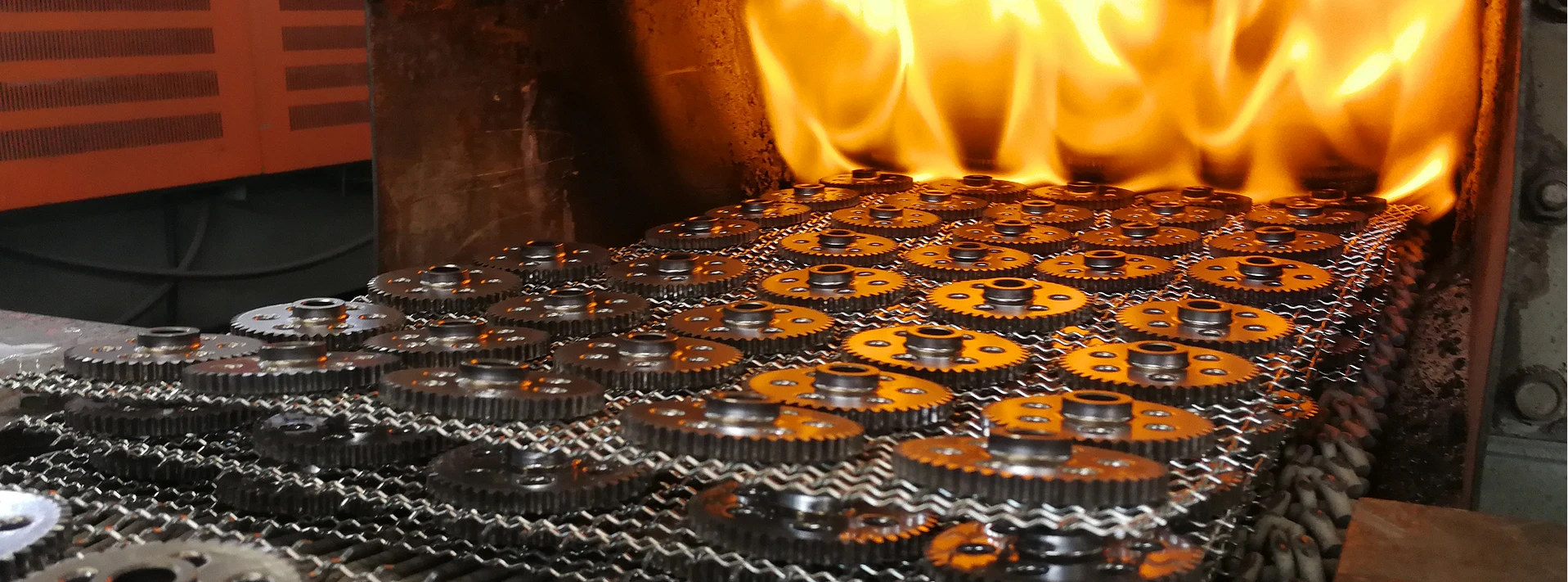
Understanding the Small Spur Gear: Why It Matters Worldwide
If you've ever peeked inside a tiny mechanical device or a precision machine, chances are you've caught a glimpse of something called a small spur gear. Though they might seem like humble little parts, these gears are absolutely pivotal in a variety of industries—from manufacturing and robotics to automotive and even humanitarian tech. Why? Because their simplicity, efficiency, and reliability can make or break a machine’s performance. By understanding small spur gears, engineers and designers worldwide can enhance durability, cut costs, and solve mechanical problems that ripple through global supply chains and innovation pipelines.
The Global Relevance of Small Spur Gears
The world is moving fast—literally and figuratively—driven by machine-powered technology. According to ISO standards and manufacturing data, spur gears, especially the smaller variants, account for a significant fraction of mechanical transmissions globally. Their use in everything from automotive transmissions to industrial conveyors underscores a growing need for precise, reliable gearing solutions.
However, a common challenge persists: how do engineers balance fine tolerances and cost-effectiveness while maintaining high durability—particularly in emerging markets or harsh environments? This is where understanding the nuances of the small spur gear becomes crucial. Its design, materials, and application tweaks can shift the scales between failure and flawless operation.
What Exactly Is a Small Spur Gear?
At its core, a small spur gear is simply a circular gear with straight teeth aligned parallel to its axis, but scaled down in size for more compact applications or designs requiring precise motion control. Unlike helical or bevel gears, spur gears are the most straightforward—they mesh smoothly and efficiently do what gears do best: transfer rotational motion and torque.
These gears find themselves at the heart of many modern devices—think of precision robotics, medical machinery, or even small-scale automation equipment. Their connection to humanitarian efforts might not be obvious, but in post-disaster reconstruction or deployable machinery requiring ease of maintenance, having reliable, replaceable small spur gears can make a huge difference in equipment uptime.
Mini takeaway:
Small spur gears are deceptively simple components that underpin complex mechanical systems globally.
Key Aspects of Small Spur Gears Every Engineer Should Know
1. Durability and Material Choice
Depending on the application, these tiny gears must endure varying degrees of mechanical stress. Hardened steel, brass, and certain engineering plastics like POM (polyoxymethylene) are among the most common materials. For example, in automotive transmissions, hardened steel small spur gears resist wear and maintain precision for tens of thousands of miles. In contrast, lightweight plastics can be ideal for low-load, noise-sensitive environments.
2. Precision and Tolerances
Because many small spur gears are used in sensitive instruments, maintaining exact tooth profiles and minimal backlash is vital. Manufacturers often push tolerance measurements to fractions of a millimeter. This precision ensures smooth, quiet operation—especially crucial in robotics or medical devices where “jerky” motion is a no-go.
3. Cost Efficiency in Production
With numerous gears needed per assembly—sometimes dozens—producing small spur gears at scale with cost-effectiveness is a must. Innovations like powder metallurgy and advanced sintering techniques can reduce waste and machining time, delivering competitive pricing without compromising quality.
4. Scalability and Customization
From prototype batches to mass production, the ability to scale and customize small spur gears means they can fit a spectrum of uses. Custom tooth counts, pressure angles, and even surface treatments help designers finesse performance for specific industries.
5. Testing & Quality Assurance
Rigorous life-cycle testing, including load endurance, thermal cycling, and vibration analysis, is essential before a small spur gear hits the market. These tests guarantee reliability and spot weaknesses that could cause downtime or costly recalls.
Mini takeaway:
Determining the right material, precision, and manufacturing methods is critical to maximizing small spur gear performance and value.
Small Spur Gear Specifications You Should Know
| Specification | Typical Range | Notes |
|---|---|---|
| Module (Gear Tooth Size) | 0.1 to 4 mm | Smaller module = finer teeth |
| Number of Teeth | 8 to 100+ | Depends on gear ratio needs |
| Pressure Angle | 14.5°, 20°, 25° | Common angles for torque and noise traits |
| Face Width | 1 to 10 mm | Impact load capacity |
| Material | Steel, Brass, POM, Sintered Metal | Material choice affects wear & noise |
How Small Spur Gears Drive Industries Across the Globe
From the sprawling automotive hubs in Germany and Japan to the bustling robotics labs in South Korea and Silicon Valley, the small spur gear quietly powers progress. In manufacturing lines, these gears help drive conveyor belts and assembly robots seamlessly. In medical devices, tiny spur gears enable precise movement in surgical instruments.
Oddly enough, the humanitarian sector harnesses these gears too. Imagine disaster zones where machinery must be swiftly repaired using local parts to restore water pumps or power generators. The compact and standardized nature of small spur gears means replacements can be delivered and installed rapidly, reducing downtime when it matters most.
Some key sectors include:
- Automotive & Transportation
- Robotics & Automation
- Medical Equipment Manufacturing
- Aerospace & Defense Systems
- Humanitarian Relief Equipment
Mini takeaway:
The small spur gear is a global workhorse with applications spanning cutting-edge tech and critical humanitarian machinery.
Advantages of Choosing Small Spur Gears
Engineers and buyers pick small spur gears over alternatives because they offer several compelling benefits:
- Simplicity: Straightforward design means easier manufacturing and less mechanical complexity.
- Cost-Effectiveness: Generally cheaper to produce and replace than complex gear types.
- Efficiency: High power transmission efficiency with minimal losses.
- Reliability: Proven technology with predictable maintenance cycles.
- Sustainability: When manufactured via green processes (sintering, recycling metals), environmental impact drops.
Beyond numbers, the sense of trust engineers place in these gears—knowing their assemblies won’t fail unexpectedly—is worth noting. Reliability doesn't just save money; it saves headaches, downtime, and sometimes lives.
What’s Next? Trends & Innovations in Small Spur Gear Technology
The evolution of small spur gears is hardly static. New materials like carbon fiber composites and ceramics are entering the scene for super high-performance or specialized applications demanding lightweight gearsets. Additive manufacturing (3D printing) is enabling rapid prototyping and bespoke spur gear sets for niche needs.
On the sustainability front, manufacturers are increasingly focusing on greener sintering methods and recycling metal feedstock to meet worldwide environmental standards. Automation advances with smart sensors embedded in gear assemblies are beginning to allow real-time wear and performance monitoring—a game-changer for predictive maintenance.
Common Challenges and Smart Solutions
Even though small spur gears feel like a mature technology, they face some hurdles:
- Tooth wear in abrasive environments: Solution – coatings and surface treatments to extend life.
- Noise at high speeds: Solution – precision grinding and material blends to dampen vibration.
- Manufacturing precision limits: Solution – computerized numerical control (CNC) machining and improved metrology.
Emerging tech collaborations between material scientists and mechanical engineers will continue to chip away at these challenges.
Frequently Asked Questions About Small Spur Gears
- Q: How do small spur gears differ from other gear types?
- A: Small spur gears have straight teeth and operate with parallel shafts, unlike helical or bevel gears which handle angled or intersecting shafts. Their simplicity makes them easier and cheaper but sometimes noisier at high speeds.
- Q: What materials are best for small spur gears in high-load applications?
- A: Hardened steel is typically preferred for its wear resistance and strength. For moderate loads, engineering plastics like POM can offer quieter operation and lower cost.
- Q: Can small spur gears be customized? How fast is production?
- A: Absolutely. Many manufacturers offer custom tooth counts, sizes, and materials. Rapid prototyping using powder metallurgy or 3D printing can cut turnaround times to days or weeks, depending on complexity.
- Q: What factors affect the lifespan of a small spur gear?
- A: Material quality, lubrication, operating speed, and environmental conditions all impact lifespan. Regular maintenance and correct installation help maximize service life.
Vendor Comparison: Choosing the Right Partner
| Vendor | Material Options | Customization | Lead Time | Typical Industries Served |
|---|---|---|---|---|
| JSS Sintering | Steel, Sintered Metals, Plastics | High - Custom tooth counts & sizes | 2-4 weeks | Automotive, Robotics, Medical |
| GearTech Ltd. | Steel, Brass | Medium - Standard sizes mostly | 3-6 weeks | Industrial, Aerospace |
| Precision Gearing Co. | Specialty Plastics, Ceramics | High - Niche materials & sizes | 4-8 weeks | Medical, Electronics |
Wrapping It Up: Why Small Spur Gears Deserve Your Attention
When you look under the hood—or inside your favorite gadget—remember that the small spur gear is often the unsung hero making it move. Optimizing these gear sets, understanding their materials, and partnering with the right suppliers like small spur gear specialists can elevate your projects from "just working" to truly exceptional.
So next time you consider a mechanical design or repair, don’t overlook this tiny titan—it might very well be the key to lasting innovation and reliability.
For the forward-thinker in you, visiting trusted vendors is a great next step. Start exploring options at JSS Sintering and see how modern sintered small spur gears can fit your needs.









