




The Quiet Power of Special Gear: What It Is and Why It Matters Globally
Every day, behind the scenes of many industries — from humanitarian aid to manufacturing — special gear plays a quiet but crucial role. But what is this “special gear,” really? And why does it merit global attention? In simple terms, special gear refers to purpose-built equipment designed for unique tasks that standard tools can’t handle efficiently. These could be rugged machines for extreme environments, precision instruments in manufacturing, or modular kits supporting disaster relief teams. Understanding special gear isn’t just for engineers or suppliers; it impacts global supply chains, sustainability goals, and community resilience in meaningful ways.
Think of it as the trusty yet specialized toolkit society relies on to solve complex problems — from keeping the lights on in remote regions to enabling rapid humanitarian response in crisis zones.
Mini takeaway: Special gear forms the backbone of innovation and resilience across industries worldwide, often tackling niche challenges that generic tools can’t.Global Context: Why Special Gear is Central to Modern Industry and Relief Efforts
Globally, industries and humanitarian agencies alike are navigating an intricate web of challenges related to resource scarcity, climate change, and evolving technological demands. According to ISO standards and recent World Bank data, 70% of disasters hit low- and middle-income countries where infrastructure often lacks robustness; special gear designed to operate reliably under these conditions becomes indispensable.
Moreover, the global manufacturing sector increasingly requires custom-designed mechanical solutions that drive efficiency while reducing environmental impact. From sustainable energy projects powered by wind turbines to food production lines in emerging markets, special gear enables critical operations. Yet, the challenge remains: standard equipment often fails where ruggedness, adaptability, or precision are paramount — presenting an ongoing demand for specialized mechanical solutions.
Mini takeaway: In real terms, special gear addresses pressing industry and humanitarian challenges, especially where reliability and customization trump one-size-fits-all.What Exactly is Special Gear?
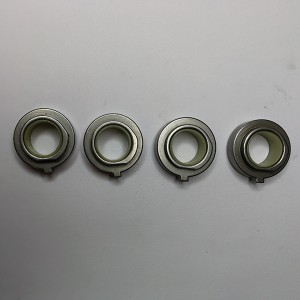
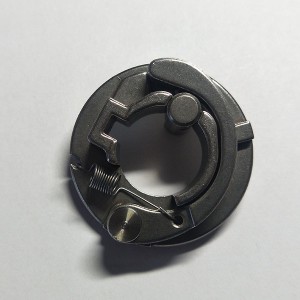
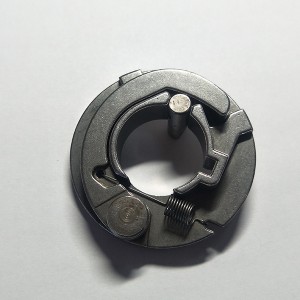
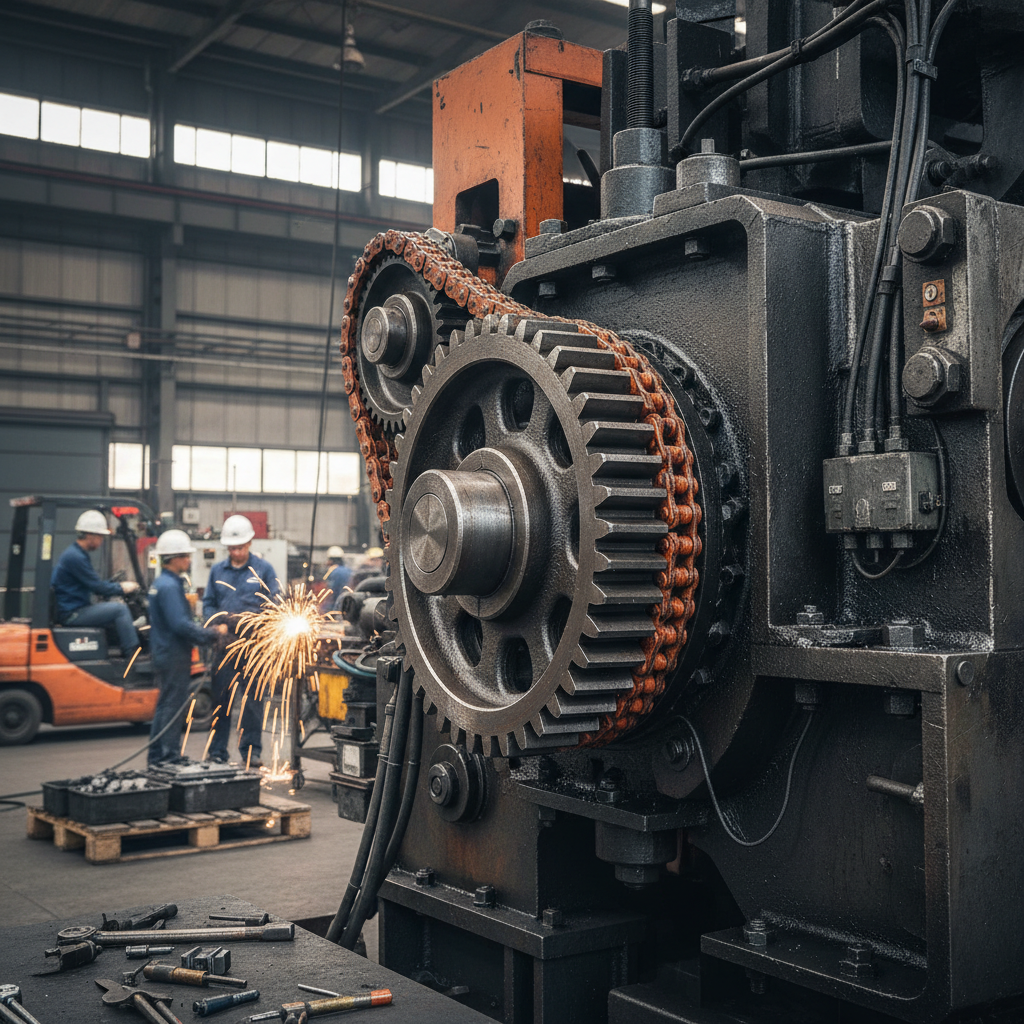
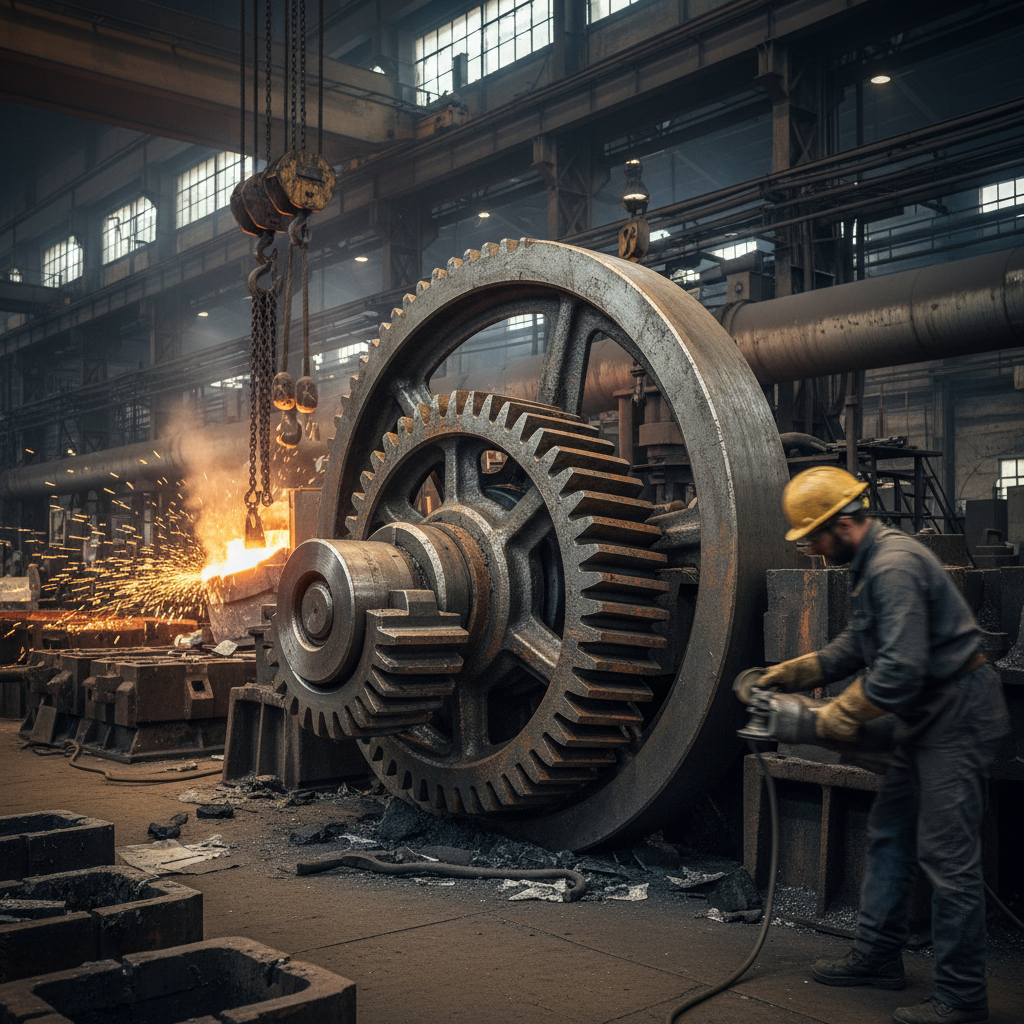
Broadly speaking, special gear comprises engineered mechanical components or tools designed for specific operational contexts. Unlike general-purpose equipment, these devices meet distinct technical requirements — whether it’s enhanced durability for harsh environments, modularity for rapid deployment, or precision for specialized manufacturing processes.
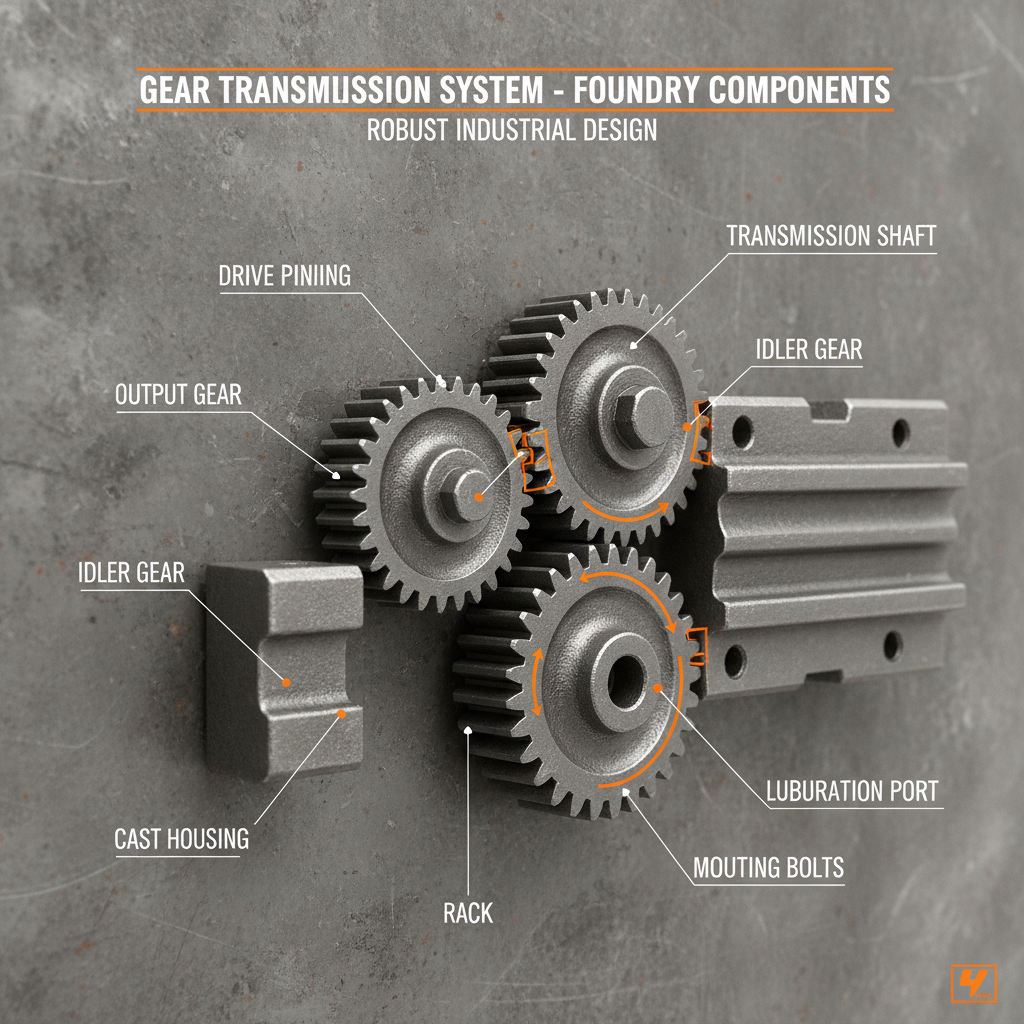
For example, think of a custom-built gearbox that handles extreme torque fluctuations in wind turbines or a field kit containing modular tools for quick assembly of emergency shelters. These aren’t just gadgets; they’re problem-solvers crafted from insights into the end-user environment. In humanitarian contexts, special gear might include compact machinery that can be airlifted quickly to disaster zones, easing logistics considerably.
Mini takeaway: Special gear is about specificity — machines and tools tailored for unique demands in both industrial and humanitarian sectors.Core Components that Define Special Gear
Durability
Many engineers swear by durability as the front-runner factor. Special gear often must withstand extreme temperatures, corrosive elements, or heavy loads. Materials like hardened steel alloys or weather-resistant composites are common to keep these tools functional beyond typical lifespans.
Precision Engineering
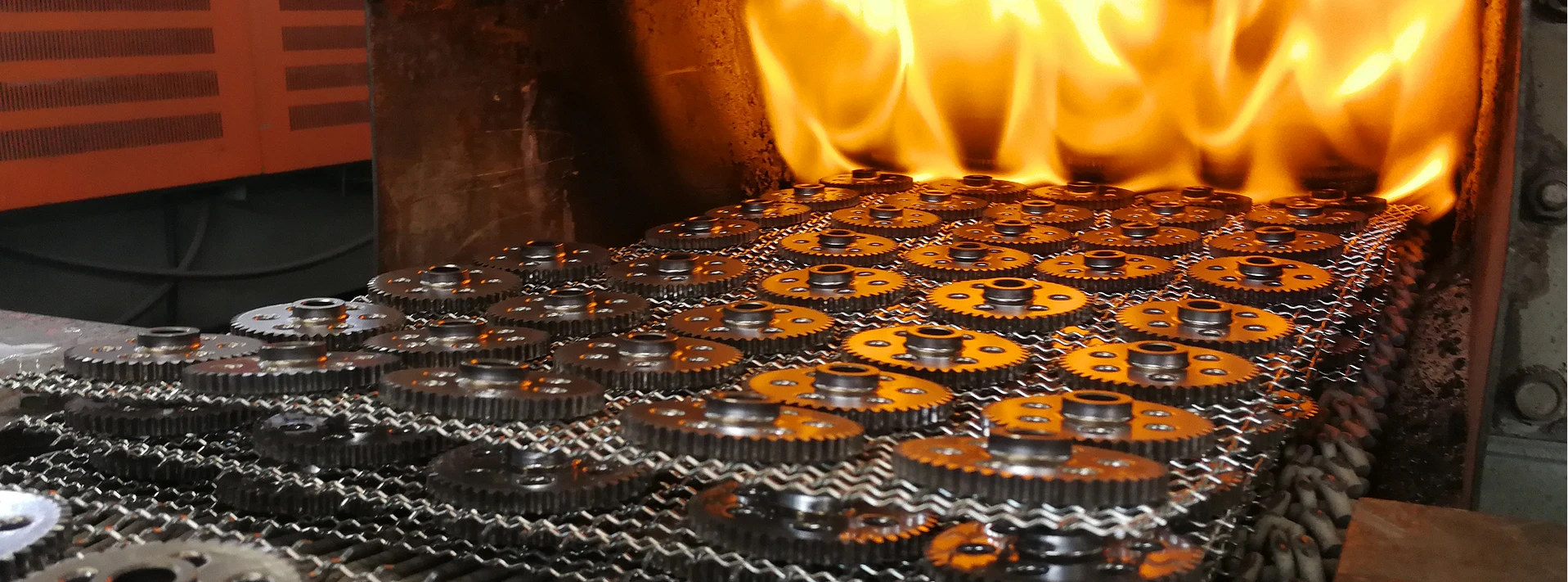
Often, the gear needs exact calibration — whether it’s micro-adjustments in automated manufacturing or measured torque in mechanical drives. High-precision machining and finishing become non-negotiable attributes.
Scalability and Modularity
Whether it’s field shelters or mechanical assemblies, special gear often benefits from modular designs allowing rapid reconfiguration or easy scaling. It’s a game changer for emergency response teams and manufacturers looking for flexible solutions.
Cost Efficiency
Special gear can’t be prohibitively expensive, or its value diminishes. Designers balance material quality and manufacturing complexity to hit cost targets, making these solutions viable for widespread use.
Ease of Deployment
Especially critical in disaster zones or remote locations, gear that is lightweight, compact, and easy to assemble saves precious time and manpower.
Compatibility
The ability to integrate seamlessly with existing machinery or infrastructure maximizes operational efficiency and reduces downtime.
Mini takeaway: From rock-solid durability to smart modularity, special gear combines form and function in uniquely demanding ways.Real-World Applications: Where Special Gear Makes a Difference
- Disaster Relief Operations: In post-disaster zones, rapidly deployable special gear like modular water purification systems or portable power units supports affected communities. For instance, NGOs in Southeast Asia have used compact shelter kits enabled by specialized mechanical parts to house thousands after floods.
- Remote Industrial Zones: Oil rigs in the Arctic or mining operations deep in Africa rely on custom-built machinery that can survive punishing climates. Special gear with enhanced sealing and corrosion resistance extends equipment uptime.
- Manufacturing Innovation: Precision special gear automates quality control in automotive and aerospace sectors, increasing production accuracy while cutting costs.
- Renewable Energy: Specialized gear in turbines, tracking systems, and energy storage enables green projects to thrive in varied environments.
The Long Game: Advantages and Lasting Benefits of Special Gear
When you invest in special gear, you’re investing in reliability — often the kind that saves lives, reduces waste, and boosts productivity. Cost savings follow from fewer breakdowns and faster deployment. Socially, communities receive dignified, efficient aid during emergencies, not just temporary fixes. Emotionally, having trustworthy tools fosters confidence among engineers and responders facing unpredictable conditions daily.
Innovation flourishes when gear adapts to emerging tech and sustainability principles. Long-term, sustainability improves through durable designs that reduce replacements and waste, echoing ISO’s environmental management guidelines.
Mini takeaway: Special gear delivers quantifiable financial savings and priceless social value, anchored in trust and innovation.Looking Ahead: Trends and Innovations Shaping Special Gear
Advances in materials science promise lighter, stronger gear using graphene composites or bio-inspired alloys. Digitally smart gear now embeds sensors for predictive maintenance, cutting downtime by alerting users before failures occur.
Automation and AI-led customization mean manufacturers can now produce special gear tailored almost instantly to customer specifications — shrinking lead times dramatically. Meanwhile, sustainability pushes the sector towards greener materials and recyclable components.
In humanitarian tech, the rise of soft robotics and modular, inflatable designs offers agility previously unimaginable — truly a seismic shift in rapid-response gear.
Mini takeaway: Emerging technology and eco-conscious design are making special gear smarter, lighter, and greener.Challenges and Ingenuity: Navigating the Limitations of Special Gear
Of course, producing and deploying special gear is not without hurdles. High initial cost and complex manufacturing can slow adoption. Logistics in conflict or disaster areas also strain supply chains.
However, recent innovations like 3D printing and improved local sourcing offer pathways to circumvent these challenges. Many experts advocate for global cooperation on standards to ensure interoperability and quality across markets — a push backed by standards bodies like ISO.
Mini takeaway: Challenges remain, but ingenuity and cooperation are steadily turning limitations into opportunities.FAQ: Your Questions About Special Gear Answered
- What makes special gear different from regular equipment?
- Special gear is custom-designed to meet specific operational needs that general-purpose equipment can’t handle, often involving enhanced durability, precision, or modularity.
- How can special gear be cost-effective despite high design costs?
- Though initial costs are higher, long-term savings from durability, reduced downtime, and efficiency gains often outweigh upfront investment.
- Is special gear suitable for rapid deployment in disaster zones?
- Absolutely — many special gear solutions are modular and lightweight, specifically designed for quick assembly and transport in emergency situations.
- Can special gear be customized for different industries?
- Yes, customization is a core feature. Gear can be tailored to specific industries’ needs, from mining to healthcare.
- How do organizations source reliable special gear?
- Partnering with certified manufacturers and referring to standards like ISO can help ensure quality and compatibility. Vetting vendors based on experience is also key.
A Quick Look: Product Specifications of a Typical Special Gear Set
| Specification | Value |
|---|---|
| Material | Hardened steel alloy with composite coatings |
| Weight | 18.5 kg (modular kit) |
| Dimensions | Packaged: 60 x 45 x 25 cm |
| Operating Temp Range | -40°C to +75°C |
| Lifecycle | 10+ years with standard maintenance |
| Deployment Time | Under 30 minutes for trained personnel |
Comparing Top Vendors of Special Gear
| Feature | GearTech Solutions | ModuEquip Corp. | RapidKit Inc. |
|---|---|---|---|
| Customization Options | Extensive | Moderate | High |
| Price Range | $$$ | $$ | $$$ |
| Lead Time | 4-6 weeks | 2-3 weeks | 1-2 weeks |
| Sustainability Practices | ISO 14001 certified | Partial compliance | No formal certification |
| Global Reach | Worldwide | North America & Europe | Asia & Africa |
Final Thoughts and Next Steps
In summary, special gear is more than just a category of tools; it’s a linchpin for successful operations in demanding environments around the globe. Whether supporting disaster relief teams with rapid-deploy kits or enabling industries to innovate sustainably, the importance of tailored mechanical solutions is unlikely to wane anytime soon.
For anyone interested in elevating their operational capabilities or supporting global resilience, exploring the world of special gear is a smart move. Curious to see what tailored mechanical solutions can do for your industry or mission? Feel free to browse our special gear offerings — you might find exactly what you need.
References: