






Why Understanding Transmission Gear Matters Worldwide
Transmission gear might sound like something tucked away inside a machine, but its impact spans continents, industries, and everyday life. From the vehicles we drive to the heavy machinery powering construction sites, transmission gears are the unsung heroes. Globally, they underpin reliable transportation, industrial efficiency, and even humanitarian responses — making it critical for manufacturers, engineers, and policymakers to grasp their importance.
In fact, a World Bank report on industrial development noted that improving mechanical transmission systems can boost equipment efficiency by up to 15%, reducing energy waste and costs. So, understanding, optimizing, and sourcing the right transmission gear is both a technical challenge and a global economic opportunity.
The Global Context: How Transmission Gear Shapes Modern Industry
The demand for precision, durability, and adaptability in transmission gear is soaring worldwide. With rising industrial automation, electric vehicles, and sustainable energy solutions taking center stage, transmission systems have grown into a complex ecosystem. According to the International Organization for Standardization (ISO), focus on gear quality and standards directly affects product lifespan and safety.
Yet, challenges persist. Variabilities in raw material availability, fluctuating manufacturing costs, and the push for lightweight yet strong components are reshaping how companies think about transmission gear today.
Oddly enough, even though we rarely see these components, their failure can halt entire operations—from maritime shipping lanes to agricultural harvests. So, the global industry doesn't just manufacture transmission gears; it manufactures trust and continuity.
Decoding Transmission Gear: What Is It, Really?
Transmission gear, in simple terms, refers to the toothed wheels and associated mechanisms that transfer mechanical power between components within machines. They adjust speed, torque, and direction — kind of like the conductor in an orchestra, ensuring everything moves in harmony.
Connection to modern industry? It’s fundamental. Whether it’s your car’s gearbox or the giant gearboxes in wind turbines generating clean energy, transmission gear is everywhere. Humanitarian efforts, for example, rely on robust construction and transport equipment powered by these gears to deliver aid where roads are rough or non-existent.
Core Components and Considerations of Transmission Gear
Durability: The Heartbeat of Reliability
Gear components must endure friction, heat, and mechanical stress indefinitely. Material choice here is critical—hardened steel alloys dominate, but recent advances include composites for lighter weight without sacrificing strength.
Precision Engineering: It's All in the Teeth
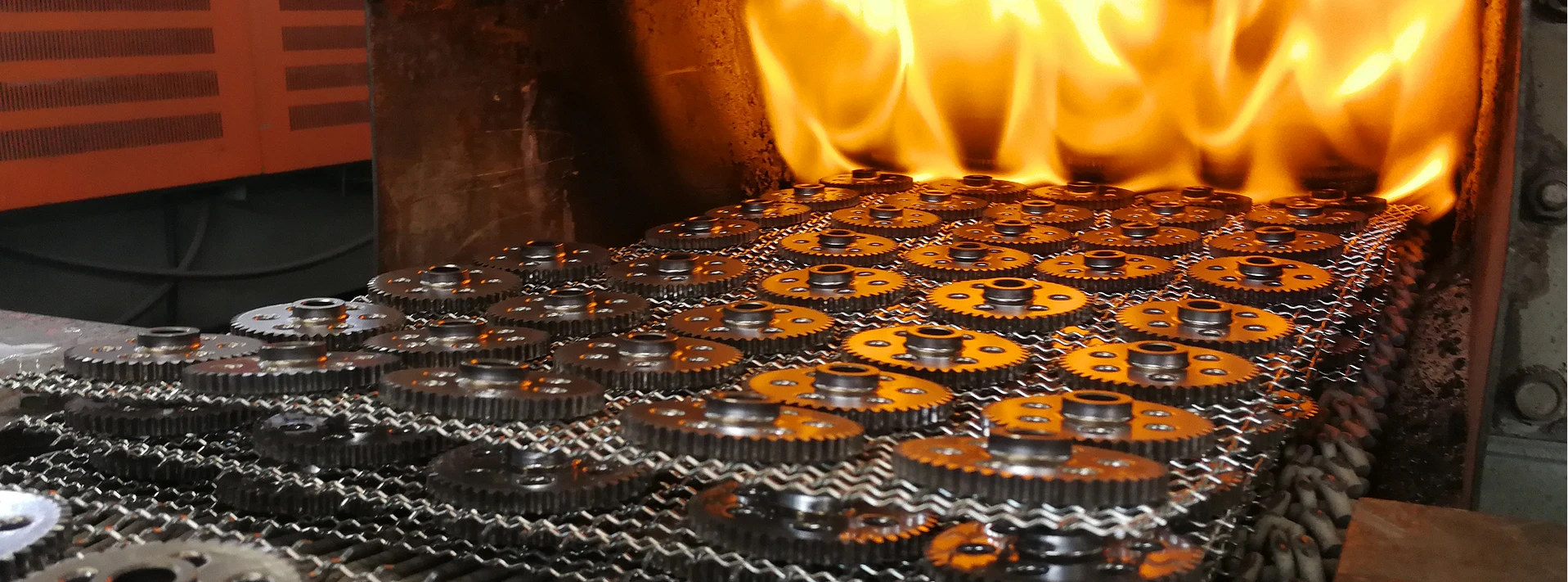
The profile and finish of the gear teeth affect noise reduction and energy loss. Many engineers swear by CNC machining and laser hardening to achieve exceedingly tight tolerances, ensuring smooth operation even under heavy loads.
Scalability: From Micro to Massive
Transmission gears come in diverse sizes—from tiny gears in robotics to huge ones in industrial cranes. Manufacturers must tailor design parameters like gear ratio and tooth shape to specific power needs.
Cost Efficiency: Balancing Performance and Budget
Mass production has pushed down prices, but premium gear designs with specialized coatings can cost more upfront yet save money long-term by lasting longer and requiring less maintenance.
Customization & Compatibility
Modern industries increasingly demand gear systems that integrate seamlessly with electronic controls, sensors, and even remote monitoring systems—ushering in a new era of “smart” transmission gear.
Real-World Applications: Transmission Gear in Action
- Automotive Industry: From everyday cars to electric vehicles, gears control acceleration and efficiency.
- Renewable Energy: Wind turbines rely on sophisticated gearboxes to convert slow rotations into electricity.
- Disaster Relief: In post-disaster zones, heavy machinery equipped with dependable transmission gears builds infrastructure fast.
- Agriculture: Tractors and harvesters depend on robust gear mechanisms to work longer hours under harsh conditions.
- Manufacturing: Conveyor belts and robotic arms use customized gears for smooth and precise movements.
Regions like Southeast Asia, parts of Europe, and North America lead the innovation charge. One company I encountered recently shipped modular transmission gear assemblies to remote oil fields in Nigeria — no easy feat when logistics and reliability matter so much.
Transmission Gear: Advantages and Long-Term Value
- Cost Savings: Efficient gears reduce fuel consumption and maintenance frequency.
- Sustainability: Durable gears mean less material waste and longer machine life cycles.
- Reliability: Trusted gear systems lower breakdown risks — that’s peace of mind for industries.
- Social Impact: By enabling machinery in infrastructure projects, communities gain access to better services.
- Innovation Potential: Smart transmission gear can optimize operation via IoT, unlocking a new performance frontier.
Product Specifications: A Representative Transmission Gear Model
| Specification | Details |
|---|---|
| Material | Case-hardened steel alloy (AISI 8620) |
| Module (Tooth Size) | 2.5 mm |
| Face Width | 30 mm |
| Gear Ratio | 4:1 |
| Hardness | 55 HRC surface hardness |
| Max Torque Capacity | 850 Nm |
Vendor Comparison: Transmission Gear Suppliers at a Glance
| Supplier | Material Options | Customization Level | Lead Time | Price Range |
|---|---|---|---|---|
| GearTech Solutions | Steel alloys, composites | High | 4-6 weeks | $$$ |
| PrimeGears Inc. | Hardened Steel | Medium | 3-5 weeks | $$ |
| Industrial Gears Ltd. | Steel, Titanium | Low to Medium | 6-8 weeks | $$$$ |
Looking Ahead: Innovations and Trends in Transmission Gear
The future of transmission gear is fascinating, partly because it’s quietly adapting to huge trends. Green energy systems demand gears that withstand tough environmental shifts while minimizing loss—new coatings and ceramics are rising stars here. Meanwhile, digital transformation is embedding sensors into gearboxes to predict failures before they happen, known as “condition monitoring.”
Automation pushes precision to new extremes. And oddly enough, additive manufacturing (3D metal printing) is enabling complex gear designs that were impossible before, combining weight savings with performance.
Challenges in Transmission Gear and How Experts Address Them
Even with modern advances, problems like material fatigue, high costs, and supply chain disruptions aren’t going anywhere soon. For instance, standardizing gear quality across international suppliers can be tricky, with small tolerances meaning big impacts.
Experts are working on better materials with fatigue-resistant surfaces and modular designs that simplify maintenance. As one gear designer told me recently, “We aim to build gears that almost think for themselves”—referring to smart sensor integration.
On the logistics side, localizing production and better inventory management are helping mitigate shipping delays. So, while challenges are real, they’re inspiring real innovation.
FAQs: Quick Answers on Transmission Gear
What are the key differences between spur and helical transmission gears?
Spur gears have straight teeth and are simpler, cheaper, but noisier; helical gears have angled teeth providing smoother and quieter operation, ideal for high-speed applications.
How do manufacturers test transmission gear reliability?
They use endurance tests simulating operational loads, plus surface hardness and fatigue strength measurements, ensuring gears meet industry standards before deployment.
Can transmission gear systems be retrofitted with sensors for predictive maintenance?
Absolutely. Many modern gearboxes include integrated vibration and temperature sensors, enabling early detection of wear or misalignment and preventing costly breakdowns.
What industries benefit most from advanced transmission gear designs?
Heavy machinery, automotive (especially EVs), renewable energy, aerospace, and manufacturing all gain significant performance and reliability from improved transmission systems.
Are composite materials reliable substitutes for traditional steel in transmission gear?
Composites offer weight advantages and corrosion resistance but typically suit low to mid-load applications. Steel remains preferred for high-torque settings but composites are gaining ground in niche uses.
Conclusion: Why Transmission Gear Will Always Matter
To sum it up, transmission gear plays a foundational role in powering industries, supporting sustainability, and enabling technological progress. Its evolution—from basic mechanical parts to sophisticated, sensor-embedded components—is crucial in meeting today’s economic and environmental challenges.
If you want to learn more about transmission gear solutions, innovative designs, or ready-to-install products, feel free to visit our website at https://www.jssintering.com. After all, keeping the gears turning means keeping the world moving forward.









