




What Is a Pinion and Why It Matters Worldwide
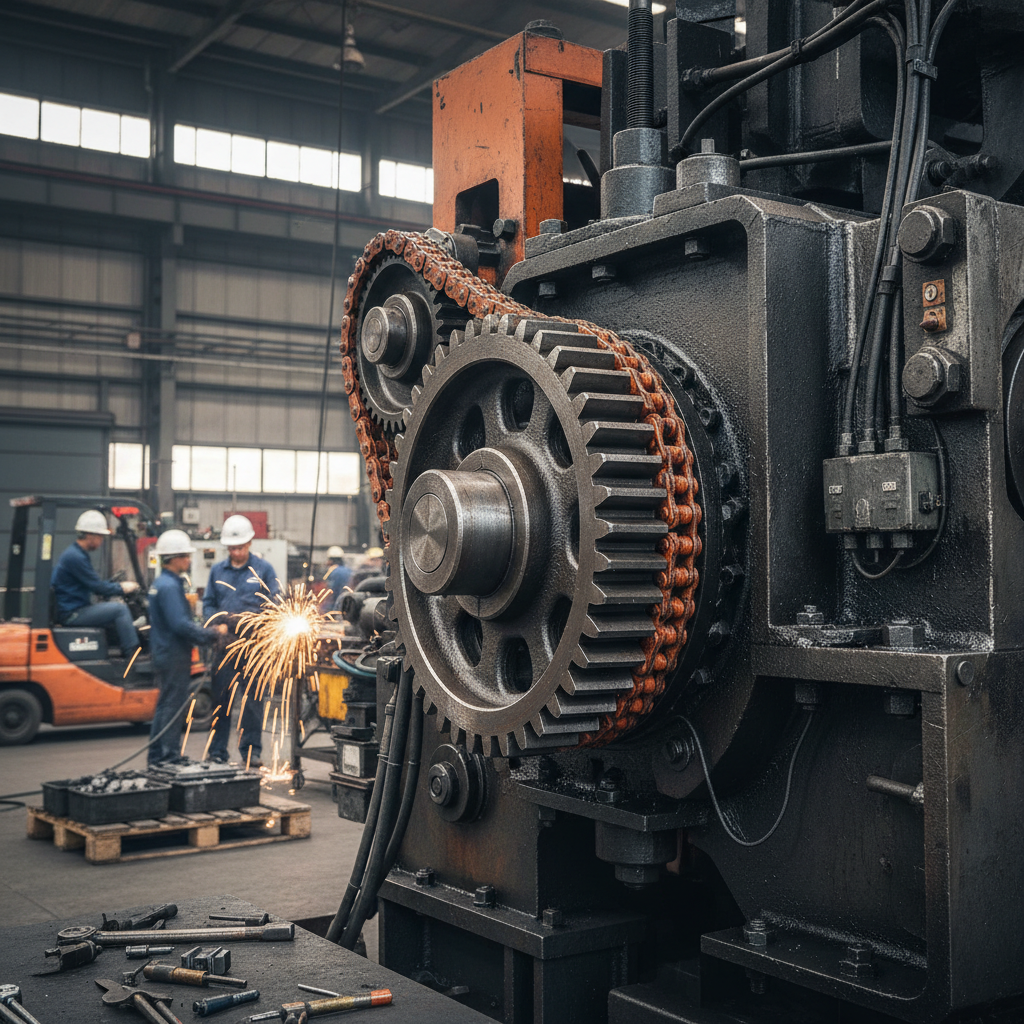
If you’ve ever peered under the hood of a car or at a set of gears in a machine, you might have spotted a small but vital component called a pinion. Though small, the pinion plays a mighty role in countless industries — from automotive and manufacturing to humanitarian logistics. Understanding what a pinion is, and why it’s crucial, opens the door to innovations in mechanical design and global engineering challenges.
Globally, gears and their subcomponents like pinions facilitate smoother, more efficient mechanical operations. For industries focused on automation, energy, and transport, the pinion is an unsung hero ensuring power transmission with precision. That’s why learning its practical benefits can inspire better industrial design and even influence efforts on humanitarian frontiers, such as disaster relief equipment or modular machinery.
Mini takeaway: The pinion may be small, but it’s a global workhorse for industries where efficiency, reliability, and power transfer matter.
Setting the Global Stage for Pinion Use
Here’s some context: according to the International Organization for Standardization (ISO), billions of gears—including pinions—are produced annually to keep the global machinery ticking. With sectors like automotive manufacturing representing over $4 trillion worldwide, pinions have become a silent key to powering economies.
Yet there’s a challenge: as machinery becomes more complex and industries push for greener, more compact designs, pinions must evolve to meet requirements for durability and precision. In remote zones—from mining operations in South America to wind farms in Scandinavia—reliable pinions reduce downtime and increase safety, a fact many engineers stress but often gets overlooked in big industrial reports.
Mini takeaway: Pinions must adapt to modern challenges including sustainability, compactness, and high precision — making them vital in diverse sectors globally.
Pinion: A Simple Definition
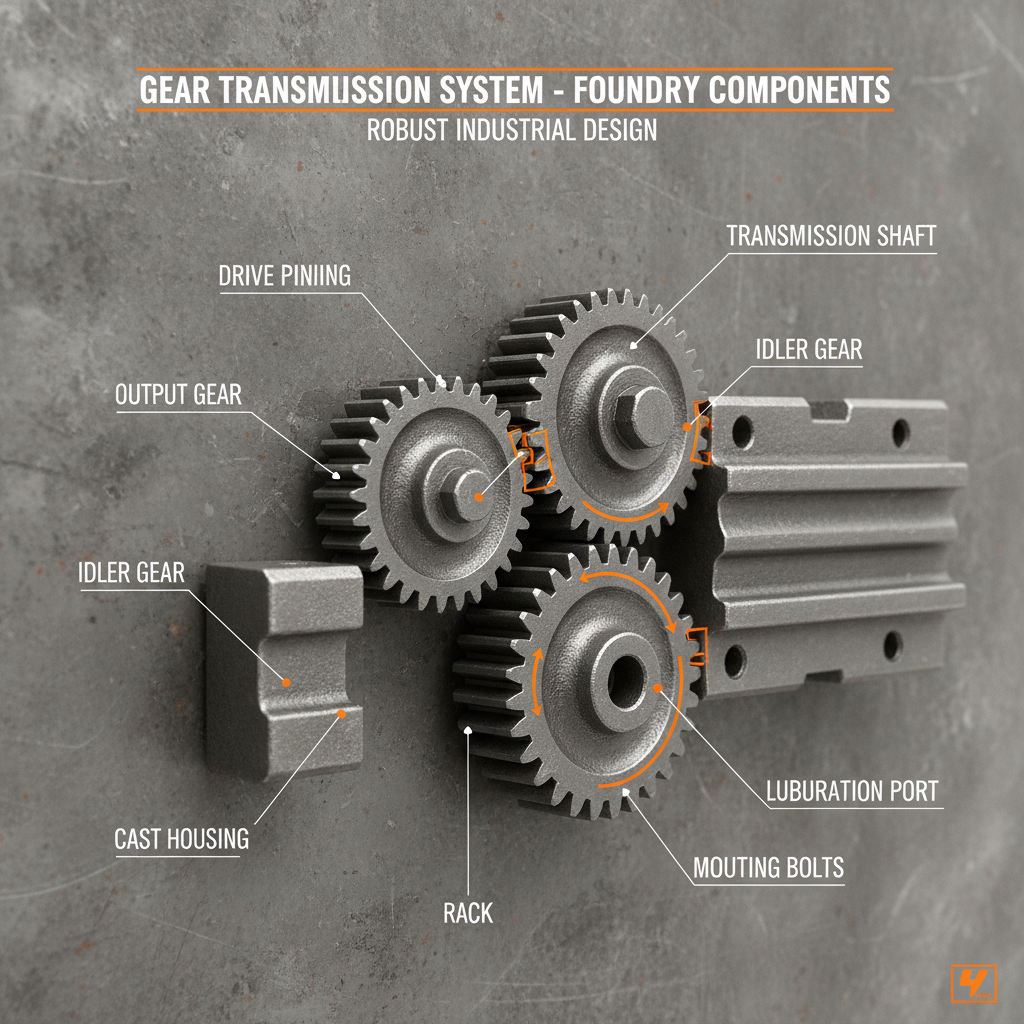
Simply put, a pinion is the smaller gear that engages with a larger gear or rack, transmitting rotational motion and torque. Imagine it as a trusty gatekeeper passing power along with exact timing and coordination. It can be part of rack-and-pinion steering in vehicles, gearboxes in machines, or even the drive system in railway locomotives.
Its role is more than just physical teeth meshing — it embodies engineering precision. By converting rotational movement into linear or other motions, pinions have found their place not just in heavy industry but also in specialized equipment supporting humanitarian needs, like portable water pumps or medical machinery in off-grid zones.
Core Aspects of Pinion Design and Function
1. Durability
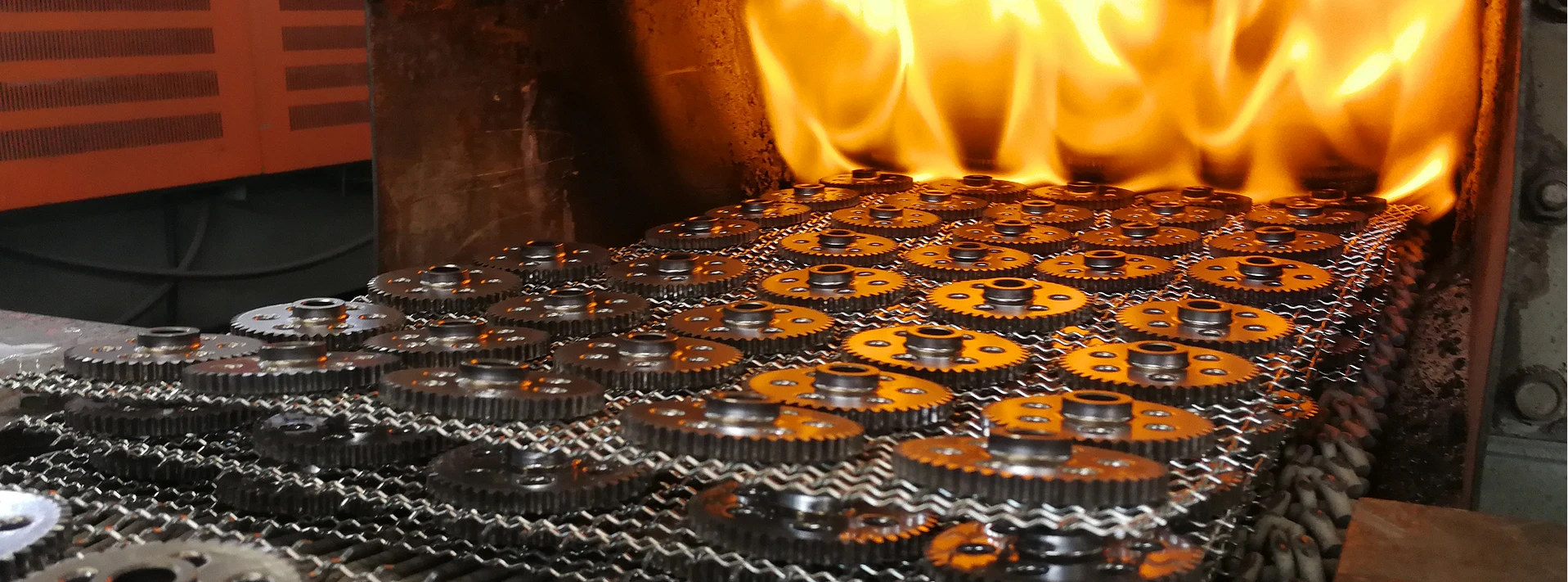
Pinions must withstand intense stress and constant wear. Materials like hardened steel and treatments such as carburizing extend their life — this isn’t just about quality; it’s about reliability in harsh conditions.
2. Precision Engineering
To avoid slippage or backlash, the teeth on pinions have to be crafted with sub-millimeter accuracy. This precision ensures smooth motion, essential in robotics or automotive safety systems.
3. Size and Weight
Compact pinions enable miniaturization of machinery, important in automotive and aerospace industries where every gram counts.
4. Cost Efficiency
Balancing manufacturing costs with performance is critical — many companies invest in mass production of pinions using automated forging and machining to keep prices competitive.
5. Compatibility
Pinions must interface seamlessly with varying gear types and sizes, often customized to fit specific machines or modular designs.
Mini takeaway: Designing a great pinion isn’t just about the teeth—it’s a complex balance of durability, precision, size, cost, and compatibility.
Global Applications of Pinions
- Automotive Industry: Pinions form part of steering systems (rack-and-pinion) and transmissions, helping millions of vehicles worldwide operate smoothly every day.
- Manufacturing Plants: Assembly lines use pinions in conveyor systems and robotic arms for precise motion control.
- Renewable Energy: Wind turbines use pinion gears in their gearboxes to convert slow rotor speeds into electricity-generating rotations.
- Humanitarian Relief: Portable water pumps and transport equipment with pinion-based drives ensure availability and mobility in disaster zones like post-earthquake Haiti or flood-prone Southeast Asia.
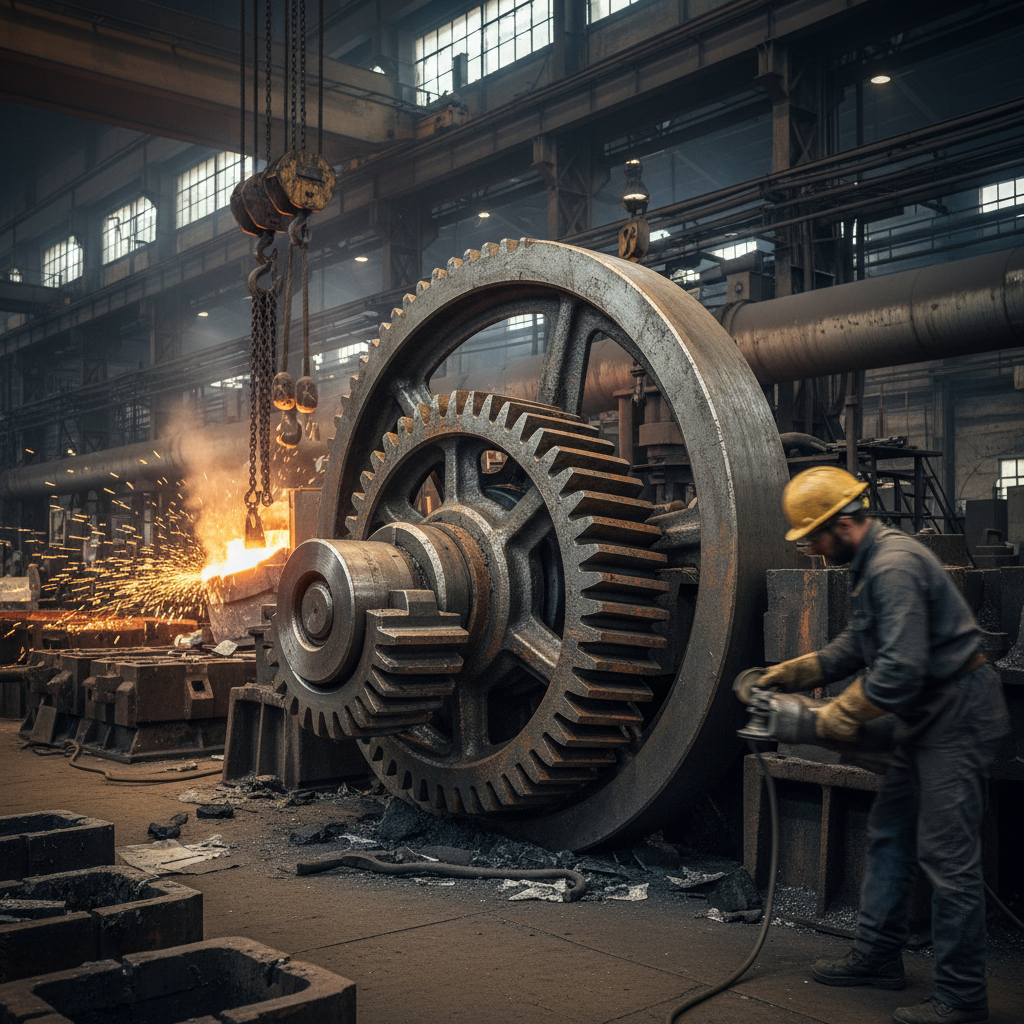
- Rail and Transport: Locomotive drive trains rely on robust pinions engineered to withstand heavy loads and harsh environments.
Mini takeaway: Whether rolling in a car or turning a wind turbine, pinions help turn global industrial ideas into real-world outcomes.
Pinion Advantages and Long-Term Value
- Cost Savings: Reduced mechanical friction and wear mean less maintenance — that’s money saved over time.
- Sustainability: Longer-lasting components reduce waste and resource use.
- Safety and Reliability: Precision-engineered pinions prevent mechanical failures, improving safety in everything from cars to industrial machinery.
- Innovation Driver: As part of evolving gear systems, pinions are critical to enabling automation and robotics.
- Emotional Value: There is a sense of trust you get from machines that hum quietly without breaking down unexpectedly — pinions help cultivate that peace of mind.
A Look Ahead: Future Trends in Pinion Technology
Emerging smart materials—like self-lubricating composites—and advanced surface treatments promise pinions that last longer with less upkeep. Plus, the rise of digital twin technology means pinion wear can be monitored in real time, preventing downtime.
In the green energy sector, lighter pinions made with unique alloys allow efficient wind turbines and electric vehicles to achieve better performance. Automation and additive manufacturing (3D printing metal gears) also hold potential to radically reduce lead times and customize pinions for specific industries.
Common Challenges and How Experts Address Them
Pinion wear and noise remain persistent challenges. But companies now use innovative coatings and shape modifications to minimize losses. Harsh environments’ impact is countered with high-grade alloys or even ceramic pinions.
Designers also leverage simulation software to test pinion designs before manufacturing, cutting costly errors.
FAQ: Your Burning Questions About Pinions
Q1: How does a pinion differ from a regular gear?
A1: While every pinion is a gear, it’s typically the smaller gear in a mesh. Its size and position play a specific role in transmitting motion and torque, often interfacing with larger gears or racks.
Q2: What materials make the best pinions?
A2: Hardened steels are the most common due to strength and wear resistance, but for lighter applications, composites or aluminum alloys may be used to cut weight.
Q3: Can pinions handle high loads in industrial settings?
A3: Absolutely. Properly designed pinions with appropriate heat treatments can withstand significant stress, common in mining, rail, or wind turbine gearboxes.
Q4: How do you reduce noise caused by pinions?
A4: Precision machining, optimized tooth profiles, and advanced coatings reduce vibration and noise, enhancing machine comfort and longevity.
Q5: Are pinions customizable for specialized applications?
A5: Yes, pinions are often tailored for unique requirements in size, tooth design, and materials, especially in robotics and aerospace.
Pinion Product Specification Table
| Specification | Typical Values | Notes |
|---|---|---|
| Material | Hardened Steel (AISI 8620) | Heat treated for wear resistance |
| Module (Pitch) | 1 – 5 mm | Varies by application |
| Number of Teeth | 10 – 30 | Smaller gears have fewer teeth |
| Max Torque | Up to 500 Nm | Depending on size/ material |
| Surface Treatment | Carburizing, Nitriding | Enhances hardness & lifespan |
Vendor Comparison: Leading Pinion Suppliers
| Vendor | Material Options | Customization Level | Lead Times | Price Range |
|---|---|---|---|---|
| GearPro Inc. | Steel, Alloy, Composite | High, CAD-based design | 3-5 weeks | $$$ |
| PinionTech | Hardened Steel Only | Medium, standard designs | 2-4 weeks | $$ |
| ModuGear Solutions | Steel, Aluminum Alloys | High for modular industries | 4-6 weeks | $$$ |
Wrapping It Up: Why Pinions Deserve Your Attention
So, what’s the final word on pinions? In real terms, they’re more than just minuscule gears — they’re the meticulous cogs ensuring machines work smoothly and safely. From powering the vehicles you ride every day to enabling relief operations where every turn of a pump can mean survival, pinions quietly embody technological promise and industrial resilience.
Next time you consider machinery or automation projects, think about the humble pinion and its big impact. If you want to dive deeper into specialized gear components or explore modular system options, feel free to pinion our site for more.
Stay curious — sometimes the smallest parts spin the biggest stories.