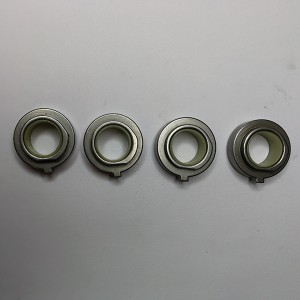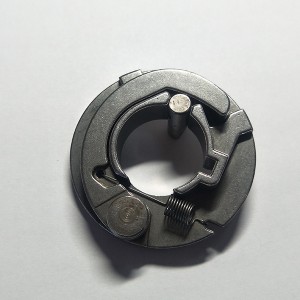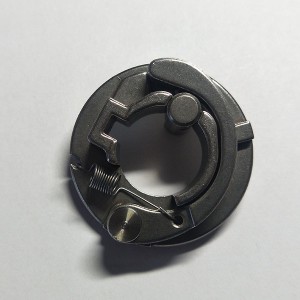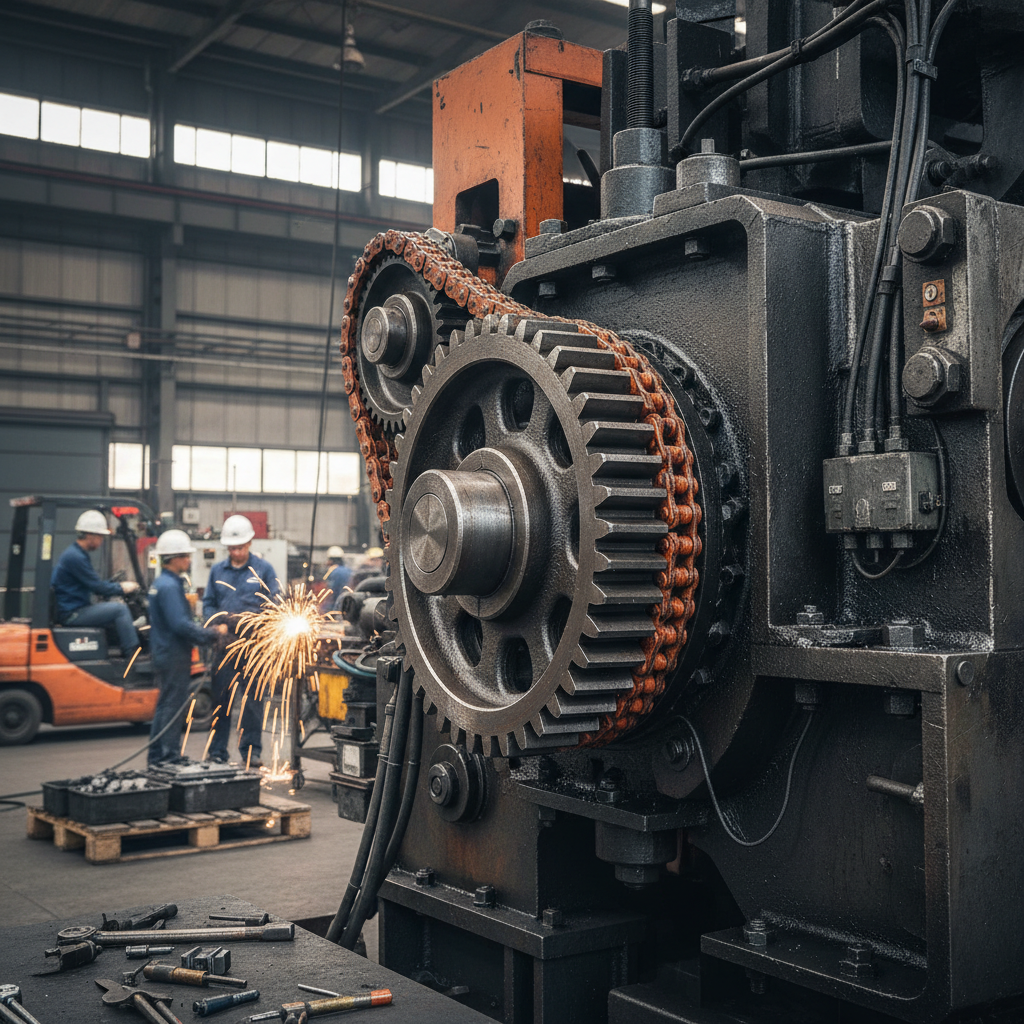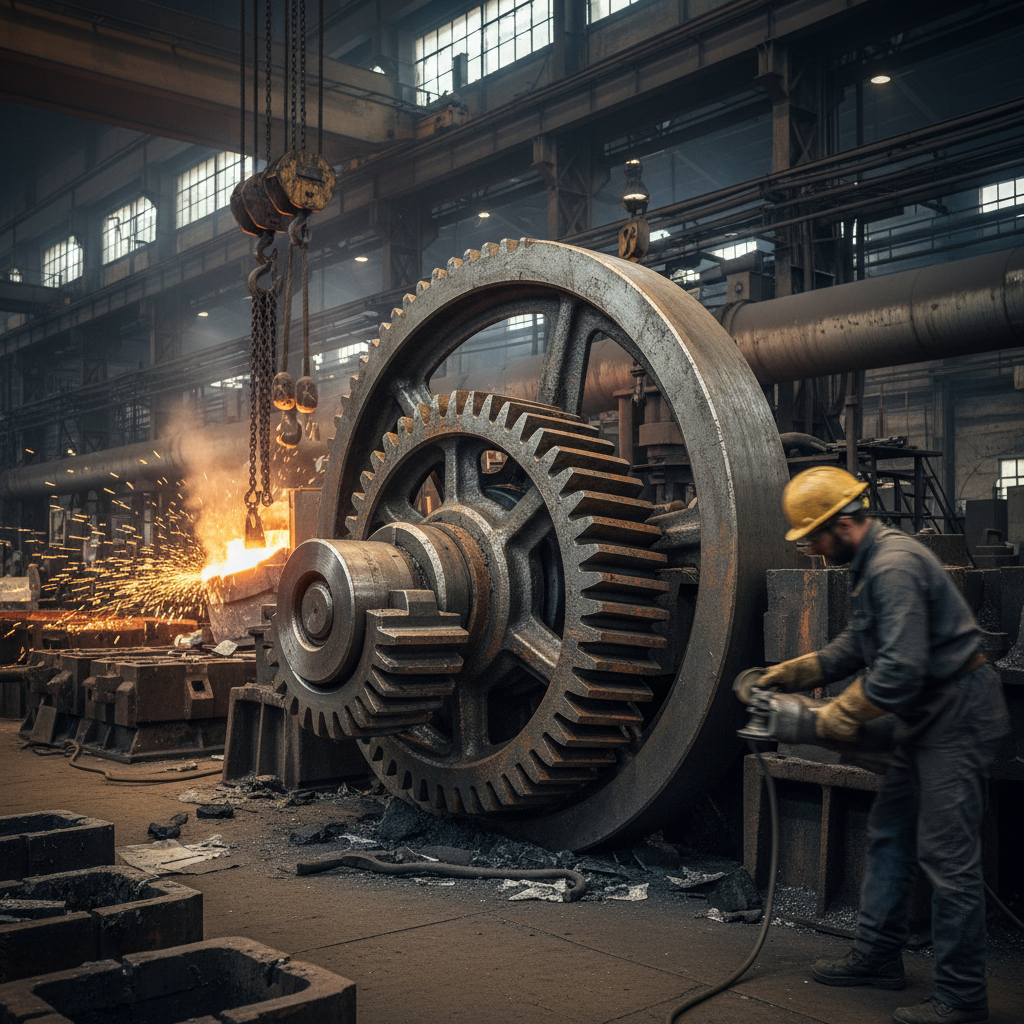





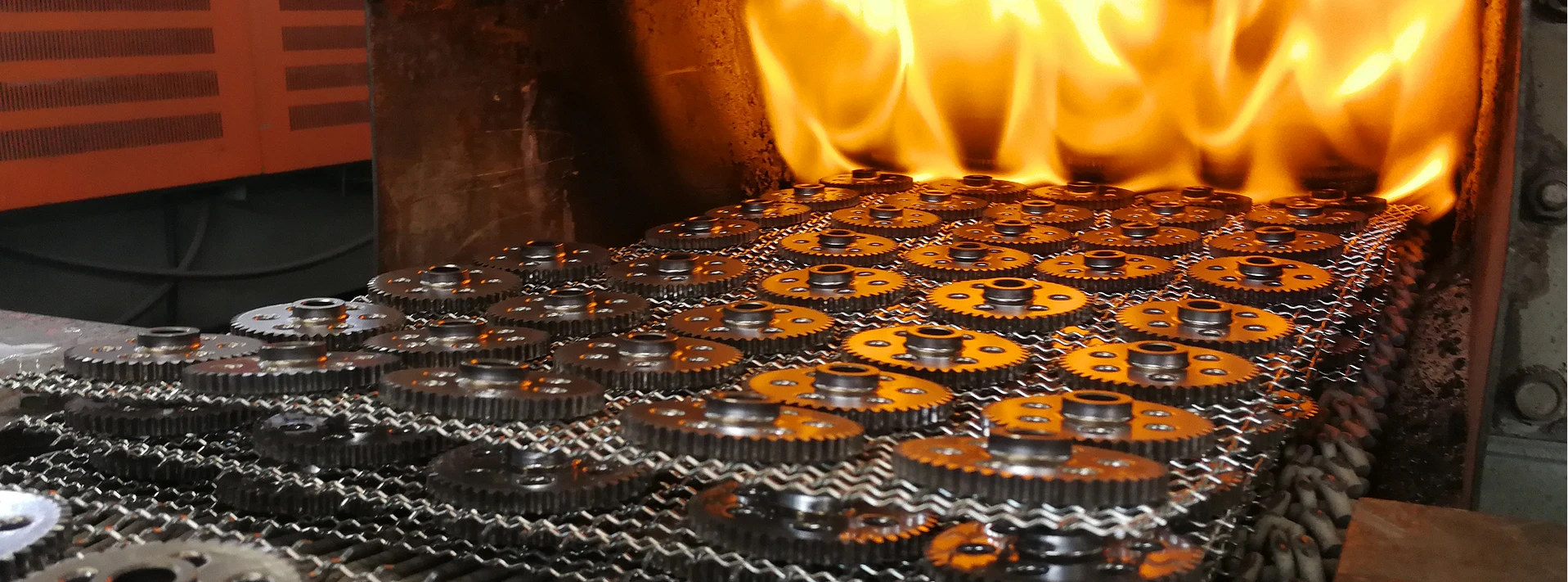
Types Of Cargo Handling Gears is a key solution in the industry, specifically within sectors that demand reliable, heavy-duty equipment for moving goods efficiently. This article explores how https://www.jssintering.com supports professionals with durable, high-performance products, and explains why this product is an ideal choice for businesses in these sectors.
Table of Contents
- Types Of Cargo Handling Gears Overview
- Benefits & Use Cases of Types Of Cargo Handling Gears
- Cost, Maintenance & User Experience
- Sustainability & Market Trends
Types Of Cargo Handling Gears Overview
When we talk about Types Of Cargo Handling Gears, we're referring to the essential mechanical devices designed to load, unload, and move cargo, primarily in maritime, warehousing, and industrial environments. These gears range widely—from cranes and winches to derricks and forklifts—each with specific applications but all sharing the goal of safe, efficient cargo movement.
Technically speaking, these gears rely on strong materials—mostly high-grade steel, sometimes alloyed or treated for corrosion resistance, especially important near marine environments. Many firms, including JSS Sintering, emphasize durability and modular design, offering specs like load capacities from a few tons up to several hundred, and variable reach or boom lengths suited to different dock or yard configurations. I’ve noticed, for instance, how JSS’s products often come with tested load ratings and safety certifications that make them a favorite among engineers seeking reliability without much fuss.
| Specification | Standard Range | Notes |
|---|---|---|
| Load Capacity | 5 - 300 tons | Depends on model & use case |
| Boom Length | 10 - 60 meters | Customizable per installation |
| Material | High-Tensile Steel / Alloy | Corrosion resistant variants available |
| Control Systems | Manual / Semi-Automatic / Hydraulic | Depending on technology level |
Benefits & Use Cases of Types Of Cargo Handling Gears
Honestly, the benefits of these cargo handling gears are numerous—and critical if you want reliability in day-to-day operations. In ports, for example, cranes designed for rapid loading/unloading significantly increase vessel turnaround times. Meanwhile, in warehouses, forklifts and winches make the difference between smooth inventory movement and bottlenecks.
One of the biggest advantages JSS’s range offers is modularity—you can tailor configurations to the cargo type and handling environment, helping businesses avoid "one-size-fits-all" pitfalls. Features like corrosion-resistant coatings, remote operation capability, and simplified maintenance align well with challenging industrial needs. Their products often come with competitive load-to-weight ratios, which frankly means you get more power without excessively heavy equipment.
For instance, an east Asian shipping firm shared how adopting JSS's semi-automatic derricks reduced equipment downtime by nearly 20%, which in turn cut operational disruptions. That’s the kind of edge that matters in shipping and heavy logistics.
Cost, Maintenance & User Experience
When evaluating Total Cost of Ownership (TCO), cargo handling gears can be a significant capital investment, but a careful look at durability and maintenance costs often reveals surprisingly solid ROI. JSS’s products, for example, are designed with replaceable wear parts and hardened steel surfaces that extend service life and reduce unplanned maintenance.
Users often comment on the intuitive design of control systems, which reduce training time and the risk of operator error. I suppose in industrial settings, this sort of “human factor” consideration is underrated but extremely valuable.
The durability also means fewer replacements. For companies juggling budget constraints and operational pressures, this translates into more stable long-term costs—even if the initial investment is a bit heftier than some low-cost alternatives. It basically pays off in lower downtime and less maintenance headaches.
| Vendor | Durability | Customization | Price | User Feedback |
|---|---|---|---|---|
| JSS Sintering | High | Extensive | Mid-range | Positive, reliable |
| Competitor A | Medium | Limited | Lower | Mixed reviews |
| Competitor B | High | Moderate | Higher | Mostly positive |
Sustainability & Market Trends
Oddly enough, sustainability is becoming a louder topic even in heavy cargo handling. Regulations on emissions, noise, and waste increasingly affect manufacturers of these gears. JSS, for example, implements eco-friendly powder coatings and looks to integrate energy-efficient hydraulic systems, cutting environmental impacts somewhat—and hey, that’s a competitive edge these days.
Another trend is digitization: smarter, IoT-enabled handling systems promise better monitoring and predictive maintenance, reducing wasteful downtime. On a larger scale, global shipping growth pushes demand for beefier, faster, and safer cargo handling gears. So whether you’re operating in Asia, Europe, or the Americas, keeping up with innovation while considering ecological footprint feels pretty essential.
Frequently Asked Questions about Types Of Cargo Handling Gears
- What is Types Of Cargo Handling Gears and how does it work?
- In simple terms, they are mechanical equipment like cranes and winches that move cargo by lifting, lowering, or shifting based on mechanical and hydraulic principles, often with safety mechanisms like overload sensors.
- What are the main benefits of using Types Of Cargo Handling Gears in industrial applications?
- They improve loading efficiency, reduce manual labor, increase safety, and enable handling of heavier or more complex cargo with precision and control.
- How does Types Of Cargo Handling Gears compare to traditional alternatives?
- Compared to older manual or less mechanized tools, modern cargo gears offer enhanced automation, stronger materials, and better ergonomics—meaning less downtime and greater output.
- What industries can benefit most from Types Of Cargo Handling Gears implementation?
- Shipping ports, heavy manufacturing, warehousing, logistics, and construction sectors all rely heavily on these gears for their day-to-day operations.
Conclusion on Types Of Cargo Handling Gears from china
To sum it up, Types Of Cargo Handling Gears remain indispensable in the world of heavy cargo logistics, combining advanced materials, thoughtful design, and proven performance. From cost-efficiency to sustainability, their benefits ripple across industries internationally. For decision makers looking to invest wisely, products from trusted vendors like JSS Sintering offer a compelling choice.
– Curious? Visit our website: https://www.jssintering.com
References:
- JSS Sintering Product Catalogue & Specification Sheets (2024)
- Industry Reports on Cargo Handling Equipment, Maritime and Warehouse Engineering Journal
- Customer Testimonials & Case Studies from Asia-Pacific Logistics Firms