




Exploring the Types of Gear Connections in Industrial Equipment
Having spent years in the industrial equipment sector, I can say that one of the subtle yet crucial components making machines run smoothly is the gear connection. It’s not something flashy, but without well-designed gear connections, the whole system grinds to a halt—sometimes quite literally.
Gear connections, in essence, are methods that link gears to shafts or other components to transmit torque efficiently. Over the years, I’ve noticed a clear evolution in these connections, driven by advancements in materials, manufacturing precision, and, frankly, customer demands for durability and flexibility.
Let’s walk through the main types of gear connections you’ll find in industrial machinery, why they matter, and some design considerations that often go overlooked.
1. Press-Fit (Interference Fit)
Press-fit connections are probably the most common you’ll encounter. Essentially, the gear bore is slightly smaller than the shaft it fits onto. When pressed together—often with hydraulic or mechanical presses—friction holds everything tight. It’s straightforward, cost-effective, and reliable under many load conditions.
That said, it’s not always ideal for applications with heavy shock loads or where the gear needs to be frequently removed. I recall a project where improper interference fits caused premature wear because the press-fit was slightly off—something easily missed from the drawing board but caught during assembly inspection.
2. Keyed Connections
Keyed gear connections use a small metal key that fits into matching slots (keyways) in the shaft and gear. This approach mechanically locks the parts against rotational slippage. Many engineers swear by it — it’s simple, reliable, and easy to customize.
Of course, you get some stress concentration near the keyway, and with high loads, fretting can become an issue. I’ve seen teams experiment with different key materials and lubrication methods to mitigate that, sometimes with mixed results.
3. Splined Connections
Like keys, splines distribute torque over multiple contact surfaces. Instead of a single key, you have ridges and grooves that align gears and shafts together. Oddly enough, these are ideal for transmission systems where relative axial movement is required alongside rotation, such as in certain automotive or heavy machinery applications.
From experience, splines require high manufacturing precision—which sometimes bumps the cost—but the long-term performance gain often justifies it.
4. Shrink Fits
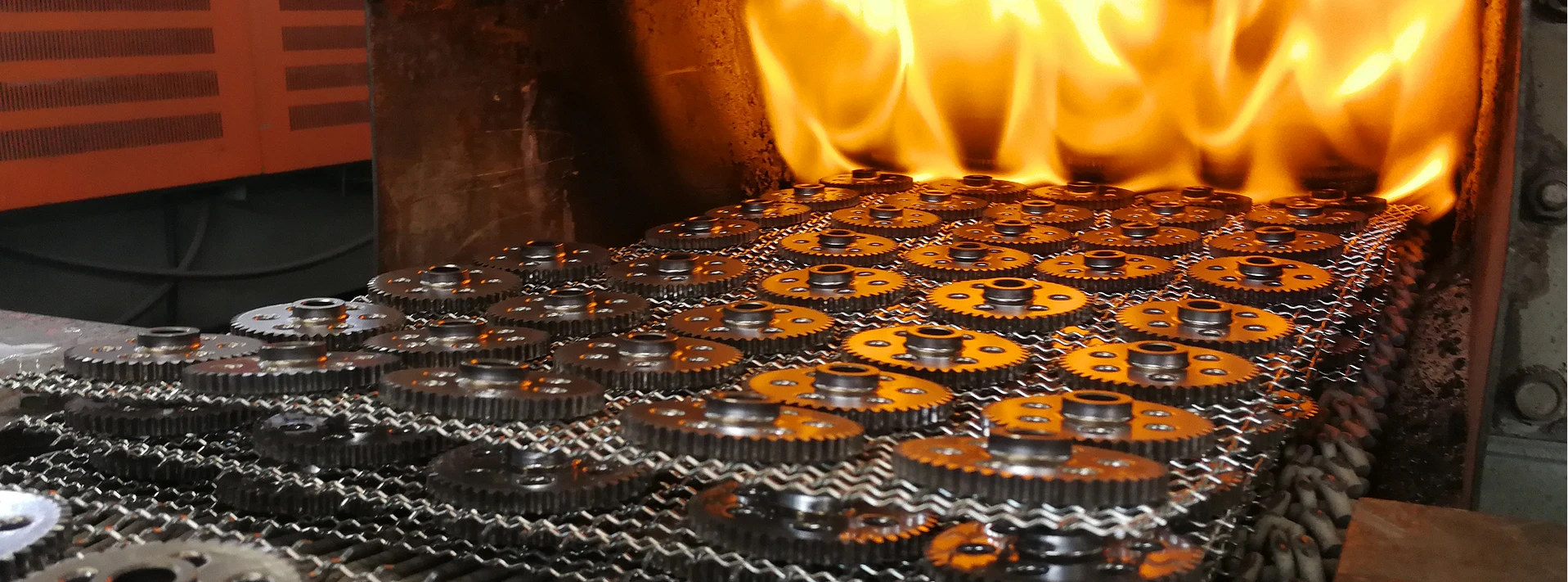
Shrink fits flip the press-fit idea on its head. Instead of pressing the gear onto a shaft, the gear is heated (expanded) to slip over the shaft, then allowed to cool and contract tightly. It’s a neat trick that guarantees tight assembly without applying huge pressing forces, which can be a lifesaver for delicate components.
5. Adhesive Bonding
While not as mechanically robust as metal fits, adhesive bonding is gaining traction, especially in equipment that demands noise reduction or vibration damping. It feels like a newer kid on the block but can really make a difference when used appropriately.
Common Gear Connection Product Specs
| Gear Connection Type | Typical Application | Torque Capacity | Ease of Assembly |
|---|---|---|---|
| Press-Fit | General industrial machinery | Medium | Moderate (requires press) |
| Keyed | Heavy-duty, high torque | High | Easy |
| Splined | Transmissions, automotive | Very High | Challenging (precision fit) |
| Shrink Fit | Sensitive assemblies | High | Moderate (heating required) |
| Adhesive Bonding | Noise-sensitive, low torque | Low to Medium | Easy |
Vendor Comparison: Choosing the Right Gear Connection Supplier
When selecting suppliers for gear connections, I’ve often seen decisions hinge on not just specs but also service, customization options, and quality control. Here’s a snapshot of how some leading vendors stack up in these criteria:
| Vendor | Customization | Lead Time | Quality Assurance | Customer Support |
|---|---|---|---|---|
| JSSintering | High; tailored specs | 2–4 weeks | ISO 9001 certified | 24/7 technical assistance |
| GearTech Co. | Medium; standard products | 1–3 weeks | Industry standard | Business hours only |
| Machina Parts | Low; off-the-shelf | 1 week | Basic checks | Ticket-based support |
One anecdote sticks with me: a client in heavy construction was struggling with loose keyed gears causing unexpected downtime. After switching suppliers to one offering precision machining and better material traceability — including adhesive bonding as a secondary lock — their maintenance visits dropped notably. It’s a reminder that beyond specs, collaboration and understanding the end-use case often unlock the best solutions.
In real terms, no single gear connection is perfect for every scenario; it always comes down to a mix of torque requirements, environmental conditions, assembly constraints, and cost. Frankly, it’s what makes this field interesting.
Before I let you go, I invite you to explore more about gear connections from reliable vendors like JSSintering, who have this blend of experience and innovation that I respect.
All said, a good gear connection feels like the quiet backbone of industrial reliability—you only notice it when it’s missing or goes wrong.
References:
1. ANSI/AGMA Standards on Gear Connections
2. ISO 9001 Quality Management Systems
3. Industry case studies on shaft-gear coupling techniques