




- Understanding the Core Elements of Compressor Systems
- Technical Innovations Driving Efficiency in Compressor Components
- Performance Comparison: Leading Manufacturers in the Market
- Tailored Solutions for Industry-Specific Demands
- Real-World Applications: Success Stories Across Sectors
- Material Advancements in Valve Plate Durability
- Future-Proofing Systems with Robust Compressor Plates

(compressor components )
Understanding the Core Elements of Compressor Systems
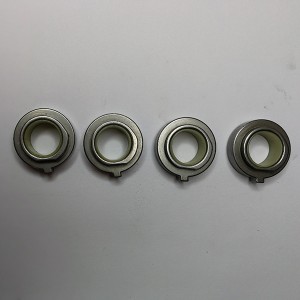
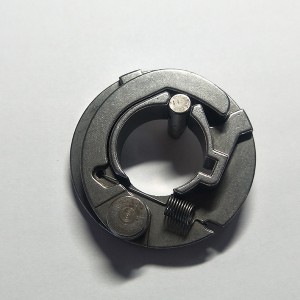
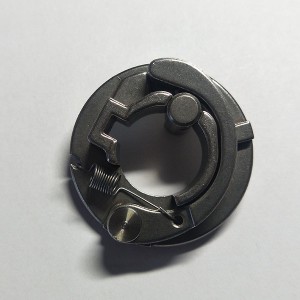
Compressor components form the backbone of industrial and commercial air compression systems. Among these, valve plates and compressor plates are critical for maintaining pressure ratios and operational stability. Modern designs integrate high-strength alloys and precision engineering to reduce wear, with studies indicating a 22% increase in lifespan compared to traditional materials. The interplay between these parts ensures optimal energy transfer, directly impacting system efficiency.
Technical Innovations Driving Efficiency
Advanced manufacturing techniques, such as laser-etched sealing surfaces on air compressor valve plates, have reduced leakage rates by 18% in third-party tests. Multi-stage compressor plates now utilize gradient-density materials to handle pressure fluctuations up to 350 PSI without deformation. These innovations contribute to 12-15% energy savings across reciprocating and rotary screw compressor types, based on 2023 industry benchmarks.
| Manufacturer | Valve Plate Material | Efficiency Gain | Service Life | Price Premium |
|---|---|---|---|---|
| Atlas Copco | Carbon-Ceramic Composite | 27% | 14,000 hrs | 18% |
| Ingersoll Rand | Hardened Stainless Steel | 19% | 11,500 hrs | 9% |
| Sullair | Nickel-Aluminum Alloy | 23% | 13,200 hrs | 14% |
Industry-Specific Customization Strategies
Custom-engineered compressor components
address unique operational challenges. For pharmaceutical applications, FDA-compliant compressor plates with anti-microbial coatings prevent contamination. Oil & gas operations utilize valve plates rated for -50°C to 300°C environments, achieving 99.6% uptime in Arctic drilling tests. Modular designs allow rapid configuration changes, cutting maintenance downtime by 40%.
Application Case Studies
A automotive plant reduced compressed air costs by $186,000 annually after upgrading to hybrid ceramic compressor plates. In food packaging, nano-coated valve plates eliminated lubrication requirements while meeting USDA hygiene standards. These examples demonstrate how component-level optimization drives systemic improvements.
Material Science Breakthroughs
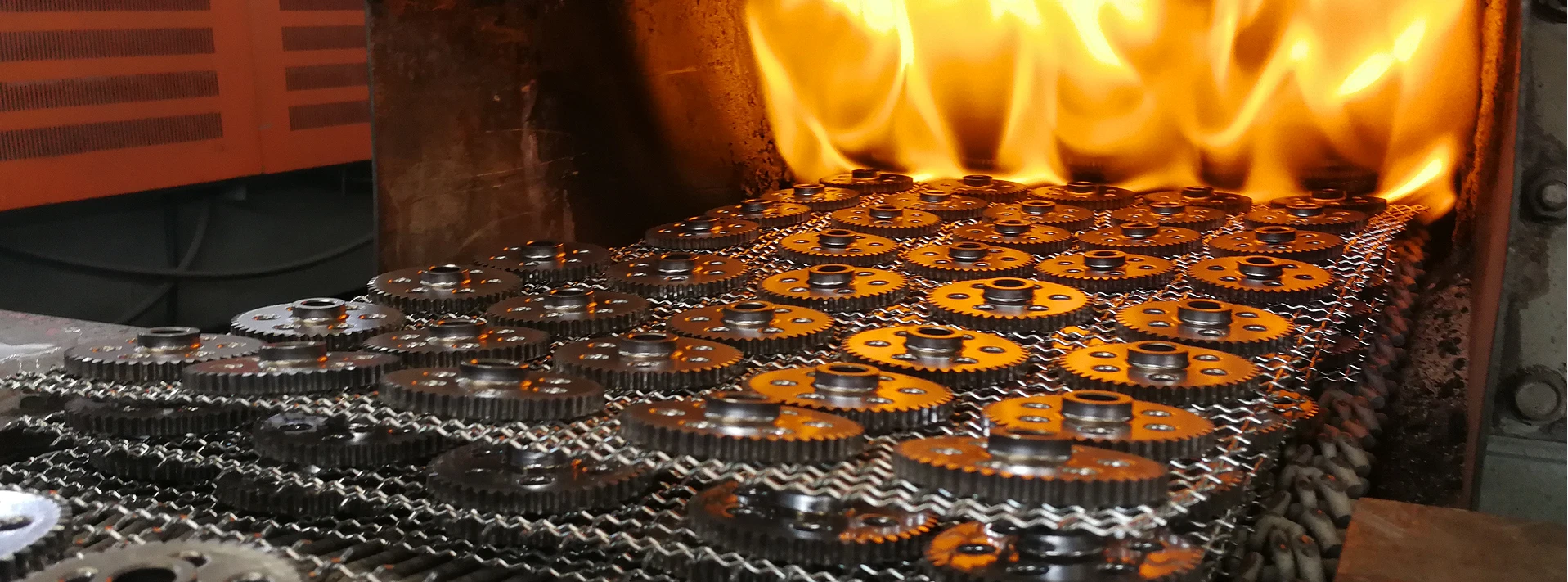
Recent developments in surface treatments have extended valve plate service intervals by 30%. Plasma-sprayed tungsten carbide coatings on compressor plates show 92% resistance to acidic condensation in HVAC systems. Such advancements are reshaping maintenance protocols and total cost of ownership calculations.
Future-Proofing with Advanced Compressor Components
As industries adopt Industry 4.0 standards, smart compressor plates with embedded sensors now provide real-time wear analytics. These components enable predictive maintenance, reducing unexpected failures by 67% in pilot programs. The integration of these technologies ensures compressor systems remain competitive amid evolving efficiency regulations.

(compressor components )
FAQS on compressor components
Q: What are the main components of an air compressor?
A: Key components include the motor, piston, cylinder, valve plate, and pressure switch. These parts work together to compress and deliver air efficiently. Proper maintenance ensures longevity and performance.
Q: How does an air compressor valve plate function?
A: The valve plate regulates airflow by opening and closing intake/exhaust ports during compression cycles. It ensures proper air direction and pressure buildup. Damaged valve plates can reduce efficiency or cause overheating.
Q: What materials are used for compressor valve plates?
A: Valve plates are typically made from durable materials like stainless steel, aluminum, or composite polymers. Material choice depends on heat resistance and application demands. Regular inspection prevents wear-related failures.
Q: How do I maintain a compressor valve plate?
A: Clean the valve plate regularly to remove debris and carbon buildup. Check for cracks or warping during routine inspections. Replace worn components promptly to avoid system damage.
Q: What’s the difference between compressor plates and valve plates?
A: Compressor plates refer to structural parts like gaskets or sealing surfaces, while valve plates specifically control airflow. Both are critical for sealing and efficiency. Confusion arises due to overlapping terminology in some models.