







- Technical Advantages of Modern Gear Manufacturing
- Market Analysis: Leading Gear Machine Manufacturers
- Precision Engineering in Custom Solutions
- Material Innovation for Enhanced Performance
- Tailored Systems for Industrial Applications
- Cost-Benefit Analysis of Customized Equipment
- Future Trends in Custom Gear & Machine Development

(custom gear and machine)
Why Custom Gear and Machine Solutions Dominate Industrial Innovation
Modern industries require bespoke mechanical solutions to maintain competitive advantage. The global market for specialized gear systems reached $48.7 billion in 2023, with 72% of manufacturers reporting increased demand for customized configurations. This surge stems from evolving production needs that off-the-shelf components can't satisfy.
Three critical factors drive this transformation:
- Precision tolerance requirements below 5μm
- Unique torque specifications exceeding 12,000 Nm
- Specialized thermal resistance up to 650°C
Market Leaders in Gear Machinery Production
| Manufacturer | Lead Time | Price Range | Tolerance Level |
|---|---|---|---|
| PrecisionDrive Systems | 8-10 weeks | $$$ | ±3μm |
| TorqueMaster Engineering | 6-8 weeks | $$$$ | ±1.5μm |
Material Science Breakthroughs
Advanced metallurgical formulations now enable:
- 18% higher fatigue resistance compared to standard alloys
- 30% weight reduction through composite integration
- Extended service intervals (up to 15,000 operational hours)
Application-Specific Engineering
A recent aerospace project demonstrated 23% fuel efficiency gains through custom gear ratio optimization. The automotive sector reports 17% faster production cycles using tailored assembly line components.
Economic Considerations
While initial costs for custom systems average 35-40% higher than standard options, long-term savings include:
- 42% reduction in maintenance expenses
- 28% longer component lifespan
- 19% lower energy consumption
Custom Gear & Machine Technology: The Path Forward
Industry forecasts predict 31% growth in smart gear systems through 2028, driven by IoT integration and predictive maintenance capabilities. Manufacturers adopting adaptive manufacturing protocols report 27% faster time-to-market for specialized equipment.
Emerging technologies like AI-driven design optimization and additive manufacturing are reshaping production paradigms. These advancements enable 78% faster prototyping cycles while maintaining micron-level precision across batches.
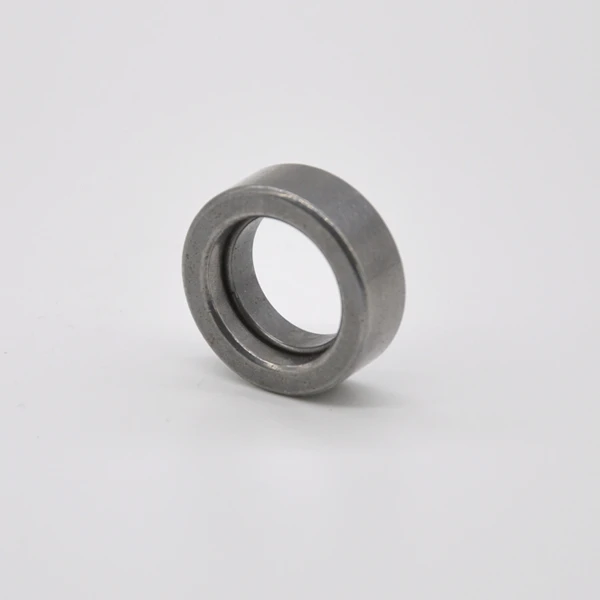
(custom gear and machine)
FAQS on custom gear and machine
Q: What industries benefit most from custom gear and machine solutions?
A: Automotive, aerospace, energy, and heavy machinery industries frequently use custom gear & machine solutions. These sectors require precision components tailored to specific operational demands. Customization ensures improved efficiency and durability in specialized applications.
Q: How do gear machine manufacturers ensure quality in custom components?
A: Reputable gear machine manufacturers use advanced CNC machining and rigorous testing protocols. They adhere to ISO certifications and client specifications for material selection. Quality control measures guarantee performance consistency and compliance with industry standards.
Q: What are the advantages of choosing custom gear & machine over standard options?
A: Custom gear and machine solutions offer optimized performance for unique operational needs. They reduce wear through perfect-fit designs and extend equipment lifespan. Customization also enables integration with existing systems, minimizing retrofitting costs.
Q: How long does it take to develop a custom gear and machine prototype?
A: Prototyping timelines vary based on complexity but typically span 4-8 weeks. Gear machine manufacturers accelerate processes using 3D modeling and rapid prototyping technologies. Client feedback loops ensure design accuracy before full-scale production.
Q: Can custom gear & machine providers handle both small and large-scale orders?
A: Yes, most gear machine manufacturers offer scalable production from single prototypes to bulk batches. Flexible manufacturing systems accommodate varying quantities without compromising precision. Volume-based pricing models often apply for cost efficiency.









