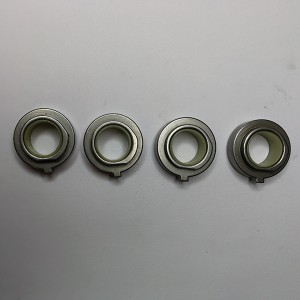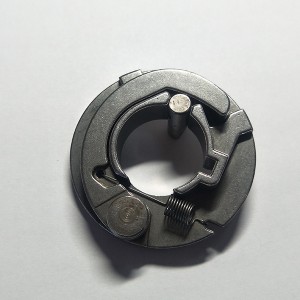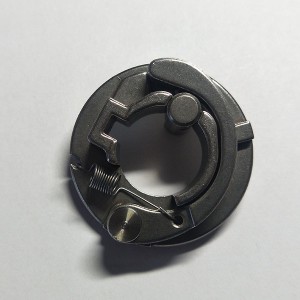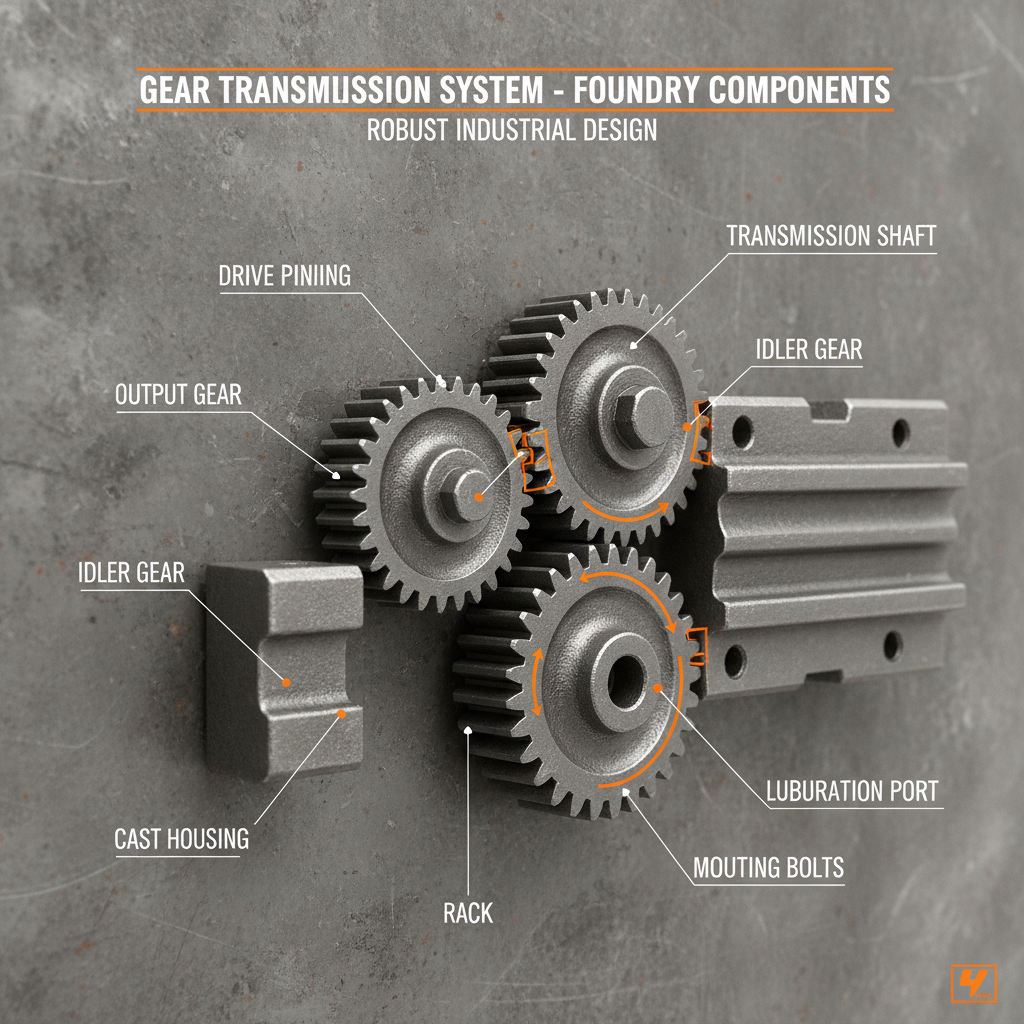





- Introduction to Sintered Parts Manufacturing
- Technological Advantages of Powder Metallurgy in Gear Production
- Material Innovations for High-Performance Gears
- Comparative Analysis of Leading Manufacturing Providers
- Custom Solutions for Industry-Specific Requirements
- Real-World Applications and Performance Metrics
- Future Trends in Sintered Component Manufacturing
(methods of manufacturing sintered parts)
Methods of Manufacturing Sintered Parts: A Modern Industrial Perspective
Sintered parts manufacturing has revolutionized precision engineering, particularly in automotive and industrial sectors. This process enables 95-98% material utilization, significantly reducing waste compared to traditional machining. The global powder metallurgy market, valued at $8.3 billion in 2022, is projected to grow at 6.4% CAGR through 2030, driven by demand for complex gear components in electric vehicles and automation systems.
Precision Engineering Through Powder Metallurgy
Modern powder metallurgy gear manufacturing achieves tolerances within ±0.05mm, surpassing conventional hobbing methods. Key process stages include:
- Atomized metal powder blending (particle sizes 20-150μm)
- Isostatic compaction at 400-700 MPa
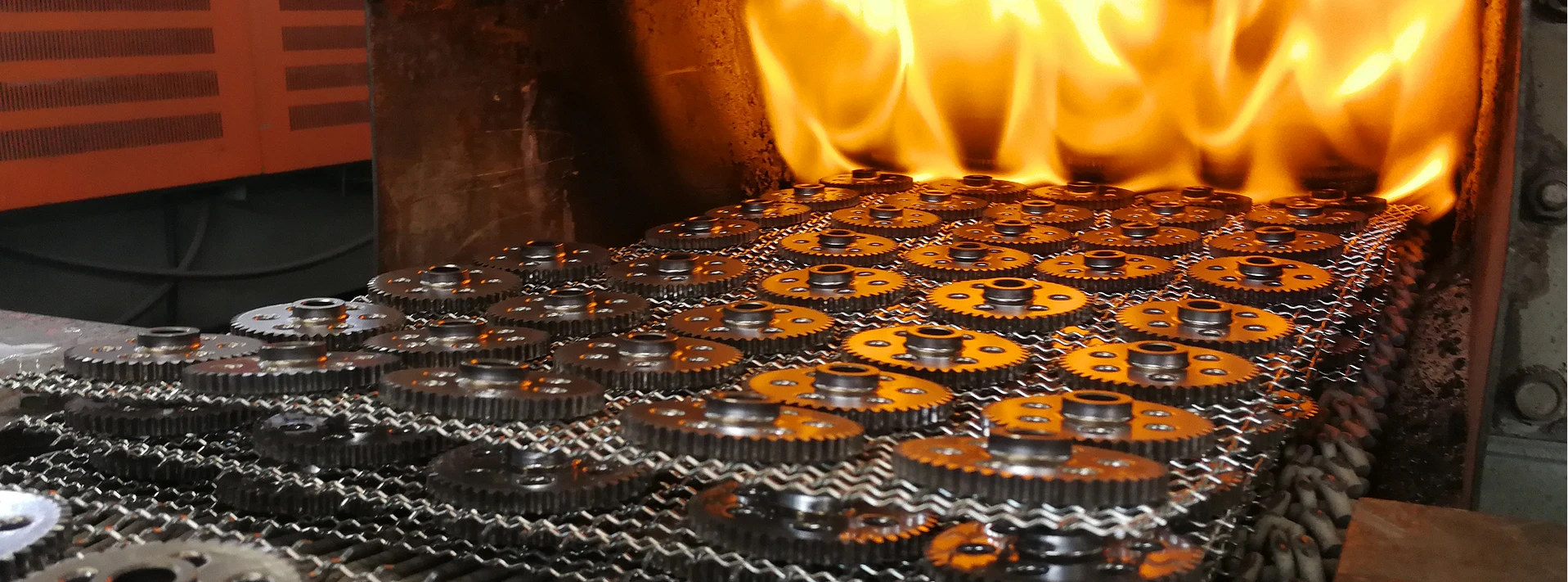
- Sintering at 75-90% of melting temperature
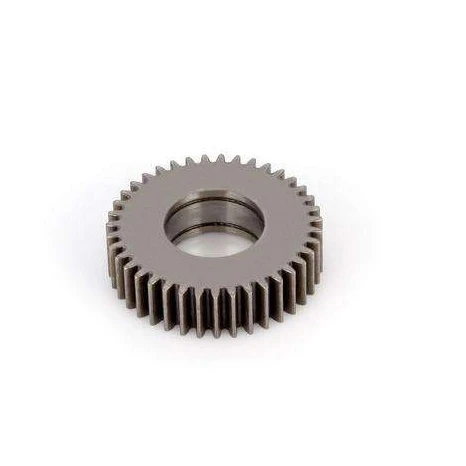
This method reduces energy consumption by 38% compared to die casting while enabling net-shape production of helical and spur gears with densities exceeding 7.2 g/cm³.
Advanced Materials for Demanding Applications
Recent developments in gear manufacturing materials include:
| Material | Density (g/cm³) | Hardness (HRB) | Cost Index |
|---|---|---|---|
| FLN4-4405 | 7.4 | 85 | 1.2 |
| Distaloy AE | 7.1 | 78 | 1.0 |
| Chromium-Moly | 7.6 | 92 | 1.5 |
Manufacturer Capability Comparison
| Provider | Max Part Size (mm) | Production Rate (pcs/hr) | Dimensional Accuracy |
|---|---|---|---|
| GKN Sinter Metals | Ø150 | 2,400 | ISO 2768-f |
| Sumitomo Electric | Ø200 | 1,800 | DIN 69871 |
| Hitachi Chemical | Ø120 | 3,200 | JIS B 0401 |
Customization Strategies for Specific Industries
Leading manufacturers now offer modular production systems capable of switching between:
- 15+ material combinations
- 8 surface treatment options
- 5 different porosity levels
This flexibility reduces tooling changeover time by 65% while maintaining zero defect rates in medical device applications requiring ISO 13485 compliance.
Performance Validation Through Case Studies
A recent automotive transmission project demonstrated:
- 27% weight reduction vs. forged gears
- 1.8 million cycle durability at 300 Nm torque
- 0.12% scrap rate during mass production
Medical robotics applications show even greater benefits, with sintered titanium components achieving 99.97% density and 28% cost savings over CNC machining.
Innovative Methods of Manufacturing Sintered Parts
Emerging technologies like field-assisted sintering (FAST) enable 85% faster cycle times while achieving grain structures 40% finer than conventional methods. Combined with AI-driven quality monitoring systems, these advances position powder metallurgy as the primary solution for Industry 4.0 gear manufacturing requirements.
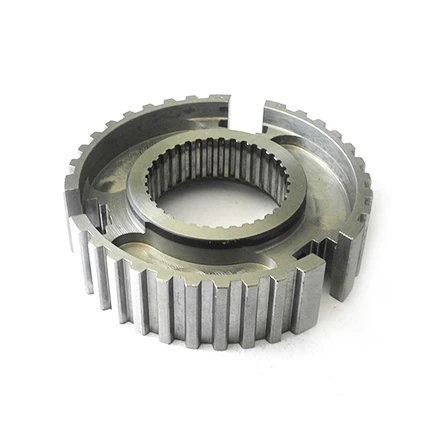
(methods of manufacturing sintered parts)