






The Rising Importance of Custom Gears in Today's Industry
If you've ever marveled at the smooth movement inside a piece of machinery or a vehicle, chances are custom gears are playing a starring role. They are the unsung heroes behind much of modern mechanical power transmission — practically the heartbeat of machines big and small. Globally, the demand for custom gears is surging as industries seek to optimize efficiency, durability, and design compatibility. Around the world, from automotive factories in Germany to wind turbine production in Denmark, the call for tailored gearing solutions is both a technical necessity and a strategic advantage.
Understanding custom gears, therefore, isn't just geek-speak; it’s actually critical for industries pushing toward smarter manufacturing and sustainable growth. Put simply, these precision parts help machines work better, last longer, and handle tougher tasks — which is why everyone from engineers to factory owners pays close attention to their specs.
The Global Context: Why Custom Gears Matter More Than Ever
Worldwide, industrial growth is projected to increase by roughly 3% annually, according to the World Bank. This growth means more machines, more automation, and more complex mechanical demands. At the same time, ISO standards on gear design and manufacturing are pushing companies toward more precise, quality-driven processes.
But here’s the kicker: off-the-shelf gears often just don’t cut it. Machines need gears that match their exact specifications — size, tooth profile, materials — and this is where custom gears come in. They solve critical problems such as noise reduction, energy loss, and premature wear, which cost industries billions each year. In sectors like aerospace or renewable energy, the wrong gear can literally mean failure — and those stakes are global.
What Exactly Are Custom Gears?
In essence, a custom gear is any gear that has been designed and manufactured specifically to meet the unique requirements of an individual application, rather than a generic, mass-produced part. Think of it like a tailored suit versus one off the rack. Custom gears range from spur gears, helical gears, bevel, worm, to planetary types — and they’re made using a variety of advanced materials like hardened steel, composites, or even ceramics depending on need.
Today, they’re crucial in industries where precision, power transmission efficiency, and reliability intersect: robotics, automotive transmission systems, medical devices, and even humanitarian machinery like water pumps in disaster zones. The adaptability offered by custom gears makes them linchpins for innovation in manufacturing and beyond.
Key Elements That Define Custom Gears
1. Durability and Material Selection
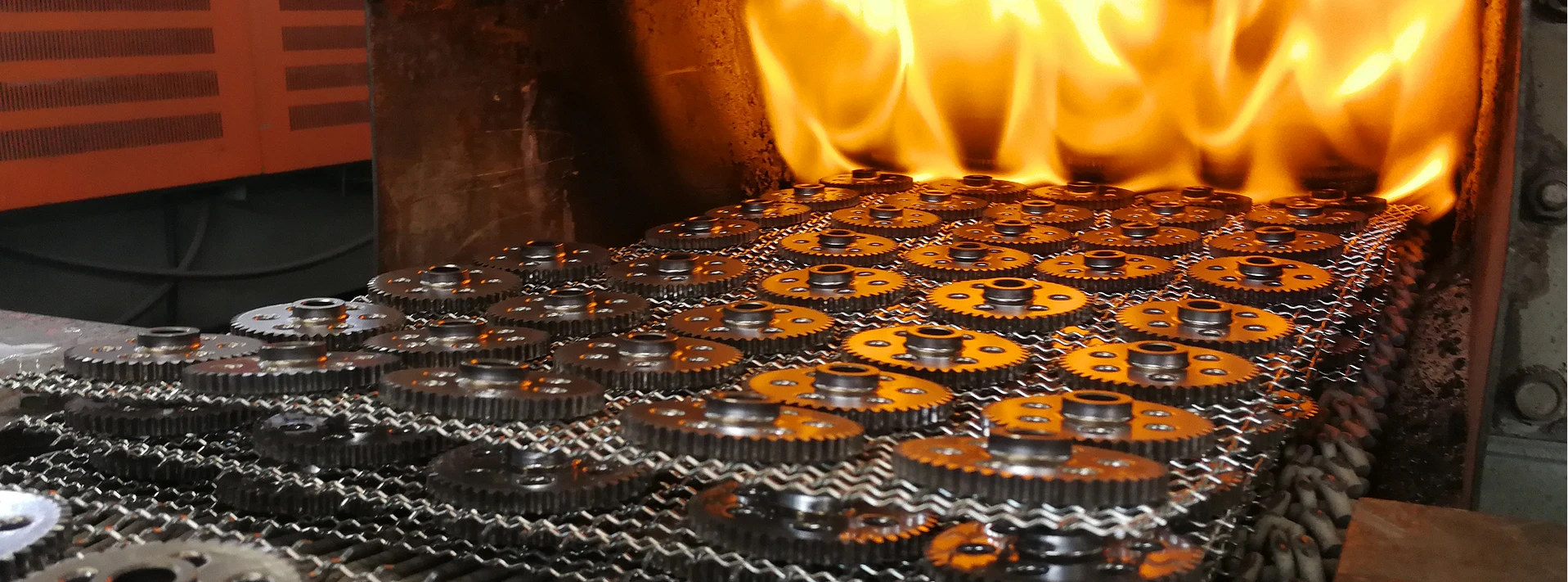
Custom gears often outlast their standard counterparts thanks to choice of materials (for example, alloy steels with surface treatments that resist wear) and heat treatments that reduce fatigue. This means less downtime and lower maintenance costs – a real boon in heavy industries.
2. Precision and Tooth Geometry
Gear efficiency hinges on perfectly crafted tooth profiles. Custom manufacturing allows for optimized geometries that reduce friction and noise, improving mechanical output and smoothness. Designers use CAD (Computer-Aided Design) to get every curve right.
3. Scalability and Volume Flexibility
Whether you need 10 pieces or 10,000 pieces, custom gears can be adjusted for production scale. It’s not just about size — the manufacturing process changes depending on batch size, deadline, and budget.
4. Cost Efficiency Through Optimization
Though initially pricier than stock gears, the long-term savings from reduced failure, improved efficiency, and longer lifespan generally tip the scales in custom gears’ favor. Many engineers report that total cost of ownership decreases when using tailored components.
5. Compatibility and Integration
Custom gears fit unique machine configurations and special applications where “off-the-shelf” just won’t. For example, machines operating in extreme temperatures or corrosive environments can benefit hugely from tailored designs and materials.
Mini takeaway: Custom gears’ strength lies in their adaptability — marrying design, durability, and cost efficiency in a way mass production simply can’t match.
Where Are Custom Gears Making a Difference Worldwide?
Practical use cases for custom gears stretch from automotive assembly lines in North America to energy harvesting windmills in Europe, and from agricultural machinery in Australia to robotics labs in Asia.
- In disaster relief operations, custom gears are embedded inside portable water pumps and emergency power generators, designed for rapid deployment and harsh conditions.
- In medical devices, bespoke gearing mechanisms allow for precise, controlled movements — vital for surgical robots or prosthetics.
- In renewable energy sectors, wind turbines utilize custom gears optimized for noise reduction and heavy load endurance under shifting wind conditions.
- Automotive manufacturers incorporate custom gears to balance performance and fuel efficiency, tailoring transmissions to new hybrid technologies.
It’s fascinating how these tiny mechanical components fuel huge systems across such diverse fields, proving again that good design matters, no matter the scale.
Advantages and Lasting Value of Custom Gears
It might sound like a sales pitch, but engineers repeatedly confirm the strong benefits of custom gears, which include:
- Enhanced Reliability: Less failure means safer operations and peace of mind.
- Lower Operating Costs: Reduced energy consumption and maintenance.
- Improved Sustainability: Longer service life cuts down waste and resource use, supporting greener industrial practices.
- Innovation Enabler: Making new designs feasible that off-the-shelf parts would never allow.
- Social Impact: Tailored gears in humanitarian machines contribute indirectly to improved living standards.
Of course, the emotional satisfaction of creating something “just right” for a problem adds to the appeal. It’s about more than just metal parts — it’s trust and innovation rolled into one.
Looking Ahead: Future Trends in Custom Gear Manufacturing
The future is bright — and a little wild. Emerging technologies such as additive manufacturing (3D printing) are revolutionizing how custom gears are prototyped and produced. I’ve noticed many gearmakers experimenting with lightweight composite materials that maintain strength while reducing weight, which is critical for things like drones or electric vehicles.
Digital transformation also plays a big part: AI-assisted design tools help optimize tooth profiles and material choice for specific applications automatically. And then there’s a push for greener production methods, reusable materials, and energy-efficient manufacturing processes aligned with global sustainability goals.
Challenges and How The Industry Tackles Them
Custom gears’ main hurdles tend to be longer lead times and higher upfront costs. But savvy manufacturers mitigate these by:
- Streamlining CAD/CAM workflows for faster design cycles.
- Using simulation tools to reduce physical prototyping needs.
- Partnering with vendors who specialize in rapid precision machining.
Frankly, the biggest challenge is convincing clients to look beyond cheap parts and focus on total lifecycle value — but awareness is growing.
Product Specification Table: Example Custom Gears
| Specification | Spur Gear A | Helical Gear B | Bevel Gear C |
|---|---|---|---|
| Material | Hardened Steel 8620 | Alloy Steel 4140 | Stainless Steel 17-4PH |
| Tooth Count | 48 | 36 | 52 |
| Pitch Diameter | 120 mm | 150 mm | 90 mm |
| Module | 2.5 | 4.0 | 1.75 |
| Finish | Grinding, Heat-treated | Polished | Shot Peened |
Vendor Comparison: Tailoring Your Custom Gear Solutions
| Vendor | Lead Time | Minimum Order Qty | Certifications | Specialty |
|---|---|---|---|---|
| GearWorks Inc. | 3 weeks | 50 pcs | ISO 9001, ISO 14001 | Steel Gears, High Precision |
| Precision Gear Masters | 6 weeks | 10 pcs | AS9100, ISO 9001 | Aerospace, Complex Geometries |
| EcoGear Solutions | 4 weeks | 100 pcs | ISO 14001, RoHS Compliant | Green Materials and Processes |
Frequently Asked Questions About Custom Gears
Q1: How do I decide whether to use custom gears or standard ones?
Choosing custom gears depends on your specific application needs. If your machine requires unique dimensions, specialized materials, enhanced durability, or noise reduction, customized solutions make sense. For simple, low-stress applications, standard gears might suffice. But when performance or longevity is critical, custom gears often provide better value.
Q2: What materials are best for custom gears used in harsh environments?
Materials like alloy hardened steels (e.g., 4140, 8620), stainless steels, and composites designed for corrosion and temperature resistance work best. Surface treatments such as nitriding, carburizing, or shot peening can further enhance wear resistance, ensuring longer gear life even under extreme conditions.
Q3: Can custom gears improve energy efficiency in machinery?
Absolutely. Optimized gear tooth design and fit reduce friction losses. This means less wasted energy during operation. Over time, these efficiency gains translate into lower power consumption and reduced operational costs — a win-win for manufacturers.
Q4: How long does it typically take to get custom gears manufactured?
Lead times vary depending on complexity and quantity but typically range from 3 to 6 weeks. Using advanced CAD/CAM and rapid prototyping can shorten development cycles, but if you have urgent needs, it’s always good to discuss timelines upfront with suppliers.
Q5: Are there environmental benefits to using custom gears?
Yes, longer-lasting gears mean fewer replacements, reducing waste. Some manufacturers also use eco-friendly materials and green production methods to lower environmental impact. Overall, custom gears can support sustainable industrial practices by optimizing resource use.
Wrapping It Up
Custom gears might not be the flashiest topic, but their impact is huge — quietly turning the wheels of progress in nearly every modern industry. They combine engineering finesse, material science, and practical design to create parts tailored for purpose. Whether you’re an OEM looking to boost machine reliability or an innovator aiming to build something new, custom gears offer long-term benefits that pay off in efficiency, sustainability, and performance.
Want to see what precision manufacturing looks like in action? Take a closer look at custom gears and discover options tailored just for you!









