




Why Motor Gear Matters in Today's World
If you’ve ever marveled at the quiet hum of a conveyor belt in a factory, or wondered how heavy industrial machines transfer power so precisely, you’ve probably brushed against the unseen workings of motor gear systems. These mechanical marvels are quietly foundational to manufacturing, transportation, and even humanitarian efforts — powering machines that build our cars, package our food, or lift supplies after disasters.
Globally, motor gear systems underpin a vast range of industries. According to the International Organization for Standardization (ISO), mechanical power transmission accounts for a hefty slice of the manufacturing sector’s efficiency improvements yearly. Indeed, understanding motor gear technology isn’t just for engineers — it’s key to grasping how the machinery shaping our daily lives is evolving.
Mini takeaway: motor gear might sound technical, but it’s everywhere — a global backbone for industry and aid alike.
Global Context: The Growing Role of Motor Gears
In 2023, the World Bank reported that manufacturing industries represent roughly 16% of the global GDP, with many sectors depending heavily on motor gear-driven machinery. As automation and mechanization surge worldwide, especially across emerging markets in Asia and Africa, the demand for reliable, efficient motor gears skyrockets.
At the same time, challenges persist — from equipment downtime due to gear failure, to supply chain disruptions delaying replacement parts. Motor gears directly impact productivity, energy efficiency, and safety, making their performance critical in everything from rural water pumps to urban transit systems.
It's not just factories — humanitarian operations increasingly rely on motor gear power for quick deployment of essentials, like mobile water filtration or lightweight transport systems after natural disasters.
Mini takeaway: motor gear failure isn’t just inconvenient — it can delay aid or halt essential services.
What Exactly Is a Motor Gear?
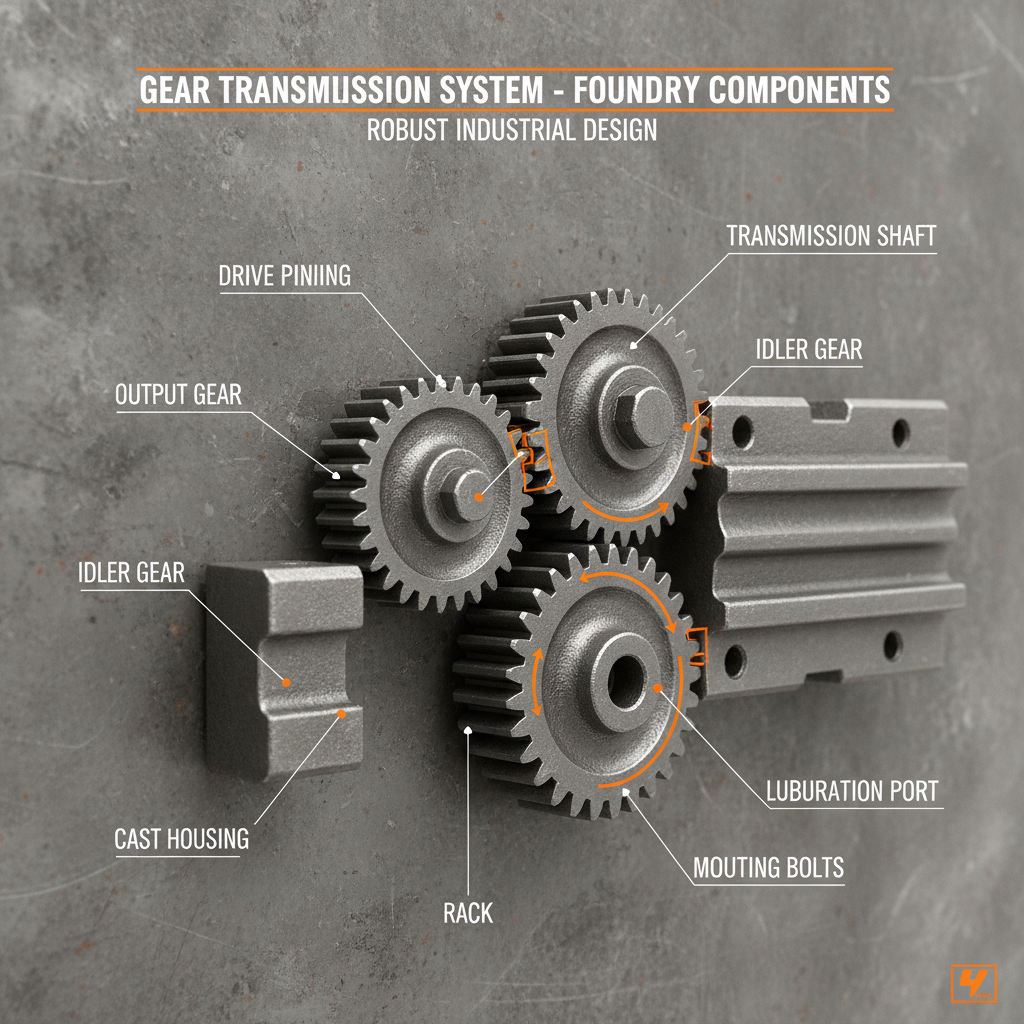
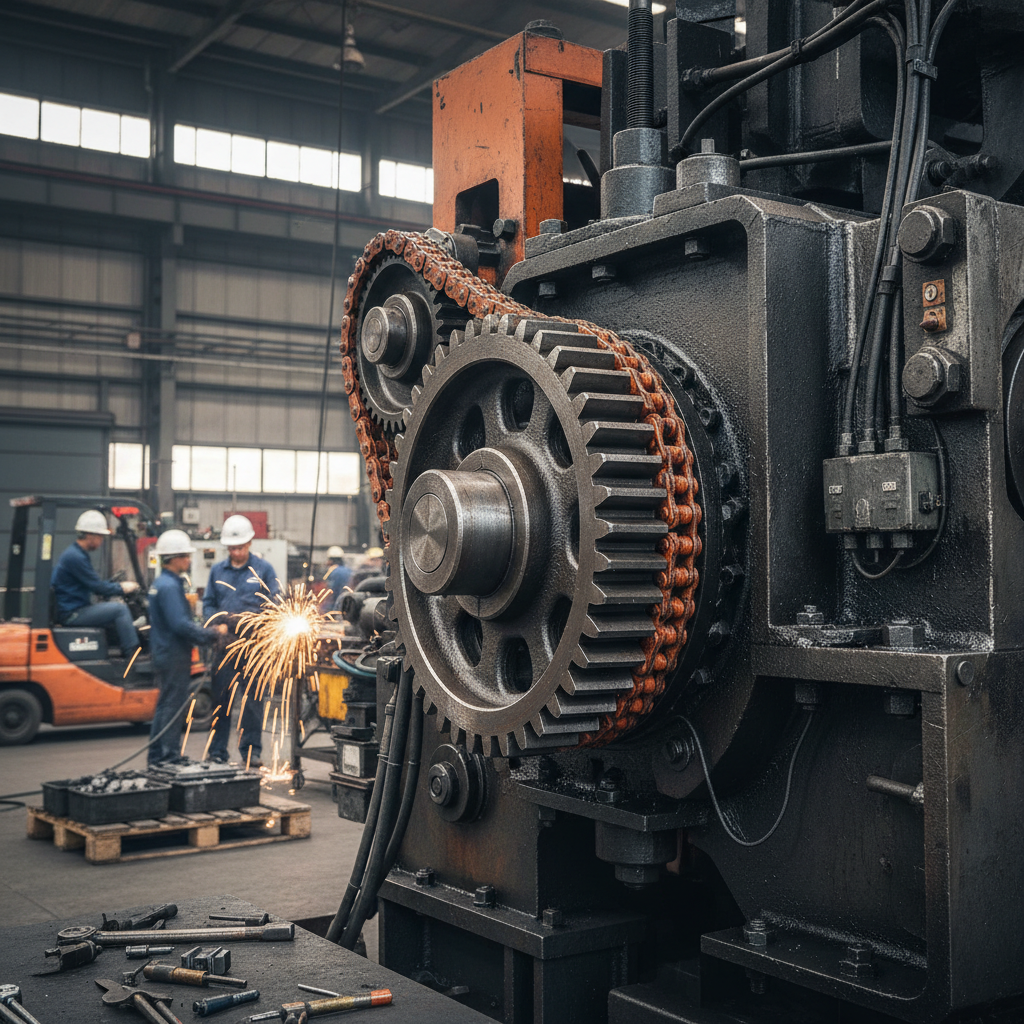
Simply put, a motor gear is a wheel with teeth that mesh with another gear to transfer torque and rotational speed from a motor to a mechanical system. It changes the direction, speed, and force of motion according to need — whether that’s spinning a conveyor belt slowly but powerfully, or accelerating a robotic arm with precision.
In practical terms, gears translate the motor’s raw energy into usable mechanical force. They can be part of gearboxes, reducers, or complex powertrains, connecting electrical motors to machinery in factories, vehicles, or infrastructure equipment.
Motor gears bridge the gap between energy generation and practical, physical work — a simple concept underpinning vast industrial and humanitarian operations that keep economies and communities moving.
Key Factors When Considering Motor Gear Systems
Durability and Material Composition
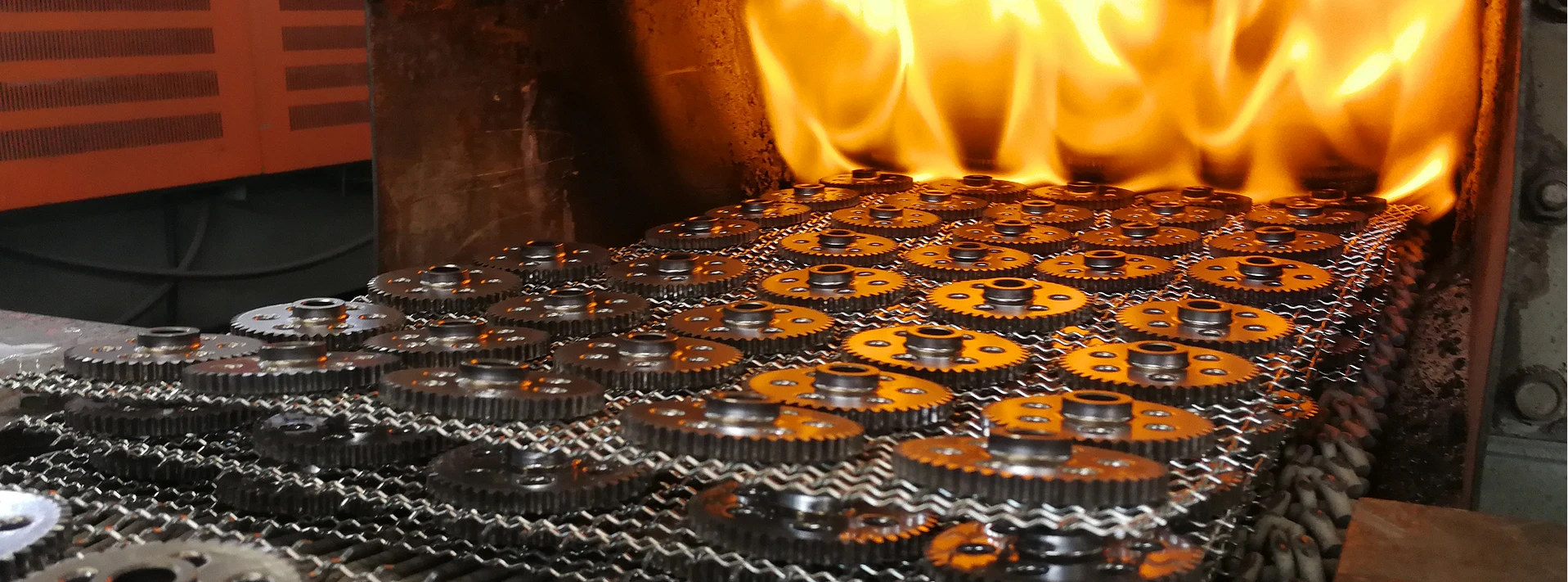
Most motor gears must withstand enormous stress, often made from hardened steel or composite materials. Engineers balance hardness with toughness — making gears resistant to wear yet able to absorb shocks. For example, stainless steel gears excel in corrosive environments like wastewater treatment plants.
Precision and Efficiency
Gear tooth design heavily influences efficiency. The better the tooth meshing, the less energy lost as heat or vibration. This precision reduces operational costs and extends machinery lifespan — crucial for high-speed assembly lines.
Scalability and Customization
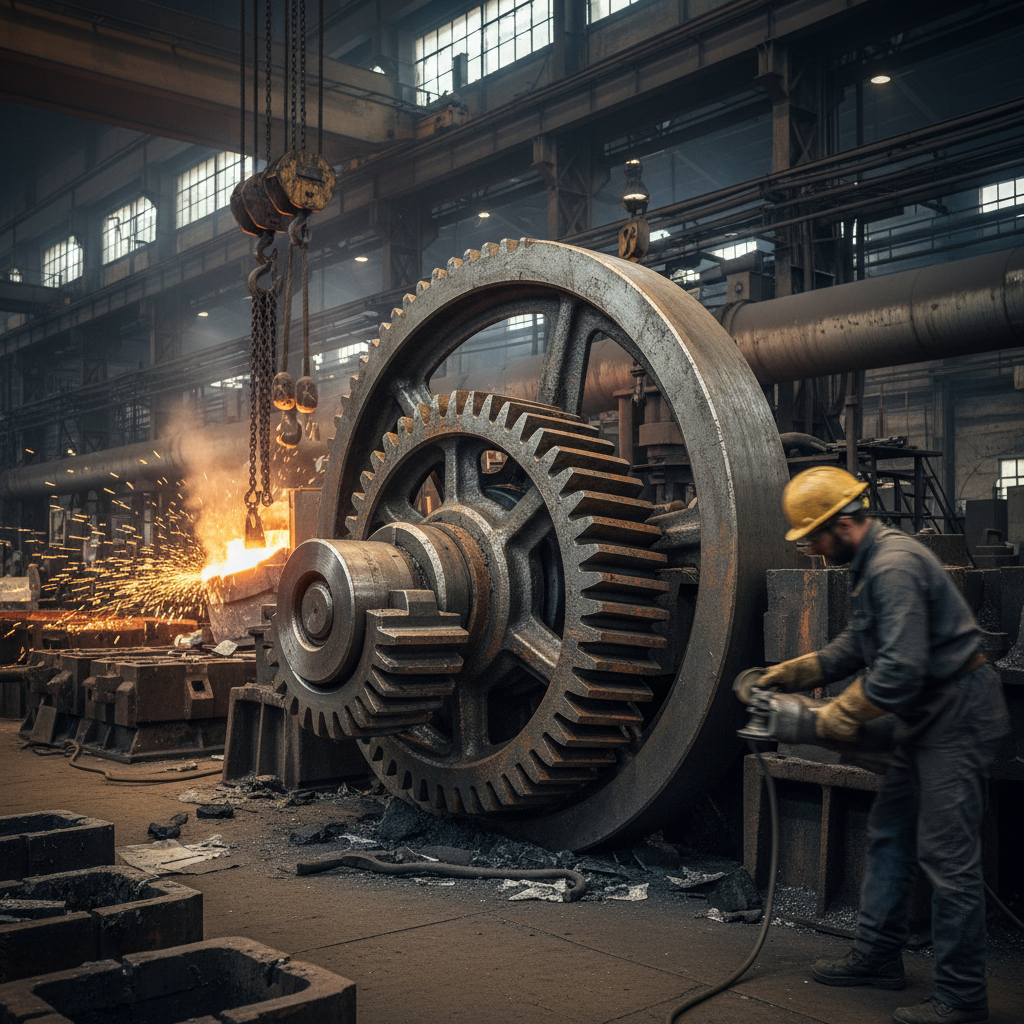
From tiny gears in micro-motors for medical devices to massive gears turning wind turbines, size and customization matter. Manufacturers offer modular motor gear systems tailored for specific torque and speed demands, enabling flexible application across sectors.
Cost Efficiency and Maintenance
Operational budgets demand gear systems that last without constant repair or replacement. Innovations like self-lubricating bushings and condition-monitoring sensors help lower downtime and maintenance expenses.
Environmental Compatibility
Increasingly, motor gears come with eco-conscious designs — reduced waste machining, recyclable materials, and coatings that minimize friction for lower energy use, supporting global sustainability goals.
Mini takeaway: the right motor gear involves balancing durability, efficiency, cost, and environmental factors.
Where Are Motor Gears Making a Difference?
Across continents and industries, motor gear systems play diverse roles:
- Manufacturing: Automotive plants in Germany depend on precise motor gear assemblies to automate production.
- Agriculture: In remote African farming zones, rugged motor gears help run irrigation systems with less manual labor.
- Disaster Relief: After flooding events in Southeast Asia, portable water pumps powered by motor gear technology enable vital clean water supply.
- Renewable Energy: Wind turbines use large gearboxes to convert blade rotation into electrical energy efficiently.
Each scenario highlights how motor gears aren’t just technical parts but enablers of development, safety, and sustainability worldwide.
Advantages and Long-Term Benefits
Reliability tops the list—industries rely on motor gears to keep processes running smoothly, avoiding costly downtime. The durability means fewer replacements, contributing to sustainability by reducing waste. Emotionally, it builds trust for operators who know their equipment won’t falter unexpectedly.
Cost-efficiency also shines, with improved gear designs lowering energy consumption, which in turn softens environmental impact. In humanitarian and industrial settings alike, these benefits combine to save lives, improve working conditions, and support innovation.
Looking Ahead: Trends & Innovations in Motor Gear Technology
Future motor gear developments are exciting. Engineers explore lightweight, high-strength materials like carbon composites, aiming to reduce gear weight without sacrificing durability. Digital twins and IoT sensors enable real-time gear condition monitoring, predicting failures before they happen.
Advances in 3D printing promise quicker prototyping and customized gears made on-demand, cutting lead times drastically. And of course, as the push for green energy grows, motor gears will be crucial in electric vehicle drivetrains and renewable power generation.
Common Challenges & Ways Forward
Despite progress, motor gears face challenges: wear from dust or debris; noise pollution in factories; and supply chain constraints affecting parts availability. Solutions include better sealing methods, noise-reducing tooth profiles, and locally sourced production to avoid delays.
Moreover, educating end-users on proper maintenance and monitoring can extend gear life immensely—something many service teams emphasize but isn't always front of mind.
Frequently Asked Questions About Motor Gear
- What factors determine the lifespan of a motor gear?
- The lifespan depends on material quality, operating conditions, lubrication practices, and load stresses. Proper maintenance and monitoring can often double the expected service life.
- Can motor gears be customized for unusual industrial applications?
- Absolutely. Manufacturers often offer tailored gear profiles, sizes, and materials to fit specific torque or environmental requirements, from high heat to corrosion resistance.
- How do motor gears contribute to energy efficiency?
- Efficient gear design minimizes mechanical losses such as friction and backlash, reducing energy consumption and heat generation, thus making systems more sustainable and cost-effective.
- Are there eco-friendly motor gear options available?
- Yes, many vendors now use recyclable materials, advanced coatings to reduce friction, and manufacturing processes that minimize waste, aligning with sustainable industrial practices.
Product Specification Table: Typical Motor Gear for Industrial Use
| Specification | Details |
|---|---|
| Material | Hardened Alloy Steel |
| Module (Gear size) | 2.5 mm |
| Torque Capacity | Up to 800 Nm |
| Operating Temperature | -40°C to 120°C |
| Noise Level | 60 dB (typical) |
| Lubrication | Oil Bath / Grease |
Vendor Comparison: Top Motor Gear Manufacturers
| Feature | GearPro Inc. | MotionMasters Ltd. | JSS Sintering Co. |
|---|---|---|---|
| Customization Options | High | Medium | High |
| Price Range | $$$ | $$ | $$$ |
| Sustainability Efforts | Certified Green Manufacturing | Limited | Advanced Material Recycling |
| Lead Time | 4-6 Weeks | 2-3 Weeks | 3-5 Weeks |
| Availability of After-Sales Support | 24/7 Global Support | Business Hours Only | 24/7 Regional Support |
Wrapping It Up: Why Motor Gears Still Turn the World's Wheels
So, what’s the takeaway here? Motor gear systems are more than just mechanical components—they’re enablers of progress, resilience, and sustainability. From powering heavy industry to helping rebuild in disaster zones, their impact is broad and quietly profound.
As technology advances, these gears will evolve—lighter, smarter, greener—but their core role remains unchanged: turning raw motor energy into the work that moves societies forward. For practical insights and trusted supply, feel free to explore more details on motor gear solutions tailored to your needs.
Thanks for sticking with me through this spin around the world of motor gear — a topic that’s mechanical on the surface, but truly human at its heart.