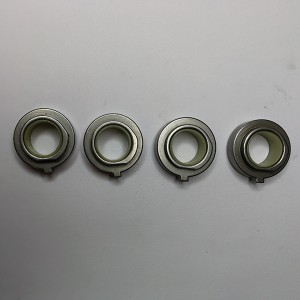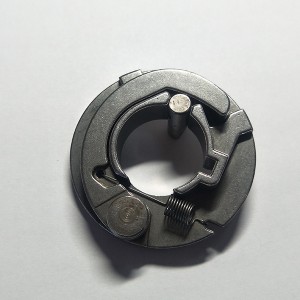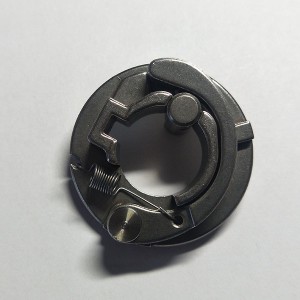





Oil Pump Rotor–Stator in Iron-Based PM: Notes from the Shop Floor
I spent a brisk afternoon at Tianshan International Manufacturing Industry Park, No. 57, Yuanshi, Shijiazhuang, Hebei, China—where Jingshi runs a serious powder metallurgy line. If you’re eyeing powdered metal for oil pump rotor–stators, you’re in the right place. These parts do the quiet, relentless work of moving oil every second your engine’s alive. And they’re getting better, honestly faster than many realize.
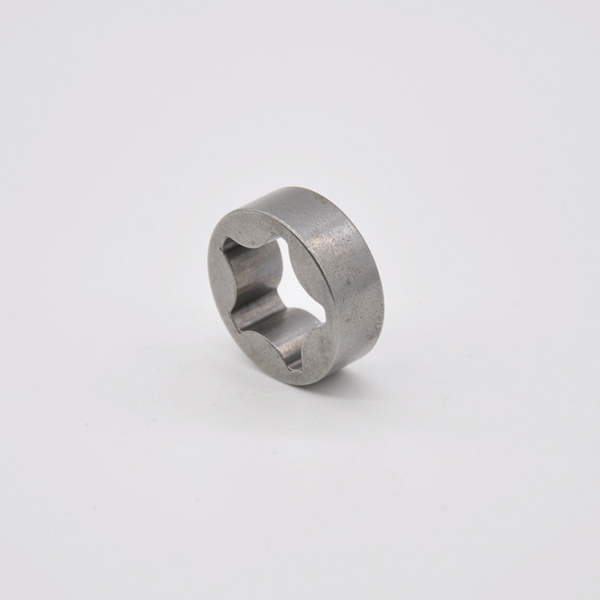
What’s inside the part?
Iron-based PM grades (F/FC/FN per MPIF 35) with optional copper or nickel for toughness, steam oxidation for wear and corrosion. OEM teams tell me the pores act like tiny oil reservoirs—helpful for scuff resistance—while finish machining dials in the final profile. It seems that’s why NVH can improve a touch compared to some machined alternatives.
Process flow (real plant version)
- Powder selection: MPIF 35 F/FC/FN per spec; blend and lube control.
- Compaction: ≈400–800 MPa in multi-cavity tools; weight 1 g–1.5 kg.
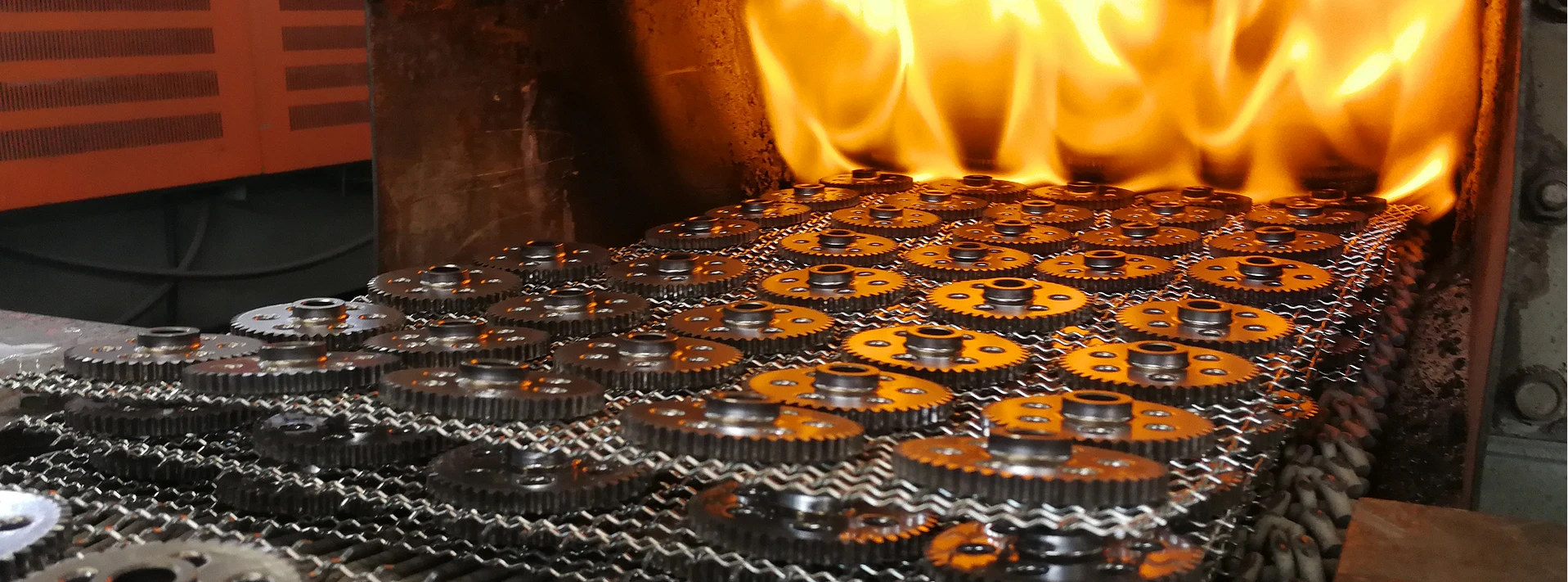
- Sintering: ~1120–1150°C, protective atmosphere (N2-H2/endogas), 15–30 min.
- Secondary ops: sizing, reaming, deburring; optional sinter-hardening or quench & temper.
- Surface: steam oxidation (popular for oil pumps) and light grind if needed.
- Testing: hardness per ASTM E18/ISO 6508-1; tensile per ISO 6892-1; density per MPIF standards; dimensional CMM with Cp/Cpk on critical IDs/ODs.
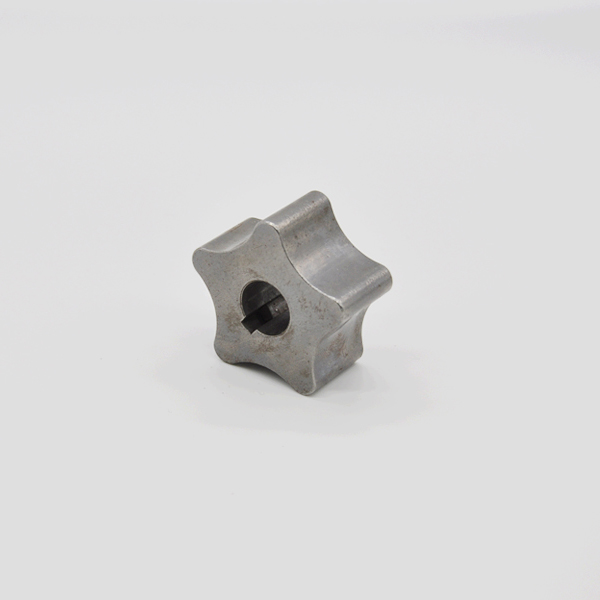
Product snapshot
| Brand | Jingshi |
| Material standard | SMF Series; F/FC/FN (MPIF 35); DIN 30910; JIS Z2550 |
| Density | 6.4–7.1 g/cm³ (≈82–90% of wrought Fe; real-world use may vary) |
| Hardness | 45–79 HRA |
| Tensile / Yield | Up to 1250 MPa / up to 700 MPa (grade-dependent) |
| Weight range | 1 g – 1.5 kg |
| Tech | Powder Metallurgy + finish machining |
| Surface finish | Steam oxidation; optional grinding |
| Certificates | ISO 9001; IATF 16949 (formerly TS 16949) |
| Supply ability | ≈1,000,000 pcs/month |
| Origin | TIANSHAN INT’L MFG IND. PARK, No.57, Yuanshi, Shijiazhuang, Hebei, China |
Where it’s used
Automotive oil pumps (ICE and hybrids), small engines, agricultural hydraulics, marine auxiliaries. Designed life typically 150,000 km+ or 8,000–10,000 operating hours with proper oil and cleanliness—your mileage may vary, literally.
Why teams choose powdered metal
- Near-net shape lowers machining by 30–70% in my experience.
- Porosity aids lubrication; steam oxidation boosts wear resistance.
- Consistent Cp/Cpk on critical bores; dimensional stability after sizing.
- Good sustainability story: less scrap than wrought machining.
Vendor landscape (quick comparison)
| Criteria | Jingshi (Hebei) | Regional PM House | Machining-Only Shop |
|---|---|---|---|
| Capacity | ≈1M pcs/mo | ≈80k–150k pcs/mo | ≈30k pcs/mo |
| Certification | ISO 9001; IATF 16949 | ISO 9001 | ISO 9001 |
| Lead time | ≈20–35 days | ≈30–45 days | ≈25–40 days |
| Unit cost vs wrought | 10–25% lower | 5–15% lower | Baseline |
| Customization | OEM/ODM; tooling support | Limited | Profile-only |
Real-world case (anonymized)
A Tier-1 swapped a machined rotor–stator to powdered metal with steam oxidation. Results after PPAP: Cp/Cpk ≥ 1.67 on bore concentricity; bench at 120°C ran 300 hours without flank scuffing; efficiency +2.1% at low rpm; NVH at idle dropped ≈1.6 dB. Field warranty? Flat after 12 months. One engineer told me, “noise just calmed down a hair.”
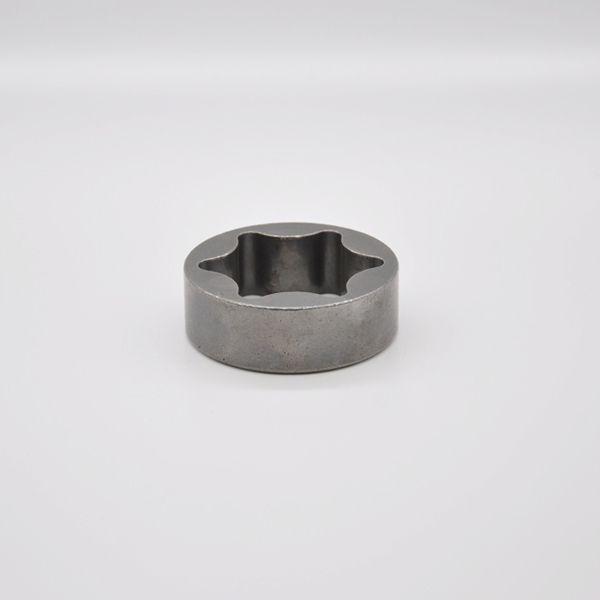
Specs, tests, and paperwork
Hardness verified per ASTM E18/ISO 6508-1 (HRA). Tensile coupons per ISO 6892-1. Material grades aligned to MPIF 35; also cross-referenced with DIN 30910 and JIS Z2550. Quality system: ISO 9001 and IATF 16949. To be honest, customers care about Cp/Cpk, noise, and leakage—this checks those boxes.
Citations
- MPIF Standard 35: Materials Standards for PM Structural Parts (latest ed.).
- ASTM E18: Standard Test Methods for Rockwell Hardness of Metallic Materials.
- ISO 6508-1: Metallic materials — Rockwell hardness test — Part 1.
- ISO 6892-1: Metallic materials — Tensile testing — Part 1.
- IATF 16949: Automotive Quality Management System Requirements.
- DIN 30910; JIS Z2550: Powder metallurgy material specifications.