




Industry Evolution of Motorcycle Components
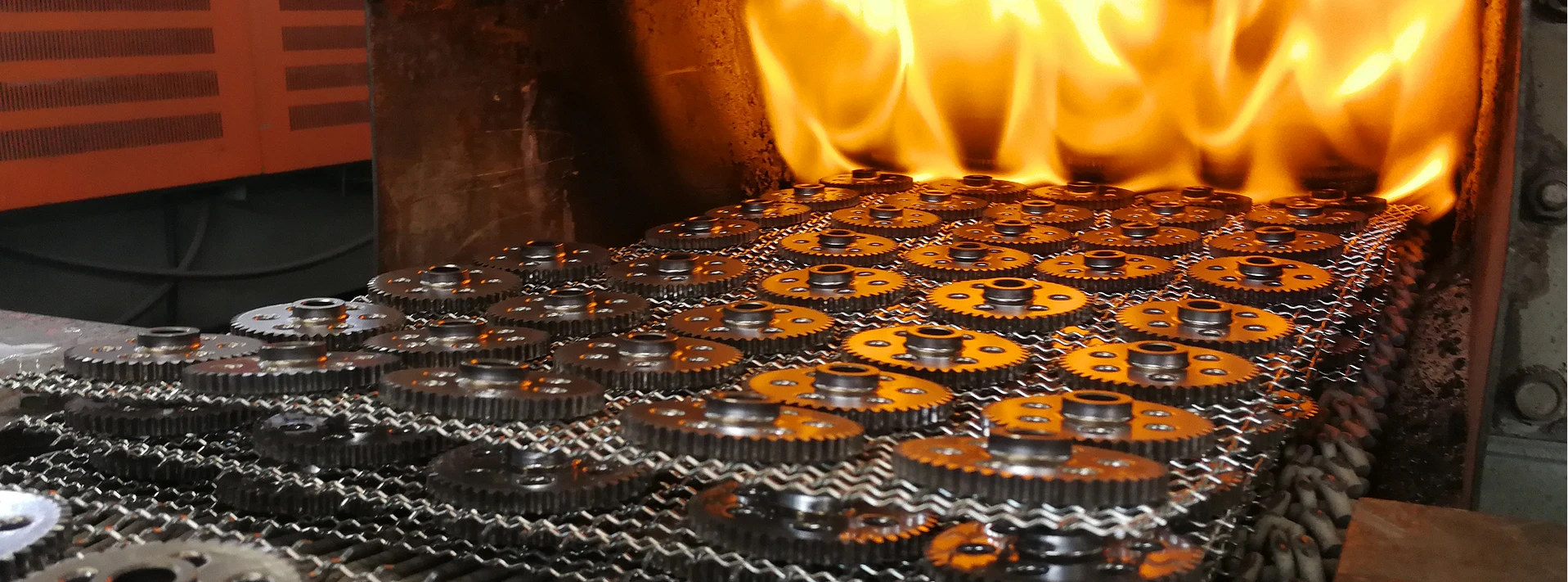
The motorcycle parts and accessories industry has undergone radical transformation over the past decade. With global motorcycle sales projected to reach 150 million units annually by 2025, the aftermarket motorcycle parts and accessories sector represents a $60 billion market opportunity. Leading manufacturers like SHIJIAZHUANG JINGSHI leverage advanced sintering technologies to produce precision components meeting stringent OEM specifications.
A significant trend is the growing demand for custom motorcycle parts, with enthusiasts spending an average of $1,200 annually on customization. This customization trend has fueled innovation in CNC motorcycle parts manufacturing where precision tolerances of ±0.01mm are now routinely achieved. Advanced powder metallurgy techniques enable the production of complex geometries impossible through traditional machining, while maintaining densities ranging from 6.0-7.2 g/cm³.

The global motorcycle industry faces increasing pressure to comply with emission standards such as Euro 5 and BS-VI, driving innovation in fuel delivery systems, exhaust components, and engine management systems. This regulatory environment has accelerated adoption of advanced manufacturing techniques in motorcycle parts and accessories production, particularly sintered metal components that offer superior performance characteristics including:
- Improved heat dissipation capabilities
- 25-35% weight reduction over traditional cast parts
- Superior wear resistance at high operating temperatures
- Complex oil retention features for improved lubrication
- Consistent mechanical properties in high-volume production
Technical Specifications: Precision Engineering
Modern motorcycle parts and accessories must satisfy increasingly demanding technical requirements. As industry standards for noise, vibration, and harshness (NVH) become more rigorous, manufacturers must implement advanced quality control systems. Dimensional stability is particularly critical for engine components like camshaft governors where just 0.05mm deviation can impact valve timing accuracy.
| Parameter | Standard Range | High-Performance | Testing Standard |
|---|---|---|---|
| Surface Hardness | 50-60 HRC | 65-75 HRA | ASTM E10 |
| Density | 6.0-6.5 g/cm³ | 6.8-7.2 g/cm³ | MPIF 42 |
| Tolerance Accuracy | ±0.05mm | ±0.01-0.02mm | ISO 286-2 |
| Surface Roughness | Ra 3.2 μm | Ra 0.4-1.6 μm | ISO 1302 |
| Tensile Strength | 400-550 MPa | 600-850 MPa | ASTM E8 |
| Fatigue Strength | 200-250 MPa | 280-320 MPa | ASTM E466 |
The shift toward CNC motorcycle parts manufacturing enables unprecedented precision, particularly in applications such as engine valve trains and transmission systems where traditional casting techniques cannot achieve the required tolerances. Modern sintering processes using iron alloy powders can achieve dimensional stability of ±0.5% across production batches of over 100,000 units.
Material Density vs Hardness Performance
Global Motorcycle Parts Market Share
Performance Comparison: Surface Treatments
Premium Product Spotlight
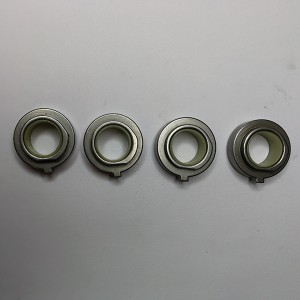
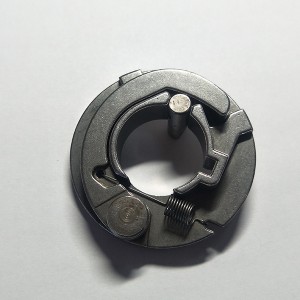
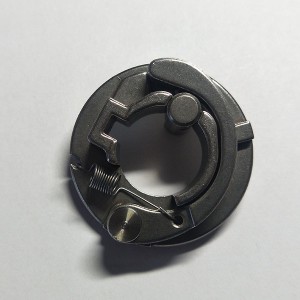
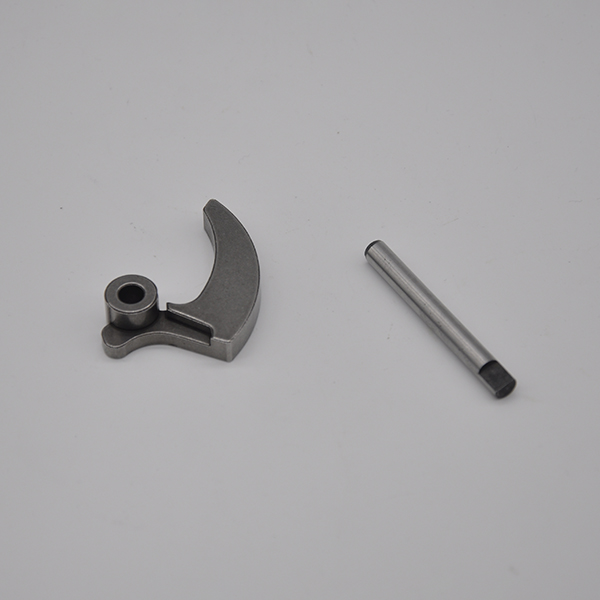
OEM Suzuki Motorcycle Engine Camshaft Governor
This precision-engineered camshaft governor represents the pinnacle of motorcycle parts and accessories manufacturing, specifically designed for Suzuki engines and manufactured using advanced powder metallurgy techniques. With certified tolerances within ±0.02mm, this component ensures optimal engine timing control.
Technical Specifications
- Brand: OEM (Original Equipment Manufacturer)
- Hardness: 65-75 HRA (Rockwell A scale)
- Material Composition: Iron-based alloy powder mix
- Certifications: ISO 9001, TS/ISO 16949
- Density Range: 6.8-7.2 g/cm³
- Surface Treatments: Black oxide, precision grinding, micro-polishing
Applications include various Suzuki motorcycle models, functioning as a critical timing component that regulates camshaft position in response to engine speed. This component undergoes comprehensive quality assurance testing including dimensional verification, metallurgical analysis, and functional durability testing under simulated operating conditions.
This premium engine component demonstrates the quality achievable with modern CNC motorcycle parts manufacturing processes. The sintering process enables unique material properties including controlled porosity (8-12%) which improves oil retention, reducing friction and wear during high-temperature engine operation.
Industry Expert FAQ
The most advanced components utilize low-alloy steel powders containing nickel, molybdenum, and chromium additions. For critical engine parts, the material composition typically includes:
- Iron base (93-97%)
- Nickel (1.5-4%) for hardenability and strength
- Molybdenum (0.5-1.5%) to prevent embrittlement
- Copper (1-3%) to enhance strength after sintering
- Graphite (0.5-1.0%) for lubrication
This combination delivers tensile strengths exceeding 800 MPa after heat treatment while maintaining dimensional stability.
Advanced CNC motorcycle parts manufacturing can achieve tolerance levels of IT6-IT7 as defined by ISO 286. This translates to ±0.010-0.015mm for critical dimension control. Precision camshaft governors require tighter tolerances (±0.02mm) on bearing journals and timing features to ensure proper valve actuation.
Density directly correlates with mechanical properties. Higher-density components (7.0-7.2 g/cm³) offer:
- 30-40% higher fatigue strength
- Improved impact resistance
- Greater thermal conductivity
- Enhanced corrosion resistance
Double-press/double-sinter techniques create nearly pore-free structures approaching wrought material properties.
Key certifications include:
- ISO 9001:2015 - Quality management systems
- IATF 16949:2016 - Automotive quality management
- ISO 14001:2015 - Environmental management
- PPAP (Production Part Approval Process)
Manufacturers should provide material certifications meeting ASTM B783, MPIF 35, or ISO 5755 standards.
Critical wear components undergo:
- Sinter hardening: Achieving surface hardness up to 65 HRC directly from sintering furnace
- Case hardening: Carbonitriding for surface hardness and core toughness
- Tempering: Stress relief at 200-400°C
Post-sintering surface treatments include steam treatment for oxidation resistance and vibratory finishing to enhance fatigue strength.
Sintering offers distinct advantages:
| Parameter | Sintering | CNC Machining |
|---|---|---|
| Complex geometries | Excellent (internal features possible) | Limited by tool access |
| Material utilization | >95% | 40-70% |
| Production rate | 300-1000 parts/hour | 5-20 parts/hour |
| Dimensional consistency | ±0.3% | ±0.5-1.0% |
Premium corrosion protection includes:
- Zinc electroplating: 5-15μm thickness with chromate conversion coating
- Dacromet coating: Zinc-aluminum flake coating for >500 hours salt spray resistance
- Black oxide: Magnetite conversion coating with oil supplement
- Powder coating: Applied after secondary operations
Choice depends on the component's operating environment and required surface properties.
"Recent advancements in powder metallurgy have revolutionized motorcycle parts and accessories manufacturing. The development of high-velocity compaction techniques now allows for density levels approaching 7.6 g/cm³, with corresponding fatigue strength improvements of 40% over conventional press-and-sinter methods."
- International Journal of Powder Metallurgy, Vol. 58 Issue 3 (2023)
Powder Metallurgy Industry Association
"Sintered metal components now constitute over 28% of all powertrain components in modern motorcycles, representing a 300% increase since 2010 due to the technology's ability to produce complex, lightweight geometries impossible with casting or machining."
- Journal of Advanced Manufacturing Technology, Volume 119 (2023)