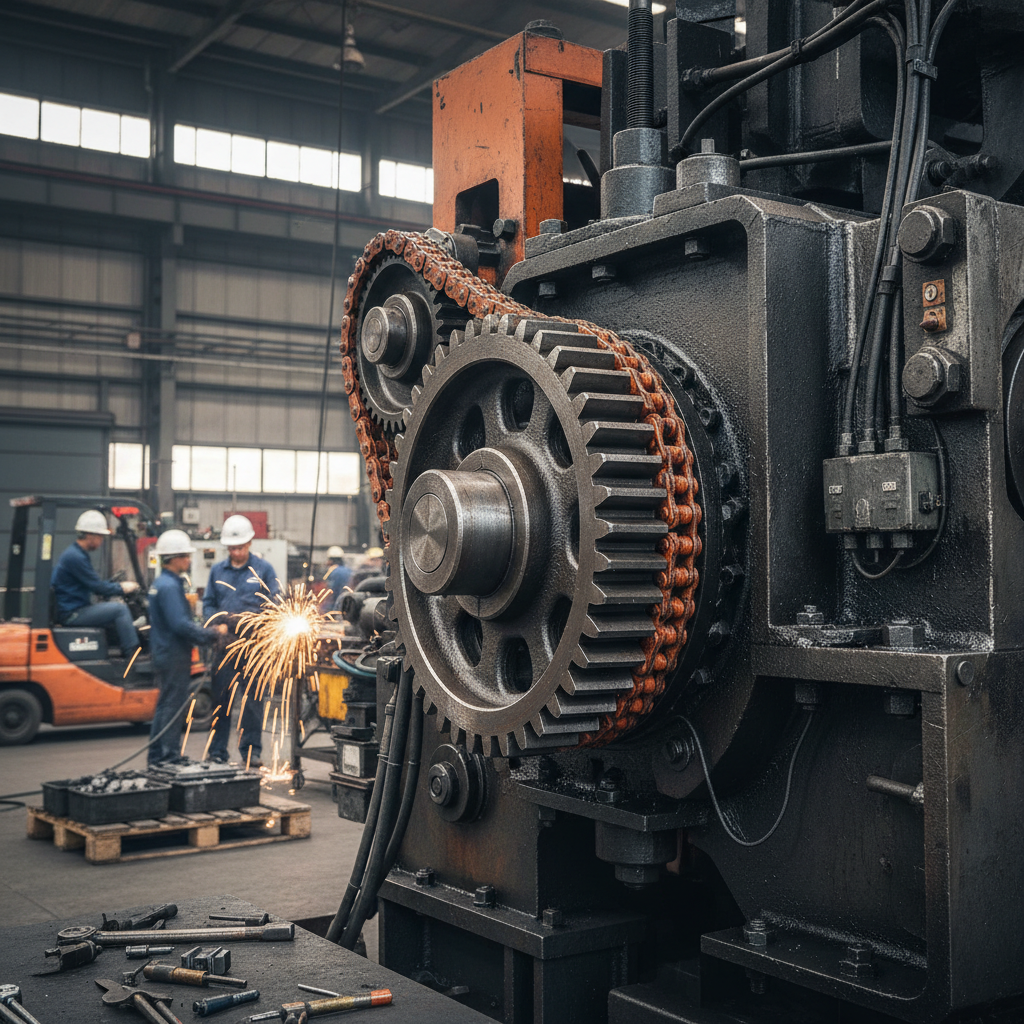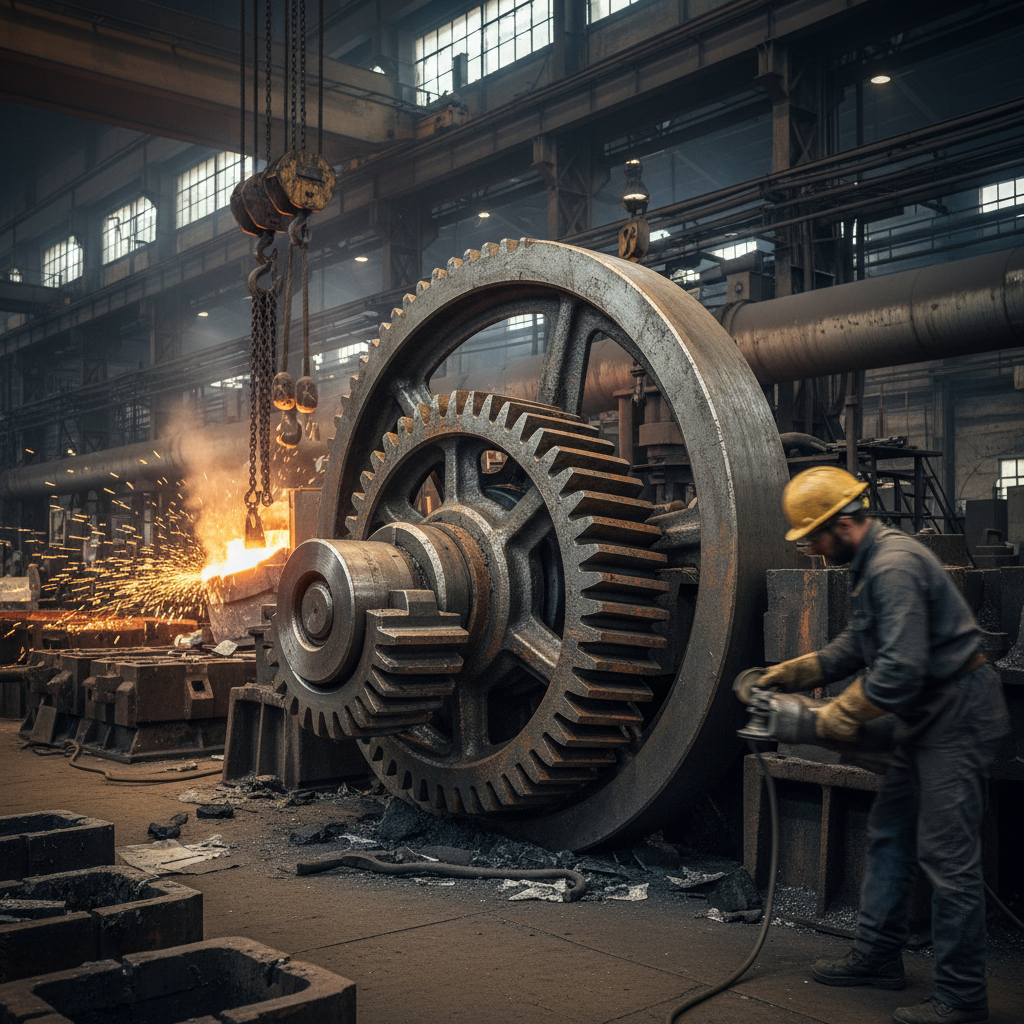





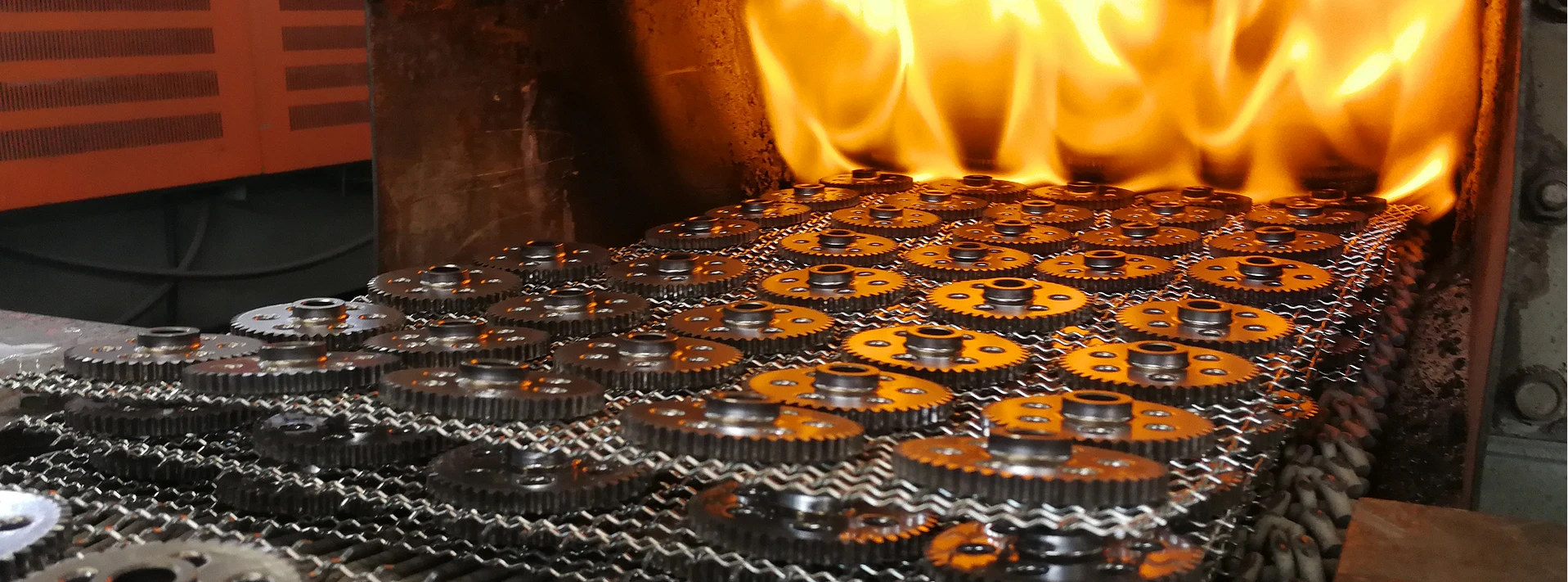
Understanding the Core: Exploring different types of gear box
In the intricate world of industrial machinery and power transmission, gearboxes serve as indispensable components, fundamentally altering torque and rotational speed from a prime mover to an output device. The selection of the correct gear system is paramount for optimizing operational efficiency, ensuring system longevity, and meeting specific application demands. This comprehensive exploration delves into the various configurations, technical intricacies, and strategic applications of different types of gear box systems, providing critical insights for B2B decision-makers and engineering professionals. From the fundamental principles that govern their operation to the advanced manufacturing techniques that define their performance, understanding these diverse systems is crucial for modern industrial success.
Industrial processes across sectors like petrochemicals, metallurgy, and heavy manufacturing rely heavily on robust and efficient gear transmission. The engineering types of gears employed within these boxes are designed to withstand extreme conditions, deliver precise control, and offer significant power density. Each type, whether it's a helical, spur, bevel, or worm gear system, offers distinct advantages and trade-offs concerning efficiency, noise, load capacity, and footprint, making the specification process a critical engineering challenge.
Process Flow: Manufacturing Precision Gearboxes
The production of high-performance different types of gear box components, such as the customized hydraulic oil pump gear, demands a stringent and meticulously controlled manufacturing process. From raw material selection to final assembly, each stage is critical to achieving the required precision, durability, and operational efficiency. Below is a detailed overview of the typical manufacturing process, highlighting key steps and quality control measures.
1. Material Selection & Preparation
- High-Grade Alloys: For critical components like gears, shafts, and housings, materials such as alloy steels (e.g., 20CrMnTi, 42CrMo, 18CrNiMo7-6) are selected for their excellent strength-to-weight ratio, wear resistance, and fatigue life. Cast iron (e.g., Ductile Iron GGG40) is often used for housings due to its good dampening properties and machinability.
- Metallurgical Testing: Incoming raw materials undergo rigorous testing, including spectral analysis, hardness testing, and ultrasonic flaw detection, to ensure compliance with international standards like ASTM, DIN, and JIS.
2. Manufacturing Processes
- Forging & Casting: Gear blanks are often created through forging to enhance grain structure and mechanical properties, or precision casting for complex housing geometries. Forging provides superior strength and fatigue resistance, while advanced casting techniques offer cost-effective solutions for intricate shapes.
- CNC Machining: High-precision CNC turning, milling, and grinding machines are used to achieve exact dimensions and surface finishes. This stage is crucial for gear teeth profiles, bore diameters, and housing interfaces, ensuring minimal runout and precise alignment.
- Gear Cutting: Advanced gear cutting methods such as hobbing, shaping, and skiving are employed to generate accurate gear teeth. For high-precision applications, gear grinding is used to refine the tooth profile, reducing noise and improving efficiency.
- Heat Treatment: Case hardening (carburizing, nitriding), induction hardening, and through hardening are critical heat treatment processes that enhance the surface hardness and core toughness of gears. This significantly improves wear resistance and load-bearing capacity, extending service life.
- Surface Finishing: Processes like shot peening, superfinishing, and specialized coatings (e.g., DLC - Diamond-like Carbon) are applied to reduce friction, increase corrosion resistance, and further improve fatigue life.
3. Quality Control & Testing Standards
Every component undergoes rigorous inspection throughout the manufacturing process. Key testing standards include:
- ISO Standards: Compliance with ISO 6336 (calculation of load capacity of spur and helical gears), ISO 1328 (cylindrical gear – accuracy classification), and ISO 9001 (quality management systems) ensures consistent product quality and reliability.
- ANSI/AGMA Standards: Adherence to American Gear Manufacturers Association (AGMA) standards, such as AGMA 9004 (flexible couplings), AGMA 2000-A88 (gear classification), and AGMA 2001-D04 (fundamental rating factors and calculation methods for involute spur and helical gear teeth), guarantees performance and interchangeability.
- NDT (Non-Destructive Testing): Magnetic particle inspection, liquid penetrant testing, and eddy current testing detect surface and subsurface flaws without damaging the component.
- Gear Metrology: Sophisticated gear measuring machines (GMMs) are used to verify tooth profile, lead, pitch, and runout with micron-level precision.
- Load & Efficiency Testing: Assembled gearboxes undergo dynamic load testing, noise and vibration analysis, and efficiency measurements to validate performance against design specifications.
4. Assembly & Final Inspection
Cleanroom assembly environments prevent contamination. Lubrication systems are filled and tested. A final comprehensive inspection ensures all components are correctly assembled and meet aesthetic and functional requirements before packaging and dispatch.
Advantages in Typical Application Scenarios
- Energy Saving: Precision-machined and heat-treated gear systems minimize friction and backlash, leading to higher transmission efficiency. For instance, in a large-scale petrochemical pump system, a 2% improvement in gearbox efficiency can translate into significant annual energy cost savings, often in the tens of thousands of dollars.
- Corrosion Resistance: Specialized coatings and material choices (e.g., stainless steel gears in marine or water treatment applications) ensure extended service life in harsh, corrosive environments, reducing maintenance downtime and replacement costs. This is particularly vital in water supply and drainage systems where exposure to moisture and chemicals is constant.
- Extended Service Life: Adherence to strict quality controls, coupled with superior material properties and surface treatments, ensures gearboxes can operate reliably for thousands of hours, often exceeding 10-15 years in continuous industrial operation, thereby reducing total cost of ownership (TCO).
- Target Industries: These manufacturing advantages are critical for gearboxes deployed in demanding sectors such as petrochemicals (pumps, compressors), metallurgy (rolling mills, conveyors), mining (crushers, hoists), and water supply & drainage (pumps, mixers), where reliability and longevity are non-negotiable.
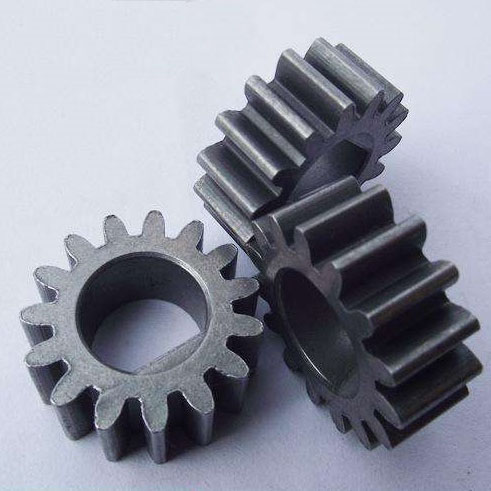
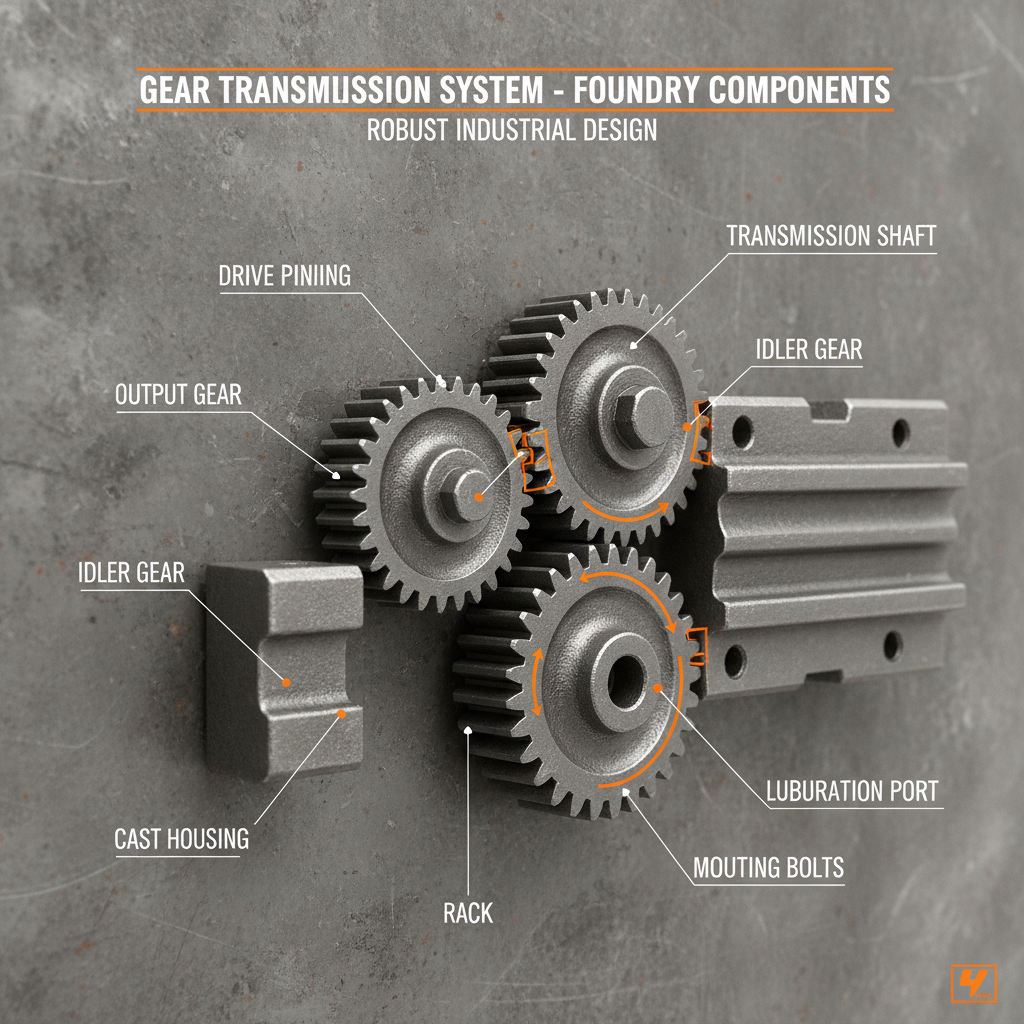
Figure 1: High-precision gear manufacturing in progress.
Industry Trends in Gearbox Technology
The landscape of power transmission is continually evolving, driven by demands for greater efficiency, compact design, reduced noise, and enhanced smart functionalities. Several key trends are shaping the future of different types of gear box design and application:
- Electrification and Hybridization: The rise of electric motors in industrial applications, automotive, and marine sectors is leading to the development of specialized gearboxes optimized for electric powertrains. These often feature high reduction ratios, compact designs, and robust noise suppression to complement the quiet operation of electric motors.
- Advanced Materials: Research into new high-strength, lightweight alloys, and advanced composites is yielding gearboxes that are both more durable and lighter. This reduces inertia, improves dynamic response, and contributes to overall system efficiency. Innovations in surface engineering, such as plasma nitriding and ceramic coatings, further enhance wear resistance and extend operational life.
- Smart Gearboxes (IoT Integration): The integration of sensors for condition monitoring (e.g., vibration, temperature, oil analysis) is becoming standard. This enables predictive maintenance, reducing unscheduled downtime and optimizing service intervals. AI and machine learning algorithms are increasingly used to analyze this data, providing insights into potential failures before they occur.
- Modular Design: Manufacturers are moving towards modular gearbox designs, allowing for greater customization, easier assembly, and simplified maintenance. This approach offers flexibility for various application requirements and reduces lead times for specific configurations.
- Miniaturization and Power Density: With space at a premium in many industrial settings, there's a continuous push for more compact gearboxes that can transmit higher power. This is achieved through advanced gear geometries, superior materials, and optimized lubrication systems.
- Sustainability and Energy Efficiency: Beyond merely meeting efficiency standards, there's a growing emphasis on the entire lifecycle of gearboxes, from sustainable manufacturing practices to end-of-life recycling. High-efficiency gear systems are also crucial for achieving global energy consumption reduction targets.
Technical Specifications and Parameters of Gearbox Types
The performance characteristics of different types of gear systems are defined by a range of technical parameters, which dictate their suitability for specific applications. Understanding these specifications is essential for proper selection and integration.
Common Engineering Types of Gears and Their Characteristics
| Gear Type | Description | Key Advantages | Typical Efficiency | Application Note |
|---|---|---|---|---|
| Spur Gear | Simplest type, straight teeth parallel to axis. | Easy to manufacture, cost-effective, high efficiency. | 98-99% | Low-speed applications, simple gear trains, general machinery. |
| Helical Gear | Teeth cut at an angle to the gear face. | Smoother operation, higher load capacity, quieter than spur. | 96-98% | High-speed applications, automotive transmissions, industrial machinery. |
| Bevel Gear | Conical form with teeth that can be straight, spiral, or zerol. | Transmit power between intersecting shafts (usually 90 degrees). | 95-97% | Right-angle drives, differential drives, printing presses. |
| Worm Gear | Consists of a worm (screw-like gear) and a worm wheel. | Very high reduction ratios in compact space, self-locking capability. | 50-90% (depends on ratio/design) | Conveyors, lifting equipment, indexing tables, security gates. |
| Planetary Gear (Epicyclic) | Sun gear, planet gears, and ring gear configuration. | High torque transmission, compact size, coaxial input/output. | 90-97% (per stage) | Robotics, wind turbines, automotive transmissions, heavy equipment. |
Product Specification: Customized Hydraulic Oil Pump Gear
As an example of precision engineering, the customized hydraulic oil pump gear demonstrates how specific gear types are optimized for demanding applications. These gears are critical for the reliable operation of hydraulic systems, which underpin a vast array of industrial machinery.
| Parameter | Specification / Value Range |
|---|---|
| Gear Type | Spur, Helical (customizable based on noise/load requirements) |
| Material | 20CrMnTi, 42CrMo, 18CrNiMo7-6 (Case Hardened Alloy Steel) |
| Hardness | Core: HRC 30-40; Surface: HRC 58-62 (after heat treatment) |
| Module (m) | 0.5 – 10 (Customizable) |
| Accuracy Grade | ISO/DIN Class 6-8 (equivalent to AGMA 9-11) |
| Surface Finish | Ra < 0.8 µm (for critical tooth surfaces) |
| Operating Temperature | -30°C to +120°C (with appropriate lubricants) |
| Corrosion Resistance | Standard, or enhanced with specialized coatings/materials for harsh environments |
| Service Life Expectancy | > 20,000 hours (under specified operating conditions) |

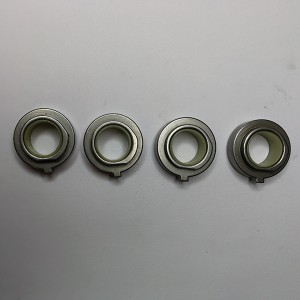
Figure 2: Precision-machined gear components for hydraulic pump applications.
Application Scenarios and Technical Advantages
The versatility of different types of gear box designs allows them to be deployed across a vast array of industrial applications, each benefiting from specific technical advantages.
Key Application Sectors:
- Oil & Gas (Petrochemical): Gearboxes drive pumps, compressors, and mixing equipment in refineries and offshore platforms. Advantages include robust construction for hazardous environments, high torque capacity, and corrosion resistance to withstand aggressive chemicals and extreme temperatures.
- Mining & Metallurgy: Heavy-duty gearboxes are essential for crushers, conveyors, grinding mills, and rolling mill machinery. Key advantages are exceptional shock load resistance, high durability, and sealed designs to prevent ingress of dust and abrasive particles, ensuring continuous operation in harsh conditions.
- Water Treatment & Pumping Stations: Gearboxes are used in large pumps for water supply and drainage, aeration systems, and agitators. Benefits include high efficiency for energy savings, long service life with minimal maintenance, and often specialized coatings for superior corrosion resistance in aquatic environments.
- Renewable Energy (Wind Turbines): Large planetary gearboxes or multi-stage helical gearboxes are crucial for converting slow rotor speeds into high generator speeds. Here, the advantages are high power density, reliability, and precision, essential for maximizing energy capture and operational uptime.
- Robotics & Automation: Precision gearboxes, often planetary or harmonic drive types, are used in robotic arms, CNC machines, and automated assembly lines. Advantages include high accuracy, low backlash, compact design, and smooth operation, critical for precise motion control.
Technical Advantages Across Applications:
- Enhanced Power Density: Modern gearboxes are engineered to transmit more power within a smaller footprint, allowing for more compact machine designs and optimizing space utilization in industrial facilities. This is achieved through advanced gear geometries and superior material properties.
- Superior Efficiency: Through precision manufacturing and optimized lubrication systems, gearboxes achieve very high transmission efficiencies (often >95%), directly translating to reduced energy consumption and lower operating costs.
- Reduced Noise and Vibration: Helical and planetary gear designs, coupled with high-precision grinding and balanced components, significantly reduce noise and vibration levels. This improves workplace safety, reduces stress on surrounding machinery, and extends bearing life.
- High Reliability and Durability: Robust construction, stringent quality control, and the use of hardened alloy steels ensure gearboxes withstand continuous heavy-duty operation, extreme temperatures, and abrasive environments, minimizing unplanned downtime.
- Precision and Control: Low-backlash gearboxes offer excellent positional accuracy and repeatability, crucial for applications requiring fine motion control, such as robotics, machine tools, and packaging equipment.
Vendor Comparison and Customized Solutions
Selecting the right vendor for industrial gearboxes requires evaluating not only standard product offerings but also the capacity for customization and technical support. While many suppliers offer standard four types of gears within their product lines, the true value for B2B clients often lies in bespoke engineering solutions.
Key Differentiators in Vendor Selection:
- Engineering Expertise: Top-tier vendors possess deep engineering knowledge, capable of analyzing specific application requirements and recommending the most suitable gear and its types. This includes expertise in material science, stress analysis, and lubrication technology.
- Manufacturing Capabilities: Access to advanced CNC machining, precision grinding, and heat treatment facilities is crucial for producing high-accuracy and durable components. Certifications like ISO 9001 and IATF 16949 (for automotive sector) signify robust quality management.
- Customization & Flexibility: The ability to design and manufacture customized hydraulic oil pump gear solutions, tailored to unique space constraints, load profiles, speed ratios, and environmental conditions, sets leading vendors apart. This might involve special gear geometries, unique housing designs, or integrated sensor packages.
- Quality & Certifications: Adherence to international standards (e.g., ISO, AGMA, DIN) and possession of product-specific certifications validate the quality and performance claims. Partner clients and long-standing industry presence further bolster authority.
- After-Sales Support & Service Life: Comprehensive warranties, readily available spare parts, and responsive technical support are critical for ensuring long-term operational reliability and minimizing downtime. A vendor's commitment to product service life is a significant trust factor.
The Advantage of Customized Solutions:
While off-the-shelf gearboxes can suffice for generic applications, specialized machinery often requires bespoke solutions to unlock maximum performance and efficiency. For example, a customized hydraulic oil pump gear can be optimized for specific fluid viscosities, pressure ratings, and operating temperatures. This level of customization ensures:
- Perfect Fit & Integration: Designed to exact dimensional constraints, minimizing installation issues and requiring fewer adaptors or modifications.
- Optimized Performance: Gear ratios, tooth profiles, and material selections are precisely matched to the load and speed requirements, maximizing efficiency and minimizing wear.
- Enhanced Durability & Reliability: Engineered to withstand the specific stresses and environmental factors of the application, leading to a significantly longer service life than generic alternatives.
- Cost-Effectiveness (Long-term): While initial investment might be higher, customized solutions reduce operational costs through increased efficiency, lower maintenance, and extended asset life.
Application Case Studies
Real-world examples demonstrate the tangible benefits of choosing meticulously engineered different types of gear box solutions.
Case Study 1: High-Pressure Pumping in a Chemical Plant
A major petrochemical company faced frequent failures with their standard gearboxes driving high-pressure chemical transfer pumps. The existing gearboxes suffered from excessive wear and corrosion due to exposure to aggressive fluids and continuous high-load operation. Our customized solution involved:
- Specialized Material: Gears manufactured from a proprietary stainless steel alloy with enhanced corrosion resistance.
- Optimized Gear Geometry: Helical gear design with a precise profile ground to AGMA 11 standards for smoother engagement and reduced stress concentrations.
- Advanced Sealing: Double mechanical seals with specialized barrier fluid systems to prevent ingress of corrosive media and lubricant egress.
Result: The custom gearboxes demonstrated an average service life increase of 150% (from 2 years to 5 years+), reducing maintenance costs by 60% annually and significantly boosting plant uptime. This project highlighted our expertise in handling challenging industrial environments.
Case Study 2: Precision Robotics for Automotive Assembly
An automotive manufacturer required ultra-low backlash and high stiffness gearboxes for a new generation of robotic welding arms. Standard planetary gearboxes could not meet the stringent positional accuracy and dynamic response requirements for seamless integration into high-speed assembly lines. Our solution for these demanding engineering types of gears included:
- Harmonic Drive Technology: Integration of compact, high-ratio harmonic drive gearboxes for specific joints requiring zero backlash and high precision.
- Custom Planetary Stages: For other joints, multi-stage planetary gearboxes were designed with optimized tooth contact patterns and preloaded bearings to achieve backlash levels below 3 arc-minutes.
- Integrated Sensor Feedback: Gearboxes were equipped with integrated absolute encoders for real-time positional feedback to the robot's control system.
Result: The customized gear solutions enabled the robotic arms to achieve a positional repeatability of ±0.05 mm, a 40% improvement over previous systems, leading to higher weld quality and reduced rework on the assembly line. This showcased our commitment to precision engineering for advanced automation.
Trustworthiness & Support: FAQ, Lead Times, and Warranty
Frequently Asked Questions (FAQ)
Q: What is the typical lead time for customized gear components?
A: Lead times for customized gear components, such as a customized hydraulic oil pump gear, vary depending on complexity, material availability, and order volume. Generally, design and prototyping can take 4-8 weeks, followed by manufacturing and testing which typically ranges from 6-12 weeks. We provide a detailed project timeline upon specific quotation.
Q: What warranty do you offer on your gearboxes?
A: We stand by the quality of our products. Our standard warranty for industrial gearboxes is 24 months from the date of installation or 30 months from the date of shipment, whichever comes first, against defects in materials and workmanship. Extended warranty options are available upon request.
Q: How do you ensure the quality of your customized gears?
A: Our commitment to quality is upheld by ISO 9001 certified processes, multi-stage inspection protocols (from raw material to final assembly), and adherence to international standards like AGMA and DIN. Every customized gear undergoes comprehensive metrology, non-destructive testing, and functional load testing before dispatch. We maintain full traceability of materials and manufacturing steps.
Q: Can you help with replacing existing gearboxes with custom solutions?
A: Absolutely. Our engineering team specializes in reverse engineering and developing drop-in replacement solutions that often surpass the performance of the original equipment. We conduct thorough site assessments and collaborate closely with clients to ensure seamless integration and enhanced operational efficiency. We can assist in identifying the most suitable of the different types of gear box for your specific upgrade needs.
Lead Time & Fulfillment Details
Our agile manufacturing process and robust supply chain management enable us to provide competitive lead times for both standard and customized gear solutions. For off-the-shelf components, fulfillment typically ranges from 2-4 weeks. Customized orders are managed through a structured project management approach, involving client consultation, detailed design, prototyping (if required), production, and rigorous testing. Regular progress updates are provided throughout the project lifecycle.
Warranty & Customer Support
Beyond our comprehensive product warranty, we offer dedicated after-sales support to ensure the long-term reliability and performance of your gearboxes. Our services include:
- Technical Assistance: A team of experienced engineers is available for troubleshooting, maintenance advice, and operational optimization.
- Spare Parts Management: We maintain a readily available inventory of critical spare parts to minimize downtime for routine maintenance or unexpected repairs.
- On-site Support: For complex issues or large-scale installations, our field service technicians can provide on-site diagnostic and repair services globally.
- Training Programs: We offer training for your maintenance personnel on the proper operation, inspection, and upkeep of our gear systems.
Our goal is to forge lasting partnerships by delivering not just superior products but also unparalleled service and support throughout the entire product lifecycle.
Conclusion
The realm of industrial power transmission, defined by the myriad different types of gear box solutions, is fundamental to global industry. From the robust helical gears in heavy machinery to the precise planetary systems in robotics, the choice of gear system significantly impacts efficiency, durability, and overall operational success. By understanding the intricate manufacturing processes, adhering to rigorous technical standards, and embracing innovation in materials and smart technologies, manufacturers continue to push the boundaries of what is achievable. As industries evolve towards greater automation and sustainability, the demand for highly efficient, reliable, and customized gear solutions will only intensify, making the strategic selection of the right partner and product more critical than ever.
References
- ISO. (2018). ISO 6336: Calculation of load capacity of spur and helical gears. International Organization for Standardization.
- American Gear Manufacturers Association (AGMA). (2004). AGMA 2001-D04: Fundamental Rating Factors and Calculation Methods for Involute Spur and Helical Gear Teeth.
- Maitra, G. (2007). Handbook of Gear Design. McGraw-Hill Professional.
- The Engineering Handbook. (2020). CRC Press.