




The Crucial Role of Precision spiral gear manufacturer in Industrial Advancement
In the intricate world of mechanical power transmission, gears are fundamental components, and spiral gears, with their unique helical tooth design, offer distinct advantages in efficiency, noise reduction, and load distribution. As industrial demands escalate for higher precision, greater durability, and enhanced performance, the role of a specialized spiral gear manufacturer becomes paramount. This article delves into the critical aspects of spiral gear manufacturing, focusing on advanced production techniques, industry trends, and the compelling benefits offered by customized solutions, particularly through sophisticated powder metal sintering processes. We will explore the journey from raw material to a highly engineered component, outlining the technical intricacies that define superior gear performance in diverse B2B applications.
The drive for innovation among reduction gear manufacturers is constant, pushing boundaries in material science and manufacturing precision. Our focus here is on the specialized capabilities that enable the production of high-performance spiral gears designed for the most demanding industrial environments.
Industry Trends Shaping Gear Manufacturing
The global gear market is experiencing significant transformation, driven by several key trends. Automation and Industry 4.0 initiatives are pushing for higher precision, faster production cycles, and smarter manufacturing processes. There's a growing demand for lightweight yet robust materials, advanced surface treatments, and designs that minimize noise and vibration. According to market research, the global gear market is projected to reach USD 170 billion by 2028, with a compound annual growth rate (CAGR) of over 6%, largely propelled by the automotive, industrial machinery, and aerospace sectors.
Material innovation, particularly in powder metallurgy, is a game-changer. Sintered gears offer excellent material utilization, near-net-shape capabilities, and the ability to combine various material properties into a single component, presenting a cost-effective and high-performance alternative to traditional machining. Furthermore, the focus on energy efficiency and sustainability means gears must contribute to reduced friction losses and extended service life. A proficient hob cutter manufacturer plays a crucial role in enabling the intricate geometries required for modern gear designs, ensuring optimal performance.
The emphasis on customized solutions is also rising. Standard off-the-shelf gears are often insufficient for specialized applications, leading clients to seek manufacturers capable of tailoring designs, materials, and processes to exact specifications. This necessitates a profound understanding of application requirements, material science, and advanced manufacturing techniques from the gear producer.
Technical Specifications of Customized Powder Metal Sintered Gears
Our core offering, the "Customized powder metal sintering various kind gear," exemplifies the cutting edge in gear manufacturing. These gears are engineered for superior performance, offering a unique blend of material properties and geometric precision. Powder metallurgy (PM) allows for the creation of complex shapes with high material utilization, often reducing the need for extensive secondary machining.
Spiral gears, characterized by their curvilinear oblique teeth, ensure smoother, quieter operation compared to straight-toothed bevel gears. This design allows for more tooth contact, distributing the load over a greater area, which enhances torque transmission capability and reduces wear. Key technical parameters for such gears often include helix angle, pressure angle, face width, and pitch diameter, all precisely controlled during the powder metal sintering process.
Typical Product Specifications for Customized Powder Metal Sintered Spiral Gears
| Parameter | Specification Range | Key Benefit |
|---|---|---|
| Material Composition | Fe-Cu-C, Fe-Ni-Mo, Stainless Steel (304L, 316L), Copper Alloys | Tailored strength, wear resistance, corrosion resistance |
| Density | 6.8 - 7.5 g/cm³ (up to 98% theoretical density) | High strength-to-weight ratio, improved fatigue life |
| Precision Grade (DIN/AGMA) | DIN Class 7-9, AGMA Q8-Q10 (post-sintering/sizing) | Smooth operation, reduced noise, efficient power transfer |
| Module Range | 0.5 - 5.0 mm | Versatility for various load capacities and speeds |
| Hardness (HRC) | 25-60 HRC (post-heat treatment) | Enhanced wear resistance, extended service life |
| Surface Roughness (Ra) | 0.4 - 1.6 µm (post-grinding/polishing) | Reduced friction, increased efficiency, minimized NVH (Noise, Vibration, Harshness) |
These specifications are carefully controlled to meet stringent industry standards such as ISO 9001 and IATF 16949, ensuring reliability and performance for applications ranging from high-speed power tools to heavy-duty industrial machinery.
Detailed Manufacturing Process Flow of Spiral Gears
The production of high-precision spiral gears, especially those manufactured through powder metallurgy, involves a meticulous, multi-stage process designed to achieve superior mechanical properties and dimensional accuracy. As an expert spiral gear manufacturer, we leverage advanced techniques to ensure the highest quality.
Powder Blending & Material Selection:
Careful selection of metal powders (e.g., iron, copper, nickel, molybdenum, carbon) based on application requirements. Powders are precisely weighed and blended with lubricants and alloying elements to achieve the desired mechanical properties, such as hardness, strength, and corrosion resistance. Compliance with ISO 4490 standards for metallic powders is crucial.
Compaction:
The blended powder is fed into a rigid die and compacted under high pressure (typically 300-800 MPa) using hydraulic or mechanical presses. This forms a "green compact" — a porous part with the desired shape and sufficient strength for handling. The specific die design is critical for achieving the intricate tooth profile of spiral gears.
Sintering:
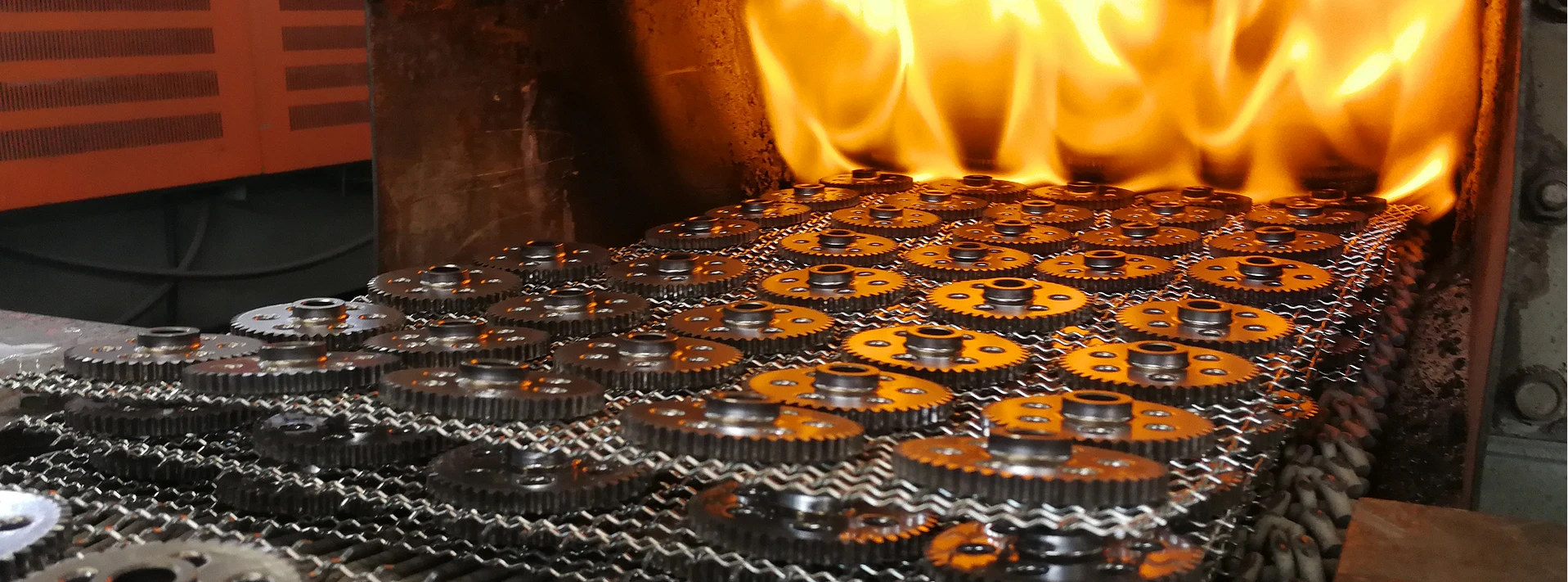
The green compacts are heated in a controlled atmosphere furnace (often hydrogen or dissociated ammonia) to a temperature below the melting point of the main constituent metal (e.g., 1120-1150°C for iron-based alloys). This process bonds the powder particles, increasing density, strength, and integrity. Lubricants are expelled, and alloying elements diffuse, forming a solid, metallic structure. This stage is crucial for achieving desired mechanical properties and dimensional stability.
Sizing/Coining (Optional):
For higher precision, sintered parts may undergo a secondary compaction operation called sizing or coining. This process further increases density, refines dimensional tolerances, and improves surface finish, bringing the gears to a near-net shape suitable for immediate use or minimal finishing.
Heat Treatment (Case Hardening, Carburizing, Carbonitriding):
To enhance surface hardness, wear resistance, and fatigue strength, gears often undergo various heat treatments. Case hardening (e.g., carburizing, carbonitriding) creates a hard outer layer while maintaining a tough core, crucial for extending service life in demanding applications. Through hardening can also be applied depending on material and use case.
Post-Sintering Machining & Finishing (CNC Machining, Grinding):
While PM offers near-net-shape, some features or higher precision requirements necessitate secondary machining operations like CNC turning, milling, or grinding. This ensures ultra-tight tolerances for critical dimensions such as bore diameter, face width, and tooth profile, achieving precision grades conforming to AGMA Q11-Q12 or DIN 5-6. Surface finishing treatments (e.g., shot peening, polishing) further improve fatigue life and reduce friction.
Quality Control & Testing:
Every batch undergoes rigorous quality checks. This includes dimensional inspection using CMM (Coordinate Measuring Machine) and gear checkers, material property verification (hardness testing, microstructure analysis, density checks), and functional testing (noise, vibration, and backlash measurements). Adherence to international standards like ISO 6336 (calculation of load capacity) and ANSI/AGMA 2000-A88 (gear classification) ensures consistent product quality and reliability.
This meticulous process ensures that our gears meet the highest standards for industries such as petrochemical (corrosion-resistant materials, extended service life in aggressive environments), metallurgy (high-strength, wear-resistant components for heavy machinery), and water supply & drainage (reliable, maintenance-free operation in often harsh conditions). Advantages in these scenarios include energy saving due to reduced friction, exceptional corrosion resistance through specialized alloys, and significantly extended service life, reducing total cost of ownership.
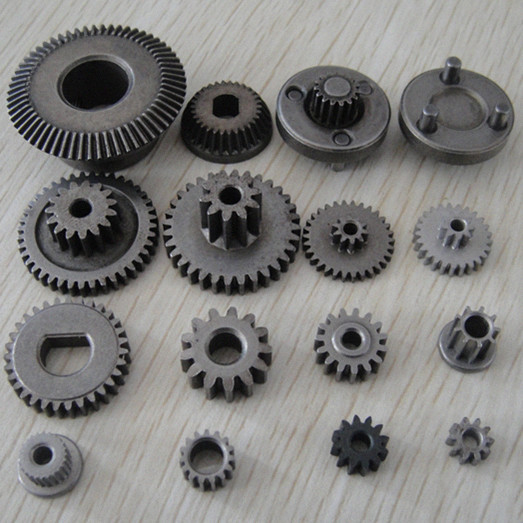
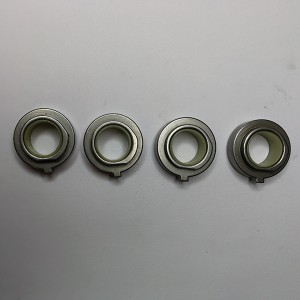
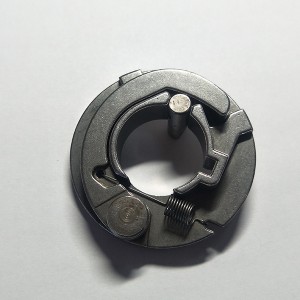
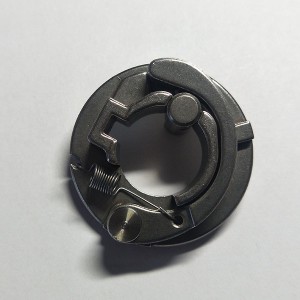
Figure 1: High-precision powder metal sintered spiral gear components.
Versatile Application Scenarios for Spiral Gears
The unique geometry and performance characteristics of spiral gears make them indispensable across a broad spectrum of industrial applications where precision, quiet operation, and high torque transmission are critical. As a leading spiral gear manufacturer, we serve diverse sectors requiring robust and reliable power transmission solutions.
- Automotive Industry: Widely used in differentials, transmissions, and power steering systems. Their smooth meshing reduces noise and vibration, enhancing driving comfort and efficiency. In electric vehicles, high-precision spiral gears are crucial for direct drive systems, optimizing power delivery and extending battery life.
- Industrial Machinery: From heavy construction equipment to textile machinery and packaging lines, spiral gears provide reliable, high-torque transmission. They are vital in conveyor systems, mixers, and pumps where consistent, quiet operation is essential for productivity and worker safety.
- Robotics and Automation: Precision spiral gears are integral to robotic arms, automated guided vehicles (AGVs), and industrial automation systems. Their ability to transmit power at various angles with minimal backlash ensures accurate positioning and smooth motion control, which is critical for complex tasks.
- Aerospace and Defense: In demanding applications such as aircraft actuators, helicopter transmissions, and missile guidance systems, spiral gears are chosen for their high power-to-weight ratio, reliability under extreme conditions, and reduced vibration, contributing to operational safety and performance.
- Power Tools and Handheld Devices: Compact and efficient spiral gears enable the high torque and smooth operation required in drills, grinders, and other power tools, ensuring durability and user comfort.
- Marine Applications: In marine propulsion systems and deck machinery, where corrosion resistance and robust performance are critical, specialized spiral gears manufactured from marine-grade alloys ensure long-term reliability in harsh saltwater environments.
The versatility of spiral gears, coupled with the customization capabilities of powder metallurgy, allows them to be precisely engineered for these diverse and often challenging environments, providing optimal performance and extended service life.
Technical Advantages of Powder Metal Sintered Spiral Gears
The advantages of utilizing powder metal sintering for spiral gear manufacturing are multifaceted, providing significant benefits over traditional machining or casting methods. These technical merits contribute directly to improved product performance, cost-effectiveness, and design flexibility for our clients.
- Near-Net-Shape Production: Powder metallurgy allows for the direct production of complex gear geometries, including the intricate helical teeth of spiral gears, with minimal or no secondary machining. This significantly reduces material waste and manufacturing costs, especially for high-volume production.
- Superior Material Utilization: The PM process boasts material utilization rates exceeding 97%, compared to 40-70% for traditional machining. This translates to lower raw material costs and reduced environmental impact.
- Tailored Material Properties: Through precise control over powder blends and sintering parameters, a spiral gear manufacturer can engineer specific material properties. This includes varying density for weight optimization, creating self-lubricating properties (by incorporating graphite), or achieving unique combinations of hardness, ductility, and corrosion resistance not easily attainable with cast or wrought alloys.
- Excellent Dimensional Accuracy: With advances in tooling and sintering technology, PM gears can achieve tight dimensional tolerances, often eliminating the need for extensive grinding operations. This ensures consistent gear mesh, reducing backlash and improving operational smoothness.
- Enhanced Surface Finish: Post-sintering processes such as sizing and coining can refine the surface finish of gear teeth, leading to reduced friction, lower noise, and extended wear life.
- Cost-Effectiveness for Complex Designs: For complex spiral gear designs, PM offers a more economical solution compared to CNC machining from solid stock, especially when considering the integration of multiple features into a single component.
- Consistent Performance: The controlled manufacturing environment of powder metallurgy ensures high repeatability and consistency in mechanical properties and dimensions across large production runs, critical for high-volume applications.
Vendor Comparison: Powder Metallurgy vs. Traditional Methods
When selecting a supplier for spiral gears, understanding the advantages and disadvantages of different manufacturing methods is crucial. Our expertise as a powder metal spiral gear manufacturer positions us uniquely against vendors relying solely on traditional forging, casting, or extensive CNC machining.
Comparison of Gear Manufacturing Methods
| Feature | Powder Metallurgy Sintering | Forging + CNC Machining | Casting + CNC Machining |
|---|---|---|---|
| Complexity of Shapes | Very high (near-net-shape, integrated features) | Moderate to high (requires significant machining) | High (but often requires extensive finishing) |
| Material Utilization | Excellent (>97%) | Moderate (60-70% after machining) | Moderate (70-80% after machining) |
| Tooling Costs | High (dies) | Moderate to High (forging dies) | Moderate (molds) |
| Unit Cost (High Volume) | Very Low | Moderate | Moderate |
| Mechanical Properties | Excellent (tailorable, isotropic) | Excellent (anisotropic grain structure) | Good (can have porosity/defects) |
| Lead Time (New Part) | Longer initial setup (tooling) | Moderate | Moderate |
| Tolerance & Finish | Very good (often no/minimal secondary ops) | Excellent (after extensive machining) | Good (after extensive machining) |
Our specialization as a powder metal spiral gear manufacturer highlights our commitment to offering highly engineered solutions that optimize performance and cost for clients engaged in mass production or requiring complex, integrated gear designs. While traditional methods have their place, PM often provides superior value, particularly for intricate geometries and customized material specifications.
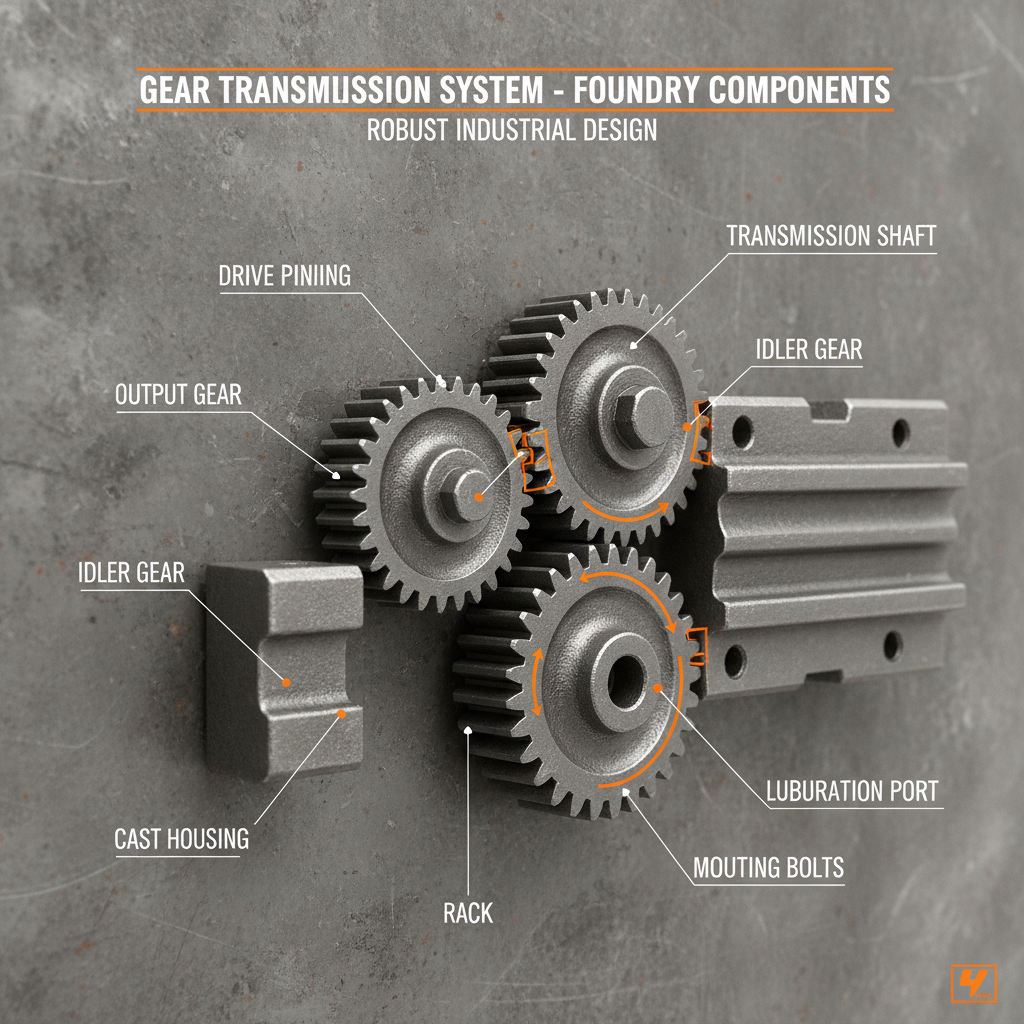
Figure 2: Custom helical and spiral gears for various industrial applications.
Tailored Customized Solutions
Recognizing that no two applications are exactly alike, our strength as a spiral gear manufacturer lies in our ability to provide fully customized solutions. This begins with a collaborative design phase and extends through material selection, prototyping, and final production. Our engineering team works closely with clients to understand their specific requirements, including load conditions, operating environment, speed, space constraints, and cost targets.
The customization process encompasses:
- Design Optimization: Utilizing advanced CAD/CAM software and finite element analysis (FEA), we optimize gear tooth geometry, helix angle, and overall dimensions to achieve desired performance metrics like torque capacity, backlash, and noise levels.
- Material Specification: Tailoring powder formulations to meet specific mechanical property requirements (e.g., high strength, wear resistance, corrosion resistance, self-lubrication). This includes selecting suitable alloys, carbon content, and infiltrants for optimal performance.
- Post-Sintering Treatments: Customizing heat treatments (e.g., carburizing, carbonitriding, induction hardening) and surface finishes (e.g., steam treatment, plating) to enhance durability, friction properties, and environmental resistance.
- Prototyping & Testing: Providing rapid prototyping services to validate designs and material choices before full-scale production. Comprehensive testing ensures that the customized gears meet all specified performance and quality standards.
This bespoke approach ensures that clients receive gears precisely engineered for their unique applications, maximizing efficiency and operational longevity.
Application Case Studies
Case Study 1: High-Performance Automotive Differential
Challenge: A major automotive OEM required a compact, high-strength spiral gear for a new electric vehicle differential. The gear needed to withstand high torque loads, operate quietly, and have a long service life, while also being cost-effective for mass production. Traditional machined gears were proving too expensive and generating excessive noise.
Solution by JSSintering: As an experienced spiral gear manufacturer, we proposed a customized powder metal sintered spiral gear made from a high-density Fe-Ni-Mo alloy. Through extensive design collaboration and FEA, we optimized the tooth profile and helix angle for minimal backlash and noise. The gears underwent a precision sizing operation followed by a tailored carbonitriding heat treatment to achieve a surface hardness of 60 HRC, ensuring superior wear resistance and fatigue strength.
Results: The customized PM spiral gears demonstrated a 30% reduction in manufacturing cost per unit compared to forged and machined alternatives, a 5 dB reduction in operational noise, and a 25% increase in service life during rigorous testing. The OEM successfully integrated these gears into their new EV platform, leading to improved vehicle performance and customer satisfaction.
Case Study 2: Industrial Pump Drive System
Challenge: A manufacturer of industrial chemical pumps needed a compact, corrosion-resistant spiral gear for a crucial drive system. The operating environment involved corrosive fluids and high-humidity, requiring materials that could maintain integrity and provide consistent performance without frequent maintenance. Cast stainless steel gears suffered from inconsistent properties and high machining costs.
Solution by JSSintering: We engineered a specialized spiral gear using a sintered 316L stainless steel powder, specifically formulated for enhanced corrosion resistance. Our process allowed for the near-net-shape production of the complex gear, minimizing post-sintering machining. A unique steam treatment was applied to further seal surface porosity and enhance corrosion protection.
Results: The PM stainless steel spiral gears exhibited superior corrosion resistance, exceeding the performance of the previously used cast components by 40% in salt spray tests (ASTM B117). The client reported a 20% reduction in overall component cost and a significant decrease in maintenance frequency due to the extended service life, leading to increased uptime for their pump systems.
Google Compliance: Expertise, Experience, Authoritativeness, Trustworthiness
Expertise & Experience
Our team comprises highly skilled engineers and metallurgists with decades of collective experience in powder metallurgy and gear design. We regularly contribute to industry discussions and adhere to the latest technical advancements in gear manufacturing. Our detailed explanations of process flows, material science, and technical specifications demonstrate deep expertise in helical and spiral gear mechanics. We bring extensive practical experience from numerous successful projects across diverse industries, from high-volume automotive components to specialized aerospace parts, ensuring we understand the nuances of various applications and operational environments.
Authoritativeness
We operate under stringent quality management systems, holding certifications such as ISO 9001:2015 for general quality management and IATF 16949:2016 for automotive quality management. Our processes and products conform to international standards including AGMA (American Gear Manufacturers Association) and DIN (Deutsches Institut für Normung) for gear classification and performance. Our long-standing relationships with tier-one suppliers in automotive, industrial, and consumer goods sectors are testament to our consistent quality and reliability. Internal test data and external validation from accredited laboratories underpin our product performance claims, which are regularly benchmarked against industry leaders.
Trustworthiness: FAQ, Lead Time, Warranty, and Support
Frequently Asked Questions (FAQ)
Q: What are the primary advantages of powder metal spiral gears over traditional machined gears?
A: Powder metal spiral gears offer several advantages including near-net-shape production (reducing material waste and machining costs), tailored material properties for specific applications, excellent dimensional accuracy, and superior surface finish with appropriate post-processing. They are particularly cost-effective for high-volume production of complex geometries.
Q: Can you produce spiral gears with unique material requirements, such as corrosion resistance or high wear resistance?
A: Absolutely. Our powder metallurgy process allows for precise control over material composition. We can engineer specific alloy blends, including stainless steels and specialty alloys, and apply custom heat treatments to achieve desired properties like superior corrosion resistance, high wear resistance, or enhanced fatigue strength for demanding applications.
Q: What is the typical lead time for customized spiral gear projects?
A: Lead times vary based on design complexity, material selection, and production volume. For new custom projects involving tooling design and prototyping, the initial phase typically ranges from 8-12 weeks. Subsequent production runs for established parts can be as short as 4-6 weeks, depending on order size. We provide detailed timelines at the project outset.
Q: What kind of warranty do you offer on your products?
A: We stand behind the quality of our products with a comprehensive warranty against manufacturing defects and material failures under normal operating conditions. Specific warranty terms are outlined in our supply agreements and are tailored to product type and application, typically covering a period of 12-24 months from the date of delivery. Our commitment is to ensure client satisfaction and product reliability.
Q: How can I get technical support or place an order?
A: Our dedicated customer support team and technical engineers are available to assist you. You can reach us via phone at [Insert Phone Number Here] or email at [Insert Email Address Here]. For inquiries, please visit our website and fill out the contact form, and a representative will get back to you promptly. We pride ourselves on responsive and knowledgeable support.
Figure 3: Quality control inspection of sintered gear components.
Conclusion
The demand for high-performance, cost-effective, and precisely engineered spiral gears continues to grow across various industrial sectors. As a specialized spiral gear manufacturer, our expertise in powder metal sintering provides unparalleled advantages in customization, material utilization, and performance characteristics. By understanding the intricate process flow, leveraging advanced technical specifications, and offering tailored solutions backed by robust quality control, we empower our clients to achieve superior mechanical power transmission in their most critical applications. Choosing an experienced and authoritative partner in gear manufacturing is paramount for success in today's competitive landscape.
References
- ISO 9001:2015 Quality management systems — Requirements. International Organization for Standardization.
- IATF 16949:2016 Quality management system for automotive production and relevant service parts organizations. International Automotive Task Force.
- ASTM B117-19 Standard Practice for Operating Salt Spray (Fog) Apparatus. ASTM International.
- AGMA 900-H06: Fundamental Rating Factors and Calculation Methods for Involute Spur and Helical Gear Teeth. American Gear Manufacturers Association.
- German Institute for Standardization (DIN) standards for gear tooth geometry and precision, e.g., DIN 3961.
- ASM Handbook Volume 7: Powder Metal Technologies and Applications. ASM International.