

WeChat.png
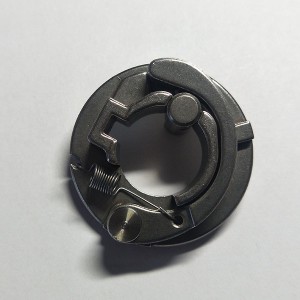
sintered metal parts
top.png
bannerimg

Durable Pump Plates: Precision Parts for Oil & Water Pumps

2025.09.16

Introduction to Pump rotors and Industry Trends

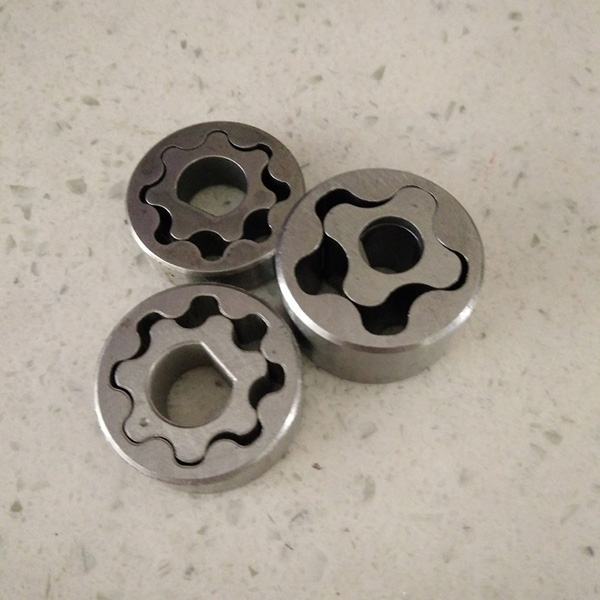
In the realm of advanced fluid power systems, the integrity and performance of internal components are paramount. Among these, pump parts are critical for the efficient operation of various pump types, including gerotor pumps, vane pumps, and gear pumps. These precision-engineered components define the sealing characteristics, wear resistance, and ultimately, the service life and efficiency of the entire pumping mechanism. With increasing demands for higher pressures, reduced noise, and extended operational cycles, the manufacturing of these plates has evolved significantly, incorporating advanced materials and processing techniques.

The global market for high-performance fluid handling components is experiencing robust growth, driven by expanding industrial automation, the proliferation of electric vehicles (EVs) requiring advanced thermal management and lubrication, and stringent environmental regulations pushing for energy-efficient solutions. Industry trends indicate a strong shift towards powdered metallurgy and sintering processes for components like pump parts due to their capability to produce complex geometries with superior material properties, minimal material waste, and excellent surface finishes directly from manufacturing, often eliminating the need for extensive post-machining.

Key drivers include:

  • Automotive Sector Demands: Both traditional internal combustion engines and hybrid/electric powertrains require highly efficient oil pump gear systems, often featuring sophisticated gerotor designs, for lubrication and cooling.
  • Industrial Hydraulics: Precision and durability are critical for heavy machinery, construction equipment, and manufacturing systems that rely on hydraulic power.
  • Energy Efficiency: Optimized pump plate designs reduce internal leakage and friction, leading to significant energy savings and compliance with new efficiency standards.
  • Miniaturization: The trend towards smaller, more powerful systems necessitates compact components that maintain high performance.

Manufacturers capable of delivering innovative and highly customized solutions for oil pump gears and water pump gears are strategically positioned to lead this evolving market.

Detailed Manufacturing Process Flow for Sintered Pump Parts

The production of high-performance pump rotors, particularly those employing metal sintering technology, involves a meticulously controlled, multi-stage process designed to achieve superior mechanical properties, precise dimensions, and optimal surface integrity. This section outlines the typical manufacturing workflow for sintered components:

Process Steps:

  1. Powder Blending:

    High-quality metal powders (e.g., iron-based alloys, stainless steel, bronze, or proprietary blends with elements like copper, nickel, molybdenum for enhanced strength and wear resistance) are precisely weighed and mixed with alloying elements and lubricants. The lubricant aids compaction, while alloying elements define the final material properties, such as hardness, corrosion resistance, and magnetic properties. This stage is critical for achieving the desired microstructure after sintering.

  2. Compaction (Pressing):

    The blended powder is fed into a rigid die cavity and subjected to high pressure (typically 400-800 MPa) using mechanical or hydraulic presses. This forms a "green compact," which has the desired shape of the pump rotors but lacks full mechanical strength. The density of the green compact directly influences the final part density and mechanical properties.
    Durable Pump Plates: Precision Parts for Oil & Water Pumps
  3. Sintering:

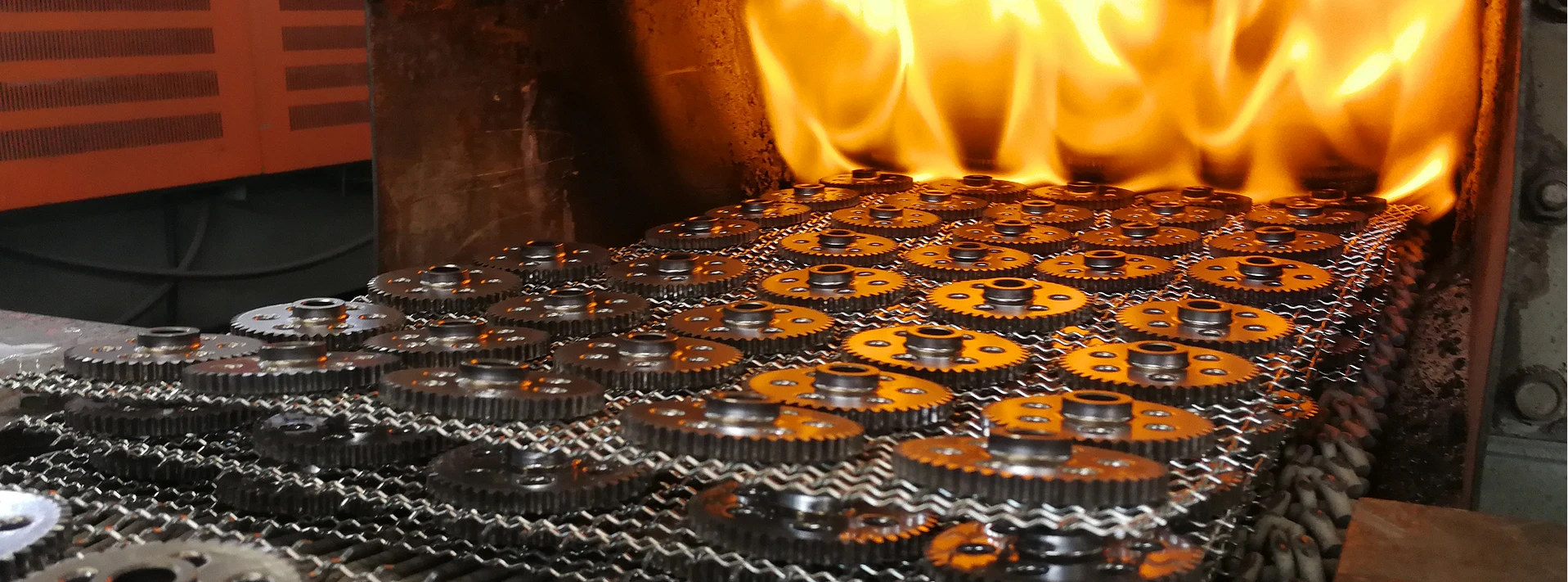
    The green compacts are then heated in a controlled atmosphere furnace (e.g., dissociated ammonia, nitrogen, hydrogen) to a temperature below the melting point of the primary metal but high enough for atomic bonding to occur between powder particles. This process, known as sintering, densifies the material, increases its strength, and forms the final microstructure. Typical sintering temperatures range from 1100°C to 1300°C, depending on the material. The controlled atmosphere prevents oxidation and can facilitate carbon diffusion for hardening.

  4. Sizing/Coining (Optional):

    For applications requiring tighter dimensional tolerances or specific surface finishes, a secondary compaction step called sizing or coining may be performed. This involves re-pressing the sintered part in a die to achieve precise dimensions and improve surface flatness. This is particularly crucial for components like oil pump gear plates that require minimal leakage paths.

  5. Machining (CNC Machining, Grinding):

    While sintering offers near-net-shape capabilities, intricate features, extremely tight tolerances, or very fine surface finishes may necessitate post-sintering machining. This includes CNC machining for precision bores, grooves, or critical datum surfaces, and grinding or lapping for ultra-flat mating surfaces essential for components like water pump gears and hydraulic pump plates to ensure effective sealing and reduce friction.

  6. Heat Treatment (Optional):

    Depending on the desired properties, parts may undergo heat treatments such as hardening, tempering, or steam treatment. Steam treatment, for instance, improves corrosion resistance and surface hardness by forming a dense oxide layer, beneficial for pump plates operating in challenging environments.

  7. Impregnation (Optional):

    Sintered parts possess inherent porosity. For enhanced sealing or self-lubrication, components can be impregnated with oil, resin, or other fluids. Oil impregnation provides continuous lubrication, extending the service life of the pump and its oil pump gears, while resin impregnation can further reduce porosity for pressure-sensitive applications.

  8. Cleaning and Finishing:

    Parts are thoroughly cleaned to remove any residues from manufacturing processes. Surface finishing operations, such as deburring or specialized coatings, might be applied to further enhance performance or corrosion resistance.

  9. Quality Control & Testing:

    Rigorous testing is conducted at various stages. This includes dimensional inspection (using CMM, gauges), material property testing (hardness, density, tensile strength), and functional testing (e.g., pressure testing for leakage, wear tests). Adherence to international standards like ISO 2739 (Sintered metal materials — Permeability determination) and specific ANSI or ASTM standards for material specifications ensures consistent product quality and reliability for critical components like pump parts.

This comprehensive process ensures that the final metal sintered rotor, rotor oil pump, or gerotor pump component meets the demanding performance specifications for target industries such as petrochemical, metallurgy, and water supply & drainage, offering advantages like energy saving through reduced friction and superior corrosion resistance due to optimized material composition.

Technical Specifications and Parameters for Sintered Pump Parts

Precision pump parts require meticulously controlled material compositions and manufacturing tolerances to ensure optimal performance and longevity. The following table illustrates typical technical specifications for sintered components used in high-performance pumps, focusing on gerotor designs which are common for oil and fuel delivery.

Typical Specifications for Sintered Gerotor Pump Parts

Parameter Description Typical Range/Value Measurement Standard
Material Composition Fe-Cu-C, Fe-Ni-Cu-C, Stainless Steel (e.g., 316L), Bronze alloys Variable, depending on application (e.g., FC-0208, FN-0208) MPIF 35 / ISO 5755
Density Critical for strength and sealing properties 6.8 - 7.4 g/cm³ (for Fe-based); 7.0 - 7.8 g/cm³ (for some alloys) MPIF 42 / ISO 2738
Hardness (HV10) Wear resistance, resistance to deformation 80 - 150 HV (as-sintered); 200 - 400 HV (heat treated) ISO 6507 / ASTM E384
Tensile Strength Material strength under tension 250 - 650 MPa (depending on density & material) MPIF 10 / ISO 2740
Dimensional Tolerance Precision of critical dimensions (thickness, bore diameter) IT9 - IT7 (Post-sintering); IT6 - IT5 (Sized/Machined) ISO 286 / ANSI B4.1
Surface Roughness (Ra) Critical for sealing and friction reduction 0.8 - 1.6 µm (sintered); 0.2 - 0.4 µm (lapped/ground) ISO 4287 / ASME B46.1
Pore Size (Avg.) Impacts oil retention and impregnation capabilities 5 - 50 µm ASTM B709

These specifications are crucial for ensuring components like oil pump gears and other internal pump elements perform reliably under varied operating conditions, from high-temperature automotive applications to corrosive industrial environments. The ability to precisely control these parameters through advanced sintering processes is a significant advantage.

Application Scenarios and Case Studies

The versatility and high performance of sintered pump parts make them indispensable across a wide array of demanding industrial and automotive applications. Their precise geometry, superior wear resistance, and controlled porosity are critical for efficient fluid management.

Typical Application Scenarios:

  • Automotive Powertrains: Essential components in engine oil pump gears (gerotor or crescent designs), transmission pumps, and fuel pumps. Sintered plates reduce friction, improve efficiency, and enhance durability in high-stress environments.
  • Hydraulic Systems: Used in industrial and mobile hydraulic pumps (e.g., vane pumps, gear pumps) for agricultural machinery, construction equipment, and material handling systems. They contribute to high volumetric efficiency and pressure capabilities.
  • Industrial Lubrication Systems: Integral to systems that lubricate heavy machinery in metallurgy, mining, and manufacturing, ensuring continuous, reliable oil flow.
  • Water Supply & Drainage: While less common for direct water contact, specialized corrosion-resistant sintered plates can be found in auxiliary components of pumping stations where specific fluid transfer characteristics are needed, complementing water pump gears in complex systems.
  • HVAC-R Systems: In some refrigerant compressors and fluid circulation pumps, precision plates help maintain optimal pressure and flow.

Application Case Studies:

Case Study 1: Automotive Engine Oil Pump Optimization

A leading automotive OEM faced challenges with premature wear and noise in their previous generation of cast iron oil pump gears and associated pump plates. The existing components struggled to meet the increasing demands for extended service intervals and higher operational pressures required by new engine designs. Our solution involved developing bespoke Fe-Cu-Ni-C sintered pump plates with a specialized heat treatment and precision lapped surfaces. The enhanced material properties and tighter flatness tolerances (achieving Ra < 0.2 µm) significantly reduced internal leakage and friction. Post-implementation field tests demonstrated a 15% reduction in parasitic losses, translating to approximately 0.5% fuel economy improvement. Furthermore, the operational lifespan of the oil pumps increased by 25%, surpassing the OEM's warranty requirements and leading to substantial cost savings from reduced claims.

Durable Pump Plates: Precision Parts for Oil &#038; Water Pumps

Case Study 2: Industrial Hydraulic Power Unit Efficiency Upgrade

A heavy machinery manufacturer sought to improve the power density and reliability of their hydraulic power units used in excavators. The conventional pump parts in their vane pumps exhibited unacceptable wear rates when subjected to high-load, continuous operation cycles. We collaborated to design high-density sintered stainless steel (316L equivalent) pump plates, selected for their inherent corrosion resistance and excellent mechanical strength. These plates were manufactured with strict dimensional control (IT7 tolerance) and subsequently impregnated with a proprietary polymer resin to further reduce porosity and enhance self-lubricating properties. The outcome was a 10% increase in pump volumetric efficiency at peak operating pressures and a recorded 30% extension in service life for the hydraulic pumps, significantly reducing downtime and maintenance costs for end-users. Customer feedback highlighted improved system responsiveness and reduced operational noise.

Technical Advantages of Sintered Pump Parts

Sintered pump parts offer a compelling set of technical advantages over components manufactured using traditional methods like casting or forging, particularly in applications demanding high precision, specific material properties, and cost-efficiency at scale.

  • Superior Dimensional Accuracy and Surface Finish: The sintering process allows for the production of near-net-shape components with tight tolerances. Subsequent sizing, grinding, or lapping can achieve exceptionally flat and smooth surfaces (e.g., Ra < 0.2 µm). This precision is vital for minimizing internal leakage in pumps, directly translating to higher volumetric efficiency and reduced energy consumption. This is a critical factor for both oil pump gears and other hydraulic components.
  • Optimized Material Properties: Powdered metallurgy enables the creation of custom alloy compositions not achievable with conventional methods. We can precisely control the microstructure, density, and hardness to engineer components with tailored wear resistance, strength, and corrosion resistance. For example, specific iron-copper-carbon alloys can be formulated for excellent tribological performance, while stainless steel blends can handle aggressive fluids, crucial for some water pump gears or chemical pumps.
  • Enhanced Self-Lubrication (Porosity Control): Sintered materials naturally possess a controlled level of porosity. This can be a significant advantage, as these pores can be impregnated with oil or polymer resins. Oil impregnation provides continuous lubrication throughout the component's life, drastically reducing friction and wear, extending the service life of the entire pump system, and eliminating the need for external lubrication in certain applications.
  • Cost-Effectiveness and Material Utilization: The near-net-shape capability of sintering drastically reduces the need for extensive secondary machining, leading to significant material savings and reduced manufacturing time. This process typically yields a material utilization rate of over 97%, compared to 50-70% for machining from solid stock, offering substantial cost benefits for high-volume production of components like pump parts.
  • Complex Geometry Capabilities: Sintering allows for the creation of complex three-dimensional geometries, including intricate porting, channels, and features that would be challenging or impossible to produce economically with traditional machining or casting. This design freedom enables innovative pump plate designs that enhance flow dynamics and overall pump performance.
  • Vibration and Noise Reduction: The inherent damping characteristics of sintered materials, combined with precision manufacturing, contribute to smoother pump operation. Reduced friction and improved balance help mitigate vibration and noise, leading to quieter machinery and a more comfortable operating environment.
Durable Pump Plates: Precision Parts for Oil &#038; Water Pumps

Vendor Comparison: Key Differentiators for Pump Parts Manufacturers

Choosing the right manufacturing partner for pump parts is a critical decision that impacts product performance, cost-efficiency, and supply chain reliability. While many suppliers exist, a discerning approach is necessary to identify partners who offer true value through expertise, advanced capabilities, and unwavering commitment to quality.

Comparison Criteria for Sintered Pump Parts Manufacturers:

Feature/Criterion Standard Vendor Leading Sintering Specialist (e.g., JSSintering)
Material Science Expertise Limited range of standard PM alloys; less R&D capability. Extensive R&D in proprietary alloys (Fe-based, stainless, bronze); deep understanding of powder blending for specific applications (e.g., high-wear oil pump gears).
Manufacturing Precision & Tolerances Standard ISO/ANSI tolerances, often requiring post-machining. Achieves IT6-IT5 tolerances consistently; advanced lapping/grinding for ultra-flat surfaces (Ra < 0.2 µm) critical for minimal leakage in pump parts.
Design & Engineering Support Primarily manufacture to provided drawings; limited DFM (Design for Manufacturability) input. Collaborative engineering from concept to production; DFM optimization for cost reduction, performance enhancement, and material selection for water pump gears.
Quality Control & Certification Basic QC, ISO 9001. Comprehensive QC with advanced metrology (CMM, optical inspection); ISO 9001, IATF 16949 (for automotive), full material traceability, PPAP submissions.
Customization & Special Processes Limited options for heat treatment or impregnation. Offers tailored heat treatments, steam treatment, oil/resin impregnation, specialized coatings, and full assembly capabilities to meet unique requirements.
Production Capacity & Lead Time Variable, prone to fluctuations. High-volume capabilities with efficient, optimized production lines; reliable lead times with robust supply chain management.

A specialist manufacturer in metal sintering, like JSSintering, provides not just a product, but a partnership, leveraging decades of experience and advanced technological capabilities to deliver optimal solutions for complex components such as sintered rotors, rotor oil pumps, and gerotor pump internals. Our adherence to stringent quality standards and focus on innovation positions us as a preferred supplier for critical applications.

Customized Solutions for Pump Plates

In today's dynamic industrial landscape, off-the-shelf components often fall short of meeting the precise performance requirements of specialized applications. This is particularly true for critical fluid handling components like pump plates. A leading-edge manufacturer of sintered parts excels in providing highly customized solutions, collaborating closely with clients to engineer components that deliver optimal performance, efficiency, and longevity.

Our approach to customization involves a multi-faceted strategy:

  • Material Formulation: Beyond standard alloys, we develop proprietary powder blends tailored to specific operational environments. This includes optimizing iron-based alloys with varying percentages of copper, nickel, molybdenum, and carbon for enhanced strength, wear resistance, or specific tribological properties. For corrosive environments, specialized stainless steel or bronze powder formulations can be engineered for pump plates and oil pump gears.
  • Design Optimization (DFM): Our engineering team works with client designs, employing Design for Manufacturability (DFM) principles to optimize geometries for the sintering process. This ensures maximum material efficiency, reduced production costs, and superior component integrity while meeting critical performance metrics for dimensions, flow paths, and stress distribution.
  • Post-Sintering Treatments: A wide range of secondary operations are customized to enhance specific characteristics:
    • Heat Treatment: Tailored hardening, tempering, or stress-relieving to achieve precise hardness profiles for wear resistance.
    • Surface Finishing: Precision grinding, lapping, or honing to achieve ultra-flat and smooth surfaces, crucial for sealing and reducing friction in oil pump gears.
    • Impregnation: Vacuum impregnation with oils for self-lubrication or resins for improved pressure containment and corrosion resistance.
    • Coatings: Application of specialized coatings (e.g., PTFE, ceramic) for enhanced corrosion protection or reduced friction in aggressive media.
  • Integrated Assembly Solutions: For complex pump assemblies, we can offer integrated solutions where multiple sintered components, including various pump plates, are manufactured and assembled in-house, ensuring optimal fit and function and simplifying the client's supply chain.
  • Prototyping and Testing: Custom solutions often begin with rapid prototyping and iterative design validation. Our in-house testing capabilities, including CMM, hardness testing, and functional testing, ensure that customized pump parts meet or exceed all specified performance criteria before full-scale production.

This bespoke engineering approach allows industries ranging from automotive to heavy industrial machinery to leverage the full potential of powdered metallurgy for their most critical fluid power applications.

Frequently Asked Questions (FAQ)

Q1: What is the typical service life of sintered pump plates compared to cast or machined components?
A1: Sintered pump plates, especially those designed with optimized material compositions and post-sintering treatments (like oil impregnation or specific heat treatments), often exhibit a longer service life. Their controlled microstructure and ability to achieve superior surface finishes significantly reduce wear and friction. In many applications, an increase of 20-30% in operational lifespan compared to conventional components is observed due to enhanced durability and resistance to fatigue.
Q2: Can sintered pump plates handle high-pressure applications?
A2: Absolutely. Through precise density control during compaction and sintering, along with appropriate material selection (e.g., high-strength Fe-Ni-Cu-C alloys), sintered pump plates are engineered to withstand high operating pressures. Further enhancements like resin impregnation can reduce residual porosity, making them suitable for hydraulic systems operating at pressures exceeding 200 bar, ensuring minimal leakage and robust performance.
Q3: How are specific materials selected for different applications like oil pump gears versus water pump gears?
A3: Material selection is critical and driven by application specifics. For oil pump gears, Fe-Cu-C or Fe-Ni-Cu-C alloys are common due to excellent wear resistance and compatibility with lubricating oils. For applications where corrosion is a concern (e.g., certain water pump gears or chemical pumps), stainless steel (e.g., 316L) or specialized bronze alloys are preferred for their inherent resistance to aggressive media. Our metallurgists work closely with clients to define the optimal material based on fluid type, operating temperature, pressure, and required service life.
Q4: What certifications and quality standards do your products adhere to?
A4: We operate under stringent quality management systems, primarily certified to ISO 9001. For automotive components, we adhere to IATF 16949 standards. Our processes conform to relevant industry standards such as MPIF (Metal Powder Industries Federation) and ISO standards for powdered metal materials (e.g., ISO 2739, ISO 2740, ISO 2738). Each batch undergoes rigorous inspection, including dimensional checks, material property verification, and often, functional testing to ensure unwavering quality and reliability.
Q5: Can you provide design and engineering support for new pump plate developments?
A5: Yes, our comprehensive services include robust design and engineering support. Our team of experts collaborates with clients from the initial concept phase, providing Design for Manufacturability (DFM) insights, material recommendations, and prototyping services. We leverage advanced simulation tools and decades of experience to optimize the design of pump plates for manufacturability, performance, and cost-efficiency, ensuring the final product perfectly aligns with application requirements.
Durable Pump Plates: Precision Parts for Oil &#038; Water Pumps

Lead Time, Warranty, and Customer Support

At JSSintering, we understand that timely delivery, assured quality, and responsive support are as crucial as the technical excellence of our products. Our commitment to trustworthiness extends across all aspects of our service delivery.

Lead Time and Fulfillment:

Our production processes are optimized for efficiency and predictability, allowing us to offer competitive lead times. Typical lead times for standard sintered pump plates range from 6 to 8 weeks for initial production runs, subject to order volume and material availability. For customized or complex components, initial sampling and prototyping may take 8-12 weeks, followed by agreed-upon production schedules. We maintain robust supply chain management and work closely with clients to forecast demand, ensuring on-time delivery for critical projects and continuity of supply for high-volume orders. Expedited options may be available for urgent requirements, depending on current production schedules.

Warranty Commitments:

We stand by the quality and performance of our metal sintered rotors, rotor oil pumps, gerotor pumps, and pump plates. All products are backed by a comprehensive warranty against defects in material and workmanship for a period of 12 months from the date of shipment, or as otherwise agreed upon in contractual terms. This warranty covers components used under normal operating conditions and in accordance with specified application parameters. Our commitment ensures that components like your critical oil pump gear or water pump gear perform as expected throughout their designed lifespan.

Customer Support and After-Sales Service:

Our dedication to client success extends far beyond product delivery. We provide comprehensive after-sales support, including:

  • Technical Assistance: Our team of experienced engineers and metallurgists is available to provide technical advice, troubleshooting, and application support to ensure optimal performance of our components in your systems.
  • Quality Assurance Follow-Up: We conduct regular reviews and welcome feedback to continuously improve our products and processes. Any concerns regarding product performance or quality are addressed promptly and thoroughly.
  • Inventory Management Support: For long-term partners, we can collaborate on inventory strategies, including safety stock arrangements and just-in-time (JIT) delivery, to minimize your carrying costs and ensure material availability.
  • Documentation and Traceability: Full documentation, including material certifications, inspection reports, and production batch traceability, is provided with every shipment, ensuring compliance and transparency.

Our goal is to build long-term, trustworthy partnerships by consistently delivering superior products and unparalleled service.

Conclusion

The evolving demands of modern fluid power systems necessitate components that offer exceptional precision, durability, and efficiency. Sintered pump plates stand as a testament to the advanced capabilities of powdered metallurgy, delivering superior performance over traditional manufacturing methods. From enhancing fuel economy in automotive powertrains with optimized oil pump gears to increasing the reliability of industrial hydraulic systems, these components are foundational to high-performing fluid management solutions.

Our expertise in material science, precision manufacturing, and commitment to stringent quality standards ensures that every sintered rotor, rotor oil pump, or gerotor pump component we produce not only meets but often exceeds the exacting requirements of our B2B clients. By offering customized solutions, leveraging cutting-edge technology, and providing comprehensive support, we enable our partners to achieve their operational goals with confidence and efficiency. Investing in high-quality sintered pump plates is an investment in the long-term performance and reliability of your critical systems.

References

  1. Metal Powder Industries Federation (MPIF). (2018). Standard 35: Materials Standards for P/M Structural Parts. Princeton, NJ: MPIF.
  2. German Powder Metallurgy Association (FPM). (2015). Powder Metallurgy Handbook. Hagen, Germany: FPM.
  3. International Organization for Standardization (ISO). (Various years). ISO Standards for Sintered Metal Materials. Geneva, Switzerland: ISO.
  4. ASM International. (2018). ASM Handbook, Volume 7: Powder Metallurgy. Materials Park, OH: ASM International.
  5. Society of Automotive Engineers (SAE International). (Various years). SAE Standards for Automotive Powertrain Components. Warrendale, PA: SAE International.
2025.09.08

Introduction to Pump Plates and Industry Trends

In the realm of advanced fluid power systems, the integrity and performance of internal components are paramount. Among these, pump plates are critical for the efficient operation of various pump types, including gerotor pumps, vane pumps, and gear pumps. These precision-engineered components define the sealing characteristics, wear resistance, and ultimately, the service life and efficiency of the entire pumping mechanism. With increasing demands for higher pressures, reduced noise, and extended operational cycles, the manufacturing of these plates has evolved significantly, incorporating advanced materials and processing techniques.

The global market for high-performance fluid handling components is experiencing robust growth, driven by expanding industrial automation, the proliferation of electric vehicles (EVs) requiring advanced thermal management and lubrication, and stringent environmental regulations pushing for energy-efficient solutions. Industry trends indicate a strong shift towards powdered metallurgy and sintering processes for components like pump plates due to their capability to produce complex geometries with superior material properties, minimal material waste, and excellent surface finishes directly from manufacturing, often eliminating the need for extensive post-machining.

Key drivers include:

  • Automotive Sector Demands: Both traditional internal combustion engines and hybrid/electric powertrains require highly efficient oil pump gear systems, often featuring sophisticated gerotor designs, for lubrication and cooling.
  • Industrial Hydraulics: Precision and durability are critical for heavy machinery, construction equipment, and manufacturing systems that rely on hydraulic power.
  • Energy Efficiency: Optimized pump plate designs reduce internal leakage and friction, leading to significant energy savings and compliance with new efficiency standards.
  • Miniaturization: The trend towards smaller, more powerful systems necessitates compact components that maintain high performance.

Manufacturers capable of delivering innovative and highly customized solutions for oil pump gears and water pump gears are strategically positioned to lead this evolving market.

Detailed Manufacturing Process Flow for Sintered Pump Plates

The production of high-performance pump plates, particularly those employing metal sintering technology, involves a meticulously controlled, multi-stage process designed to achieve superior mechanical properties, precise dimensions, and optimal surface integrity. This section outlines the typical manufacturing workflow for sintered components:

Process Steps:

  1. Powder Blending:

    High-quality metal powders (e.g., iron-based alloys, stainless steel, bronze, or proprietary blends with elements like copper, nickel, molybdenum for enhanced strength and wear resistance) are precisely weighed and mixed with alloying elements and lubricants. The lubricant aids compaction, while alloying elements define the final material properties, such as hardness, corrosion resistance, and magnetic properties. This stage is critical for achieving the desired microstructure after sintering.

  2. Compaction (Pressing):

    The blended powder is fed into a rigid die cavity and subjected to high pressure (typically 400-800 MPa) using mechanical or hydraulic presses. This forms a "green compact," which has the desired shape of the pump plate but lacks full mechanical strength. The density of the green compact directly influences the final part density and mechanical properties.

    pump plates
  3. Sintering:

    The green compacts are then heated in a controlled atmosphere furnace (e.g., dissociated ammonia, nitrogen, hydrogen) to a temperature below the melting point of the primary metal but high enough for atomic bonding to occur between powder particles. This process, known as sintering, densifies the material, increases its strength, and forms the final microstructure. Typical sintering temperatures range from 1100°C to 1300°C, depending on the material. The controlled atmosphere prevents oxidation and can facilitate carbon diffusion for hardening.

  4. Sizing/Coining (Optional):

    For applications requiring tighter dimensional tolerances or specific surface finishes, a secondary compaction step called sizing or coining may be performed. This involves re-pressing the sintered part in a die to achieve precise dimensions and improve surface flatness. This is particularly crucial for components like oil pump gear plates that require minimal leakage paths.

  5. Machining (CNC Machining, Grinding):

    While sintering offers near-net-shape capabilities, intricate features, extremely tight tolerances, or very fine surface finishes may necessitate post-sintering machining. This includes CNC machining for precision bores, grooves, or critical datum surfaces, and grinding or lapping for ultra-flat mating surfaces essential for components like water pump gears and hydraulic pump plates to ensure effective sealing and reduce friction.

  6. Heat Treatment (Optional):

    Depending on the desired properties, parts may undergo heat treatments such as hardening, tempering, or steam treatment. Steam treatment, for instance, improves corrosion resistance and surface hardness by forming a dense oxide layer, beneficial for pump plates operating in challenging environments.

  7. Impregnation (Optional):

    Sintered parts possess inherent porosity. For enhanced sealing or self-lubrication, components can be impregnated with oil, resin, or other fluids. Oil impregnation provides continuous lubrication, extending the service life of the pump and its oil pump gears, while resin impregnation can further reduce porosity for pressure-sensitive applications.

  8. Cleaning and Finishing:

    Parts are thoroughly cleaned to remove any residues from manufacturing processes. Surface finishing operations, such as deburring or specialized coatings, might be applied to further enhance performance or corrosion resistance.

  9. Quality Control & Testing:

    Rigorous testing is conducted at various stages. This includes dimensional inspection (using CMM, gauges), material property testing (hardness, density, tensile strength), and functional testing (e.g., pressure testing for leakage, wear tests). Adherence to international standards like ISO 2739 (Sintered metal materials — Permeability determination) and specific ANSI or ASTM standards for material specifications ensures consistent product quality and reliability for critical components like pump plates.

This comprehensive process ensures that the final metal sintered rotor, rotor oil pump, or gerotor pump component meets the demanding performance specifications for target industries such as petrochemical, metallurgy, and water supply & drainage, offering advantages like energy saving through reduced friction and superior corrosion resistance due to optimized material composition.

Technical Specifications and Parameters for Sintered Pump Plates

Precision pump plates require meticulously controlled material compositions and manufacturing tolerances to ensure optimal performance and longevity. The following table illustrates typical technical specifications for sintered components used in high-performance pumps, focusing on gerotor designs which are common for oil and fuel delivery.

Typical Specifications for Sintered Gerotor Pump Plates

Parameter Description Typical Range/Value Measurement Standard
Material Composition Fe-Cu-C, Fe-Ni-Cu-C, Stainless Steel (e.g., 316L), Bronze alloys Variable, depending on application (e.g., FC-0208, FN-0208) MPIF 35 / ISO 5755
Density Critical for strength and sealing properties 6.8 - 7.4 g/cm³ (for Fe-based); 7.0 - 7.8 g/cm³ (for some alloys) MPIF 42 / ISO 2738
Hardness (HV10) Wear resistance, resistance to deformation 80 - 150 HV (as-sintered); 200 - 400 HV (heat treated) ISO 6507 / ASTM E384
Tensile Strength Material strength under tension 250 - 650 MPa (depending on density & material) MPIF 10 / ISO 2740
Dimensional Tolerance Precision of critical dimensions (thickness, bore diameter) IT9 - IT7 (Post-sintering); IT6 - IT5 (Sized/Machined) ISO 286 / ANSI B4.1
Surface Roughness (Ra) Critical for sealing and friction reduction 0.8 - 1.6 µm (sintered); 0.2 - 0.4 µm (lapped/ground) ISO 4287 / ASME B46.1
Pore Size (Avg.) Impacts oil retention and impregnation capabilities 5 - 50 µm ASTM B709

These specifications are crucial for ensuring components like oil pump gears and other internal pump elements perform reliably under varied operating conditions, from high-temperature automotive applications to corrosive industrial environments. The ability to precisely control these parameters through advanced sintering processes is a significant advantage.

Application Scenarios and Case Studies

The versatility and high performance of sintered pump plates make them indispensable across a wide array of demanding industrial and automotive applications. Their precise geometry, superior wear resistance, and controlled porosity are critical for efficient fluid management.

Typical Application Scenarios:

  • Automotive Powertrains: Essential components in engine oil pump gears (gerotor or crescent designs), transmission pumps, and fuel pumps. Sintered plates reduce friction, improve efficiency, and enhance durability in high-stress environments.
  • Hydraulic Systems: Used in industrial and mobile hydraulic pumps (e.g., vane pumps, gear pumps) for agricultural machinery, construction equipment, and material handling systems. They contribute to high volumetric efficiency and pressure capabilities.
  • Industrial Lubrication Systems: Integral to systems that lubricate heavy machinery in metallurgy, mining, and manufacturing, ensuring continuous, reliable oil flow.
  • Water Supply & Drainage: While less common for direct water contact, specialized corrosion-resistant sintered plates can be found in auxiliary components of pumping stations where specific fluid transfer characteristics are needed, complementing water pump gears in complex systems.
  • HVAC-R Systems: In some refrigerant compressors and fluid circulation pumps, precision plates help maintain optimal pressure and flow.

Application Case Studies:

Case Study 1: Automotive Engine Oil Pump Optimization

A leading automotive OEM faced challenges with premature wear and noise in their previous generation of cast iron oil pump gears and associated pump plates. The existing components struggled to meet the increasing demands for extended service intervals and higher operational pressures required by new engine designs. Our solution involved developing bespoke Fe-Cu-Ni-C sintered pump plates with a specialized heat treatment and precision lapped surfaces. The enhanced material properties and tighter flatness tolerances (achieving Ra < 0.2 µm) significantly reduced internal leakage and friction. Post-implementation field tests demonstrated a 15% reduction in parasitic losses, translating to approximately 0.5% fuel economy improvement. Furthermore, the operational lifespan of the oil pumps increased by 25%, surpassing the OEM's warranty requirements and leading to substantial cost savings from reduced claims.

pump plates

Case Study 2: Industrial Hydraulic Power Unit Efficiency Upgrade

A heavy machinery manufacturer sought to improve the power density and reliability of their hydraulic power units used in excavators. The conventional pump plates in their vane pumps exhibited unacceptable wear rates when subjected to high-load, continuous operation cycles. We collaborated to design high-density sintered stainless steel (316L equivalent) pump plates, selected for their inherent corrosion resistance and excellent mechanical strength. These plates were manufactured with strict dimensional control (IT7 tolerance) and subsequently impregnated with a proprietary polymer resin to further reduce porosity and enhance self-lubricating properties. The outcome was a 10% increase in pump volumetric efficiency at peak operating pressures and a recorded 30% extension in service life for the hydraulic pumps, significantly reducing downtime and maintenance costs for end-users. Customer feedback highlighted improved system responsiveness and reduced operational noise.

Technical Advantages of Sintered Pump Plates

Sintered pump plates offer a compelling set of technical advantages over components manufactured using traditional methods like casting or forging, particularly in applications demanding high precision, specific material properties, and cost-efficiency at scale.

  • Superior Dimensional Accuracy and Surface Finish: The sintering process allows for the production of near-net-shape components with tight tolerances. Subsequent sizing, grinding, or lapping can achieve exceptionally flat and smooth surfaces (e.g., Ra < 0.2 µm). This precision is vital for minimizing internal leakage in pumps, directly translating to higher volumetric efficiency and reduced energy consumption. This is a critical factor for both oil pump gears and other hydraulic components.
  • Optimized Material Properties: Powdered metallurgy enables the creation of custom alloy compositions not achievable with conventional methods. We can precisely control the microstructure, density, and hardness to engineer components with tailored wear resistance, strength, and corrosion resistance. For example, specific iron-copper-carbon alloys can be formulated for excellent tribological performance, while stainless steel blends can handle aggressive fluids, crucial for some water pump gears or chemical pumps.
  • Enhanced Self-Lubrication (Porosity Control): Sintered materials naturally possess a controlled level of porosity. This can be a significant advantage, as these pores can be impregnated with oil or polymer resins. Oil impregnation provides continuous lubrication throughout the component's life, drastically reducing friction and wear, extending the service life of the entire pump system, and eliminating the need for external lubrication in certain applications.
  • Cost-Effectiveness and Material Utilization: The near-net-shape capability of sintering drastically reduces the need for extensive secondary machining, leading to significant material savings and reduced manufacturing time. This process typically yields a material utilization rate of over 97%, compared to 50-70% for machining from solid stock, offering substantial cost benefits for high-volume production of components like pump plates.
  • Complex Geometry Capabilities: Sintering allows for the creation of complex three-dimensional geometries, including intricate porting, channels, and features that would be challenging or impossible to produce economically with traditional machining or casting. This design freedom enables innovative pump plate designs that enhance flow dynamics and overall pump performance.
  • Vibration and Noise Reduction: The inherent damping characteristics of sintered materials, combined with precision manufacturing, contribute to smoother pump operation. Reduced friction and improved balance help mitigate vibration and noise, leading to quieter machinery and a more comfortable operating environment.
pump plates

Vendor Comparison: Key Differentiators for Pump Plate Manufacturers

Choosing the right manufacturing partner for pump plates is a critical decision that impacts product performance, cost-efficiency, and supply chain reliability. While many suppliers exist, a discerning approach is necessary to identify partners who offer true value through expertise, advanced capabilities, and unwavering commitment to quality.

Comparison Criteria for Sintered Pump Plate Manufacturers:

Feature/Criterion Standard Vendor Leading Sintering Specialist (e.g., JSSintering)
Material Science Expertise Limited range of standard PM alloys; less R&D capability. Extensive R&D in proprietary alloys (Fe-based, stainless, bronze); deep understanding of powder blending for specific applications (e.g., high-wear oil pump gears).
Manufacturing Precision & Tolerances Standard ISO/ANSI tolerances, often requiring post-machining. Achieves IT6-IT5 tolerances consistently; advanced lapping/grinding for ultra-flat surfaces (Ra < 0.2 µm) critical for minimal leakage in pump plates.
Design & Engineering Support Primarily manufacture to provided drawings; limited DFM (Design for Manufacturability) input. Collaborative engineering from concept to production; DFM optimization for cost reduction, performance enhancement, and material selection for water pump gears.
Quality Control & Certification Basic QC, ISO 9001. Comprehensive QC with advanced metrology (CMM, optical inspection); ISO 9001, IATF 16949 (for automotive), full material traceability, PPAP submissions.
Customization & Special Processes Limited options for heat treatment or impregnation. Offers tailored heat treatments, steam treatment, oil/resin impregnation, specialized coatings, and full assembly capabilities to meet unique requirements.
Production Capacity & Lead Time Variable, prone to fluctuations. High-volume capabilities with efficient, optimized production lines; reliable lead times with robust supply chain management.

A specialist manufacturer in metal sintering, like JSSintering, provides not just a product, but a partnership, leveraging decades of experience and advanced technological capabilities to deliver optimal solutions for complex components such as sintered rotors, rotor oil pumps, and gerotor pump internals. Our adherence to stringent quality standards and focus on innovation positions us as a preferred supplier for critical applications.

Customized Solutions for Pump Plates

In today's dynamic industrial landscape, off-the-shelf components often fall short of meeting the precise performance requirements of specialized applications. This is particularly true for critical fluid handling components like pump plates. A leading-edge manufacturer of sintered parts excels in providing highly customized solutions, collaborating closely with clients to engineer components that deliver optimal performance, efficiency, and longevity.

Our approach to customization involves a multi-faceted strategy:

  • Material Formulation: Beyond standard alloys, we develop proprietary powder blends tailored to specific operational environments. This includes optimizing iron-based alloys with varying percentages of copper, nickel, molybdenum, and carbon for enhanced strength, wear resistance, or specific tribological properties. For corrosive environments, specialized stainless steel or bronze powder formulations can be engineered for pump plates and oil pump gears.
  • Design Optimization (DFM): Our engineering team works with client designs, employing Design for Manufacturability (DFM) principles to optimize geometries for the sintering process. This ensures maximum material efficiency, reduced production costs, and superior component integrity while meeting critical performance metrics for dimensions, flow paths, and stress distribution.
  • Post-Sintering Treatments: A wide range of secondary operations are customized to enhance specific characteristics:
    • Heat Treatment: Tailored hardening, tempering, or stress-relieving to achieve precise hardness profiles for wear resistance.
    • Surface Finishing: Precision grinding, lapping, or honing to achieve ultra-flat and smooth surfaces, crucial for sealing and reducing friction in oil pump gears.
    • Impregnation: Vacuum impregnation with oils for self-lubrication or resins for improved pressure containment and corrosion resistance.
    • Coatings: Application of specialized coatings (e.g., PTFE, ceramic) for enhanced corrosion protection or reduced friction in aggressive media.
  • Integrated Assembly Solutions: For complex pump assemblies, we can offer integrated solutions where multiple sintered components, including various pump plates, are manufactured and assembled in-house, ensuring optimal fit and function and simplifying the client's supply chain.
  • Prototyping and Testing: Custom solutions often begin with rapid prototyping and iterative design validation. Our in-house testing capabilities, including CMM, hardness testing, and functional testing, ensure that customized pump plates meet or exceed all specified performance criteria before full-scale production.

This bespoke engineering approach allows industries ranging from automotive to heavy industrial machinery to leverage the full potential of powdered metallurgy for their most critical fluid power applications.

Frequently Asked Questions (FAQ)

Q1: What is the typical service life of sintered pump plates compared to cast or machined components?
A1: Sintered pump plates, especially those designed with optimized material compositions and post-sintering treatments (like oil impregnation or specific heat treatments), often exhibit a longer service life. Their controlled microstructure and ability to achieve superior surface finishes significantly reduce wear and friction. In many applications, an increase of 20-30% in operational lifespan compared to conventional components is observed due to enhanced durability and resistance to fatigue.
Q2: Can sintered pump plates handle high-pressure applications?
A2: Absolutely. Through precise density control during compaction and sintering, along with appropriate material selection (e.g., high-strength Fe-Ni-Cu-C alloys), sintered pump plates are engineered to withstand high operating pressures. Further enhancements like resin impregnation can reduce residual porosity, making them suitable for hydraulic systems operating at pressures exceeding 200 bar, ensuring minimal leakage and robust performance.
Q3: How are specific materials selected for different applications like oil pump gears versus water pump gears?
A3: Material selection is critical and driven by application specifics. For oil pump gears, Fe-Cu-C or Fe-Ni-Cu-C alloys are common due to excellent wear resistance and compatibility with lubricating oils. For applications where corrosion is a concern (e.g., certain water pump gears or chemical pumps), stainless steel (e.g., 316L) or specialized bronze alloys are preferred for their inherent resistance to aggressive media. Our metallurgists work closely with clients to define the optimal material based on fluid type, operating temperature, pressure, and required service life.
Q4: What certifications and quality standards do your products adhere to?
A4: We operate under stringent quality management systems, primarily certified to ISO 9001. For automotive components, we adhere to IATF 16949 standards. Our processes conform to relevant industry standards such as MPIF (Metal Powder Industries Federation) and ISO standards for powdered metal materials (e.g., ISO 2739, ISO 2740, ISO 2738). Each batch undergoes rigorous inspection, including dimensional checks, material property verification, and often, functional testing to ensure unwavering quality and reliability.
Q5: Can you provide design and engineering support for new pump plate developments?
A5: Yes, our comprehensive services include robust design and engineering support. Our team of experts collaborates with clients from the initial concept phase, providing Design for Manufacturability (DFM) insights, material recommendations, and prototyping services. We leverage advanced simulation tools and decades of experience to optimize the design of pump plates for manufacturability, performance, and cost-efficiency, ensuring the final product perfectly aligns with application requirements.
pump plates

Lead Time, Warranty, and Customer Support

At JSSintering, we understand that timely delivery, assured quality, and responsive support are as crucial as the technical excellence of our products. Our commitment to trustworthiness extends across all aspects of our service delivery.

Lead Time and Fulfillment:

Our production processes are optimized for efficiency and predictability, allowing us to offer competitive lead times. Typical lead times for standard sintered pump plates range from 6 to 8 weeks for initial production runs, subject to order volume and material availability. For customized or complex components, initial sampling and prototyping may take 8-12 weeks, followed by agreed-upon production schedules. We maintain robust supply chain management and work closely with clients to forecast demand, ensuring on-time delivery for critical projects and continuity of supply for high-volume orders. Expedited options may be available for urgent requirements, depending on current production schedules.

Warranty Commitments:

We stand by the quality and performance of our metal sintered rotors, rotor oil pumps, gerotor pumps, and pump plates. All products are backed by a comprehensive warranty against defects in material and workmanship for a period of 12 months from the date of shipment, or as otherwise agreed upon in contractual terms. This warranty covers components used under normal operating conditions and in accordance with specified application parameters. Our commitment ensures that components like your critical oil pump gear or water pump gear perform as expected throughout their designed lifespan.

Customer Support and After-Sales Service:

Our dedication to client success extends far beyond product delivery. We provide comprehensive after-sales support, including:

  • Technical Assistance: Our team of experienced engineers and metallurgists is available to provide technical advice, troubleshooting, and application support to ensure optimal performance of our components in your systems.
  • Quality Assurance Follow-Up: We conduct regular reviews and welcome feedback to continuously improve our products and processes. Any concerns regarding product performance or quality are addressed promptly and thoroughly.
  • Inventory Management Support: For long-term partners, we can collaborate on inventory strategies, including safety stock arrangements and just-in-time (JIT) delivery, to minimize your carrying costs and ensure material availability.
  • Documentation and Traceability: Full documentation, including material certifications, inspection reports, and production batch traceability, is provided with every shipment, ensuring compliance and transparency.

Our goal is to build long-term, trustworthy partnerships by consistently delivering superior products and unparalleled service.

Conclusion

The evolving demands of modern fluid power systems necessitate components that offer exceptional precision, durability, and efficiency. Sintered pump plates stand as a testament to the advanced capabilities of powdered metallurgy, delivering superior performance over traditional manufacturing methods. From enhancing fuel economy in automotive powertrains with optimized oil pump gears to increasing the reliability of industrial hydraulic systems, these components are foundational to high-performing fluid management solutions.

Our expertise in material science, precision manufacturing, and commitment to stringent quality standards ensures that every sintered rotor, rotor oil pump, or gerotor pump component we produce not only meets but often exceeds the exacting requirements of our B2B clients. By offering customized solutions, leveraging cutting-edge technology, and providing comprehensive support, we enable our partners to achieve their operational goals with confidence and efficiency. Investing in high-quality sintered pump plates is an investment in the long-term performance and reliability of your critical systems.

References

  1. Metal Powder Industries Federation (MPIF). (2018). Standard 35: Materials Standards for P/M Structural Parts. Princeton, NJ: MPIF.
  2. German Powder Metallurgy Association (FPM). (2015). Powder Metallurgy Handbook. Hagen, Germany: FPM.
  3. International Organization for Standardization (ISO). (Various years). ISO Standards for Sintered Metal Materials. Geneva, Switzerland: ISO.
  4. ASM International. (2018). ASM Handbook, Volume 7: Powder Metallurgy. Materials Park, OH: ASM International.
  5. Society of Automotive Engineers (SAE International). (Various years). SAE Standards for Automotive Powertrain Components. Warrendale, PA: SAE International.

If you are interested in our products, you can choose to leave your information here, and we will be in touch with you shortly.


If you are interested in our products, you can choose to leave your information here, and we will be in touch with you shortly.